The most effective DIY teeth whitening methods include baking soda paste, hydrogen peroxide rinses, and their combination. Baking soda’s mild abrasiveness lifts surface stains, while hydrogen peroxide at 1.5%–3% concentration breaks down discoloration. Natural options like oil pulling offer modest benefits with minimal risk. Acidic remedies like lemon juice and vinegar can permanently erode enamel, so you’ll want to avoid them. Each method carries specific safety guidelines and frequency limits worth understanding before you start.
Key Takeaways
- Brushing with a baking soda and water paste 2–3 times weekly gently lifts surface stains without harsh chemicals.
- Hydrogen peroxide at 1.5–3% concentration, used as a mouthwash or paste, effectively breaks down tooth stains.
- Oil pulling with coconut oil for 15–20 minutes daily targets surface plaque and mild discoloration safely.
- Rinsing with water after coffee, tea, or wine and using a straw minimizes new stain buildup significantly.
- Avoid acidic remedies like lemon juice or vinegar, as they irreversibly erode enamel and worsen discoloration over time.
Why Your Teeth Look Stained in the First Place
Before reaching for any whitening remedy, it helps to understand why teeth discolor in the first place. Staining falls into two categories: extrinsic and intrinsic.
Extrinsic stains accumulate on enamel’s surface from coffee, tea, red wine, and tobacco.
Surface stains from coffee, tea, red wine, and tobacco settle onto enamel—visible, stubborn, but ultimately treatable.
Intrinsic discoloration originates deeper within the tooth structure, making it harder to address with DIY methods.
Enamel erosion accelerates both types of staining. As enamel thins, the yellowish dentin beneath becomes more visible, and your teeth grow increasingly vulnerable to surface pigments.
Tooth sensitivity often signals this erosion, warning you that aggressive whitening could cause further damage.
Knowing your stain type lets you choose targeted methods rather than guessing. Extrinsic stains respond well to DIY approaches; intrinsic ones typically require professional intervention.
Baking Soda Paste: The Classic DIY Whitening Method
Baking soda has long been a staple in DIY whitening routines because its mild abrasiveness helps lift surface stains without requiring specialized products. Among natural remedies, it’s one of the most accessible and straightforward options you can apply at home.
To use it, mix one teaspoon of baking soda with two teaspoons of water to form a paste, then brush gently for one to two minutes before rinsing thoroughly.
Enamel safety is a critical consideration here. You shouldn’t use this method daily, as repeated abrasion can gradually wear enamel and irritate gum tissue. Limiting application to a few times per week reduces that risk.
For stronger stain removal, combining baking soda with hydrogen peroxide intensifies the effect while keeping the approach relatively controlled and cost-effective.
How to Use Hydrogen Peroxide Safely at Home
When using hydrogen peroxide at home, you should stick to concentrations of 1.5% or 3% to minimize risks to your enamel and gums.
You can apply it as a pre-brush mouthwash or mix it with baking soda to form a paste, brushing gently for 1 to 2 minutes.
Limit this method to 2 to 3 times per week to reduce cumulative irritation and enamel exposure.
Safe Concentration Levels
Check product labels carefully before use. Many store-bought formulas exceed safe DIY thresholds, so you need to verify concentration before applying anything to your teeth.
If you’re diluting a stronger solution yourself, measure precisely.
Limit your exposure time to 1 to 2 minutes per session and use the method no more than 2 to 3 times per week. Controlled, infrequent application gives you whitening benefits while protecting your enamel long-term.
Recommended Usage Frequency
Knowing the right concentration matters little if you’re applying hydrogen peroxide too often. Overuse accelerates enamel erosion and increases tooth sensitivity, two outcomes that undermine your whitening goals entirely.
Limit applications to two to three times per week, and keep each session to one to two minutes. If you’re new to hydrogen peroxide, start with once weekly to gauge how your teeth and gums respond.
Don’t treat it as a daily substitute for toothpaste. For short-term routines, some protocols recommend using it for approximately one week, then pausing.
Monitor for discomfort or heightened tooth sensitivity as clear signals to reduce frequency. Controlled, infrequent application preserves enamel integrity while still delivering measurable surface stain reduction over time.
Baking Soda and Hydrogen Peroxide: The Combined Method
Combining baking soda with hydrogen peroxide creates a paste that targets surface stains more aggressively than either ingredient alone. Use a 1.5% or 3% hydrogen peroxide concentration to manage enamel safety risks while still achieving measurable results. Mix it with baking soda until a workable paste forms, then brush gently for one to two minutes.
Among natural remedies, this combination ranks as one of the more clinically supported options for surface discoloration. However, you’ll need to limit use to two to three times per week. Daily application increases abrasion risk and compromises enamel integrity over time.
Apply light pressure when brushing, rinse thoroughly afterward, and monitor for gum sensitivity. If irritation develops, reduce frequency or discontinue use entirely.
Does Oil Pulling With Coconut Oil Actually Whiten Teeth?
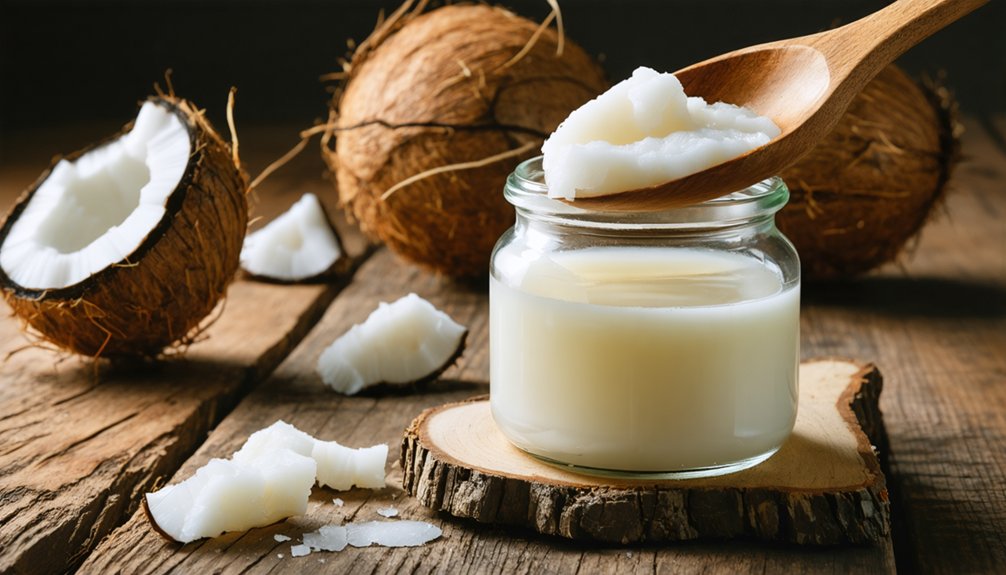
Oil pulling with coconut oil involves swishing one tablespoon of oil in your mouth for 15 to 20 minutes before brushing. This practice targets surface plaque and discoloration rather than intrinsic tooth color.
Among natural remedies, it’s one of the more widely adopted routines, largely due to coconut oil’s accessibility and tolerable taste.
However, you should manage your expectations carefully. Current evidence supporting coconut oil as a reliable whitening agent remains limited compared to conventional whitening products.
It may reduce surface staining modestly, but it won’t replicate clinical-grade results.
If you’re incorporating oil pulling into your routine, treat it as a supplementary habit rather than a primary whitening strategy.
Consistency and realistic expectations will define your outcome.
Does Activated Charcoal Really Whiten Teeth?
Activated charcoal works by binding to surface compounds through adsorption, allowing its abrasive texture to physically lift stains when you brush gently for about 2 minutes.
You can apply it by dipping a wet toothbrush into powdered charcoal or mixing it with a small amount of water before brushing.
However, repeated use raises your risk of enamel wear, so you should limit how often you use it to avoid long-term damage.
How Charcoal Removes Stains
How does activated charcoal actually remove surface stains? It works through two primary mechanisms: stain absorption and mild charcoal grinding. Activated charcoal’s porous structure binds to surface compounds—tannins from coffee, tea, and wine—then lifts them away when you rinse. That’s the absorption side.
The grinding effect comes from charcoal’s physical texture, which buffs away superficial discoloration through gentle abrasion.
You’re only targeting extrinsic stains here. Activated charcoal doesn’t penetrate enamel or alter intrinsic tooth color. What you see removed is surface-level buildup, nothing deeper.
The risk lies in frequency. Repeated charcoal grinding accelerates enamel wear, which you can’t reverse. Limit use to occasional applications, brush gently, and don’t treat it as a daily substitute for fluoride toothpaste.
Risks Of Overuse
There are two problems with frequent charcoal use: accelerated enamel wear and no real whitening beyond surface-level stain removal. Charcoal’s abrasiveness lifts surface stains, but repeated use triggers enamel erosion — a process that’s irreversible. Once enamel thins, you’ll notice increased teeth sensitivity to hot, cold, and acidic foods. That’s your enamel signaling structural compromise, not a minor inconvenience.
You’re also not changing intrinsic tooth color. Charcoal doesn’t penetrate dentin, so deeper discoloration stays untouched regardless of how often you brush with it. Overuse only accelerates damage without delivering proportional results.
Limit charcoal use to occasional sessions, apply minimal pressure, and monitor for sensitivity. If sensitivity develops, stop immediately. For stronger whitening outcomes, ADA-approved products offer more reliable results with better-controlled risk profiles.
Strawberries, Lemon Juice, and Vinegar: DIY Fixes That Can Damage Enamel
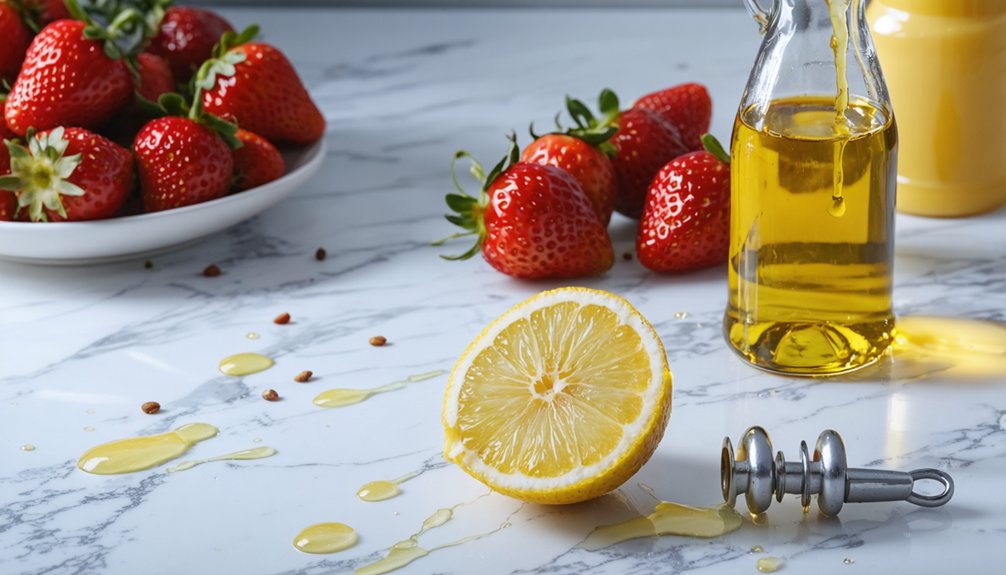
While strawberries, lemon juice, and apple cider vinegar appear frequently in DIY whitening guides, their high acid content poses a real risk to tooth enamel. These natural remedies may lift minor surface stains, but repeated exposure softens enamel over time, making teeth more vulnerable to decay and sensitivity.
Enamel safety isn’t a minor concern here—it’s irreversible. Once enamel erodes, your body can’t rebuild it.
The malic acid in strawberries and the acetic acid in vinegar work against the structural integrity of your teeth with frequent use.
If you’re drawn to these options, limit them strictly or avoid them altogether. The ADA recommends proven whitening products over acidic improvised methods when you want reliable results without trading long-term dental health for short-term aesthetics.
How Often Can You Safely Use DIY Whitening Methods?
Frequency matters as much as method when it comes to DIY whitening. Natural remedies can support a brighter smile, but overuse compromises enamel safety. Follow these evidence-based limits:
- Baking soda or hydrogen peroxide paste: Use 2–3 times per week maximum. Daily use erodes enamel and irritates gum tissue.
- Activated charcoal: Limit to occasional use only. Its abrasiveness makes frequent application a direct risk to enamel integrity.
- Oil pulling: You can practice this daily before brushing, as coconut oil poses minimal abrasive risk.
Beyond frequency, you should brush twice daily with fluoride toothpaste, rinse after staining beverages, and use a straw to reduce direct contact.
When DIY methods aren’t delivering results, ADA-approved products offer a more reliable, controlled alternative.
Daily Habits That Keep Your Teeth Whiter
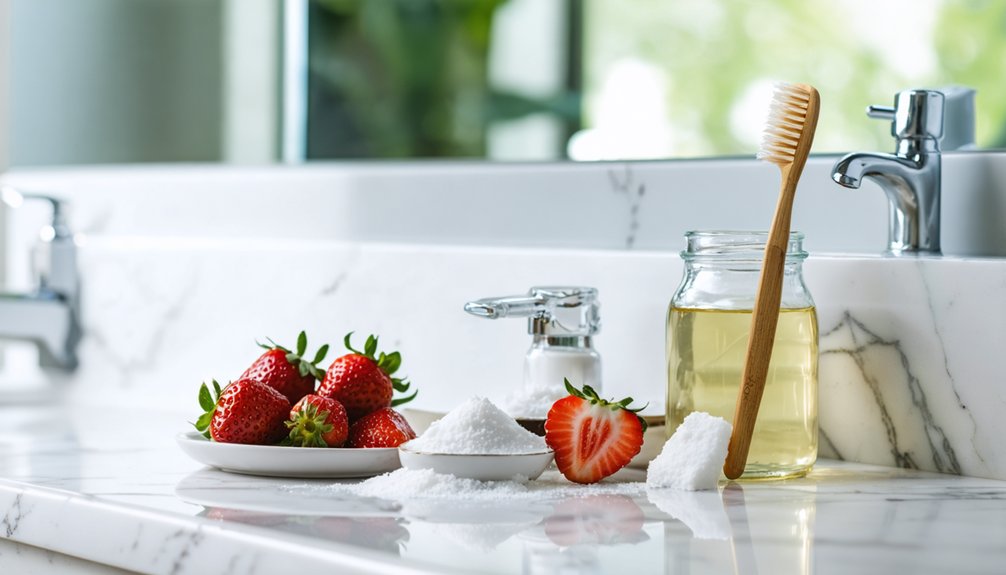
Keeping your teeth white long-term depends less on periodic treatments and more on consistent daily habits. Brush at least twice daily with fluoride toothpaste and floss every day to minimize plaque accumulation that causes surface discoloration.
Daily habits outperform periodic whitening treatments—brush twice daily and floss to prevent plaque-driven discoloration.
Rinse with water after consuming coffee, tea, or red wine to reduce stain adhesion. When possible, drink staining beverages through a straw to limit direct tooth contact.
Wait approximately 60 minutes after acidic foods before brushing to avoid compounding enamel vulnerability.
If you notice teeth sensitivity or gum irritation, scale back whitening treatments and assess whether your brushing technique is too aggressive.
These daily practices won’t eliminate deep stains, but they notably slow discoloration and extend the results of any whitening method you use.
When Your Teeth Need More Than DIY Methods Can Deliver
If your stains stem from intrinsic discoloration, trauma, or tetracycline use, DIY methods won’t reach the deeper structural changes causing them. A dentist can assess whether you need professional-grade bleaching, veneers, or bonding to achieve measurable results.
You should schedule a consultation when home methods produce no visible improvement after consistent use, or when you notice sensitivity, gum irritation, or worsening discoloration.
Signs DIY Falls Short
While DIY whitening methods can address surface stains, they’ve clear limits—and recognizing those limits matters. Natural remedies can’t reverse intrinsic discoloration or structural damage.
When you notice the following signs, professional intervention becomes necessary:
- Persistent yellowing or grayish tones that don’t respond after several weeks of consistent DIY treatment.
- Tooth sensitivity or gum irritation that worsens, signaling enamel safety concerns requiring clinical evaluation.
- Visible pitting, translucency, or uneven texture, which indicates enamel erosion that no home remedy can correct.
At this point, continuing DIY approaches risks compounding the damage. A dentist can assess whether professional-grade bleaching, veneers, or bonding better fits your situation.
Knowing when to escalate keeps you in control of both your results and your long-term dental health.
Professional Whitening Options
When DIY methods have run their course, three main professional options stand out: in-office bleaching, take-home trays prescribed by a dentist, and cosmetic procedures like veneers or bonding. Unlike alternative remedies, these treatments use clinically tested concentrations and controlled application protocols.
In-office bleaching delivers faster, measurable results because dentists apply higher-peroxide formulations under protective conditions.
Take-home trays offer a middle ground, giving you control over timing while following a structured plan.
Innovative techniques like laser-assisted bleaching accelerate the process further, though costs are higher.
Veneers and bonding address discoloration that bleaching can’t correct, including intrinsic staining or structural issues.
If your whitening goals aren’t met after consistent DIY efforts, scheduling a dental consultation gives you a clear, evidence-based path forward.
When To See Dentist
DIY whitening methods address surface stains, but certain signs indicate you’ve moved beyond what baking soda, peroxide rinses, or oil pulling can correct. Recognize these indicators and act accordingly:
- Tooth sensitivity that persists after stopping DIY treatments signals potential nerve involvement or enamel compromise requiring professional evaluation.
- Visible enamel erosion, including translucent edges or increased surface smoothness, means abrasive home methods can accelerate structural damage.
- Discoloration that’s intrinsic—gray, brown, or yellow tones unaffected by surface treatments—typically requires professional-grade bleaching or restorative intervention.
Continuing aggressive DIY routines when these signs appear doesn’t give you more control; it reduces your options. A dentist can assess enamel integrity, identify stain origin, and recommend targeted treatment that DIY methods simply can’t replicate.
Frequently Asked Questions
Can DIY Whitening Methods Interact With Dental Crowns or Veneers?
Like bleaching a patched quilt unevenly, DIY whitening won’t change your crowns or veneers. You’ll face dental crown compatibility issues and veneer safety concerns, as these restorations resist whitening agents, creating mismatched shades.
Are DIY Whitening Methods Safe to Use During Pregnancy?
You shouldn’t use DIY whitening methods during pregnancy without consulting your dentist first. Pregnancy safety concerns and DIY risks—including hydrogen peroxide and activated charcoal exposure—aren’t well-studied in pregnant individuals, so professional guidance remains your safest option.
Can Children or Teenagers Safely Use DIY Teeth Whitening Methods?
Like fragile glass, developing enamel can’t handle DIY whitening’s risks. You should avoid teenage whitening methods and prioritize children’s safety—consult a dentist instead, as immature teeth remain especially vulnerable to abrasion and chemical sensitivity from these treatments.
Do Whitening Toothpastes Work Better Than DIY Methods Alone?
Whitening toothpastes often outperform natural remedies alone, as they contain clinically tested abrasives or peroxides. You’ll get more consistent results combining commercial products with DIY methods than relying on either approach exclusively.
Can Diet Changes Alone Significantly Whiten Already-Stained Teeth?
Diet changes alone won’t considerably remove already-set stains. Diet impact is real for prevention, but stain removal requires active methods like baking soda or hydrogen peroxide. You’ll need targeted interventions alongside dietary adjustments for noticeable results.
References
- https://www.healthline.com/nutrition/whiten-teeth-naturally
- https://www.berkeleyhillsdentist.com/brighten-your-smile-naturally-berkeley-home-remedies-for-teeth-whitening/
- https://www.youtube.com/watch?v=S8kPjMd8akI
- https://www.youtube.com/watch?v=6VxphLA7LD8
- https://www.pleasantfamilydentistry.com/blog/6-natural-ways-to-whiten-your-teeth
- https://www.medicalnewstoday.com/articles/322421
- https://www.youtube.com/watch?v=J3QXk9kE5mM
- https://www.womenshealthmag.com/beauty/a19984729/diy-teeth-whitening/