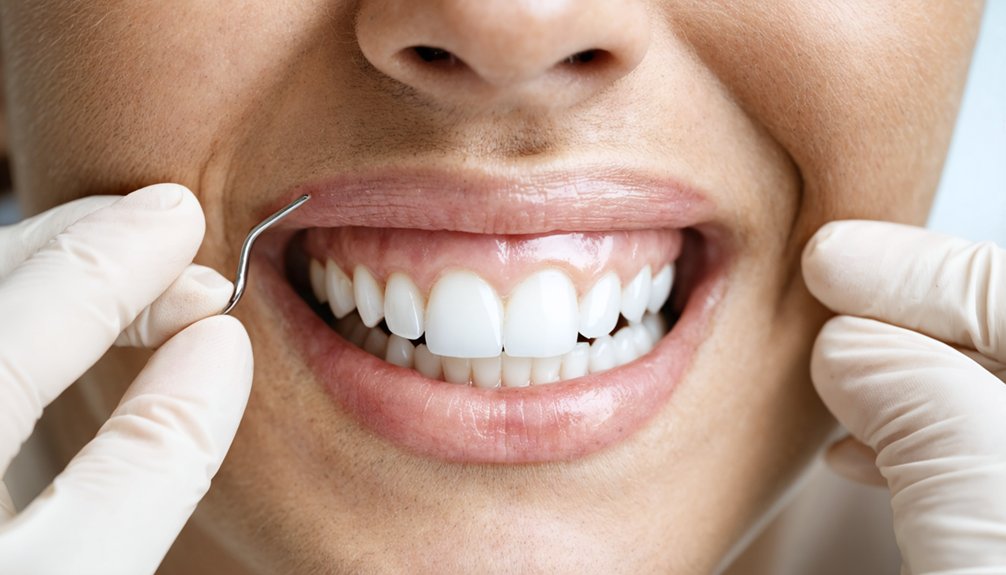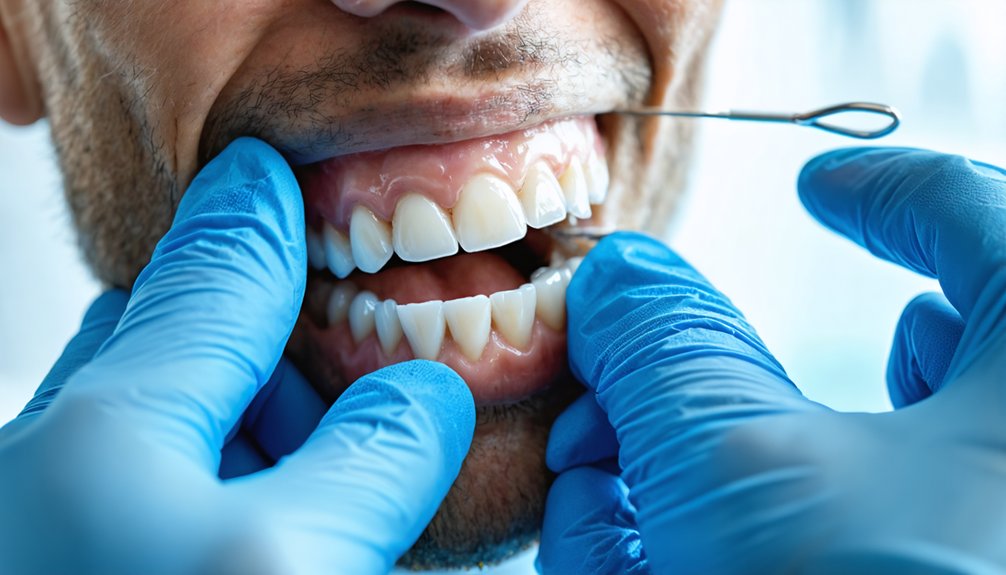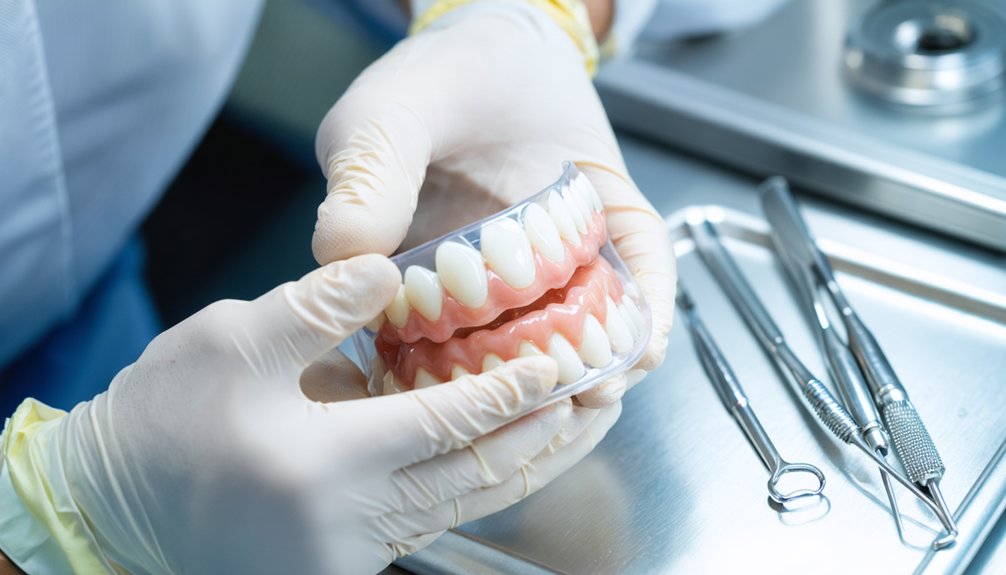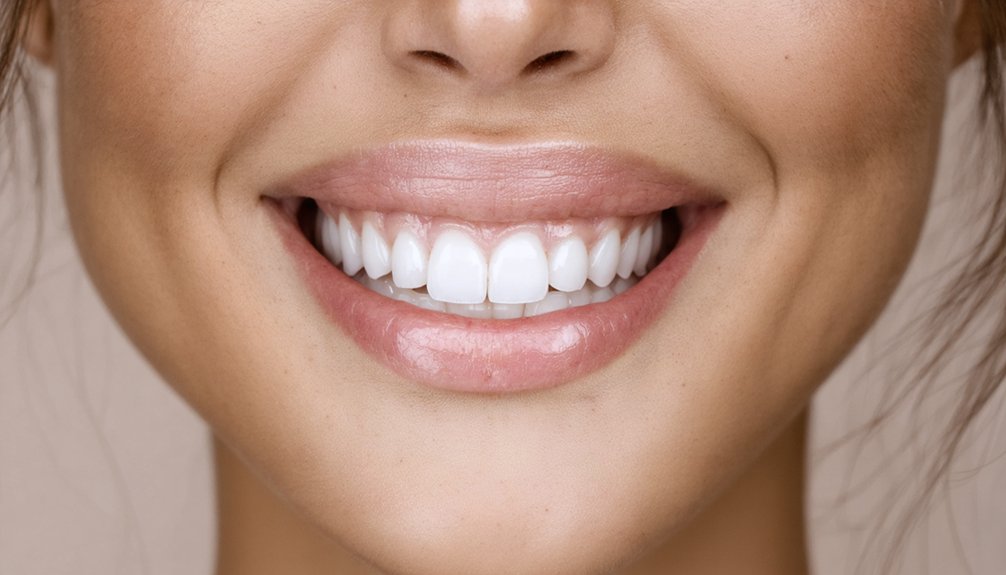
Cosmetic dentistry is essential because it gives you direct control over how your smile looks and functions. It corrects discoloration, chips, gaps, misalignment, and worn teeth using treatments like whitening, veneers, bonding, and implants. These solutions don’t just improve appearance — they restore structural integrity and boost your confidence in social and professional settings. With the right treatment, your results can last decades. Keep exploring to discover exactly which options will work best for you.
Key Takeaways
- Cosmetic dentistry addresses discoloration, chips, cracks, gaps, and misalignment, delivering natural-looking results that enhance overall smile appearance and harmony.
- Treatments like veneers, whitening, and bonding precisely control color, shape, and alignment for comprehensive aesthetic improvement.
- Advanced materials such as porcelain and composite resins mimic natural teeth, ensuring seamless, durable, and visually consistent results.
- Beyond aesthetics, cosmetic dentistry restores structural integrity, improving chewing, speech, and long-term dental stability.
- Smile enhancements boost self-confidence, reduce social hesitation, and positively influence personal interactions and professional opportunities.
What Cosmetic Dentistry Actually Is and What It Can Fix
Cosmetic dentistry focuses on improving how your smile looks by addressing visible concerns like discoloration, chips, cracks, gaps, and misalignment. It gives you direct control over your smile’s color, shape, size, and alignment through targeted procedures designed for measurable results.
Treatments range from teeth whitening and dental bonding to veneers, crowns, implants, and orthodontic solutions. Each procedure targets a specific aesthetic problem, allowing you to choose interventions that match your goals.
Beyond surface appearance, cosmetic dentistry also considers dental tissue integrity and gum health, ensuring that aesthetic improvements don’t compromise your oral foundation.
Whether you’re correcting minor imperfections or restoring severely damaged teeth, cosmetic dentistry equips you with proven options to reshape your smile with precision, intention, and lasting impact.
Which Smile Problems Cosmetic Dentistry Can Correct
From stained enamel to missing teeth, cosmetic dentistry addresses a wide range of smile concerns that affect how you look and feel. Whether you’re dealing with chips, cracks, gaps, discoloration, misalignment, or worn-down teeth, there’s a targeted treatment designed to correct it.
From chipped enamel to missing teeth, cosmetic dentistry offers a targeted solution for every smile concern.
Smile enhancement isn’t a one-size-fits-all process. Whitening tackles surface and intrinsic stains, veneers reshape irregular or damaged teeth, bonding fills gaps and repairs minor chips, and implants replace missing teeth entirely.
Orthodontic options correct alignment issues that throw off your bite and facial balance.
Each of these solutions works toward aesthetic harmony, ensuring your teeth, gums, and overall smile function together visually and functionally. When you identify the problem clearly, cosmetic dentistry gives you the tools to fix it precisely.
How Color, Shape, and Alignment Work Together in Cosmetic Dentistry
A truly balanced smile depends on three interconnected elements working together: color, shape, and alignment. When one element is off, it affects the entire aesthetic result.
Color coordination ensures your teeth share a consistent, natural tone that complements your skin and gum color.
Shape harmony means each tooth’s contour works with the others to create visual balance rather than distraction.
Alignment ties everything together by positioning your teeth so color and shape can be fully appreciated.
Cosmetic dentistry lets you control all three simultaneously. Veneers can unify tone and reshape teeth in a single procedure.
Orthodontic treatment corrects alignment, making whitening and contouring more effective.
When your dentist addresses all three factors together, you get results that look intentional, natural, and lasting rather than piecemeal corrections that only solve part of the problem.
How Veneers, Bonding, and Whitening Shape Your Smile
When chips, cracks, stains, or uneven spacing affect your smile, veneers, bonding, and whitening each offer targeted ways to correct those visible flaws.
Veneers reshape and cover imperfections with a durable porcelain layer. Bonding fills gaps and repairs chips with matched composite resin. Whitening lifts discoloration to restore brightness.
Together, these treatments help you achieve a naturally uniform smile that looks balanced, healthy, and consistent across every tooth.
Correcting Visible Smile Imperfections
Visible smile imperfections—whether staining, chipping, cracking, or uneven spacing—don’t have to be permanent. Cosmetic dentistry gives you targeted solutions that directly address what’s undermining your smile’s appearance.
Veneers can conceal deep discoloration and reshape uneven teeth. Bonding repairs chips and closes gaps without aggressive preparation. Whitening lifts surface and light intrinsic stains efficiently and affordably.
When evaluating your options, cost considerations matter. Whitening and bonding typically offer lower entry points, while veneers and crowns represent longer-term investments with greater durability.
Alternative treatment options like tooth recontouring or composite restorations may suit smaller corrections without significant expense.
You’re in control of choosing what fits your goals, timeline, and budget. The right procedure addresses your specific concern precisely—without overcomplicating your path to a better smile.
Achieving Natural Smile Uniformity
Uniformity is what separates a good smile from a great one. When your teeth vary in color, size, or shape, the imbalance is noticeable. Veneers, bonding, and whitening let you take direct control over those inconsistencies.
These three treatments work together to create cohesion:
- Veneers reshape and cover teeth with persistent intrinsic stains or irregular contours.
- Bonding fills gaps and corrects chips quickly without extensive procedures that worsen dental anxiety.
- Whitening neutralizes discoloration caused by dietary habits like coffee, tea, or wine consumption.
Each option targets a specific visual disruption. You’re not settling for a smile that almost works — you’re engineering one that’s balanced, consistent, and natural-looking.
Uniformity isn’t accidental; it’s the result of deliberate, well-matched cosmetic choices.
Which Cosmetic Dental Treatment Is Right for Your Concern?
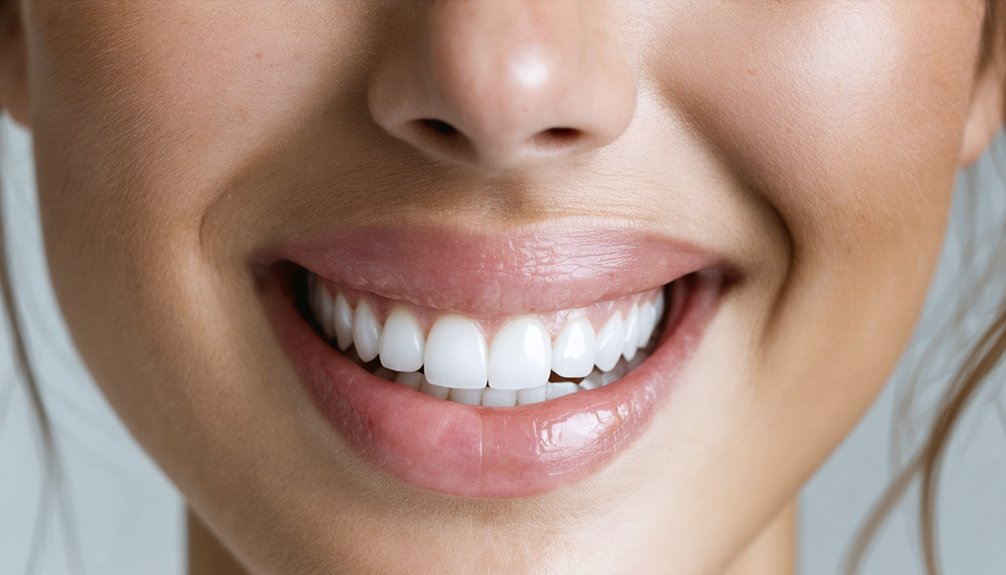
Choosing the right cosmetic dental treatment depends on identifying your specific concern and matching it to the procedure best suited to address it.
If discoloration is your issue, whitening or veneers deliver targeted results. Chips and cracks respond well to bonding or crowns.
Gaps and misalignment are best corrected through orthodontic options like clear aligners or braces. Missing teeth require implants or bridges for full restoration.
Before committing, review your treatment costs carefully and confirm what your dental insurance covers, since coverage varies widely across procedures.
Many cosmetic treatments aren’t covered, making cost planning essential.
Consulting with a qualified cosmetic dentist gives you a precise assessment of your concerns and a clear path toward the most effective, durable solution for your smile goals.
Can Cosmetic Dentistry Actually Improve How Your Teeth Function?
Once you’ve matched the right treatment to your cosmetic concerns, you may find those same procedures deliver benefits that go beyond appearance. Cosmetic dentistry can actively strengthen how your teeth perform daily.
Consider what targeted treatments can do for your oral function:
- Crowns and veneers protect weakened tooth enamel from further wear and damage.
- Orthodontic alignment closes gaps that trap bacteria, directly supporting gum health and easier cleaning.
- Implants and bridges restore bite balance, reducing strain on your jaw muscles and surrounding teeth.
When you address aesthetic issues, you’re also correcting underlying structural imbalances that affect chewing, speech, and long-term dental stability.
You gain control over both how your smile looks and how efficiently it works.
How Cosmetic Dentistry Results Affect Confidence and Social Life

When you improve your smile through cosmetic dentistry, you often notice an immediate shift in how confidently you present yourself in everyday situations.
A more attractive smile can reduce self-consciousness, encouraging you to engage more openly in conversations, professional settings, and social events.
These changes aren’t purely cosmetic—they can reshape how others perceive you and how you see yourself.
Confidence Through Smile Improvement
How you feel about your smile can shape how you carry yourself in everyday situations. When you’re confident in your appearance, you engage more openly, communicate more effectively, and project greater self-assurance. Cosmetic dentistry gives you direct control over that outcome.
Smile improvement delivers measurable psychological benefits:
- Reduced self-consciousness during conversations and professional interactions
- Increased willingness to smile, laugh, and engage socially without hesitation
- Stronger self-image that influences how others perceive and respond to you
With flexible dental financing options, achieving these results doesn’t require compromising your budget. Prioritizing patient comfort throughout treatment also ensures the process feels manageable, not intimidating.
When you invest in your smile, you’re investing in how confidently you move through every area of your life.
Social Benefits Of Aesthetics
Confidence doesn’t stay private — it shows up in how you interact with others, how you’re received in social settings, and how willing you’re to put yourself forward.
A refined smile directly influences how others perceive you and how comfortable you feel engaging in conversations, professional environments, and personal relationships. When you’re not self-conscious about your teeth, you communicate more openly and present yourself with greater authority.
Yes, cost considerations matter, and dental insurance may not always cover cosmetic procedures — but the social return on investment is measurable. Improved smile aesthetics can strengthen first impressions, support career advancement, and reduce social hesitation.
When you control how your smile looks, you gain control over how you’re seen.
How Long Do Cosmetic Dentistry Results Actually Last?
One of the most common questions patients ask before committing to cosmetic dentistry is how long their results will actually last — and the honest answer is that it depends on the procedure. Your habits, hygiene, and maintenance choices directly control your outcomes.
Here’s what you can expect:
- Teeth whitening results typically last six months to two years, depending on your diet and oral care routine.
- Dental bonding generally lasts three to ten years before requiring touch-ups or replacement.
- Porcelain veneers and implants can last ten to twenty-plus years with proper care.
You’re not powerless over longevity. Consistent brushing, regular dental visits, and avoiding staining foods extend your results considerably.
Knowing your options lets you invest wisely.
How to Maintain Cosmetic Dental Work and Protect Your Results
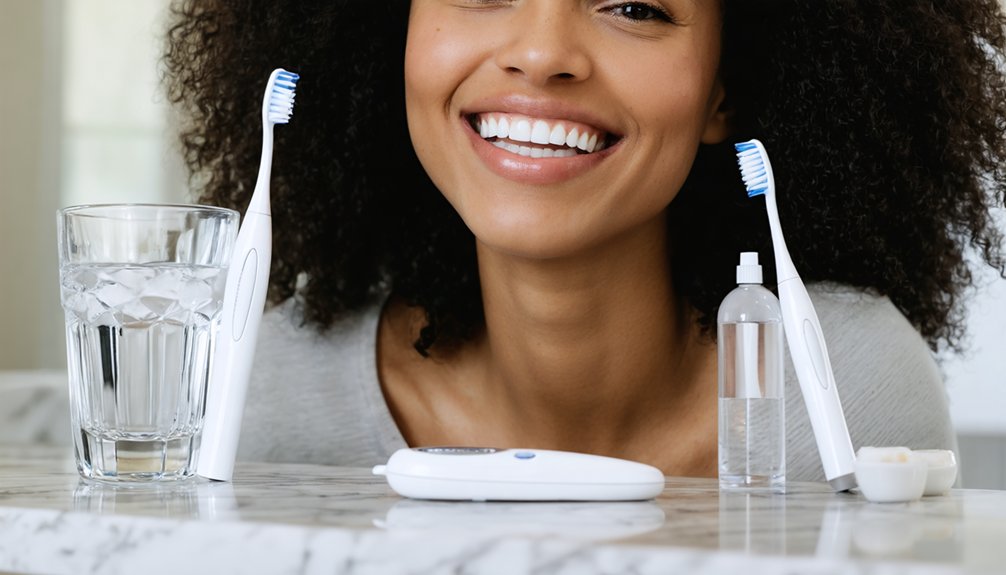
Knowing how long your results can last is only half the equation — protecting them is where the real work begins. Your daily dental hygiene routine directly determines how well your cosmetic work holds up.
Brush twice daily with a non-abrasive toothpaste, floss consistently, and rinse to prevent staining and plaque buildup around restorations.
If you experience tooth sensitivity after treatment, don’t ignore it — it’s your signal to adjust your routine or consult your dentist promptly.
Avoid habits that accelerate damage: grinding, nail-biting, and consuming staining foods or drinks without rinsing afterward.
Schedule regular professional cleanings and checkups to catch wear early.
You invested in your smile — maintaining it requires consistent, deliberate action, not passive hope.
How Modern Cosmetic Dentistry Technology Makes Treatment More Accurate
When you choose modern cosmetic dentistry, you benefit from digital imaging technology that lets your dentist plan and preview results with far greater precision than traditional methods allow. These tools help you see expected outcomes before treatment begins, reducing guesswork and improving accuracy at every stage.
Advanced materials, including high-strength ceramics and improved composite resins, also give you results that look more natural and hold up longer under daily use.
Digital Imaging Enhances Precision
Digital imaging has transformed how cosmetic dentists plan and execute treatments, giving both practitioners and patients a clearer picture of expected outcomes before any procedure begins. These innovative techniques put you in control of your results by eliminating guesswork entirely.
Digital imaging directly supports patient satisfaction through three key advantages:
- Preview outcomes — You see your projected smile before committing to any procedure.
- Improve measurement accuracy — Dentists capture precise tooth dimensions, reducing errors during veneer, crown, or aligner fabrication.
- Streamline communication — You and your dentist align expectations clearly using visual data rather than vague descriptions.
When you understand exactly what treatment involves and what results to expect, you make more confident decisions. Digital imaging doesn’t just improve precision — it gives you meaningful control over your dental aesthetic journey.
Advanced Materials Improve Outcomes
The materials your dentist uses directly shape how natural, durable, and precise your results look and feel. Material innovation has transformed what’s possible in cosmetic dentistry, giving you access to options that closely mimic the translucency, texture, and strength of natural teeth.
Modern porcelains and composite resins now offer superior aesthetic integration, blending seamlessly with surrounding teeth rather than standing out under light or close inspection. You’re no longer choosing between durability and appearance—today’s materials deliver both.
Ceramic veneers resist staining. High-grade composites bond more reliably. Implant materials replicate natural tooth roots with greater accuracy. Each advancement means your results hold up longer and look more convincing from day one.
Choosing a dentist who leverages these materials puts measurable control directly in your hands.
Frequently Asked Questions
Does Cosmetic Dentistry Require a Referral From a General Dentist?
You don’t always need a referral—you can contact a cosmetic dentist directly. However, understanding the referral process and verifying specialist qualifications guarantees you’re choosing a provider who’ll deliver safe, effective, and lasting aesthetic results.
Is Cosmetic Dentistry Covered by Dental Insurance Plans?
Most dental insurance won’t cover cosmetic dentistry. If you’re getting veneers, for example, you’ll face coverage limitations since dental insurance typically excludes elective procedures. You’d need to explore financing options to take control of your treatment costs.
What Is the Typical Cost Range for Common Cosmetic Dental Procedures?
Costs vary widely: whitening runs $200–$1,500, bonding $300–$600, and veneers $1,000–$2,500 per tooth. Your cost comparison should factor in procedure longevity—longer-lasting treatments often deliver stronger value for your investment.
At What Age Can Someone Start Considering Cosmetic Dental Treatments?
Your smile’s a canvas waiting to be perfected! Age considerations and developmental readiness matter—you can typically explore cosmetic dental treatments in your late teens, once your teeth and jaw have fully matured for lasting, confident results.
Are Cosmetic Dental Procedures Painful During or After Treatment?
Most cosmetic dental procedures won’t cause significant pain. Your dentist uses effective pain control techniques to keep you comfortable. Follow their recovery tips—like avoiding hard foods and using prescribed medication—to ensure you’re healing smoothly and confidently.
References
- https://my.clevelandclinic.org/health/treatments/23914-cosmetic-dentistry
- https://www.webmd.com/oral-health/cosmetic-dentistry
- https://pubmed.ncbi.nlm.nih.gov/16832182/
- https://www.webmd.com/a-to-z-guides/what-is-a-cosmetic-dentist
- https://www.bioinformation.net/022/973206300222451.pdf
- https://pmc.ncbi.nlm.nih.gov/articles/PMC12449501/
- https://www.greaterdentalhealth.com/blog/cosmetic-dentistry-unveiled-how-it-enhances-oral-health-and-functionality-32/
- https://www.allsmilesmonett.com/blog/cosmetic-dentistry-functional-benefits/
- https://www.sandiegoartofdentistry.com/blog/what-is-meant-by-cosmetic-dentistry/
- https://www.whitehilldentalpa.com/dental-blog/what-is-cosmetic-dentistry-levittown-pa