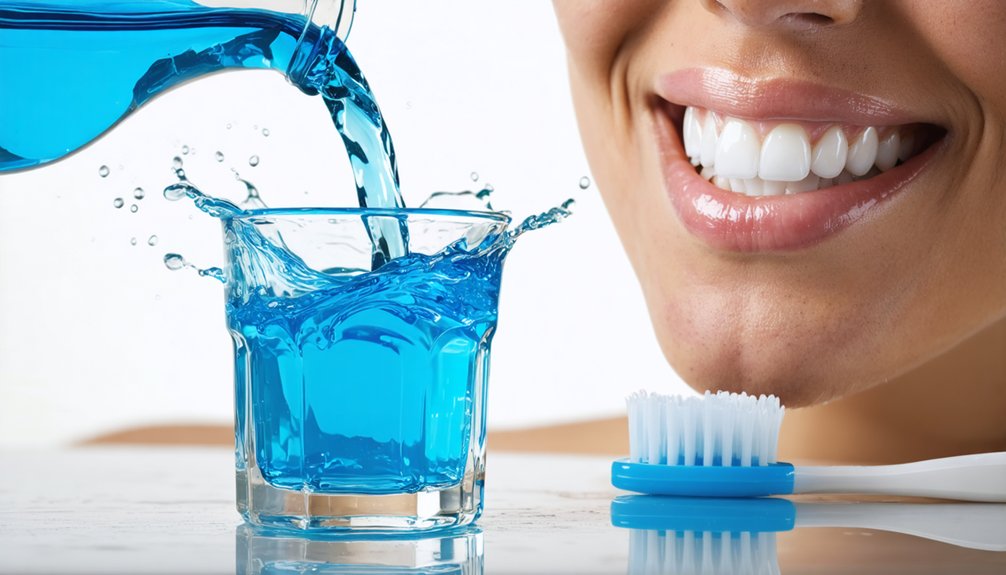
Whitening mouthwash can brighten your smile, but you’ll need to use it correctly and consistently to see real results. It works by using hydrogen peroxide to break down surface stains through oxidation. You’ll typically notice visible improvements after two to twelve weeks of daily use. Pairing it with a structured oral care routine—and limiting staining foods—helps protect your progress. There’s much more to understand about making it work for you.
Key Takeaways
- Whitening mouthwash uses hydrogen peroxide to break down surface stains through oxidation, delivering gradual, visible results with consistent use.
- Swish for 30 seconds after brushing and flossing, avoid eating or drinking for 30 minutes, and limit use to once daily.
- Visible improvements typically appear within 2–12 weeks, depending on routine consistency and dietary habits like limiting coffee, tea, and wine.
- Look for ADA-approved formulas containing fluoride and sensitivity-friendly ingredients to protect enamel while effectively whitening teeth.
- Missing applications disrupts cumulative whitening effects, so maintaining a disciplined daily routine is essential for achieving a brighter smile.
How Whitening Mouthwash Brightens Your Teeth
Whitening mouthwash brightens your teeth by using small amounts of bleaching agents to remove surface stains. Unlike natural remedies or alternative treatments, these formulated rinses deliver consistent, measurable results through repeated application.
You’ll typically notice visible changes after 2–12 weeks of consistent use, as the active ingredients gradually lift discoloration from enamel surfaces.
Studies confirm that whitening mouthwash effectively removes some surface stains, though its results remain limited compared to professional whitening methods. It works best as part of a structured oral care routine rather than a standalone solution.
If you’re seeking control over your smile’s appearance, choosing a product bearing the ADA Seal of Acceptance ensures you’re using a clinically validated option that delivers on its whitening claims.
How Hydrogen Peroxide in Whitening Mouthwash Actually Works
Hydrogen peroxide serves as the active bleaching agent in most whitening mouthwashes, breaking down stain-causing compounds on your enamel through an oxidation reaction. It also targets harmful bacteria, supporting gingivitis prevention while simultaneously working on discoloration. When properly diluted, it’s effective without compromising enamel protection.
Here’s what hydrogen peroxide does beyond whitening:
- Eliminates bacteria responsible for gum disease and plaque buildup
- Promotes gum health by reducing infection-causing microorganisms
- Whitens gradually through consistent oxidation of surface stains
To use it safely, limit application to a few times weekly and swish for 30 seconds before spitting. Overuse risks irritation and enamel damage, so controlled, deliberate use maximizes benefits.
You’re managing both aesthetics and oral health simultaneously with one targeted ingredient.
The Ingredients That Make a Whitening Mouthwash Worth Buying
Not all whitening mouthwashes deliver the same results, so knowing which ingredients matter helps you make a smarter purchase. Start by selecting products containing hydrogen peroxide, a clinically proven whitening agent that breaks down surface stains effectively.
Look for the ADA Seal of Acceptance, which confirms safety and efficacy standards are met.
Fluoride is another non-negotiable ingredient, offering cavity protection while you whiten.
If you experience sensitivity, choose formulas specifically designed to minimize discomfort.
Some advanced formulas incorporate natural extracts that support gum health and help maintain pH balance, protecting enamel from acid erosion.
Antimicrobial agents like cetylpyridinium chloride add further protection against plaque-causing bacteria.
Checking verified customer reviews alongside ingredient labels gives you a complete picture before committing to any product.
How to Use Whitening Mouthwash Without Undermining Your Results
Getting the most from your whitening mouthwash depends as much on how you use it as on what’s in it. Regardless of your flavor preferences or packaging considerations, poor technique will undermine even the best formula.
Follow these evidence-based practices to protect your results:
- Swish for 30 seconds after brushing and flossing, then spit completely.
- Avoid eating, drinking, or rinsing with water for at least 30 minutes post-use.
- Limit use to once daily to prevent enamel irritation or sensitivity.
Consistent application over 2–12 weeks produces visible improvement. Using mouthwash more frequently doesn’t accelerate whitening—it increases risk.
You control the outcome by respecting the process, not rushing it.
How Long Before Whitening Mouthwash Shows Real Results?
Visible results from whitening mouthwash don’t appear overnight—studies confirm that consistent use over 2–12 weeks is typically required before surface stains show measurable reduction. Your timeline depends on several controllable factors.
Diet considerations play a significant role; consuming staining agents like coffee, tea, or red wine slows visible progress. Limiting these between applications gives the active ingredients a better opportunity to work.
Oral sensitivity can also affect your consistency—if irritation develops, you may need a formula designed for sensitive teeth to maintain your routine without interruption.
Missing applications disrupts cumulative effects, so daily use matters.
While whitening mouthwash isn’t as powerful as professional treatments, disciplined use within the recommended window produces a measurably brighter appearance you can track and control.
How Mouthwash Fights Bacteria, Plaque, and Bad Breath
When you use mouthwash regularly, its antimicrobial ingredients target and reduce harmful bacteria that contribute to gum disease and gingivitis.
It also reaches areas your brush and floss can’t, disrupting plaque before it builds up.
Reducing Harmful Oral Bacteria
Mouthwash does more than freshen your breath—it actively fights the bacteria responsible for plaque, gingivitis, and gum disease. Therapeutic mouthwashes contain antimicrobial agents that target harmful microorganisms disrupting your oral microbiome, reducing bacterial populations before they cause lasting damage.
Consistent use strengthens your defenses against bacterial resistance, keeping harmful strains from overwhelming your mouth’s natural balance.
Incorporating mouthwash into your routine delivers targeted benefits:
- Inhibits sulfur-producing bacteria responsible for bad breath and gum inflammation
- Reduces plaque-forming microorganisms that brushing and flossing can’t always reach
- Supports gum health by lowering bacterial counts linked to gingivitis
Taking control of your oral environment means using every available tool—mouthwash included—to maintain a healthier, cleaner mouth daily.
Preventing Plaque and Odor
Plaque and bad breath don’t develop randomly—they stem from bacterial activity that mouthwash directly disrupts. Antimicrobial ingredients inhibit sulfur-producing bacteria responsible for odor while simultaneously targeting plaque-forming microbes linked to gingivitis.
Therapeutic formulations go further, preventing cavity development and reducing buildup that brushing alone can’t fully address.
You should also consider mouthwash storage and packaging considerations when selecting a product. Store mouthwash in a cool, dry location away from heat exposure, which can degrade active ingredients.
Packaging considerations matter too—opt for sealed, tamper-evident bottles that preserve formulation integrity over time.
Swish for 30 seconds after brushing and flossing, allowing the solution to reach bacteria in areas your brush misses. Consistent daily use delivers measurable long-term oral health benefits.
Frequently Asked Questions
Can Whitening Mouthwash Replace Professional Teeth Whitening Treatments Entirely?
Forsooth, whitening mouthwash can’t replace professional treatments entirely. It removes surface stains, but natural remedies and dietary impacts also influence results. You’ll achieve limited brightness; professional methods remain superior for deeper, lasting whitening effects.
Is Whitening Mouthwash Safe for Children or Teenagers to Use?
You should consult a dentist before using whitening mouthwash for children’s oral health or teen oral hygiene. These products contain bleaching agents that aren’t always safe for developing teeth, so professional guidance helps you make informed, preventive decisions.
Can Whitening Mouthwash Stain Dental Restorations Like Veneers or Crowns?
Whitening mouthwash won’t cause veneer discoloration or crown staining, but it can’t whiten them either. You should consult your dentist to select products that won’t compromise your restorations’ appearance while maintaining surrounding natural teeth effectively.
Does Whitening Mouthwash Interact Negatively With Prescription Medications?
Like steering through a minefield, medication interactions can complicate dental health safety. You should consult your doctor before using whitening mouthwash, as certain prescriptions may amplify sensitivity or reduce effectiveness, ensuring you’re making informed, controlled choices.
Can Whitening Mouthwash Worsen Existing Cavities or Tooth Decay?
Whitening mouthwash can worsen cavity risk and trigger enamel erosion if you’ve got existing decay. You’ll want to choose alcohol-free, fluoride-containing options and consult your dentist before use to protect compromised teeth effectively.
References
- https://www.phdental.com/oral-health-news/2024/august/tips-for-achieving-a-brighter-smile/
- https://grantortho.com/teeth-whitening-toothpaste-and-mouthwashes/
- https://www.myazsmile.com/blog/2025/1/13/does-whitening-mouthwash-work
- https://www.44thstdental.com/hydrogen-peroxide-mouthwash-benefits/
- https://www.deltadental.com/protect-my-smile/oral-health-habits/mouthwash/
- https://makeo.app/blog/oral-care/the-role-of-mouthwash-in-maintaining-bright-smile
- https://www.laniersmiles.com/2022/02/how-does-mouthwash-help-my-smile/
- https://alexandriasmiles.com/blog/2022/2/14/benefits-of-mouthwash
- https://www.rexburgappletreedental.com/blog/mouthwash-the-secret-weapon-for-a-winning-smile