Yellowing teeth often respond well to herbal remedies that target surface stains and harmful bacteria. You can try coconut oil pulling to reduce plaque, enzyme-rich papaya and pineapple extracts to break down protein-based stains, and neem or clove-based toothpastes to fight bacterial buildup. These approaches support a cleaner, brighter smile without harsh chemicals. However, not every natural remedy is safe or effective, and knowing which ones actually work makes all the difference.
Key Takeaways
- Coconut oil pulling reduces bacteria and plaque through lauric acid’s antimicrobial properties, indirectly brightening teeth over time.
- Papain from papaya and bromelain from pineapple gently break down surface proteins causing tooth discoloration.
- Neem and clove found in herbal toothpastes reduce plaque-forming bacteria, supporting a naturally cleaner smile.
- Sage mouthwash offers credible antimicrobial activity, reducing plaque buildup that contributes to dull-looking teeth.
- Avoid apple cider vinegar and activated charcoal, as both risk damaging enamel with regular use.
Why Teeth Turn Yellow in the First Place
Before reaching for any remedy, it’s worth understanding why teeth turn yellow in the first place. Yellowing often stems from two distinct sources: extrinsic and intrinsic discoloration.
Extrinsic stains collect on the outer surface when dietary factors like coffee, tea, red wine, and tobacco repeatedly contact your teeth. Over time, these pigments embed into the biofilm layer sitting on your enamel.
Surface stains don’t appear overnight — they build up gradually as coffee, tea, and tobacco leave their mark on your enamel.
Intrinsic discoloration runs deeper. It develops within the tooth structure itself, often due to aging, certain medications, or trauma. As tooth enamel naturally thins with age, the yellowish dentin beneath becomes more visible.
Knowing which type you’re dealing with shapes which remedies are worth trying. Surface stains respond better to natural approaches, while intrinsic discoloration typically requires professional intervention.
What the Research Actually Says About Herbal Whitening
When you look at the science behind herbal whitening, the evidence is promising in some areas but limited overall.
Coconut oil pulling shows consistent research interest for reducing bacteria and plaque, while fruit enzymes like papain and bromelain have demonstrated real potential for improving tooth color, particularly when paired with hydrogen peroxide.
Most other herbal remedies, though beneficial for oral hygiene, work by reducing surface debris rather than producing true, structural whitening.
Evidence Behind Herbal Whitening
Although herbal whitening remedies are widely popular, the research behind them is still catching up. Understanding herbal efficacy means separating marketing claims from actual evidence. Most herbs support oral hygiene rather than structurally changing tooth color.
Coconut oil pulling shows consistent interest in reducing bacteria and plaque, which can indirectly brighten appearance.
Papain and bromelain, enzymes from papaya and pineapple, carry the strongest whitening expectations, with studies suggesting they may reduce surface stains, particularly when combined with hydrogen peroxide.
Activated charcoal adsorbs debris but risks enamel abrasion.
Turmeric offers anti-inflammatory benefits, not true whitening. Acidic options like apple cider vinegar actively damage enamel over time.
You’ll get better results treating herbal remedies as supportive oral-care tools rather than standalone whitening solutions.
Natural Remedies’ Real Limits
Herbal remedies can support your oral health routine, but they hit a clear ceiling when it comes to actual whitening. Setting natural expectations matters here.
Most herbal efficacy centers on reducing bacteria, disrupting plaque, and clearing surface debris — not chemically altering enamel color. Coconut oil pulling and enzyme-based extracts like papain and bromelain show the most research interest, yet even they work on surface proteins rather than intrinsic staining.
Persistent yellowing from thinning enamel or deep discoloration won’t respond to herbs alone. Acidic options like apple cider vinegar and citrus peels carry real enamel-damage risks, making them poor long-term choices.
Herbal approaches work best as consistent, supportive habits alongside brushing, flossing, and dentist-supervised care when deeper discoloration is the concern.
Coconut Oil Pulling and What It Can Do for Stains
When you swish coconut oil around your mouth for 10 to 20 minutes, the mechanical action helps dislodge bacteria and debris that cling to tooth surfaces.
The oil’s lauric acid also carries antimicrobial properties that may reduce the bacterial load linked to plaque buildup and surface discoloration.
Limited but consistent research suggests that regular oil pulling can modestly lower plaque levels and support gum health, both of which contribute to a cleaner, brighter-looking smile over time.
How Oil Pulling Works
Oil pulling is one of the oldest natural oral-care practices, and it’s gained renewed attention for its potential role in reducing surface stains and improving overall mouth hygiene. The process is straightforward: you swish oil around your mouth for several minutes, allowing it to bind bacteria and dislodge debris.
Coconut oil effectiveness comes partly from lauric acid, an antimicrobial fatty acid that targets oral bacteria linked to plaque and discoloration.
Oil pulling benefits work through:
- Mechanically pulling bacteria and food particles from between teeth and along the gumline
- Disrupting the biofilm that contributes to plaque-related yellowing
- Reducing odor-causing microbes that compromise overall oral freshness
It won’t chemically bleach enamel, but consistent practice can support a cleaner, healthier oral environment.
Reducing Plaque and Stains
Plaque buildup is one of the most common reasons teeth take on a dull or yellowish tone, and that’s where coconut oil pulling moves from general oral hygiene into more targeted territory.
Its lauric acid content works against the bacteria that fuel plaque formation, which means you’re addressing discoloration at its source rather than masking it.
Limited but consistent research suggests regular oil pulling can reduce plaque and gingivitis, two factors that directly affect how bright your teeth appear.
As a natural whitening strategy, it won’t replace professional treatment for deep staining, but it’s a practical complement to other herbal ingredients like neem and clove that similarly target bacteria.
Together, they support a cleaner oral environment where surface stains have less opportunity to accumulate.
Papaya and Pineapple Enzymes That Reduce Surface Stains
Two tropical fruits — papaya and pineapple — contain natural enzymes that may help reduce surface stains on teeth. Papain, responsible for papaya benefits, and bromelain, known for pineapple effects, work by breaking down surface proteins where stains adhere.
Research supports their potential:
Research backs the whitening potential of papaya and pineapple enzymes, offering a gentler path to a brighter smile.
- A 2024 human-teeth study found papaya and pineapple extracts combined with hydrogen peroxide may noticeably improve tooth color.
- A 2020 bovine-teeth study found bleaching gels containing bromelain or papain showed substantial whitening potential.
- Both enzymes target surface-level discoloration rather than chemically altering enamel, making them a gentler consideration.
You won’t get dramatic results from eating these fruits alone, but enzyme-based products incorporating these extracts offer a research-backed option worth exploring as part of your oral care routine.
Neem and Clove for Plaque, Bacteria, and Brighter Teeth
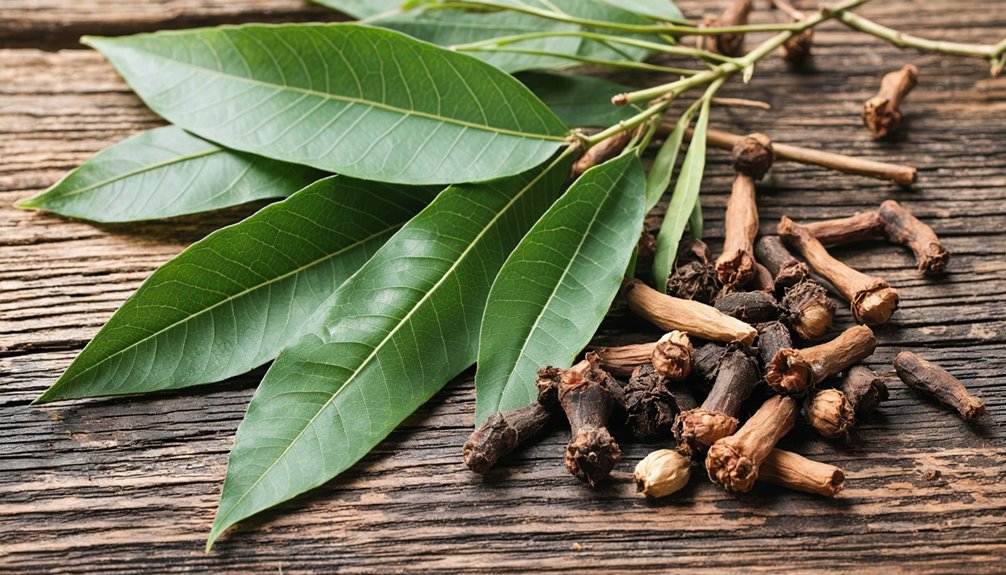
While oil pulling gets much of the attention in natural oral care, neem and clove have quietly built a strong track record in Ayurvedic and herbal dentistry.
Neem benefits your mouth by targeting plaque-forming bacteria and supporting healthier gum tissue, which directly reduces the bacterial buildup that makes teeth appear dull and yellow.
Clove properties work differently — its antibacterial and antiseptic compounds fight odor-causing microbes while supporting gum integrity.
Together, they address two root causes of discoloration: bacterial accumulation and inflammation.
You’ll find both ingredients in herbal toothpastes formulated for daily use.
Neither neem nor clove chemically bleaches enamel, but by keeping plaque and bacteria in check, they help your teeth maintain a cleaner, naturally brighter appearance over time.
What Turmeric, Sage, and Similar Herbs Can and Cannot Do
If you’ve seen turmeric toothpaste marketed as a natural whitener, it’s worth knowing that the evidence supporting that claim remains thin.
Turmeric does offer anti-inflammatory and antimicrobial properties that may support gum health, but those benefits don’t translate into measurable tooth whitening.
Sage, by contrast, brings more credible antimicrobial activity to the table, making it a better candidate for reducing the bacteria and plaque buildup that can make teeth appear duller over time.
Turmeric’s Whitening Limitations
Turmeric, sage, basil, and similar herbs earn their place in oral care mostly through antimicrobial and anti-inflammatory action rather than any true bleaching effect.
Turmeric benefits your mouth by calming gum inflammation and reducing bacteria, but don’t expect it to chemically lift stains from enamel. Turmeric safety is also worth noting—its deep pigment can temporarily stain your toothbrush, gums, and tongue.
What these herbs realistically offer:
- Reduced bacterial load that might otherwise contribute to plaque-related yellowing
- Calmer gum tissue that supports a healthier oral environment overall
- Fresher breath through antimicrobial compounds targeting odor-causing bacteria
If you’re using turmeric expecting dramatic whitening, you’ll likely be disappointed. Treat it as a supportive oral-health tool, not a bleaching agent.
Sage’s Antimicrobial Benefits
Sage brings something turmeric doesn’t: a more direct antimicrobial punch backed by traditional use and growing research interest. Its antimicrobial properties target the oral bacteria that contribute to plaque buildup, one of the main drivers of that dull, yellowish appearance.
When you use sage as a mouth rinse, steeped in cooled water, you’re actively working to reduce the bacterial load that makes teeth look worse over time.
The sage benefits here aren’t about chemical bleaching. They’re about creating a cleaner oral environment where surface stains have less opportunity to take hold.
That’s a meaningful distinction. You won’t see dramatic whitening, but you may notice fresher breath and reduced plaque over consistent use, which supports a brighter-looking smile through better oral hygiene rather than chemistry.
Herbal Toothpastes and Rinses to Try at Home
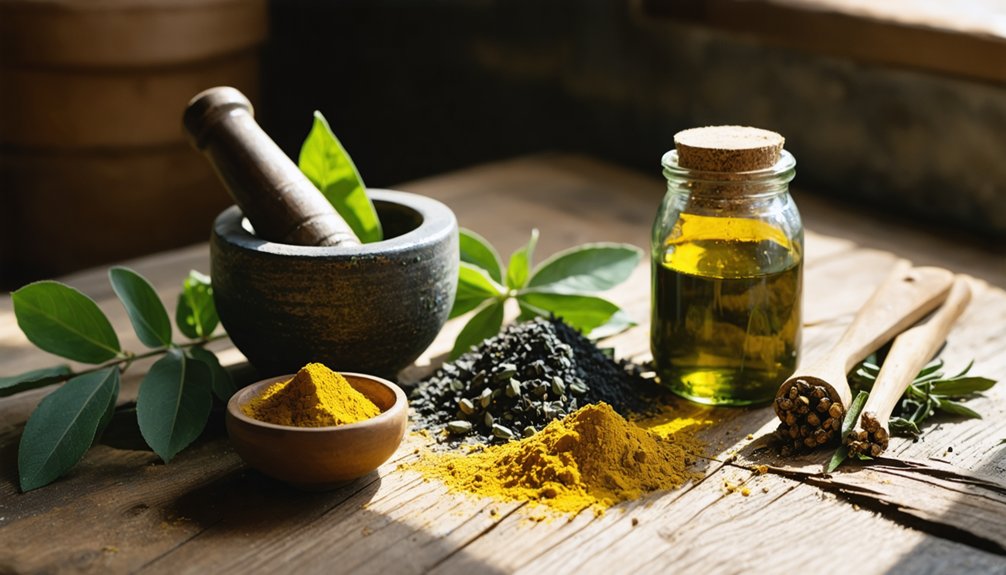
When it comes to everyday oral care, herbal toothpastes and rinses offer a practical way to incorporate plant-based ingredients into your routine.
Herbal toothpaste recipes typically combine turmeric, neem, and clove to target bacteria, reduce plaque, and support gum health daily. Effective mouthwash blends often steep sage, oregano, or cardamom in warm water, delivering antimicrobial benefits with each rinse.
Try these targeted approaches:
- Neem and clove toothpaste: Mix powdered neem and clove with coconut oil for a paste that fights bacteria at the gumline.
- Sage mouthwash: Steep dried sage leaves in hot water, cool completely, and swish for 30 seconds.
- Cardamom rinse: Brew crushed cardamom pods as a tea, then use cooled liquid to freshen breath naturally.
Natural Remedies That Quietly Damage Your Enamel
Not every natural remedy deserves a place in your daily oral care routine. Some popular options cause enamel erosion before you notice any damage.
Apple cider vinegar carries serious vinegar risks — its acidity gradually strips protective enamel, increasing sensitivity and long-term vulnerability. Acidic remedies like lemon juice or citrus peel rubs follow the same pattern.
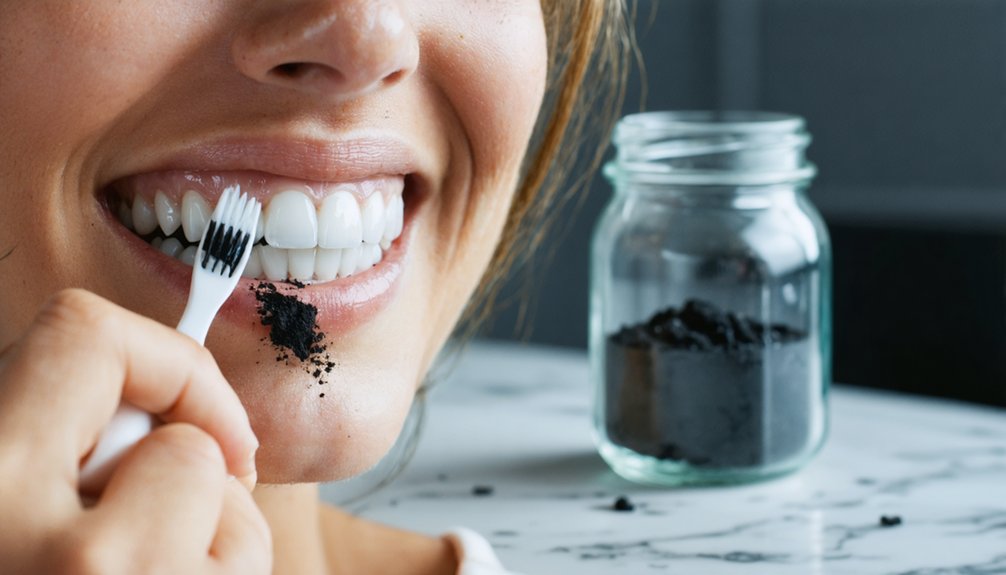
Fruit peels may feel gentle, but repeated contact weakens enamel over time, and scientific support for their whitening claims remains thin. Activated charcoal presents another concern; its abrasive ingredients can physically scratch enamel surfaces with regular use.
If you’re pursuing brighter teeth naturally, protecting your enamel isn’t optional — it’s foundational. Prioritize remedies with credible research behind them, and treat anything acidic or gritty with real caution.
Daily Habits That Make Herbal Oral Care Work Better
Herbal oral care works best when it supports — rather than replaces — the fundamentals. Your daily routines determine whether herbal habits actually deliver results or just add steps.
Build consistency around these practices:
- Brush and floss first. Herbal rinses and oil pulling work better on clean surfaces, not over existing plaque and debris.
- Time your herbal steps strategically. Do oil pulling before breakfast, use herbal mouthwash after meals, and avoid eating immediately after any rinse.
- Stay hydrated and limit staining beverages. Water flushes bacteria naturally, while coffee, tea, and wine undo surface-level herbal benefits quickly.
No herbal remedy compensates for skipped brushing or poor diet. Control the basics, and your herbal additions become genuinely supportive rather than cosmetic distractions.
Signs Your Yellowing Needs More Than a Natural Remedy
Some yellowing responds well to herbal habits and improved oral hygiene — but not all of it will. If your yellowing severity goes beyond surface stains, natural remedies won’t be enough.
Watch for these signs that indicate you need a professional evaluation:
- Yellowing that persists despite consistent brushing, oil pulling, and enzyme-based care
- Gray or brown discoloration, which often signals intrinsic staining from medications, trauma, or enamel thinning
- Uneven color changes across individual teeth rather than generalized surface buildup
- Increased sensitivity alongside discoloration, which may indicate enamel erosion
- Sudden changes in tooth color that appear without an obvious cause
Herbal approaches support oral health — they don’t reverse structural or internal damage. A dentist can identify the actual cause and recommend targeted treatment that works.
Frequently Asked Questions
Can Children Safely Use Herbal Remedies to Whiten Their Teeth?
Like Hippocrates said, “first, do no harm.” You shouldn’t use herbal remedies on kids without checking children’s dental health needs and herbal safety guidelines first—consult your pediatric dentist before introducing any natural whitening approach.
How Long Does It Typically Take to See Results From Herbal Remedies?
You’ll typically notice subtle changes in 2–4 weeks with consistent use. Herbal efficacy varies by remedy, so don’t expect dramatic shifts. Treatment duration matters—stick with it, and combine herbs with brushing for best results.
Are Herbal Whitening Remedies Safe to Use During Pregnancy?
You should consult your dentist before using any herbal safety measures during pregnancy. Prioritizing pregnancy oral health means avoiding essential oils, activated charcoal, and acidic remedies until you’ve confirmed they’re safe with your healthcare provider.
Can Herbal Remedies Interact With Prescription Medications or Dental Treatments?
Yes, herbal interactions can affect medication safety. Some herbs like clove and tea tree oil may interfere with blood thinners or anesthetics, so you’ll want to always disclose herbal use to your dentist and prescribing doctor.
Do Herbal Remedies Work Differently on Crowns, Veneers, or Fillings?
Like oil and water, herbal remedies don’t whiten crowns, veneers, or fillings — they can’t alter artificial materials. You’ll still benefit from antibacterial herbs for crown sensitivity and veneer maintenance by reducing surrounding plaque buildup naturally.
References
- https://www.mymagnoliafamilydental.com/top-ten-natural-herbs-for-teeth-whitening/
- https://sfdental.com.au/top-4-home-remedies-for-yellow-teeth/
- https://brooklynblvddental.com/how-to-get-rid-of-yellow-teeth-with-home-remedies/
- https://www.healthline.com/nutrition/whiten-teeth-naturally
- https://www.medicalnewstoday.com/articles/321172
- https://www.medicalnewstoday.com/articles/322421
- https://www.splendorafamilydental.com/top-6-natural-remedies-for-whiter-teeth/
- https://downtowndentalsyracuse.com/whiten-yellow-teeth-fast-at-home/
- https://mytoothhq.com/6-simple-ways-to-naturally-whiten-your-teeth-at-home/
- https://www.pleasantfamilydentistry.com/blog/6-natural-ways-to-whiten-your-teeth