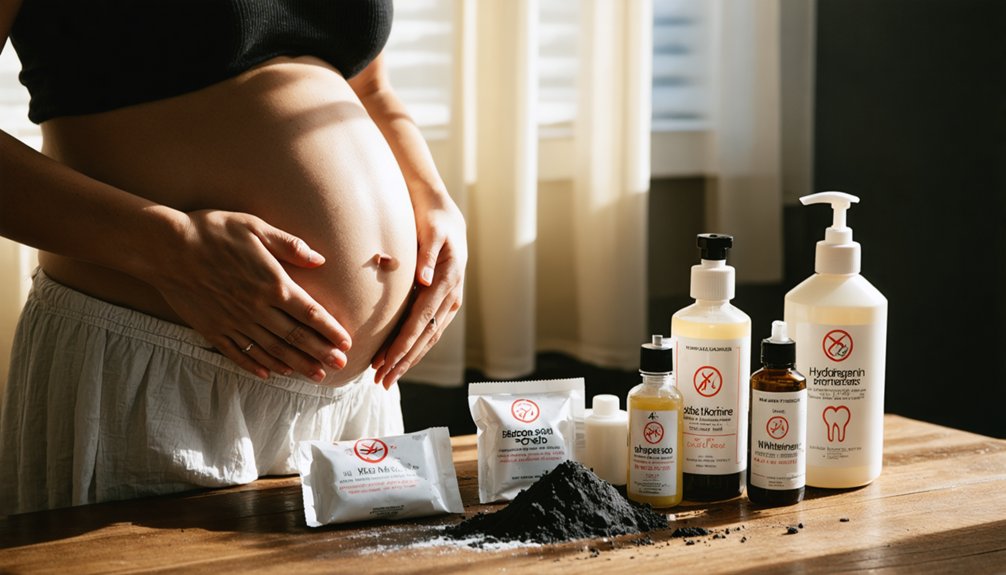
During pregnancy, you’re at higher risk for cavities, gingivitis, and enamel erosion due to hormonal shifts, morning sickness, and reduced saliva flow. Brush twice daily with fluoridated toothpaste, floss once daily, and rinse with an alcohol-free fluoridated mouthwash. After vomiting, rinse with a baking soda solution and wait up to 60 minutes before brushing. Schedule routine dental visits throughout all trimesters. Everything you need to protect both your smile and your baby is covered ahead.
Key Takeaways
- Brush twice daily with fluoridated toothpaste and floss once daily to control plaque and reduce pregnancy-related gum inflammation.
- Use an alcohol-free, fluoridated mouthwash nightly to suppress bacteria and protect enamel throughout pregnancy.
- After vomiting, rinse with baking soda solution and wait 30–60 minutes before brushing to prevent enamel erosion.
- Eat calcium-rich dairy, leafy greens, and fibrous fruits to strengthen enamel and support healthy gum tissue.
- Schedule regular dental visits each trimester, informing your dentist of your pregnancy for safe, tailored treatment.
Why Pregnancy Raises Your Cavity and Gum Disease Risk
During pregnancy, your body undergoes hormonal shifts that heighten your gum tissue’s sensitivity to plaque, increasing your susceptibility to gingivitis and periodontal disease. Elevated hormone levels amplify gum sensitivity, triggering inflammation even with minimal plaque accumulation.
Hormonal shifts during pregnancy heighten gum sensitivity to plaque, making inflammation and periodontal disease significantly more likely.
Simultaneously, frequent vomiting raises oral acidity, directly compromising enamel and accelerating cavity formation. Reduced saliva flow further undermines cavity prevention by eliminating a key neutralizing defense against bacterial acids.
These compounding risk factors make proactive oral management non-negotiable. Poor periodontal health during pregnancy correlates clinically with preeclampsia, preterm birth, and low birth weight—outcomes you can meaningfully influence.
Understanding these mechanisms gives you the knowledge to act decisively. Controlling plaque levels, managing dietary choices, and maintaining consistent hygiene routines are your most effective tools against pregnancy-related oral deterioration.
How Pregnancy Hormones Attack Your Gums and Enamel
As pregnancy progresses, rising estrogen and progesterone levels directly compromise both your gum tissue integrity and enamel strength. These hormones amplify your immune response to plaque bacteria, triggering accelerated gum inflammation even when your hygiene routine remains consistent. Your gums become hypersensitive, bleeding more readily and creating entry points for periodontal disease.
Simultaneously, frequent vomiting exposes your enamel to stomach acid, initiating enamel erosion that permanently weakens tooth structure.
Reduced saliva flow during pregnancy compounds this damage, since saliva neutralizes acids and remineralizes enamel naturally. You can’t reverse existing erosion, but you can halt its progression by rinsing with baking soda solution after vomiting, waiting 30 minutes before brushing, and applying fluoridated toothpaste daily to strengthen remaining enamel.
Daily Oral Care Habits That Are Safe During Pregnancy
Maintaining strong oral hygiene during pregnancy starts with brushing twice daily using fluoridated toothpaste and flossing once daily to control plaque and reduce gingival inflammation.
Choose an alcohol-free, fluoridated mouthrinse for your nightly rinse, as alcohol-containing products are best avoided during pregnancy.
If vomiting occurs, rinse immediately with a baking soda solution—one teaspoon per cup of water—and wait at least 20 minutes before brushing to protect enamel from acid erosion.
Brushing And Flossing Basics
Keeping your teeth and gums healthy during pregnancy starts with two non-negotiable habits: brushing and flossing.
Brush twice daily using a soft-bristled toothbrush and fluoridated toothpaste — your toothbrush technique matters. Use gentle, circular motions along the gumline to remove plaque without irritating sensitive tissue. Replace your toothbrush every three to four months or sooner if bristles fray.
For flossing tips, floss once daily to clear interdental spaces where your brush can’t reach. If string floss causes discomfort, switch to a water flosser or interdental cleaner — both deliver results.
Hormonal changes during pregnancy make your gums more reactive to plaque, so consistency isn’t optional. These two habits form the foundation of your oral health protocol and directly reduce your risk of gingival disease and cavities.
Safe Mouthwash Choices
Rounding out your daily routine, mouthwash adds a protective layer that brushing and flossing alone can’t fully replicate.
During pregnancy, choosing a safe mouthwash means selecting alcohol-free options formulated with fluoride. Alcohol-containing rinses can irritate sensitive oral tissues and aren’t recommended during gestation.
Rinse nightly with an alcohol-free, fluoridated mouthrinse to strengthen enamel and reduce bacterial load between brushing sessions.
If morning sickness disrupts your routine, use a baking soda rinse immediately after vomiting, wait 20–60 minutes, then follow with your fluoridated rinse. This sequence protects softened enamel from abrasion while neutralizing acid exposure.
Xylitol-containing rinses offer an additional advantage, actively suppressing decay-causing bacteria.
Consistent nightly use gives you measurable control over cavity and gum disease risk throughout pregnancy.
Post-Vomiting Oral Care
When morning sickness strikes, your instinct to brush immediately afterward can actually damage your teeth. Vomiting effects include elevated mouth acidity, which temporarily softens enamel and heightens dental sensitivity. Brushing during this vulnerable window accelerates enamel erosion.
Instead, neutralize acid immediately by rinsing with one teaspoon of baking soda dissolved in a cup of water. Follow that rinse with a fluoridated mouthwash or a thin smear of fluoridated toothpaste across your teeth.
Wait 20–60 minutes before brushing to allow enamel to reharden.
Consistent application of this protocol reduces cumulative acid damage throughout your pregnancy. You’re not simply managing discomfort — you’re actively protecting enamel integrity during a period when caries risk is already elevated.
The Right Toothbrush and Toothpaste for Pregnancy
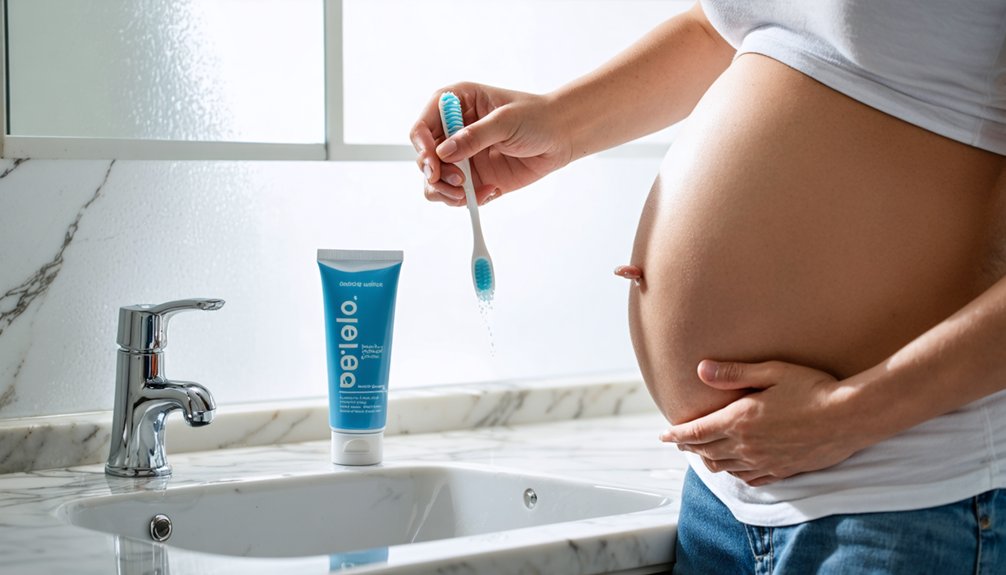
Choosing the right toothbrush and toothpaste during pregnancy can make a measurable difference in your oral health. Hormonal shifts increase gum sensitivity, making your toothbrush types and toothpaste ingredients critical decisions.
Follow these evidence-based selections:
- Choose a soft-bristled toothbrush to minimize gum trauma without sacrificing plaque removal.
- Select fluoridated toothpaste to actively strengthen enamel and reduce cavity risk.
- Avoid toothpaste with harsh abrasives or strong flavors if nausea intensifies your gag reflex.
- Replace your toothbrush every 3–4 months or immediately when bristles fray.
These targeted choices directly reduce your susceptibility to pregnancy-related caries and gingival inflammation, putting measurable control over your oral health firmly in your hands.
What to Do for Your Teeth After Morning Sickness
Instead, rinse promptly with one teaspoon of baking soda dissolved in a cup of water. This neutralizes acid and supports enamel protection without causing damage.
Follow the rinse with a fluoridated mouthwash for added mineral reinforcement.
Wait 20–60 minutes before brushing. When you do brush, use fluoridated toothpaste to strengthen vulnerable enamel.
You can also apply a thin smear of fluoridated toothpaste without rinsing afterward.
Consistent post-vomiting protocols greatly reduce your long-term cavity risk.
Pregnancy-Safe Foods That Strengthen Your Teeth

What you eat during pregnancy directly affects both your dental health and your baby’s developing teeth. Strategic nutrient timing and smart calcium sources give you measurable control over outcomes.
Prioritize these four foods:
- Dairy products — milk, yogurt, and cheese deliver concentrated calcium sources that remineralize enamel efficiently.
- Leafy greens — kale and spinach provide calcium plus folic acid, directly supporting gum tissue integrity.
- Fruits and vegetables — fibrous textures stimulate saliva production, naturally neutralizing oral acids.
- Fluoridated water — drinking between meals rinses decay-promoting sugars and delivers systemic fluoride benefits.
Distribute calcium sources across meals to optimize absorption.
Limit sugary snacks, and rinse immediately with fluoridated mouthwash when you do consume them.
Is It Safe to Visit the Dentist While Pregnant?
Visiting the dentist while you’re pregnant isn’t only safe but also recommended, as routine exams, X-rays, local anesthesia, and pain medication pose no significant risk to you or your baby.
You should schedule an appointment if your last visit was more than six months ago or if you’re experiencing any oral health concerns.
Always inform your dentist of your pregnancy and due date so they can tailor your care appropriately.
Safety of Dental Visits
Although many pregnant women worry about dental appointments, routine dental care — including X-rays, local anesthesia, and pain medication — is safe throughout all trimesters of pregnancy.
Don’t let dental anxiety derail your treatment timeline. Staying proactive protects both you and your baby.
Follow these four evidence-based steps:
- Schedule an exam if your last visit was over six months ago or if any issues have developed.
- Inform your dentist of your pregnancy and due date immediately.
- Proceed with X-rays when clinically necessary — shielding minimizes exposure effectively.
- Accept recommended treatments without delay; untreated infections pose greater risks than dental procedures.
Preventive maintenance reduces plaque and caries, directly lowering your risk of pregnancy complications linked to poor oral health.
Informing Your Dentist
Telling your dentist you’re pregnant is one of the most important steps you can take to protect your oral health during this time. Open dentist communication guarantees your provider tailors treatment to your specific pregnancy concerns, minimizing unnecessary risks.
Share your due date, current medications, and any complications with your dental team before treatment begins. This allows them to adjust positioning, defer elective procedures to the second trimester, and select pregnancy-safe medications when needed.
Withholding this information limits their ability to make informed clinical decisions on your behalf. Your dentist can’t protect what they don’t know.
Proactive disclosure puts you in control of your care, enabling precise, evidence-based decisions that safeguard both your oral health and your baby’s development throughout every trimester.
How Your Oral Health Directly Affects Your Baby
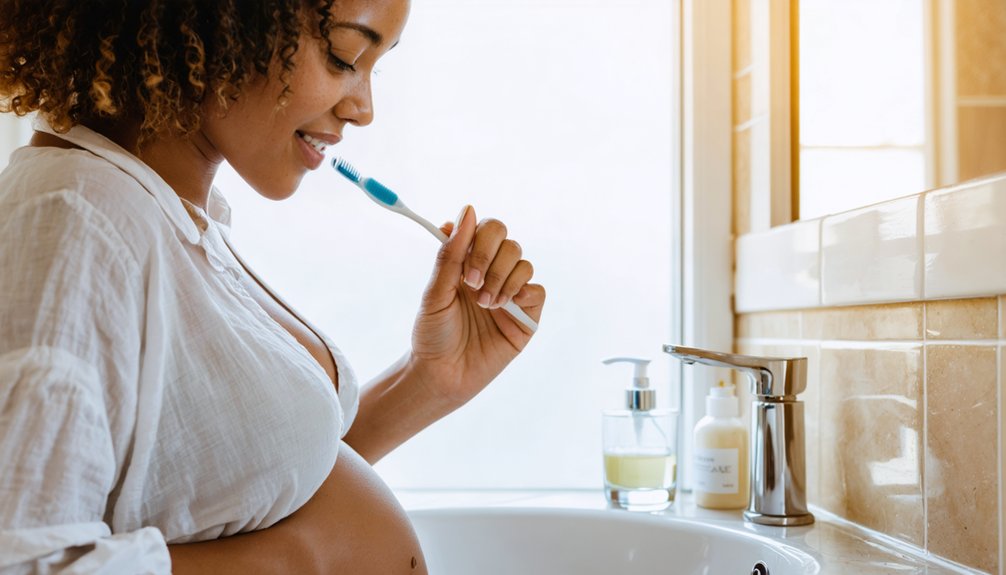
Many expectant mothers don’t realize that the state of their oral health directly influences their baby’s development and delivery outcomes. Gum inflammation and plaque buildup introduce oral bacteria into your bloodstream, triggering systemic responses that compromise maternal wellness.
Research directly links poor dental hygiene to:
- Preterm birth caused by inflammatory bacterial pathways
- Low birth weight linked to untreated periodontal infection
- Preeclampsia associated with elevated oral bacterial load
- Developmental complications stemming from compromised pregnancy nutrition
Managing tooth sensitivity and reducing dental anxiety shouldn’t delay your care—both conditions are treatable and controllable.
Your baby’s health trajectory begins with your mouth. Prioritizing oral health now gives you measurable influence over your delivery outcomes and your child’s earliest developmental environment.
Mouthwash, Xylitol, and Water Flossing During Pregnancy
Beyond brushing and flossing, targeted products like alcohol-free fluoridated mouthrinse, xylitol mints, and water flossers meaningfully strengthen your oral defense during pregnancy.
Rinse nightly with alcohol-free fluoridated mouthrinse to suppress bacterial activity without alcohol’s drying effects. After sugary snacks, rinse immediately to neutralize acid exposure.
Xylitol benefits include actively reducing decay-causing bacteria, making xylitol mints a strategic between-meal tool. Use them consistently to maintain a lower-risk oral environment throughout each trimester.
Water flosser advantages become especially relevant if string flossing causes gum discomfort or bleeding due to hormonal sensitivity.
A water flosser delivers targeted pressure, clearing debris from interdental spaces effectively. You’re not replacing flossing—you’re reinforcing it with precision tools your changing body genuinely needs right now.
Frequently Asked Questions
Can Pregnancy Gingivitis Permanently Damage Teeth Even After Giving Birth?
Like a slow-burning ember, untreated gingivitis symptoms can spark long-term effects beyond birth. Yes, it can permanently damage teeth. You’ll risk bone loss and tooth loss if you don’t maintain consistent oral hygiene habits postpartum.
Are Electric Toothbrushes Safer Than Manual Ones During Pregnancy?
Both options are safe. Electric toothbrush benefits include superior plaque removal, but manual toothbrush effectiveness remains clinically proven when you use proper technique. You’ll achieve ideal gum protection during pregnancy by consistently using a soft-bristled option either way.
Should I Tell My OB-GYN About My Dental Treatments During Pregnancy?
Your health is a bridge—keep both sides strong. Yes, you should tell your OB-GYN about your dental hygiene routine and treatment options, as coordinated care guarantees you’re making informed, safe decisions throughout your pregnancy.
Can Poor Oral Health Affect My Ability to Conceive Before Pregnancy?
Research suggests infertility links exist with poor oral hygiene. You’ll reduce reproductive risks by maintaining consistent oral care, as gum disease-related inflammation can disrupt hormonal balance, potentially compromising your fertility before you even conceive.
Is Teeth Whitening Safe to Use During the Postpartum Breastfeeding Period?
While your smile’s screaming for a glow-up, hold off on whitening options until you’ve finished breastfeeding. Current evidence doesn’t confirm breastfeeding safety with whitening agents, so you’ll want to consult your dentist before proceeding.
References
- https://pmc.ncbi.nlm.nih.gov/articles/PMC6883753/
- https://www.mchoralhealth.org/PDFs/OralHealthPregnancyHandout.pdf
- https://adanews.ada.org/huddles/maintaining-good-oral-health-during-pregnancy/
- https://www.betterhealth.vic.gov.au/health/healthyliving/pregnancy-and-teeth
- https://www.cdc.gov/oral-health/hcp/conversation-tips/talking-to-pregnant-women-about-oral-health.html
- https://www.dshs.texas.gov/sites/default/files/dental/pdf/TX-DSHS-OHIP-Guide-duringpreg-english-accessible-(Final).pdf
- https://www.parkview.com/blog/tips-for-protecting-oral-health-during-pregnancy
- https://www.hrsa.gov/oral-health/pregnancy