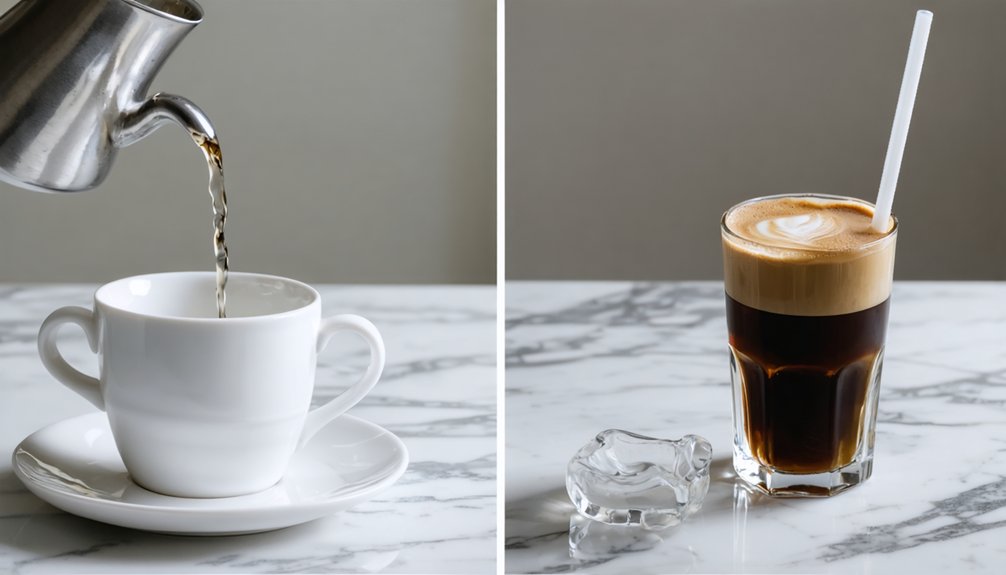
You can remove coffee stains from your teeth using treatments that range from simple at-home remedies to professional dental procedures. Baking soda pastes, whitening toothpaste, and hydrogen peroxide strips tackle surface stains effectively. For deeper discoloration, prescription overnight treatments and professional whitening sessions can lighten your teeth several shades. Coffee’s tannins and acidity make consistent treatment essential for lasting results, and there’s much more to uncover about each option below.
Key Takeaways
- Whitening toothpaste uses mild abrasives to remove surface coffee stains but won’t effectively treat deeper discoloration.
- Whitening strips contain hydrogen peroxide that penetrates enamel to break down stubborn coffee stains.
- Baking soda mixed with hydrogen peroxide creates an effective paste for removing coffee stains when used weekly.
- Prescription overnight treatments use carbamide peroxide gel in custom mouthguards for deeper, longer-lasting stain removal.
- Professional dental whitening with high-concentration peroxide gels can lighten teeth several shades in a single session.
Why Coffee Stains Your Teeth in the First Place
Coffee stains your teeth because of tannins—naturally occurring polyphenolic compounds that bind to the proteins in tooth enamel, leaving behind yellowish or brownish discoloration.
Tannins create a sticky surface layer that traps pigmented molecules, accelerating visible staining with each cup you consume.
Coffee acidity compounds this problem considerably. Acidic beverages soften enamel temporarily, making its surface more porous and receptive to pigment absorption.
Repeated exposure accelerates enamel erosion, progressively weakening your tooth’s outermost protective layer and deepening discoloration over time.
Understanding this mechanism gives you an advantage. You’re not simply dealing with surface grime—you’re managing a chemical interaction between organic compounds and biological tissue.
That distinction directly informs which dental procedures will effectively restore your teeth’s natural appearance.
How to Use Baking Soda and Hydrogen Peroxide on Coffee Stains
To remove coffee stains with baking soda, apply a small amount directly to your toothbrush or mix it with hydrogen peroxide to form a paste. Then brush gently over stained areas for two minutes.
For a hydrogen peroxide rinse, dilute it 50/50 with water. Swish the solution around your mouth for 30 to 60 seconds, and rinse thoroughly afterward to protect your gums.
Limit both methods to one or two times per week to prevent enamel damage and oral irritation.
Baking Soda Paste Application
Mixing baking soda with hydrogen peroxide creates a simple yet effective paste for targeting coffee stains at home. The baking soda benefits come from its mild abrasive properties, which physically scrub surface discoloration while the peroxide delivers a chemical bleaching action.
To control paste consistency, combine one teaspoon of baking soda with enough hydrogen peroxide to form a thick, spreadable mixture — avoid a runny texture that reduces contact time on stained areas.
Apply the paste directly onto stained teeth using a soft-bristled brush, focusing on discolored surfaces. Brush gently for two minutes, then rinse thoroughly.
Limit application to once or twice weekly to prevent enamel erosion. Overuse undermines the enamel integrity you’re working to protect, so strict frequency discipline is essential.
Hydrogen Peroxide Rinse Steps
Hydrogen peroxide rinses offer a straightforward, chemical-based approach to loosening coffee stains between brushing sessions. To execute this correctly, you’ll need to follow a precise protocol that protects your enamel while maximizing stain breakdown.
Start by mixing a 50/50 dilution ratio of hydrogen peroxide and water. This concentration delivers effective oxidizing action without irritating your gum tissue.
Next, swish the solution vigorously for a rinse duration of 30 to 60 seconds, targeting stained surfaces directly. Afterward, rinse thoroughly with plain water to clear residual peroxide from your gums.
Limit this method to one or two sessions weekly. Exceeding that frequency risks gum irritation and enamel sensitivity.
Consistent, controlled application keeps coffee discoloration manageable without compromising your oral tissue integrity.
Weekly Usage Frequency Guidelines
Baking soda and hydrogen peroxide extend your whitening toolkit beyond rinses alone, but both carry the same enamel-safety constraint: limit applications to one or two sessions per week. Exceeding this threshold risks abrading enamel and irritating gum tissue, undermining your long-term dental hygiene goals.
For baking soda home remedies, brush the paste directly onto stained surfaces for targeted removal, then rinse thoroughly.
When combining baking soda with hydrogen peroxide, apply the mixture to discolored areas, focusing your attention precisely where coffee stains concentrate. Alternate these methods strategically across your weekly schedule rather than stacking both on the same day.
Maintaining this disciplined frequency preserves enamel integrity while delivering consistent stain reduction, keeping your whitening regimen both effective and clinically responsible.
Can Whitening Toothpaste Keep Coffee Stains Away?
Whitening toothpaste can help keep coffee stains at bay, but its effectiveness depends on consistent use and realistic expectations. It works by using mild abrasives like sodium bicarbonate and calcium carbonate to scrub surface discoloration, restoring your teeth’s natural color without chemical bleaching.
Whitening toothpaste uses mild abrasives to scrub away surface coffee stains, restoring your teeth’s natural color without chemical bleaching.
For whitening effectiveness, it outperforms doing nothing, but it won’t eliminate deep stains the way hydrogen peroxide strips do.
You’ll also need to prioritize enamel safety. Despite softer abrasive formulas, overusing whitening toothpaste risks gradual enamel wear. Stick to manufacturer guidelines and avoid aggressive brushing.
If coffee staining is persistent or severe, whitening toothpaste alone won’t deliver the results you need. Consider pairing it with stronger treatments like whitening strips or professional options for more thorough stain control.
How Whitening Strips Break Down Coffee Stains
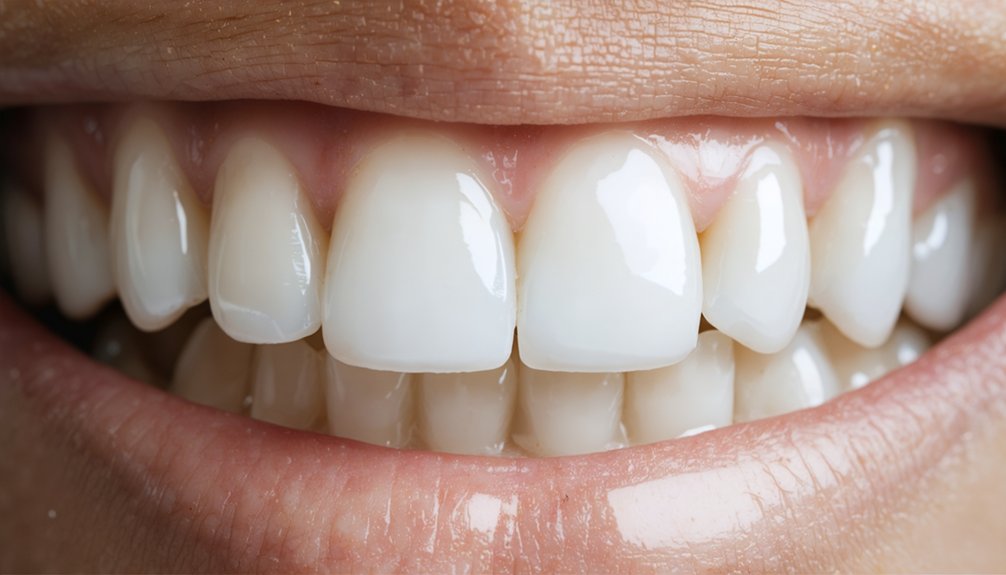
When you apply whitening strips, the hydrogen peroxide they contain penetrates enamel and breaks down the molecular bonds that hold coffee stains in place, effectively lifting discoloration without bleach.
You’ll find these strips available over-the-counter, making them a convenient at-home option that research confirms outperforms whitening toothpaste in stain removal.
However, you should be aware that the peroxide can trigger dental sensitivity and may alter your oral microbiome, so monitor your response carefully during treatment.
Hydrogen Peroxide Stain Breakdown
Hydrogen peroxide is the active ingredient in whitening strips that chemically breaks down coffee stains at the molecular level. When you apply the strip, the peroxide concentration penetrates your enamel and oxidizes the chromogen compounds responsible for discoloration.
This oxidation process severs the chemical bonds that bind coffee pigments to your tooth structure, effectively neutralizing the stain.
You control the degree of whitening by selecting strips with varying peroxide concentrations—higher levels yield faster, more dramatic results but increase sensitivity risk.
For stain prevention, consistent strip use following your coffee consumption creates a proactive defense against pigment buildup.
Unlike abrasive toothpastes that merely scrub surface stains, hydrogen peroxide targets discoloration beneath the enamel surface, delivering results that are both deeper and longer-lasting.
Over-The-Counter Application Process
Applying over-the-counter whitening strips is a straightforward process that delivers measurable results when you follow the protocol correctly. To maximize over the counter effectiveness, start with clean, dry teeth before applying the strips—moisture reduces adhesion and limits hydrogen peroxide contact with enamel.
Align each strip precisely along your gum line, pressing firmly to eliminate air gaps that compromise penetration. Follow the manufacturer’s timing guidelines strictly; exceeding recommended wear time increases sensitivity without improving results.
For practical application tips, avoid eating, drinking, or rinsing immediately after removal to allow continued peroxide activity. Use strips consistently across the recommended treatment cycle, typically 14 days, to achieve visible stain reduction.
Expect moderate results on surface coffee stains, though deep discoloration may require prescription-strength alternatives.
Sensitivity And Microbiome Effects
Whitening strips work by releasing hydrogen peroxide directly onto your enamel, where it penetrates the tooth surface and oxidizes the chromogen molecules responsible for coffee discoloration—breaking the chemical bonds that give stains their pigmented appearance.
However, you’ll need to monitor two critical sensitivity risks: temporary nerve irritation and enamel micro-damage from prolonged peroxide exposure. If you experience sharp discomfort during treatment, reduce application frequency immediately.
Beyond sensitivity, hydrogen peroxide carries measurable microbiome impact. Research confirms it disrupts your oral bacterial balance, potentially reducing beneficial microbial populations that regulate pH and fight pathogenic organisms.
You can mitigate this by limiting strip use to manufacturer-recommended intervals. Understanding these physiological trade-offs lets you make precise, informed decisions about incorporating whitening strips into your dental care routine.
Prescription Overnight Treatments for Coffee Stains
For stubborn coffee stains that over-the-counter strips can’t fully address, prescription overnight treatments offer a more powerful solution.
Your dentist provides custom mouthguards fitted to your teeth, paired with carbamide peroxide gel for precise, controlled application. You apply the gel-filled trays while sleeping, allowing the peroxide to penetrate deeper stain layers than standard strips can reach.
These treatments deliver longer-lasting results, giving you greater control over your whitening progress.
However, you’ll need to follow your dentist’s instructions carefully to avoid gum irritation and tooth sensitivity, both common risks associated with peroxide-based treatments. Overuse or improper application can damage soft tissue and enamel.
Used correctly, prescription overnight treatments represent a clinically superior option for persistent coffee discoloration compared to store-bought alternatives.
How Professional Dental Whitening Removes Coffee Stains
Professional dental whitening takes coffee stain removal to its highest level, using high-concentration hydrogen or calcium peroxide gels that penetrate far deeper than any over-the-counter product can achieve.
Your dentist applies these gels with specialized lights or custom trays, activating deep molecular penetration that breaks down stubborn coffee stains at their core. This controlled teeth whitening process lets you lighten several shades in a single session, delivering dramatic, long-lasting results you can’t replicate at home.
Your dentist customizes the treatment to your specific discoloration level, giving you precise control over your outcome.
Pairing professional treatment with consistent stain prevention habits—like rinsing after coffee consumption—extends your results considerably. This in-office approach remains the most effective, safest option for serious coffee stain removal.
Frequently Asked Questions
How Long Does Professional Dental Whitening Typically Last for Coffee Drinkers?
Perfectly polished, professional whitening’s effectiveness duration typically lasts one to three years. You’ll maintain your bright smile by limiting coffee intake, brushing regularly, and scheduling periodic touch-ups to preserve those dramatically lightened, long-lasting results.
Are Whitening Procedures Safe for People With Sensitive Teeth or Gums?
If you’ve got sensitive teeth, you’ll want to approach whitening cautiously. Peroxide-based treatments can heighten sensitivity, so consult your dentist for safer whitening alternatives, like lower-concentration formulas or baking soda methods, that minimize gum and enamel irritation.
How Soon After Whitening Can You Safely Drink Coffee Again?
Teeth absorb stains 40% faster post-whitening. You should wait 48 hours before drinking coffee again to protect your whitening timeline. During this window, explore coffee alternatives like herbal teas to maintain your results effectively.
Can Dental Whitening Procedures Damage Existing Crowns or Veneers?
Whitening procedures won’t damage crowns or veneers, but they won’t lighten them either, creating color mismatches. You’ll need to prioritize crown longevity and veneer care by consulting your dentist before starting any whitening treatment.
How Many Whitening Sessions Are Needed for Severe Coffee Staining?
Like peeling back layers of fog, severe coffee stains typically need 6–8 professional sessions. You’ll accelerate results by combining home remedies like baking soda rinses, then apply maintenance tips—limiting coffee intake and using whitening toothpaste weekly.
References
- https://www.goodrx.com/conditions/dental-care/remove-coffee-stains-teeth
- https://www.giangrecofamilydental.com/6-ways-to-remove-coffee-stains-from-your-teeth/
- https://www.averydentalwellness.com/how-to-remove-coffee-stains-from-teeth-naturally/
- https://dentistinmanvel.com/goodbye-to-coffee-stains-8-effective-methods-to-brighten-your-smile/
- https://abc123dental.com/best-ways-to-remove-coffee-stains-from-your-teeth-safely
- https://www.baymeadowsparkdental.com/how-to-remove-coffee-stains-from-your-teeth/
- https://www.eastpeoriadental.com/blog/how-can-i-remove-coffee-stains-from-my-teeth
- https://holleydental.com/blog/3-way-to-eliminate-coffee-stains-on-teeth/
- https://www.gcfamilydental.com/how-to-remove-coffee-stains-from-teeth/