Turmeric can help reduce plaque and freshen your mouth, but it won’t actually whiten your teeth — there’s no clinical evidence supporting those popular claims. You can use a simple turmeric paste two to three times weekly, but incomplete rinsing may temporarily stain your enamel yellow. Dentists agree it acts as a pigment, not a bleaching agent. If you want the full picture on using turmeric safely in your oral care routine, keep going.
Key Takeaways
- Mix ¼ tsp turmeric with coconut oil to create a basic paste, brush for 2 minutes, and rinse thoroughly to prevent staining.
- Add baking soda to your turmeric paste for mild abrasiveness, which can improve surface cleanliness and make teeth appear brighter.
- Limit turmeric paste application to 2–3 times weekly to reduce the risk of temporary yellow staining from incomplete rinsing.
- Rinse completely after each application, as turmeric is a pigment that can temporarily stain porous enamel if residue remains.
- After six weeks without visible improvement, consult a dentist, as turmeric has no clinically proven whitening compounds.
Does Turmeric Actually Whiten Teeth?
Whether turmeric can actually whiten teeth is a question worth examining carefully before you commit to rubbing a bright yellow spice on your enamel. The short answer: it can’t. The American Dental Association confirms no clinical evidence supports turmeric’s ability to lift stains or alter natural enamel color. No research has tested it as a legitimate natural stain removal agent.
What turmeric may do is reduce plaque, making teeth appear slightly cleaner — but that’s not whitening. You’re not changing enamel color; you’re improving surface cleanliness.
Enamel safety is another concern — turmeric’s intense pigment can temporarily stain porous enamel if you don’t rinse thoroughly. Before you invest weeks into a turmeric regimen, understand its actual limitations versus what popular claims suggest.
What Dentists Say About Turmeric Teeth Whitening
Most dental professionals are clear on this: turmeric can’t whiten your teeth. Despite traditional beliefs and natural remedies gaining popularity, the American Dental Association confirms no clinical evidence supports turmeric’s ability to lift stains or lighten enamel. You’re not getting a whitening agent — you’re getting a pigment.
Here’s what dentists want you to know:
- Turmeric contains zero whitening compounds — it can’t chemically alter your enamel color, regardless of how often you apply it.
- No research supports teeth-whitening claims — every promise you’ve read is anecdotal, not evidence-based.
- Incomplete rinsing can temporarily stain your teeth yellow — the very opposite of your goal.
You deserve accurate information before committing to any oral care routine. Trust the science, not the trend.
Best Turmeric Paste Recipes for Brighter Teeth
Despite the lack of clinical support for turmeric as a whitening agent, many people still choose to use it as part of their oral care routine. If you’re pursuing natural stain removal through herbal dental care, these recipes offer structured options.
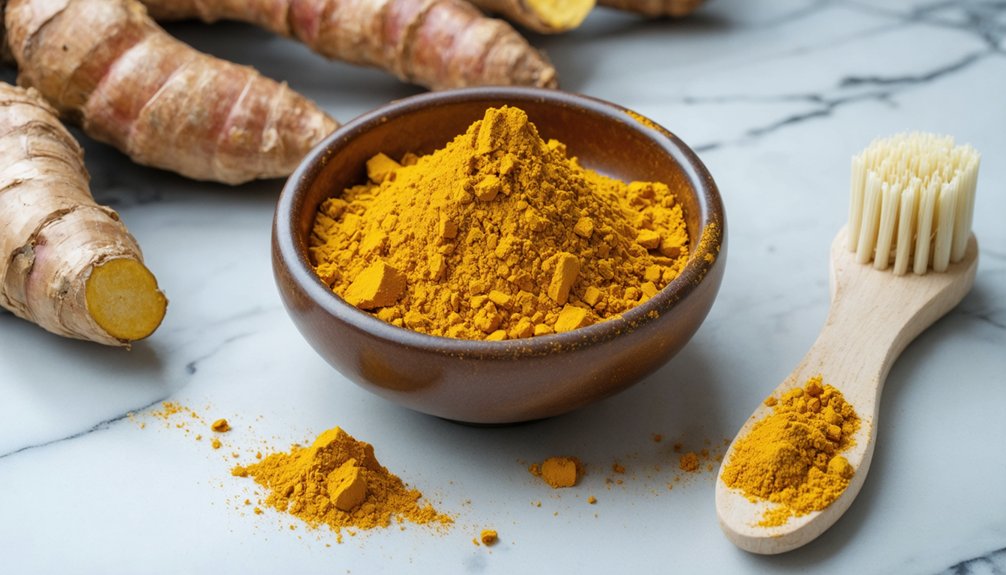
Basic Paste: Mix ¼ teaspoon turmeric with 1/8 teaspoon melted coconut oil. Brush gently for two minutes, then rinse thoroughly.
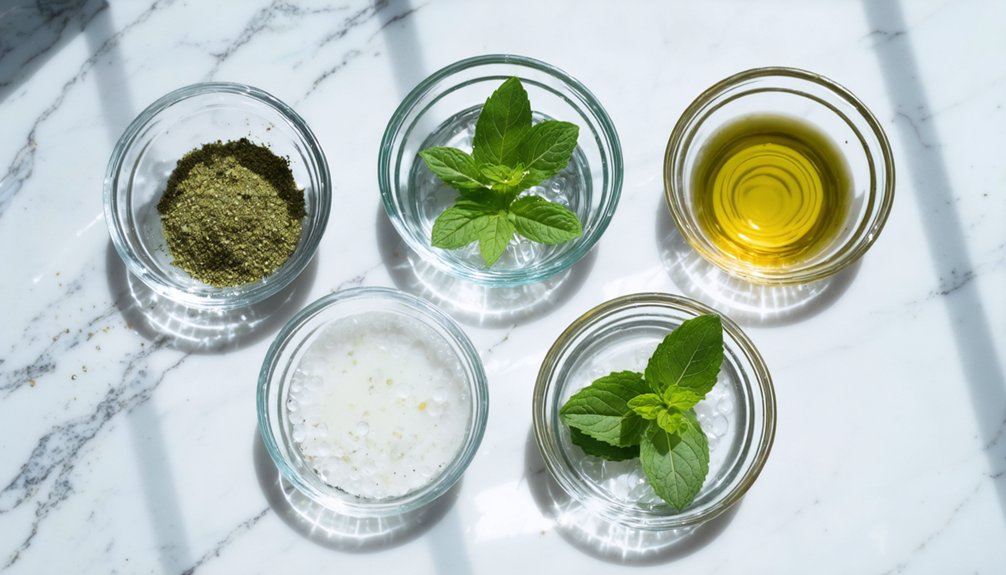
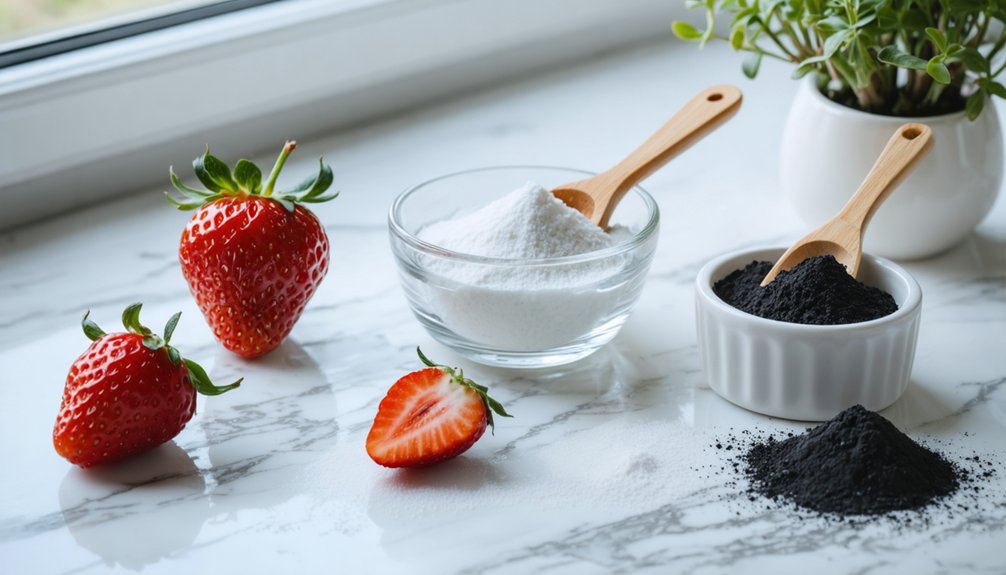
Enhanced Paste: Add ¼ teaspoon baking soda and one drop of mint extract to the basic paste for additional cleansing potential.
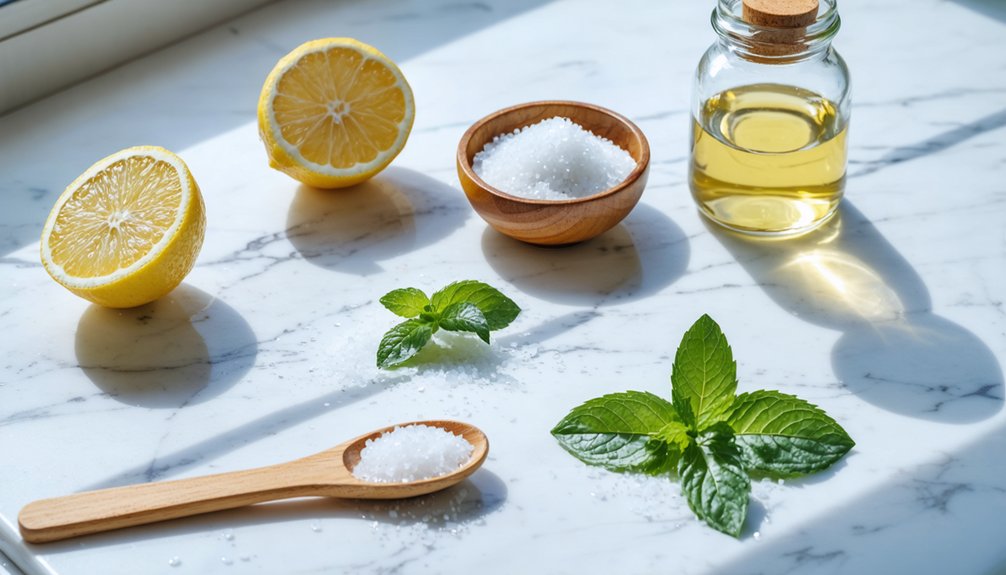
Salt-Lemon Paste: Combine 1 teaspoon turmeric, a pinch of salt, and lemon juice. Apply briefly, then rinse completely.
Regardless of which recipe you choose, limit use to two or three times weekly. Incomplete rinsing may cause temporary yellow staining on porous enamel.
What to Add to Turmeric Paste for Whiter Teeth
Enhancing your turmeric paste with certain ingredients may improve its cleansing potential, though none can compensate for turmeric’s lack of true whitening agents. Like other natural dyes and herbal remedies, turmeric works best when paired strategically:
Turmeric has cleansing potential, but pairing it strategically with the right ingredients unlocks its greatest benefits.
- Baking soda adds mild abrasiveness that may help remove surface debris, but it won’t alter your enamel’s natural color.
- Coconut oil contributes antibacterial properties that support gum health and reduce plaque buildup, making teeth appear cleaner.
- Lemon juice or salt may address minor discoloration, though their acidic or abrasive nature can damage enamel with overuse.
You’re in control of what you apply to your teeth. Choose additions carefully, prioritize dental professional guidance, and recognize that no combination of these ingredients replaces clinically proven whitening treatments.
How Often Should You Use Turmeric on Teeth?
While there’s no universal agreement on frequency, most sources suggest limiting turmeric applications to no more than once daily, with many recommending just 2–3 times per week over a 4–6 week period. This measured approach helps you monitor dietary impact, particularly if you regularly consume stain-causing foods and beverages that compromise results.
For stain prevention, consistency matters more than frequency. Overuse won’t accelerate whitening since turmeric lacks actual bleaching agents, and excessive application increases your risk of temporary yellow discoloration from incomplete rinsing.
Some practitioners suggest a daily turmeric water rinse as a lower-intensity alternative.
Track your results objectively. If you notice no visible improvement after six weeks of structured use, consult a dental professional about clinically validated whitening options instead.
Frequently Asked Questions
Can Turmeric Permanently Stain Your Teeth Yellow if Used Incorrectly?
No, turmeric won’t permanently stain your teeth, but its staining potential is real if you don’t rinse thoroughly. Follow proper usage precautions—rinse completely after each application—and you’ll avoid any temporary yellow discoloration on porous enamel.
Is Turmeric Teeth Whitening Safe for People With Sensitive Teeth?
Like walking a tightrope, natural remedies demand caution. If you’ve got sensitive teeth, safety considerations matter—turmeric’s abrasive texture can aggravate sensitivity. You’ll want to consult your dentist before trying it.
Can Children Safely Use Turmeric Paste for Oral Care Purposes?
You shouldn’t use turmeric paste for children’s oral care without consulting a pediatric dentist first. No dosage guidelines exist for children’s safety, and the ADA confirms there’s no clinical evidence supporting turmeric’s effectiveness for dental whitening.
Does Turmeric Interact Negatively With Existing Dental Work or Veneers?
Turmeric’s staining risks make dental compatibility a real concern. If you’ve got veneers or restorations, turmeric’s intense pigment can discolor porous surfaces. You should consult your dentist before applying turmeric paste near existing dental work.
Can Turmeric Replace Regular Toothpaste Entirely for Daily Oral Hygiene?
You can’t trade your shield for a spear—turmeric isn’t a complete natural remedy for daily dental hygiene. It lacks fluoride and proven whitening agents, so you should keep regular toothpaste as your primary oral health tool.
References
- https://www.healthline.com/health/turmeric-teeth-whitening
- https://www.youtube.com/watch?v=cFjWO4sOdTA
- https://danforthdentistry.com/turmeric-for-teeth/
- https://en.tempo.co/read/923605/4-turmeric-recipes-to-whiten-teeth
- https://www.wellness.guide/turmeric-for-teeth-whitening/
- https://www.rowleyfamilydentistry.com/blog/natural-radiance-can-i-use-turmeric-to-whiten-my-teeth/
- https://www.natrusmile.com/blogs/news/using-turmeric-for-teeth-whitening
- https://www.youtube.com/watch?v=wbWhw1Vdtu8
- https://www.cleansmilecentral.com/featured/turmeric-for-teeth-whitening-the-ultimate-guide/