To whiten your teeth effectively, you’ll need to combine consistent daily habits with smart dietary choices. Brush twice daily for two minutes, floss once daily, and rinse with antiseptic mouthwash. Limit staining beverages like coffee, tea, and red wine, and use a straw when possible. You can safely incorporate baking soda or diluted hydrogen peroxide weekly, and schedule professional cleanings every six months. The strategies ahead cover everything you need for lasting, damage-free results.
Key Takeaways
- Brush twice daily, floss once, and rinse with antiseptic mouthwash to control plaque and maintain a brighter smile.
- Limit staining beverages like coffee and red wine; use a straw and rinse with water afterward.
- Use baking soda mixed with water weekly as a gentle, effective surface stain remover.
- Professional in-office whitening treatments deliver superior, longer-lasting results compared to over-the-counter options.
- Avoid overusing whitening products; discontinue if sensitivity occurs and consult a dentist for guidance.
Daily Habits That Keep Your Teeth Whiter
Maintaining white teeth starts with consistent daily oral hygiene. Your oral hygiene routines directly determine how effectively you control plaque and surface stains.
Brush thoroughly for two minutes twice daily using a soft-bristled toothbrush, or upgrade to an electric toothbrush for more effective plaque removal. Floss at least once daily to eliminate buildup between teeth that brushing can’t reach.
Don’t overlook mouthwash benefits — rinsing daily with antiseptic mouthwash kills bacteria responsible for plaque accumulation.
You’ll also want to avoid brushing immediately after consuming acidic foods or drinks, since enamel softens temporarily and becomes vulnerable to erosion. Wait approximately 60 minutes before brushing.
These targeted, evidence-backed habits give you direct control over your teeth’s appearance and long-term enamel health.
Which Foods and Drinks Stain Your Teeth the Most?
Several beverages rank among the worst offenders for tooth discoloration, including coffee, tea, red wine, and soda, all of which contain deeply pigmented compounds that bind to enamel over time.
Strongly colored foods like berries, curry, tomato sauce, and soy sauce cause similar staining effects and should be consumed with caution.
Beyond pigmentation, excess sugar accelerates yellowing by promoting bacterial growth and acid production, which erodes enamel and creates a rougher surface that attracts even more stains.
Common Teeth-Staining Beverages
Certain beverages rank among the most common culprits behind tooth discoloration. Coffee, tea, red wine, and soda consistently cause significant staining due to their chromogenic compounds and acidity. These drinks penetrate enamel over time, making prevention essential.
You can reduce contact by drinking through a straw and rinsing with water immediately afterward. Sipping beverages in one sitting rather than prolonging exposure also limits staining.
Acidic drinks like soda accelerate enamel erosion, which weakens the protective surface that dental sealants and fluoride applications help reinforce. Fluoride applications strengthen enamel against acid attacks, while dental sealants provide a physical barrier that reduces stain absorption.
Limiting these beverages doesn’t require elimination — it requires strategic consumption habits that keep discoloration under your control.
Deeply Pigmented Staining Foods
Beyond beverages, deeply pigmented foods cause just as much — if not more — damage to enamel brightness. Berries, curry, tomato sauce, and soy sauce contain intense chromogens that penetrate enamel and accelerate discoloration.
You should limit these foods strategically rather than eliminate them entirely, maintaining both nutrition and tooth clarity.
After consuming deeply pigmented foods, rinse your mouth with water immediately to reduce surface contact time.
Brush approximately 60 minutes later to avoid enamel erosion.
Some herbal remedies claim stain-fighting properties, but clinical evidence remains limited — prioritize proven dietary adjustments instead.
If staining has already progressed, professional LED whitening delivers measurable results that dietary changes alone can’t reverse.
Controlling what contacts your enamel daily remains your most reliable long-term defense against pigment accumulation.
Sugar’s Role in Discoloration
Sugar accelerates tooth discoloration through a mechanism that goes beyond surface staining — it feeds oral bacteria that produce acids, eroding enamel and making teeth more porous and susceptible to pigment absorption.
Sugar metabolism converts dietary sugars into acidic byproducts, weakening enamel’s crystalline structure over time. Once compromised, your teeth absorb chromogens from other foods and beverages far more readily, compounding tooth discoloration profoundly.
To maintain control over this process, you’ll need to cut back on sugar intake deliberately. Reduce consumption of candies, sweetened beverages, and processed foods.
When you do consume sugar, rinse your mouth with water immediately afterward. Pairing this habit with calcium-rich foods like milk and cheese helps buffer acids and reinforce enamel integrity against further degradation.
How to Drink Coffee and Wine Without Staining Your Teeth
If you can’t give up coffee or wine, you can minimize staining by drinking through a straw to reduce direct contact with your enamel.
After finishing your beverage, rinse your mouth with water immediately to flush away pigment-heavy compounds before they set.
You should also sip your drink in one sitting rather than prolonging exposure, as extended contact time considerably increases staining risk.
Use a Straw
Drinking coffee, tea, red wine, or soda through a straw minimizes direct contact between pigmented liquids and your tooth enamel, reducing the likelihood of surface stains. This protective habit works most effectively when combined with consistent dental flossing and antimicrobial mouth rinses, which target residual bacteria and plaque between teeth.
Position the straw toward the back of your mouth to further limit liquid exposure to anterior teeth. Additionally, consume staining beverages in a single sitting rather than sipping throughout the day, since prolonged contact time increases stain accumulation.
After finishing, rinse immediately with water to flush remaining pigments before they bond to enamel. These targeted strategies give you precise control over discoloration without requiring costly interventions.
Rinse After Drinking
Rinsing your mouth with water immediately after consuming coffee or wine is one of the simplest, most effective strategies for preventing surface stains from bonding to enamel. Water neutralizes acids and dislodges pigment-rich particles before they penetrate.
For enhanced plaque removal, follow with antiseptic mouthwash techniques that eliminate residual bacteria.
Take control of your enamel with these three non-negotiable steps:
- Rinse immediately — every minute you wait increases stain penetration risk.
- Swish vigorously for 30 seconds — passive rinsing won’t displace chromogens effectively.
- Delay brushing 60 minutes — enamel remains softened by acids; brushing prematurely accelerates erosion.
Consistent rinsing interrupts the staining cycle before it starts, giving you measurable, long-term protection.
How to Use Baking Soda and Hydrogen Peroxide Safely for Teeth Whitening
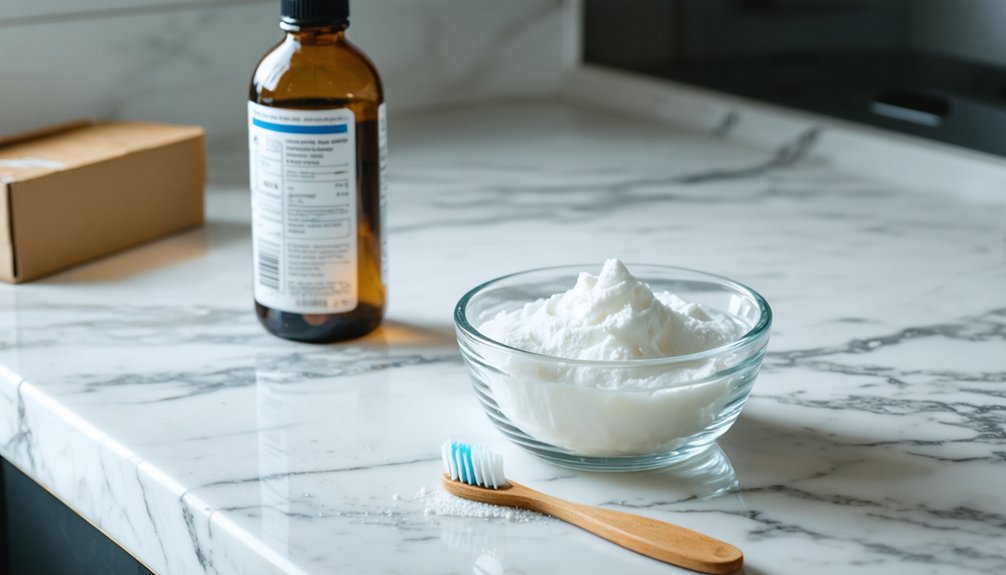
Baking soda and hydrogen peroxide are two commonly used natural agents that can help whiten teeth when applied correctly.
To make a baking soda paste, mix one teaspoon of baking soda with two teaspoons of water. Use it only once weekly to avoid enamel erosion prevention concerns from overuse.
For hydrogen peroxide, apply a 1.5% to 3% concentration as a mouthwash before brushing. You can dilute 3% hydrogen peroxide by mixing equal parts peroxide and water.
Occasionally, you can combine both agents and apply the mixture for one to two minutes, twice daily, for one week.
Pair these practices with proper dental flossing techniques to maximize plaque removal.
Stop use immediately if sensitivity develops and consult your dentist before continuing.
Natural Teeth Whitening Remedies That Are Actually Effective
While baking soda and hydrogen peroxide are well-supported options, other natural remedies can also contribute to a brighter smile when used correctly. You don’t need harsh chemicals to take control of your oral health. Evidence supports these targeted approaches:
Natural remedies can brighten your smile without harsh chemicals — and the evidence firmly supports making the switch.
- Oil pulling — Swish one tablespoon of coconut oil for 10–15 minutes daily to reduce surface bacteria and support a cleaner appearance.
- Dietary calcium — Incorporate milk, cheese, and broccoli to actively protect and strengthen your enamel from within.
- Herbal remedies — Certain herbal options, like neem, have demonstrated antimicrobial properties that support gum health and reduce staining factors.
Consistency is your greatest tool. Each remedy works best when integrated into a structured, daily oral hygiene routine you commit to long-term.
Professional Teeth Whitening Treatments Worth the Investment
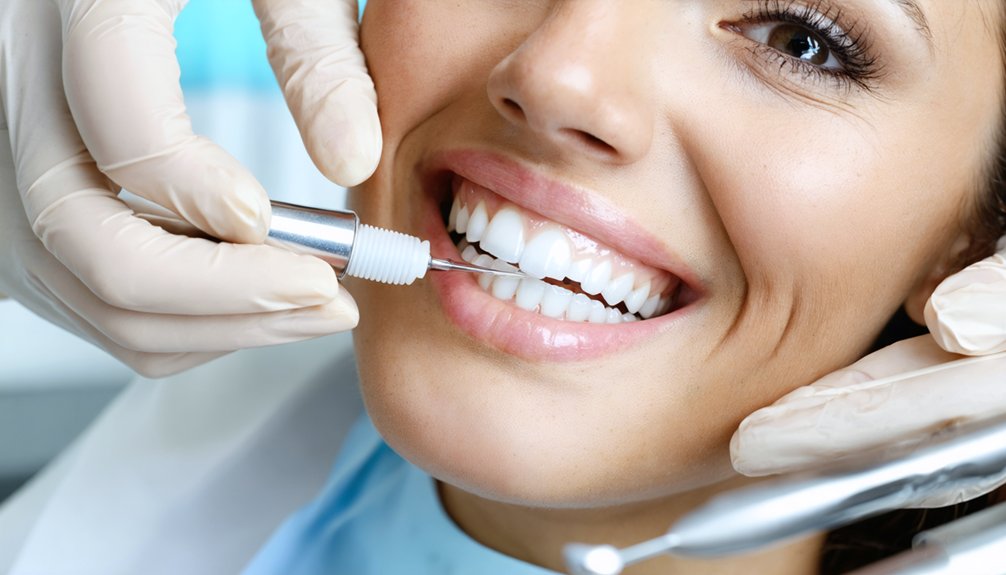
Professional dental treatments deliver results that over-the-counter products simply can’t match. When you invest in in-office whitening, you’re getting clinically controlled concentrations of bleaching agents applied by trained professionals who monitor enamel erosion prevention throughout the process.
Custom-fitted whitening trays, unlike store-bought alternatives, guarantee even distribution and minimize gum irritation.
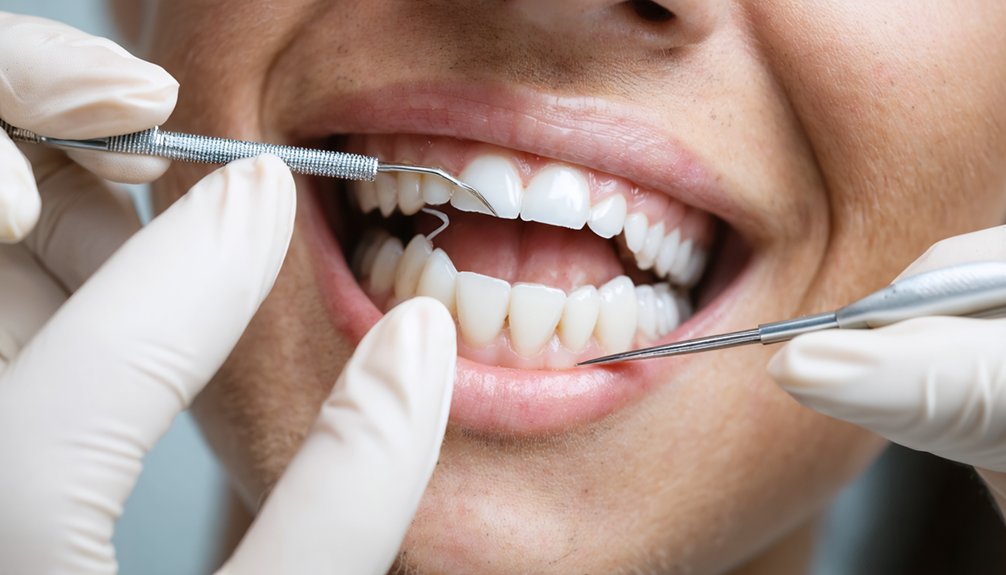
You should schedule professional cleanings every six months, where dentists remove stubborn plaque, tartar, and surface stains that dental flossing techniques alone can’t eliminate. These visits also allow your provider to assess enamel integrity before recommending whitening protocols.
For sustained results, consider touch-up treatments every six months to two years. Taking professional control of your whitening plan means you’re making data-driven decisions rather than gambling on ineffective commercial options.
Teeth Whitening Mistakes That Cause Damage and Sensitivity
Even the best professional treatments can be undermined by harmful habits you may be practicing at home. Enamel erosion and tooth sensitivity are direct consequences of misuse—and they’re largely preventable.
Your whitening results mean nothing if harmful home habits are quietly destroying your enamel from the inside out.
Avoid these critical mistakes:
- Overusing whitening products — Leaving strips or gels on longer than directed accelerates enamel erosion, permanently weakening your teeth’s protective layer.
- Ignoring sensitivity signals — If tooth sensitivity develops, stop whitening immediately for 2–3 days. Pushing through the discomfort causes lasting nerve irritation.
- Using unguided hydrogen peroxide — Applying hydrogen peroxide at home without professional guidance risks uncontrolled chemical exposure, increasing both sensitivity and structural damage.
You control how well your whitening results hold. Respecting these boundaries protects your investment and your long-term dental health.
Frequently Asked Questions
Can Teeth Whitening Treatments Affect Dental Crowns or Veneers?
Like painting only half a canvas, whitening won’t uniformly brighten crowns or veneers. Dental material compatibility matters — cosmetic vs. functional whitening differs here. You should consult your dentist before treatment to avoid mismatched shades.
Is Teeth Whitening Safe During Pregnancy or Breastfeeding?
You should avoid teeth whitening during pregnancy for maximum pregnancy safety, as risks remain unstudied. While breastfeeding considerations are less critical, it’s best to consult your dentist before pursuing any whitening treatments to guarantee complete safety.
At What Age Is Teeth Whitening Appropriate for Teenagers?
Ironically, patience is your best whitening tool. For teen dental health, whitening’s typically appropriate after 14–16, once adult teeth fully erupt. Address cosmetic concerns with a dentist first, as developing enamel’s more vulnerable to sensitivity and damage.
How Long Do Professional Teeth Whitening Results Typically Last?
Your professional whitening results typically last one to two years. Longevity factors include your dietary habits and tobacco avoidance. Cost considerations favor scheduling touch-up treatments every six months to maintain brightness and extend your investment effectively.
Does Teeth Whitening Work on Teeth With Intrinsic Stains?
Intrinsic stains don’t respond well to standard bleaching effectiveness. You’ll need professional in-office treatments or custom-fitted trays for deeper results. Consult your dentist to explore targeted options, as over-the-counter products typically can’t penetrate enamel to address internal discoloration.
References
- https://www.healthline.com/nutrition/whiten-teeth-naturally
- https://www.webmd.com/oral-health/teeth-whitening
- https://longmontdentalloft.com/blog/teeth-whitening-tips/
- https://www.healthpartners.com/blog/safe-teeth-whitening/
- https://health.clevelandclinic.org/how-to-whiten-teeth
- https://www.pleasantfamilydentistry.com/blog/6-natural-ways-to-whiten-your-teeth
- https://www.medicalnewstoday.com/articles/322421
- https://www.gq.com/story/how-to-whiten-teeth-at-home