To whiten teeth safely with hydrogen peroxide, you’ll want to dilute 3% peroxide with water at a 1:1 ratio and swish for no longer than 60 seconds. Never use it undiluted, and limit applications to 2-3 times per week to protect your enamel. Stop immediately if you notice sensitivity or gum irritation, and consult your dentist if symptoms persist. The tips ahead will show you exactly how to get results without the risk.
Key Takeaways
- Dilute 3% hydrogen peroxide with water at a 1:1 ratio before use; never apply undiluted peroxide to protect enamel and gums.
- Swish the diluted solution for 30–60 seconds, then spit and rinse thoroughly to remove all residue effectively.
- Limit hydrogen peroxide whitening to 2–3 times per week to prevent enamel erosion and reduce tooth sensitivity.
- Consult a dentist before whitening if you have cavities, gum disease, or existing tooth sensitivity for safe, effective results.
- Brush twice daily with fluoride toothpaste and avoid acidic foods post-whitening to maintain results and protect enamel.
How Hydrogen Peroxide Bleaches Tooth Enamel
Hydrogen peroxide whitens teeth through a chemical process called oxidation, where the peroxide breaks down into water and oxygen radicals that penetrate the enamel‘s surface. These radicals target discolored molecules responsible for staining, making teeth stain removal possible without physically scrubbing the enamel.
Hydrogen peroxide breaks down into oxygen radicals that penetrate enamel, targeting discolored molecules responsible for staining.
The process works beneath the surface, breaking apart chromogens—the compounds that cause yellowing from coffee, tea, and food pigments.
However, you should understand that oxidation doesn’t contribute to enamel strengthening; it only addresses discoloration. Overuse can actually weaken enamel by disrupting its mineral structure. That’s why controlling concentration and frequency matters.
Using diluted 3% hydrogen peroxide within recommended limits lets you manage whitening effectively while reducing the risk of enamel damage or sensitivity over time.
The Right Concentration for Safe At-Home Whitening
When whitening at home, you should stick to hydrogen peroxide concentrations of 3% or lower, as higher levels increase your risk of enamel damage and gum irritation.
You shouldn’t use 3% peroxide straight from the bottle; instead, dilute it with water in at least a 1:1 ratio, or go even safer with one part peroxide to two parts water.
Any concentration above 6% requires professional dental supervision and isn’t appropriate for unsupervised home use.
Choosing Safe Peroxide Levels
Choosing the right concentration of hydrogen peroxide is one of the most important steps in keeping your at-home whitening routine safe. Unlike professional alternative treatments, DIY natural remedies require stricter concentration limits to protect your enamel and gums.
Follow these evidence-based guidelines:
- Use 3% hydrogen peroxide or lower for any at-home application.
- Dilute before use—a 1:1 ratio with water reduces irritation risk significantly.
- Avoid concentrations above 6% unless you’re under direct dental supervision.
Undiluted peroxide, even at 3%, increases your risk of enamel erosion and gum sensitivity.
You’re in control of your whitening results, but only if you respect concentration limits. Stronger doesn’t mean better—it means more risk without proportional benefit.
Diluting Peroxide Properly
Once you’ve settled on a safe concentration, the next step is diluting it correctly before it ever touches your teeth or gums. For stain removal at home, mix 3% hydrogen peroxide with water at a 1:1 ratio before swishing.
If you’re concerned about sensitivity, increase dilution to one part peroxide and two parts water. This reduces irritation risk while still supporting gradual color change over consistent use. Never swish undiluted peroxide, even at 3%—it’s unnecessarily harsh on soft tissue.
After swishing for 30 to 60 seconds, spit completely and rinse with plain water to clear any residue.
Controlling the dilution ratio is one of the simplest ways you can protect your enamel and gums throughout the whitening process.
When Should You See a Dentist Before Whitening?
Before starting any whitening routine, you should schedule a dental check-up if you have pre-existing oral conditions like gum disease, cavities, or inflamed tissue.
If you experience tooth sensitivity, a dentist can help you determine whether hydrogen peroxide is appropriate and at what concentration.
You should never use products with concentrations above 6% without professional supervision, as stronger formulas carry a considerably higher risk of enamel damage and gum irritation.
Pre-Existing Oral Conditions
If you have sensitive teeth, gum disease, cavities, or inflamed gum tissue, you should see a dentist before starting any hydrogen peroxide whitening routine. Peroxide can worsen existing conditions, increasing pain and delaying healing. Taking control of your oral health first protects both your gum health and tooth sensitivity levels.
Pre-existing conditions that require dental clearance include:
- Active gum disease or inflammation – peroxide on irritated tissue causes further damage and prolongs recovery.
- Untreated cavities – peroxide can penetrate compromised enamel, triggering sharp pain or worsening decay.
- Heightened tooth sensitivity – underlying causes must be identified before introducing any whitening agent.
Skipping this step risks compounding existing damage. A dental evaluation gives you the information you need to whiten safely and effectively.
Sensitive Teeth Concerns
Sensitive teeth deserve special attention when you’re considering hydrogen peroxide whitening. If you already experience discomfort with hot or cold foods, peroxide can heighten that sensitivity.
One of the most persistent whitening myths is that higher concentrations produce faster, safer results—they don’t. Stronger solutions increase your risk of enamel erosion and nerve irritation.
Before starting any whitening routine, schedule a dental check-up. Your dentist can identify underlying causes of teeth sensitivity and determine whether peroxide-based methods are appropriate for you.
If you notice pain, amplified sensitivity, or gum irritation after use, stop immediately and seek professional evaluation.
Using lower concentrations, limiting sessions to two or three times weekly, and following your dentist’s guidance substantially reduces your risk of worsening sensitivity.
Stronger Peroxide Products
Concentrations above 6% hydrogen peroxide require dental supervision—and for good reason. Stronger formulas carry markedly higher risks than natural remedies or alternative techniques used at home.
Before pursuing professional-grade whitening, see a dentist if any of these apply:
- You have sensitive teeth, gum disease, or existing oral conditions that weaken enamel or tissue.
- You’ve tried natural remedies or alternative techniques without consistent results and want stronger intervention.
- You’re considering over-the-counter products that exceed the safe 3% threshold for unsupervised use.
A dentist evaluates your oral health, determines appropriate concentration levels, and monitors for adverse effects.
Taking control of your whitening results means knowing when professional oversight protects your long-term dental health rather than compromising it.
How to Use Hydrogen Peroxide as a Mouth Rinse
Using hydrogen peroxide as a mouth rinse is straightforward, but you’ll need to dilute it properly to avoid irritating your gums and soft tissue.
Start with 3% hydrogen peroxide and mix it in a 1:1 ratio with water, or use one part peroxide to two parts water for added caution.
Swish the solution for 30 to 60 seconds, then spit it out completely—never swallow it.
Follow with a plain water rinse to clear any residue.
Limit this routine to two or three times per week to reduce the risk of enamel erosion.
Consider pairing this practice with fluoride supplements if your dentist recommends them, and don’t overlook tongue cleaning as part of your overall oral hygiene to support better whitening results.
How to Make a Hydrogen Peroxide and Baking Soda Paste
Combining hydrogen peroxide with baking soda creates a mildly abrasive paste that can help lift surface stains, but you’ll want to follow the process carefully to avoid damaging your enamel or gums. Among popular DIY recipes and natural remedies, this method requires precision:
- Mix 3% hydrogen peroxide with baking soda until a thick paste forms.
- Apply it with a soft-bristled toothbrush using gentle circular motions for no longer than 1 to 2 minutes.
- Rinse thoroughly afterward to remove all residue.
Avoid scrubbing your gums or applying excessive pressure. Because of its abrasive nature, limit this paste to 2 to 3 times per week.
Daily use raises your risk of enamel erosion and gum irritation, so restraint is essential.
Common Mistakes That Make Hydrogen Peroxide Risky
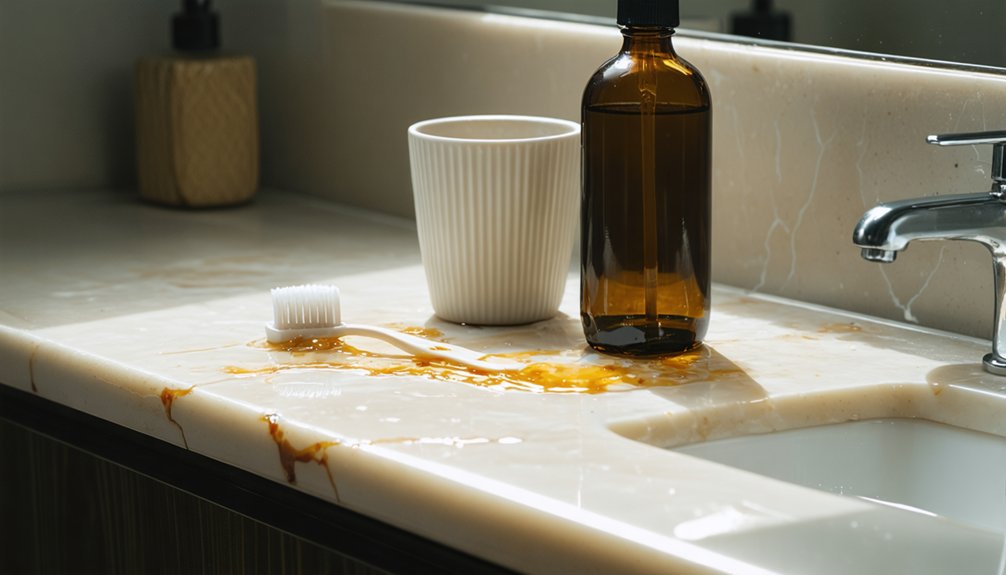
Even small missteps with hydrogen peroxide can turn a simple whitening routine into a source of real oral damage. Many people pursuing DIY remedies make the mistake of using undiluted 3% peroxide, applying it daily, or brushing too aggressively with abrasive pastes. These habits accelerate enamel erosion and inflame gum tissue.
Another common error involves mixing peroxide with acidic natural alternatives like lemon juice, which compounds erosion risk *considerably*. You should also avoid swishing longer than 60 seconds or using concentrations above 6% without dental supervision.
Skipping a pre-whitening dental check-up is a frequent oversight, especially if you have existing sensitivity or gum issues. Recognizing these mistakes before they cause damage keeps your whitening routine both effective and safe.
Side Effects You Might Notice While Whitening
While hydrogen peroxide can brighten your smile, it commonly causes tooth sensitivity and mild gum irritation, especially if you’re using it more than two to three times per week. Your oral hygiene routine and dietary habits can intensify these effects if you’re consuming acidic foods or neglecting proper brushing technique.
Watch for these warning signs:
- Tooth sensitivity or pain during or after whitening sessions
- Gum irritation, sores, or visible inflammation along the gumline
- Changes in tongue appearance or persistent mouth discomfort that don’t resolve quickly
If you notice any of these symptoms, stop use immediately and consult your dentist. Don’t push through discomfort hoping it resolves—early intervention prevents more serious damage to your enamel and soft tissue.
How Often Should You Use Hydrogen Peroxide on Teeth?
Frequency matters just as much as technique when it comes to hydrogen peroxide whitening. For most DIY whitening tricks, limit use to two to three times per week. Daily application raises your risk of enamel erosion and gum irritation, even at lower concentrations.
How often you use hydrogen peroxide matters — stick to two or three times per week to protect your enamel.
Some low-concentration rinse products are formulated for twice-daily use, but paste methods are more abrasive and should be used less frequently. Unlike alternative natural remedies that carry minimal risk, hydrogen peroxide demands disciplined scheduling.
Short-term routines are safer than making peroxide a permanent daily habit without dental guidance. If you notice sensitivity or irritation, reduce frequency immediately.
Consistent, spaced-out sessions protect your enamel while still delivering gradual whitening results you can control without compromising your oral health.
Daily Habits That Preserve Whitening Results
Getting your whitening schedule right is only part of the equation—what you do between sessions determines how long your results last. Build daily habits that actively protect enamel and reduce staining between peroxide treatments.
- Brush twice daily at a 45-degree angle using fluoride toothpaste and a soft-bristled brush for two minutes.
- Practice dental flossing daily to remove plaque buildup between teeth, where surface stains accumulate quickly.
- Add tongue scraping to your routine to reduce bacteria and debris that contribute to discoloration and odor.
Avoid acidic foods and drinks that weaken enamel after whitening sessions. If sensitivity develops, pause your routine and consult a dentist before continuing.
Consistent hygiene habits protect your investment and extend visible results longer than peroxide alone can.
Frequently Asked Questions
Can Hydrogen Peroxide Whitening Work on Dental Crowns or Veneers?
Hydrogen peroxide won’t improve dental crown compatibility or achieve veneer stain removal—it doesn’t alter artificial materials. You’re better off consulting your dentist, who can recommend safe, effective alternatives tailored to your restorations.
Is Hydrogen Peroxide Safe to Use During Pregnancy or Breastfeeding?
You should avoid hydrogen peroxide whitening during pregnancy or breastfeeding due to chemical risks and uncertain safety data. Prioritize dental safety by consulting your doctor or dentist before use, as professional guidance protects both you and your baby.
Does Diet Affect How Long Hydrogen Peroxide Whitening Results Last?
Your diet can completely obliterate whitening results overnight. Diet impact is massive — longevity factors include avoiding coffee, tea, and red wine. You’ll preserve your results longer by maintaining good oral hygiene habits consistently.
Can Children or Teenagers Safely Use Hydrogen Peroxide for Whitening?
You shouldn’t let children use hydrogen peroxide for whitening. Children safety is a priority, as developing enamel is vulnerable. Teen whitening should only happen under dental supervision, ensuring you protect sensitive, still-maturing teeth from unnecessary damage.
How Does Hydrogen Peroxide Whitening Compare to Professional Laser Treatments?
Professional laser treatments deliver faster, more dramatic dental stain removal than at-home hydrogen peroxide. In the whitening process comparison, you’ll find lasers offer controlled, supervised precision, while DIY peroxide requires consistency and caution to achieve gradual, modest results safely.
References
- https://www.healthline.com/health/hydrogen-peroxide-teeth-whitening
- https://www.gentledental.com/resources/articles/hydrogen-peroxide-teeth-whitening
- https://www.penholddental.ca/blog/how-to-use-hydrogen-peroxide-to-whiten-your-teeth-at-home/
- https://www.youtube.com/watch?v=7E5u9MMTI5w
- https://www.hicksdentalgroup.com/whiten-teeth-with-hydrogen-peroxide/
- https://www.youtube.com/watch?v=BY5Z82Eq5AU
- https://mysmiledentalcare.com/hydrogen-peroxide-teeth-cleaning-guide
- https://www.reddit.com/r/DentalHygiene/comments/1mgmgzl/using_3_hydrogen_peroxide_to_whiten_teeth/
- https://hcmcdental.com/how-to-whiten-teeth-with-hydrogen-peroxide/