Eco-friendly teeth whitening doesn’t have to drain your wallet. Baking soda-based pastes cost under $3 for multiple uses, while natural strips like Lumineux run $15–$25. Reusable LED kits average around $90 annually and substantially cut plastic waste compared to disposable options. Custom dental trays cost $150–$600 upfront but deliver long-term savings and minimal environmental impact. Matching your budget to the right delivery method makes all the difference, and the options ahead break it all down.
Key Takeaways
- Baking soda paste costs under $3 for multiple uses, making it the most affordable natural whitening option available.
- Mid-range eco-friendly strips like Lumineux peroxide-free cost $15–$25, while Crest 3D Whitestrips reach up to $50.
- Reusable LED whitening kits cost approximately $90 annually, reducing plastic waste compared to disposable strip alternatives.
- Custom dental trays ($150–$600) offer the best long-term value, minimizing ecological footprint through reusability over time.
- Brands like Zimba and Hello Activated Charcoal justify costs through natural ingredients and environmentally conscious formulations.
How Much Does Eco-Friendly Teeth Whitening Actually Cost?
Baking soda paste costs only a few dollars, while trusted brands like Tom’s of Maine and Hello Activated Charcoal run $4–$7.
Mid-range options like Lumineux peroxide-free strips reach $15–$25.
Crest 3D Whitestrips top out around $50.
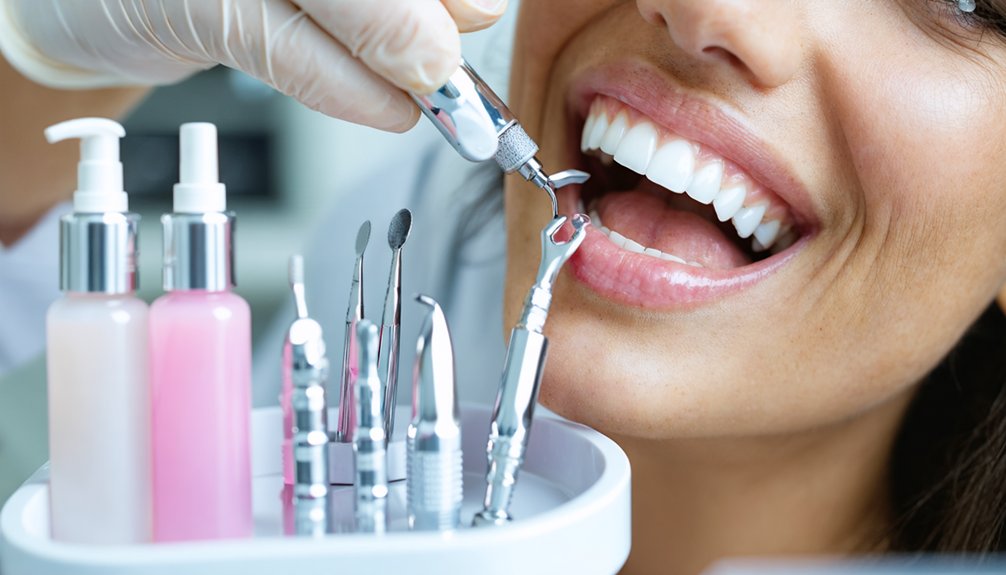
Custom trays from a dentist cost $150–$600 but reduce plastic waste over time, offering stronger long-term value.
Matching your budget to verified brand credentials helps you make a precise, informed decision.
What Are the Cheapest DIY and Natural Whitening Methods?
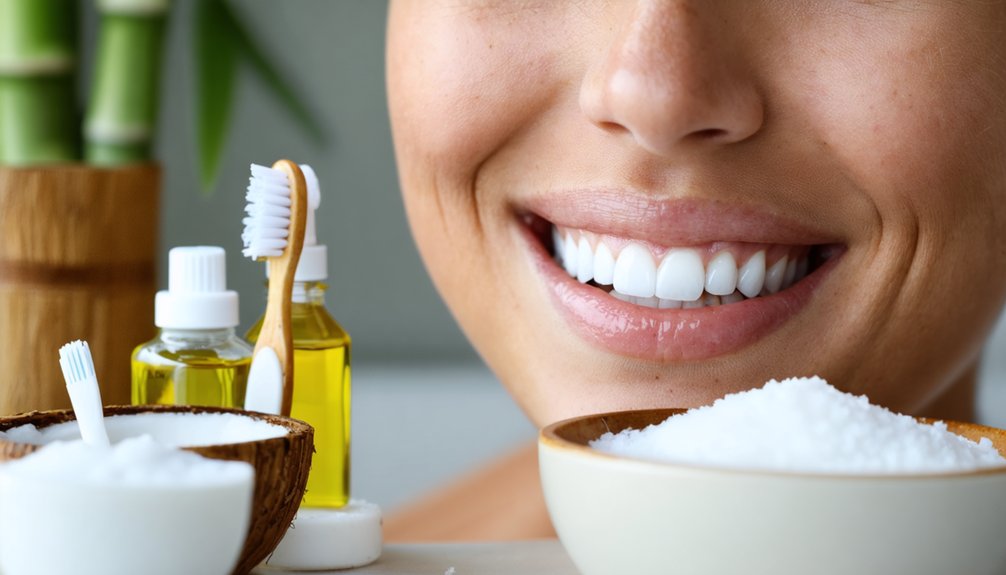
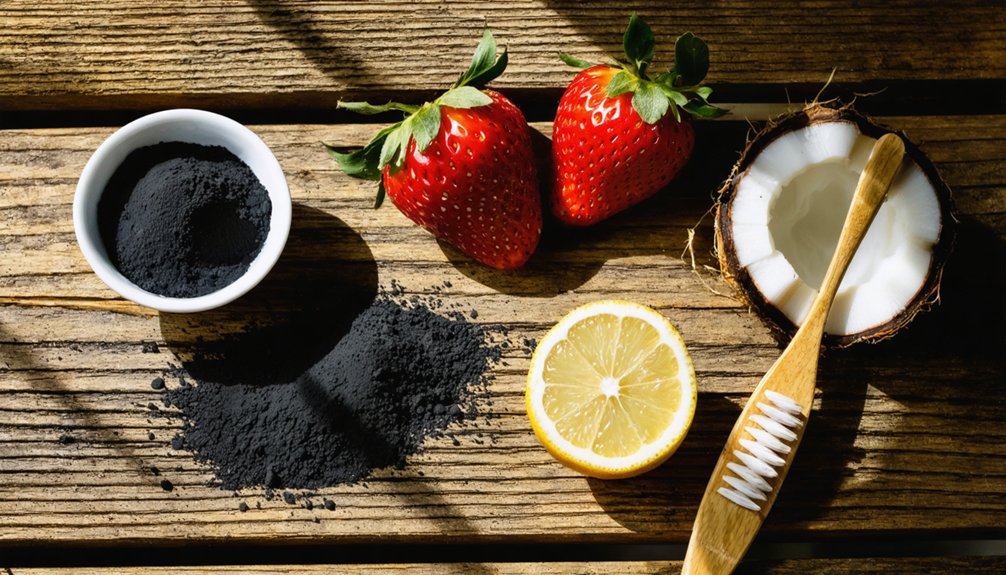
When cost is the primary concern, DIY methods offer the most accessible entry point into eco-friendly whitening. Baking soda mixed with water or hydrogen peroxide remains the lowest-cost natural remedy available, requiring only household ingredients costing a few dollars total.
For a structured cost comparison, consider these evidence-backed options:
- Baking soda paste – under $3 for multiple uses
- Arm & Hammer Advance White – $4 to $6, combining baking soda and peroxide
- Tom’s of Maine Simply White – $4 to $6, silica-based
- Hello Activated Charcoal Fluoride-Free – $5 to $7, uses coconut oil
These natural remedies give you measurable whitening at minimal expense. You’ll reduce plastic waste and avoid harsh synthetic chemicals while maintaining full control over your whitening routine.
Which Affordable Eco-Friendly Whitening Kits Are Worth Buying?
While DIY methods keep costs at an absolute minimum, they don’t always deliver the consistency or measurable results that structured whitening kits provide. When comparing brands, ingredient transparency becomes a critical evaluation factor.
Crest 3D Whitestrips ($30–$50) remain dentist-approved and cost-effective across 20–22 treatments.
Lumineux peroxide-free strips ($15–$25) suit chemically sensitive users, disclosing non-toxic formulations clearly.
Zimba Whitening Strips rank as the best overall value in 2026 testing.
For rapid results, Colgate Optic White Advanced ($5–$7) uses hydrogen peroxide with straightforward labeling.
If you prioritize reduced plastic waste, custom trays paired with prescription gels ($100–$600) offer a more sustainable long-term investment.
Evaluate each product’s ingredient list, treatment duration, and cost-per-session to identify which kit aligns with your whitening goals.
Are LED Whitening Kits a Better Eco-Friendly Deal?
If you’re weighing LED whitening kits against traditional strips, the cost-per-treatment figures favor LED systems over time—a quality kit with gel refills runs roughly £70 (~$90) annually, compared to repeatedly purchasing single-use strip packs.
You’ll also reduce plastic waste considerably, since reusable LED trays eliminate the disposable packaging generated by multiple strip purchases throughout the year.
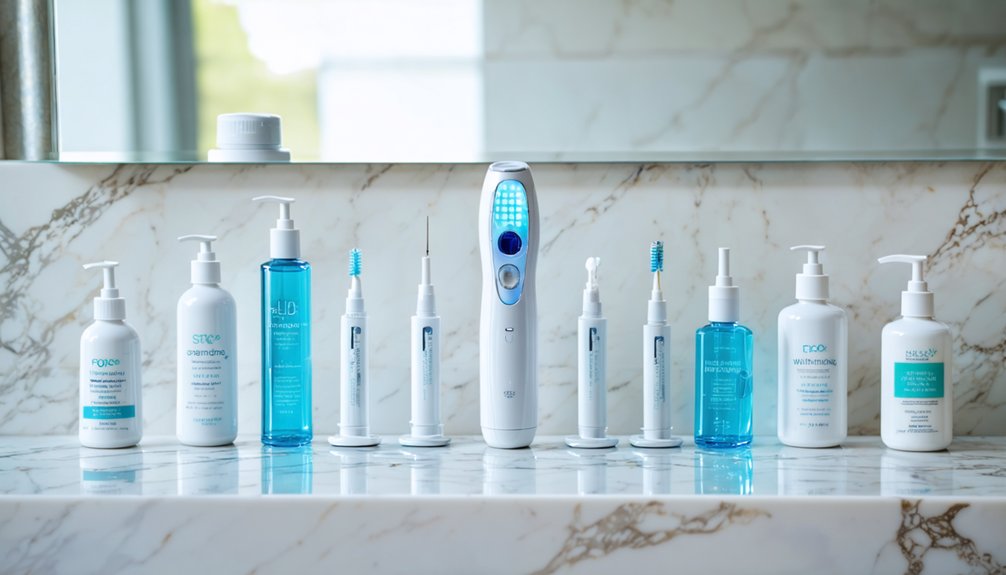
Kits like MySmile (~$25–$32) and Gleam (~$50–$65) deliver 7–30 minute sessions, meaning you get faster results per dollar spent than most strip-based alternatives.
LED Kit Cost Comparison
LED whitening kits offer a compelling cost-per-use advantage over single-use strips and in-office treatments. A quality LED kit in the UK runs £13.97–£49.99 (approximately $18–$65 USD), with annual gel refill costs totaling roughly £70 (~$90)—less than 20% of a single professional session.
You’re distributing your investment across multiple treatment cycles rather than paying per use.
From an environmental impact standpoint, reusable LED devices generate significantly less plastic waste than disposable strip packaging.
Consumer convenience is another measurable advantage: treatment times run 7–30 minutes, shorter than strips requiring 30–60 minutes daily.
Compare that against in-office laser treatments at $500–$1,000 per session, and the LED kit’s lifetime value becomes clear. You’re controlling both cost and waste simultaneously.
Eco-Friendly Plastic Reduction
When you weigh the environmental footprint of teeth whitening methods, reusable LED kits hold a measurable advantage over disposable strips. Custom trays and LED devices reduce single-use plastic waste across multiple treatment cycles, unlike strips that generate packaging waste weekly.
Key eco-friendly distinctions to evaluate:
- Reusable LED kits eliminate per-treatment plastic disposal over months of use
- Sustainable packaging is increasingly standard among eco-conscious brands like Lumineux and Zimba
- Biodegradable ingredients such as coconut oil and activated charcoal reduce chemical runoff compared to peroxide-heavy alternatives
- DIY baking soda methods produce virtually no plastic waste and use minimal packaging
You retain greater environmental control by selecting reusable systems, reducing cumulative plastic output while maintaining consistent whitening results at a lower long-term cost.
Value Per Treatment Session
Reducing plastic waste is one part of the eco-friendly equation, but your actual savings per use determine whether a greener method is also a smarter financial choice.
LED whitening kits cost roughly £70 annually (≈$90), covering the device and gel refills—less than 20% of a single professional session. That translates to a measurably lower cost per treatment while still delivering controlled peroxide application that targets bacterial plaque without aggressive enamel erosion.
Compare that to single-use strips at $30–$70 per cycle, which accumulate cost and plastic waste simultaneously.
Custom trays with dentist-prescribed gels ($100–$600 total) offer durability across multiple cycles, reducing per-session expense over time.
If you’re prioritizing both budget efficiency and reduced environmental impact, reusable LED kits and custom trays consistently outperform disposable strip formats on both metrics.
Which Eco-Friendly Brands Justify Their Price Tag?
Not every eco-friendly whitening product delivers value proportional to its price, so understanding which brands justify their cost helps you spend strategically. Evaluating natural ingredients and brand reputation narrows your choices to options with measurable outcomes.
Not every eco-friendly whitening product justifies its price—strategic spending starts with evaluating ingredients and proven brand reputation.
These brands consistently demonstrate cost-effective performance:
- Zimba Whitening Strips – Identified as best value in 2026 testing, balancing efficacy with eco-conscious formulation.
- Lumineux Peroxide-Free Strips – Priced at $15–$25, they offer a clinically non-toxic profile suitable for sensitive users.
- Hello Activated Charcoal Fluoride-Free – At $5–$7, coconut oil and charcoal deliver natural whitening without unnecessary additives.
- Tom’s of Maine Simply White – Silica-based at $4–$6, it maintains a credible natural lifestyle-aligned reputation.
Prioritize brands with transparent ingredient lists and documented consumer results.
Custom Trays vs. Strips: Which Saves More Long-Term?
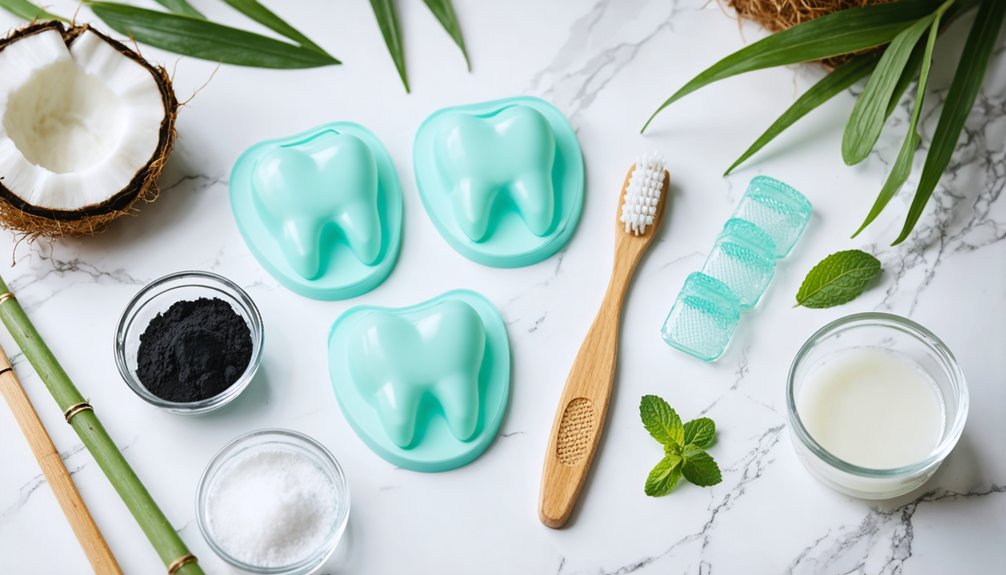
Choosing the right delivery method matters as much as choosing the right brand, and the cost comparison between custom trays and whitening strips extends well beyond the initial purchase price.
Custom trays cost $150–$600 upfront, but their longevity benefits are significant—you reuse the trays repeatedly, purchasing only gel refills at $20–$40 per cycle.
Strips, priced at $30–$70 per box, generate recurring costs and plastic waste with each treatment cycle.
Over two to three years, custom trays typically cost less per whitening session than continuous strip repurchasing.
If you prioritize long-term value and reduced environmental impact, custom trays deliver superior cost efficiency.
Strips suit short-term budgets, but if you’re committed to sustained whitening, trays offer measurable financial and ecological advantages.
When Is Professional Whitening Worth the Extra Cost?
Although OTC kits and custom trays handle most mild-to-moderate discoloration effectively, professional whitening justifies its $300–$1,500 price tag under specific clinical circumstances.
Professional whitening justifies its steep price tag — but only under the right clinical circumstances.
Consider professional treatment when you’re facing:
- Severe intrinsic staining from tetracycline, fluorosis, or trauma that OTC peroxides can’t penetrate
- Age considerations — older enamel with deeper, calcified stains responds better to controlled high-concentration bleaching agents
- Pre-restorative timing — whitening before crowns or veneers ensures accurate shade matching
- Failed OTC attempts — repeated strip or tray use without measurable results signals a clinical-grade intervention is necessary
Check your dental insurance policy first; some plans partially cover bleaching when medically indicated.
Professional treatments offer no eco-friendly advantage over reusable trays, but for resistant discoloration, the clinical precision outweighs the cost premium.
Frequently Asked Questions
Can Eco-Friendly Whitening Options Cause Sensitivity or Damage Tooth Enamel?
Yes, eco-friendly whitening options can cause tooth sensitivity and enamel damage if overused. You’ll minimize risks by following product guidelines, limiting frequency, and choosing low-abrasion formulas like peroxide-free or baking soda-based alternatives proven gentler on enamel.
How Long Do Results From Affordable Eco-Friendly Whitening Methods Typically Last?
You’ll typically maintain results for 3–6 months with eco-friendly methods. Their cost comparison favors regular maintenance over single treatments, and their reduced environmental impact makes reapplication sustainable—especially with reusable trays or natural pastes.
Are Eco-Friendly Whitening Products Safe for Use During Pregnancy?
Just as you’re prioritizing your health, pregnancy safety demands caution—you shouldn’t use most whitening products while pregnant. Even herbal ingredients lack sufficient safety data, so you’ll want to consult your dentist before proceeding.
Do Eco-Friendly Whitening Products Work Effectively on Crowns or Veneers?
Eco-friendly whitening products won’t lighten your crowns or veneers—their natural ingredients only affect real enamel. You’ll maintain sustainability benefits by using them on natural teeth while consulting your dentist about restorative dental work separately.
How Often Should Eco-Friendly Whitening Treatments Be Repeated for Maintenance?
You should repeat eco-friendly whitening treatments every 3–6 months for maintenance. Natural remedies like baking soda and DIY methods with hydrogen peroxide require consistent, measured reapplication to sustain results without compromising enamel integrity.
References
- https://www.sbdental.com/blog/budgetfriendly-teeth-whitening-options-that-deliver-real-results
- https://www.rejuv-health.com/cosmetic-dentistry/teeth-whitening-cost/
- https://www.forbes.com/sites/forbes-personal-shopper/article/best-teeth-whitening-kit/
- https://www.friendlysmilesdentalcare.com/blog/teeth-whitening-options-benefits-pricing/
- https://thegleamery.com/blogs/fresh-facts/the-best-affordable-teeth-whitening-options-in-la
- https://www.goodhousekeeping.com/health-products/g28723133/best-at-home-teeth-whitening-products/
- https://www.dailytoothcare.com/archives/14491
- https://teethcare360.co.uk/budget-led-whitening-kit-uk/
- https://www.healthylivingwow.com/blog/productive-tgmtd