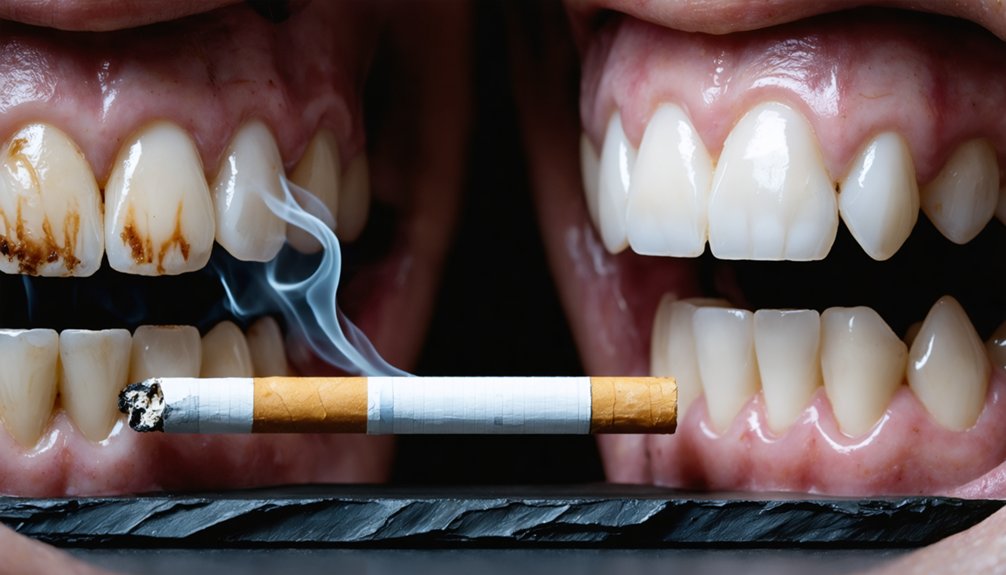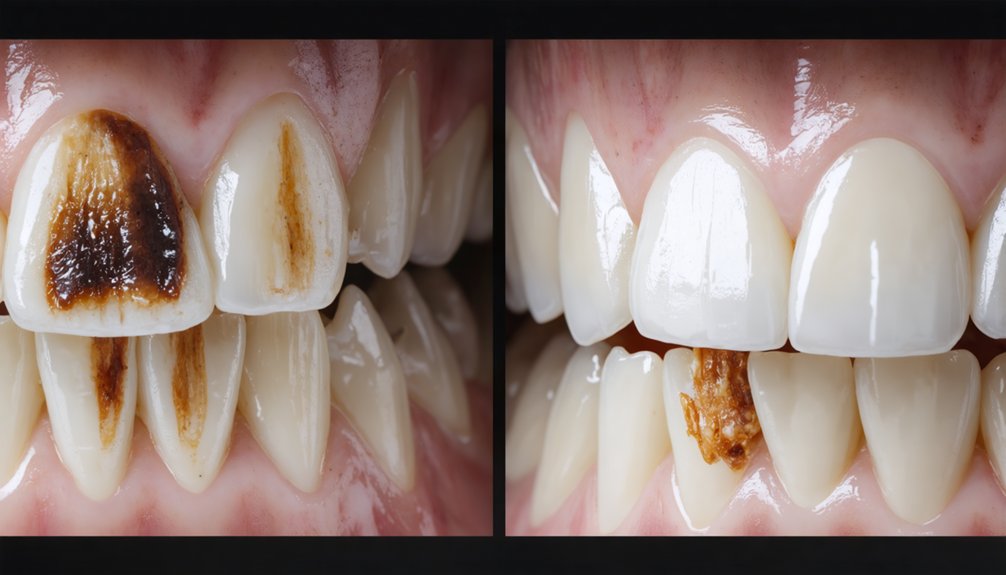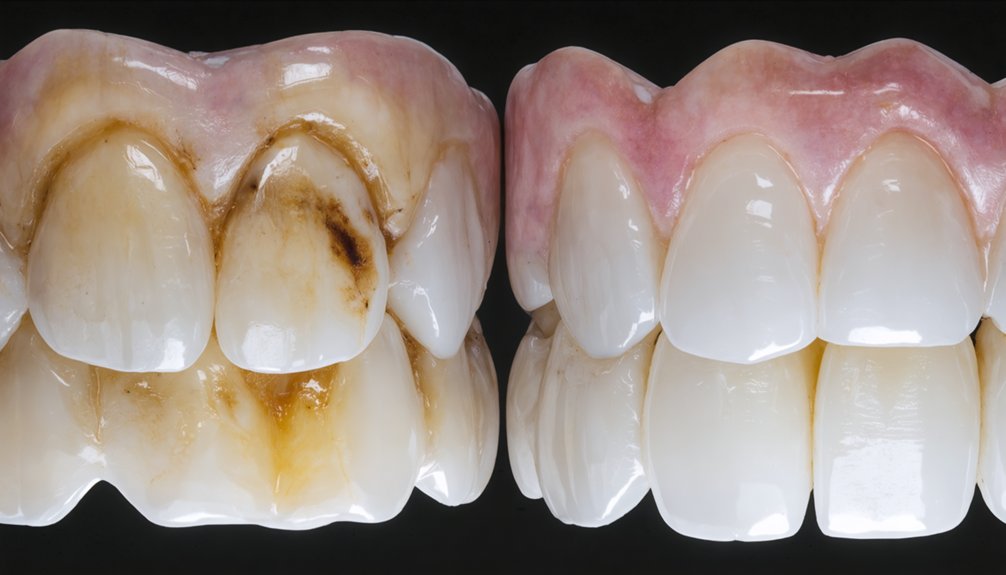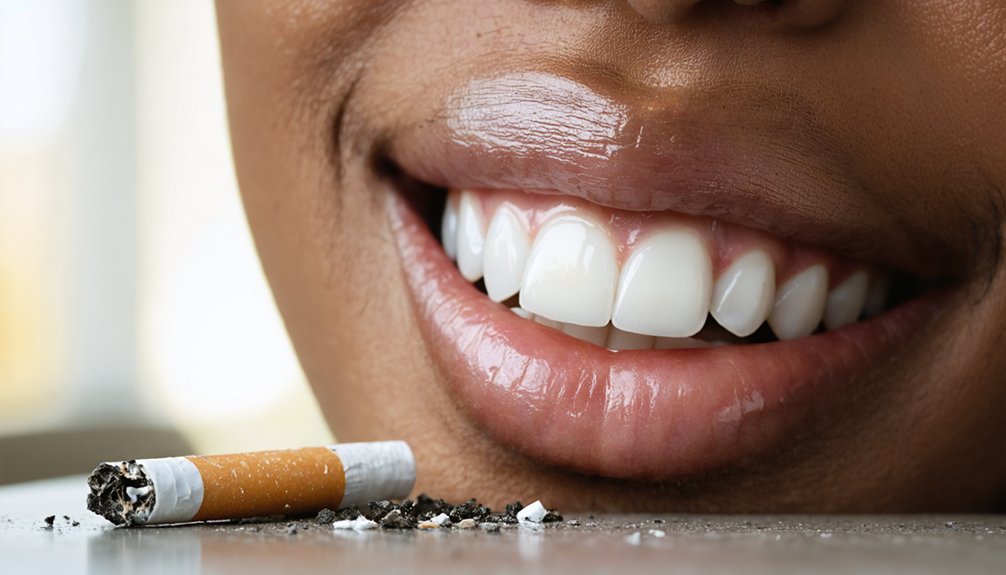
Smoking stains your teeth faster than almost any other habit because nicotine and tar bond directly to enamel and penetrate deep into dentin. You can fight back by brushing twice daily with a whitening toothpaste, rinsing immediately after smoking, and using proven DIY remedies like baking soda and hydrogen peroxide. Crunchy foods and consistent behavioral habits also reduce discoloration considerably. The strategies ahead will give you a complete, actionable plan for a noticeably brighter smile.
Key Takeaways
- Brush twice daily with whitening toothpaste containing peroxide to oxidize and lift tobacco stains from enamel effectively.
- Rinse with water immediately after smoking to flush residual tobacco compounds before they bond to enamel.
- Apply a baking soda and hydrogen peroxide paste for two minutes to actively lift stubborn tobacco discoloration.
- Schedule professional cleanings if stains persist, as dentists use ultrasonic scalers to remove deeply embedded tobacco pigmentation.
- Quitting tobacco remains the most effective long-term strategy for preventing further staining and protecting overall oral health.
Why Smoking Stains Teeth So Badly
Smoking stains teeth so severely because tobacco contains two primary culprits: nicotine and tar. Understanding tobacco composition helps you recognize why surface cleaning alone often falls short.
Nicotine is colorless until it reacts with oxygen, producing a yellow-brown residue that bonds to enamel. Tar, a dense, sticky byproduct of combustion, accelerates stain penetration by embedding deeply into microscopic enamel pores.
Nicotine oxidizes into yellow-brown residue while tar drives both deep into enamel’s microscopic pores.
Your enamel isn’t smooth at the microscopic level — it’s porous. Each cigarette forces these pigmented compounds further into those pores, making stains progressively harder to reverse.
Heat from smoke also opens enamel pores wider, increasing absorption. Over time, staining migrates beyond the enamel surface into the dentin layer, producing a deeper, more persistent discoloration that requires targeted, consistent intervention to address effectively.
How Smokers Should Actually Brush, Floss, and Rinse Daily
Because tobacco compounds bond aggressively to enamel, your daily brushing, flossing, and rinsing routine needs to be deliberate and sequenced — not just habitual. Effective oral hygiene routines start with brushing twice daily using a soft-bristled toothbrush and fluoride toothpaste formulated for tobacco users. Follow the 3-2 rule: brush for three minutes, twice daily.
Floss once daily to clear plaque and residue from interproximal spaces where stains accumulate undetected.
Immediately after smoking, rinse with water to flush residual tobacco compounds before they penetrate enamel.
Midday, incorporate an alcohol-free fluoride mouthwash to suppress bacterial activity and maintain oral moisture.
These stain prevention strategies work because they interrupt stain formation at multiple points.
Consistency across all three steps — brushing, flossing, rinsing — determines your long-term results.
Whitening Toothpastes and DIY Stain Removers That Work
Whitening toothpastes containing peroxide-based agents actively break down tobacco stains on enamel surfaces, making them a practical first-line option for smokers.
You can also combine these products with proven DIY solutions—such as a baking soda and hydrogen peroxide paste or a mashed strawberry and baking soda mixture—to enhance stain removal between dental visits.
Apply these treatments consistently and allow adequate contact time before rinsing to maximize their clinical effectiveness.
Whitening Toothpaste Benefits
When tobacco stains penetrate your enamel daily, using a whitening toothpaste containing peroxide or mild abrasives can actively lift discoloration with each brush. These formulations target surface stains before they embed deeper into enamel, delivering both dental health and cosmetic benefits simultaneously.
Peroxide-based toothpastes oxidize chromogenic compounds left by tobacco, while micro-abrasive variants polish away residue without stripping enamel when used correctly. You’ll notice gradual brightening within consistent weeks of use.
However, whitening toothpastes work most effectively when paired with proper brushing technique — two minutes, twice daily, using circular motions. They’re not a standalone solution for heavy tobacco users, but they’re a clinically supported first line of defense that reinforces your broader whitening regimen with measurable, cumulative results.
DIY Natural Stain Removers
Beyond commercial products, several natural ingredients offer measurable stain-fighting properties you can apply at home with minimal cost. Baking soda mixed with hydrogen peroxide creates an effective paste that actively lifts tobacco discoloration.
Mashed strawberry combined with baking soda provides mild enzymatic action when applied briefly before rinsing thoroughly.
Oil pulling with one tablespoon of coconut oil for up to 15 minutes helps reduce surface bacteria and supports stain removal through mechanical action.
While not classified as herbal remedies in the clinical sense, plant-based options like apple cider vinegar diluted with lemon juice can address surface staining when used cautiously.
Apply these methods consistently but sparingly to avoid enamel erosion, and always consult your dentist before incorporating any new DIY whitening treatment into your routine.
Effective Application Techniques
Knowing which ingredients fight tobacco stains is only half the equation—how you apply them determines whether they actually work.
For whitening toothpaste, apply a pea-sized amount and brush using small, circular motions for a full three minutes.
When using a baking soda and hydrogen peroxide paste, limit application to two minutes—overuse erodes enamel.
For coconut oil pulling, swish vigorously for 15 minutes, ensuring the oil reaches between teeth before spitting.
Always rinse thoroughly with water after every DIY treatment to clear residue.
Consistent oral hygiene execution—not occasional effort—drives measurable stain prevention results.
Apply treatments at the same time daily to build a disciplined routine.
Technique precision separates superficial attempts from clinically meaningful whitening outcomes you can sustain long-term.
Foods That Naturally Brighten a Smoker’s Teeth
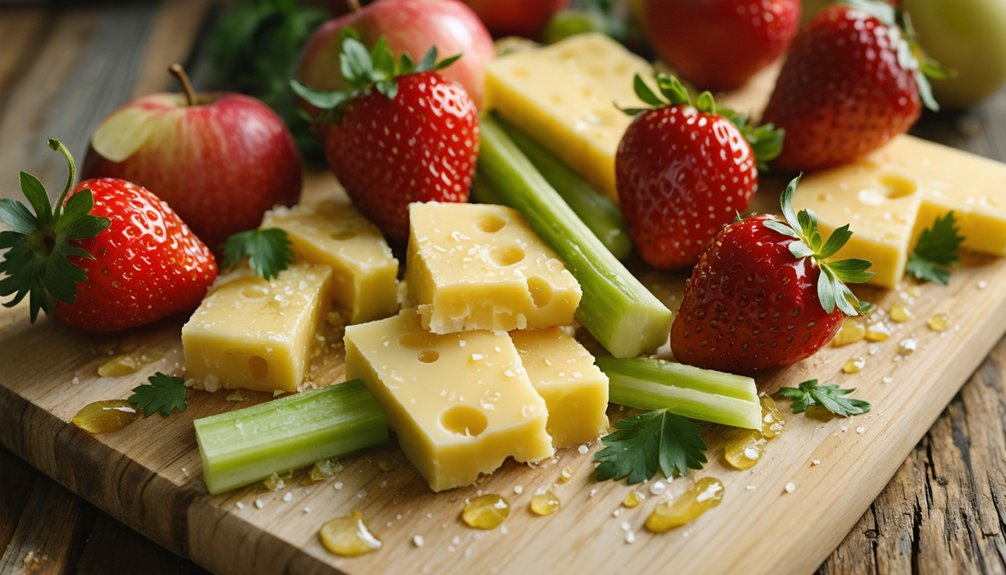
Certain crunchy foods like apples, carrots, and celery act as natural abrasives, scrubbing surface tobacco stains while stimulating saliva production to neutralize acids.
You can also incorporate citrus fruits like oranges and pineapples into your diet, as their vitamin C content supports periodontal health and helps break down discoloration.
Making these dietary choices a consistent habit strengthens your overall whitening regimen and reduces your reliance on chemical treatments alone.
Natural Stain-Removing Foods
While smoking accelerates tooth discoloration, incorporating specific foods into your daily diet can actively work against stain buildup. Certain herbal remedies and natural food sources provide measurable benefits for enamel maintenance and stain reduction.
- Apples, carrots, and celery act as mechanical cleaners, scrubbing surface stains while stimulating saliva production.
- Citrus fruits like oranges and pineapples deliver vitamin C, supporting periodontal health and reducing bacterial buildup.
- Oil pulling with coconut oil for up to 15 minutes helps draw out bacteria and diminish surface discoloration.
- Firm vegetables serve as natural tooth cleaners, actively removing debris between teeth with every bite.
Consistently integrating these options gives you measurable control over stain progression between professional cleanings.
Citrus Fruits for Whitening
Citrus fruits like oranges and pineapples offer more than nutritional value — they actively support periodontal health by delivering concentrated vitamin C, which strengthens gum tissue and reduces bacterial buildup that accelerates staining.
The fruit acids found in these foods work to gently dissolve surface discoloration left by tobacco exposure. Rubbing citrus peel directly against your teeth for two minutes introduces natural compounds that lift superficial stains without abrasive damage.
However, you’ll want to rinse thoroughly with water afterward, as prolonged acid contact erodes enamel over time. Incorporate these fruits into your daily diet strategically — consume them during meals rather than between them to limit acid exposure while still capitalizing on their clinically recognized benefits for oral health maintenance.
Behavioral Habits That Stop Tobacco Stains Before They Set
Stopping tobacco stains before they set requires simple but consistent behavioral adjustments that protect your teeth between whitening treatments. Tobacco cessation remains the most effective long-term strategy, but strengthening your oral hygiene routines provides immediate, measurable control.
Apply these four evidence-backed habits:
- Rinse immediately after smoking — flush residual tobacco compounds before they bond to enamel.
- Brush or rinse after staining beverages — coffee, tea, and red wine accelerate discoloration alongside tobacco exposure.
- Use a straw — minimizes direct contact between pigmented liquids and tooth surfaces.
- Chew sugar-free gum for five minutes post-cigarette — stimulates saliva flow, neutralizing acids and clearing residue naturally.
Consistency with these habits notably extends the results of any whitening regimen you follow.
When to See a Dentist for Stubborn Tobacco Stains
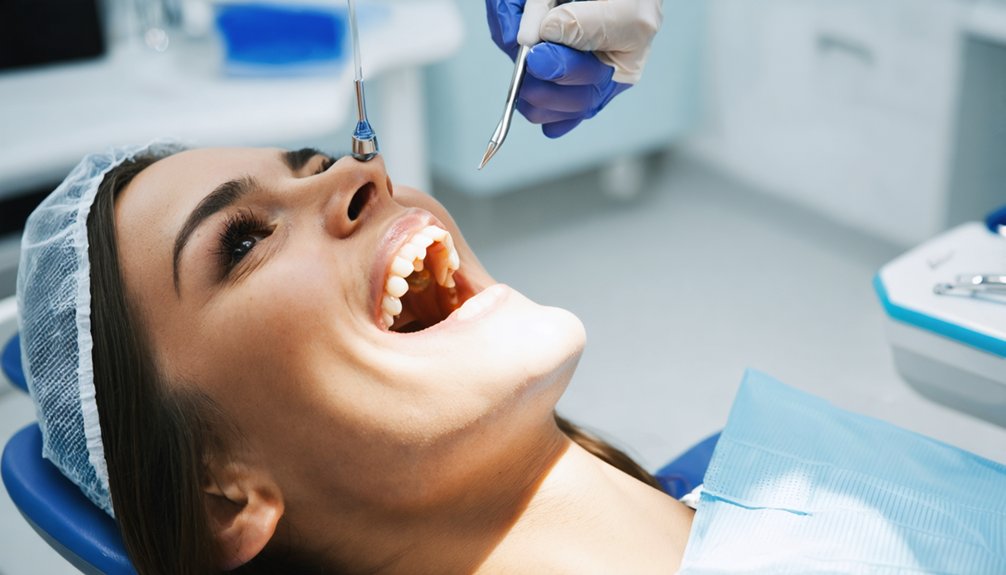
Home whitening methods address surface-level discoloration effectively, but they can’t penetrate calcified tartar or reach stains embedded deep within enamel. If your teeth remain visibly yellowed or brown despite consistent at-home efforts, schedule a professional cleaning immediately.
Dentists use ultrasonic scalers and polishing agents that dissolve deeply embedded tobacco pigmentation.
Check your dental insurance plan before your appointment—many policies cover at least one annual cleaning, reducing your out-of-pocket costs considerably.
During your consultation, discuss smoking cessation options, as quitting dramatically improves treatment outcomes and prevents recontamination of freshly whitened enamel.
Persistent staining may also signal deeper concerns, including enamel erosion or early periodontal disease, both requiring professional intervention.
Don’t delay; act before irreversible damage compounds your whitening challenges.
Frequently Asked Questions
Can Whitening Treatments Reverse Decades of Deep Tobacco Staining Effectively?
Whitening treatments can’t fully reverse decades of deep tobacco staining, but they’ll considerably reduce discoloration. You’ll achieve better dental health outcomes by combining professional cleanings, consistent whitening routines, and staining prevention strategies tailored to your specific condition.
Are Whitening Results Permanent if a Smoker Eventually Quits Cigarettes?
❌ Permanent? No — but lasting? Absolutely yes.
Quitting smoking won’t freeze your results forever, but combining strong dental hygiene with consistent lifestyle changes dramatically extends whitening longevity, keeping your smile noticeably brighter long-term.
Does Smoking Frequency Directly Impact How Fast Teeth Become Discolored?
Yes, your smoking habits directly accelerate tooth discoloration. The more frequently you smoke, the faster tar and nicotine penetrate enamel. Maintaining strict dental hygiene routines helps you slow staining progression and retain greater control over your smile’s appearance.
Can Certain Medications Worsen Tobacco Staining on Already Discolored Teeth?
Yes, certain medications can worsen tobacco staining on your already discolored teeth. They’ll compromise your dental hygiene and increase tooth sensitivity. You should ask your doctor about lower-stain alternatives to actively manage and control further discoloration.
Is Teeth Whitening Safe for Smokers With Existing Gum Disease?
Like walking a tightrope, whitening with gum disease requires caution. You shouldn’t whiten until you’ve treated gum disease first. Improve your oral hygiene and dietary habits, then consult your dentist to safely proceed with whitening treatments.
References
- https://clearclub.com/blogs/clearclub/10-effective-ways-to-whiten-teeth-after-smoking-or-taking-medications
- https://martindaledental.com/how-to-keep-teeth-white-even-if-you-smoke/
- https://whitehorsedental.com.au/ultimate-guide-smokers-teeth-whitening-journey/
- https://parkwaysmiles.com/teeth-whitening-for-smokers/
- https://www.dawsondental.ca/site/blog/2025/08/26/how-to-whiten-teeth-smokers-vapers
- https://guelphdentist.com/remove-teeth-stains-caused-smoking/
- https://sunbit.com/knowledge-center/dental/dental-tips/smokers-teeth-whitening/
- https://www.wikihow.com/Keep-Teeth-White-While-Smoking
- https://bellaviadental.com/blog/how-to-keep-teeth-white-while-smoking/