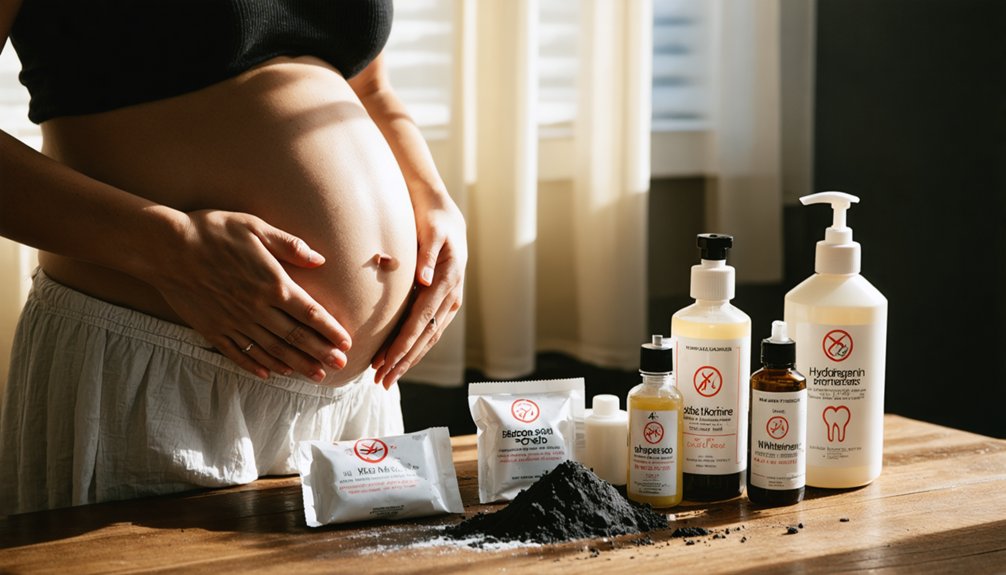
You should wait to whiten your teeth until after pregnancy because whitening agents absorb through your gum tissue and enter your bloodstream, and no definitive research has confirmed that level of fetal exposure is safe. Pregnancy also weakens your enamel and inflames your gums, making whitening less predictable and more uncomfortable. The American Dental Association recommends deferring all elective whitening until after pregnancy. Understanding exactly what happens inside your body helps clarify why waiting is the safer choice.
Key Takeaways
- Peroxide in whitening products absorbs into the bloodstream, potentially reaching the fetus through placental circulation, with no confirmed safety data.
- Pregnancy hormones cause gum inflammation and gingivitis, making tissues more reactive and sensitive to whitening agents.
- Morning sickness erodes enamel through repeated acid exposure, increasing sensitivity and reducing whitening treatment predictability.
- The American Dental Association recommends deferring elective whitening until after pregnancy as a cautious clinical precaution.
- Postpartum whitening yields safer, more effective results once enamel and gum tissues have stabilized after pregnancy.
Is Teeth Whitening Safe During Pregnancy?
Teeth whitening during pregnancy sits in a gray area — not proven harmful, but not proven safe either. Research remains limited, and the American Dental Association advises clinicians to contemplate deferring treatment due to insufficient data. That absence of evidence isn’t reassurance — it’s a knowledge gap.
Hydrogen peroxide and carbamide peroxide, the agents behind whitening’s cosmetic benefits, can absorb through gum tissue into your bloodstream, creating theoretical fetal exposure. No study has clearly confirmed harm, but none has confirmed safety either.
The emotional effects of wanting whiter teeth are understandable, but the cosmetic nature of whitening makes postponement the rational choice. When safety data is incomplete, deferring an elective procedure isn’t overcaution — it’s sound clinical judgment.
What Peroxide Actually Does Inside Your Body
Understanding why peroxide raises concern starts with what it actually does once it enters your body. When you apply a whitening product, the peroxide chemical doesn’t stay contained to your tooth surface. Your gum tissue and oral mucosa are highly permeable, which means body absorption happens faster than most people expect.
Once absorbed, peroxide enters your bloodstream and begins breaking down into reactive compounds. Under normal circumstances, your body neutralizes these compounds efficiently.
Peroxide breaks down into reactive compounds in your bloodstream, though your body typically neutralizes them efficiently.
During pregnancy, however, the concern shifts to fetal exposure. Your bloodstream connects directly to placental circulation, creating a pathway that didn’t exist before conception.
No study has confirmed that this exposure causes harm, but the pathway is real and the data confirming safety simply doesn’t exist yet.
Why Pregnancy Weakens Enamel and Inflames Gums
Pregnancy reshapes your oral environment in ways that make whitening riskier than it would be otherwise. Repeated acid exposure from morning sickness erodes enamel.
While hormonal shifts drive gum inflammation that can progress into pregnancy gingivitis. These changes leave your teeth more sensitive and your soft tissues more reactive, meaning peroxide-based treatments hit harder when your mouth is already compromised.
Morning Sickness Erodes Enamel
Morning sickness does more than make you feel miserable — it exposes your teeth to frequent acid that gradually erodes enamel. Each episode of vomiting coats your teeth in stomach acid, and repeated exposure weakens enamel over time.
This enamel erosion leaves your teeth thinner, more sensitive, and structurally compromised.
Applying peroxide-based whitening agents to already-weakened enamel considerably increases your risk of irritation, sensitivity, and unpredictable results. Your dental hygiene routine during pregnancy should prioritize protection, not cosmetic treatment.
Rinsing with water or a fluoride mouthwash after vomiting helps neutralize acid without further damaging enamel.
Whitening demands stable, healthy enamel to work safely and effectively. If morning sickness is affecting your teeth, that’s a clear signal to postpone whitening entirely.
Hormones Trigger Gum Inflammation
Enamel erosion isn’t the only pregnancy-related change that makes whitening risky. Hormonal changes during pregnancy directly trigger gum swelling, bleeding, and heightened sensitivity — a condition clinicians recognize as pregnancy gingivitis.
Your gums become more reactive to irritants, and whitening agents are no exception. Applying peroxide to already inflamed tissue increases your risk of pain, irritation, and adverse tissue response.
You’re not dealing with healthy baseline gum tissue anymore; you’re working with tissue that’s physiologically compromised. Whitening under these conditions makes discomfort more likely and results less predictable.
Choosing to delay isn’t passive — it’s a deliberate, informed decision to protect your oral health during a period when your body is already managing significant biological change.
Pregnancy Increases Tooth Sensitivity
When you’re pregnant, your enamel faces compounding threats that make cosmetic whitening considerably riskier. Morning sickness exposes your teeth to stomach acid repeatedly, gradually weakening enamel integrity. Hormonal shifts simultaneously increase blood flow to gum tissue, heightening nerve sensitivity throughout your mouth.
Applying peroxide-based agents to already-compromised enamel amplifies discomfort and unpredictability. Your teeth become more reactive, meaning treatments that once caused minimal sensitivity can now trigger significant pain or prolonged soreness.
Dental discoloration and teeth staining may feel urgent, but pursuing whitening while your enamel is structurally vulnerable creates unnecessary risk. The cosmetic concern doesn’t outweigh the physiological reality.
Protecting weakened enamel now preserves better whitening outcomes later, when your oral environment stabilizes and treatment can proceed with greater safety and precision.
Why Teeth Whitening Irritates Pregnancy Gums
Pregnancy hormones can considerably increase gum sensitivity, making whitening treatments more likely to cause irritation and discomfort. Hormonal shifts promote gum inflammation, swelling, and bleeding — conditions collectively known as pregnancy gingivitis.
Pregnancy hormones heighten gum sensitivity, making whitening treatments a recipe for irritation, discomfort, and pregnancy gingivitis.
When you apply peroxide-based whitening agents to already inflamed tissue, you’re compounding existing irritation rather than treating a neutral baseline.
Tooth irritation is also heightened because whitening agents penetrate enamel to reach deeper tooth layers. If your gums are swollen or receding slightly due to hormonal changes, more root surface becomes exposed, increasing chemical contact with sensitive tissue.
The result is greater discomfort and a higher likelihood of adverse reactions. Choosing to delay whitening until after pregnancy lets your gum tissue stabilize, giving you a safer, more comfortable treatment outcome.
What Dentists Recommend Instead of Whitening During Pregnancy
Rather than leaving teeth care on hold entirely, dentists recommend safer alternatives that support oral health without exposing you or your baby to unnecessary chemical risk. Alternative oral hygiene practices remain your most effective tool during pregnancy.
Brushing twice daily with fluoride toothpaste, flossing consistently, and attending regular cleanings address surface staining without peroxide exposure. Natural whitening methods, such as whitening toothpaste with mild abrasives, can reduce surface discoloration without chemical absorption concerns.
These options won’t dramatically lighten enamel, but they maintain brightness and oral health until professional treatment is appropriate.
Managing morning sickness promptly and rinsing with water after vomiting also protects enamel from acid erosion. These conservative steps keep your teeth healthy while eliminating unnecessary risk during a vulnerable period.
When Can You Safely Whiten Teeth After Pregnancy?
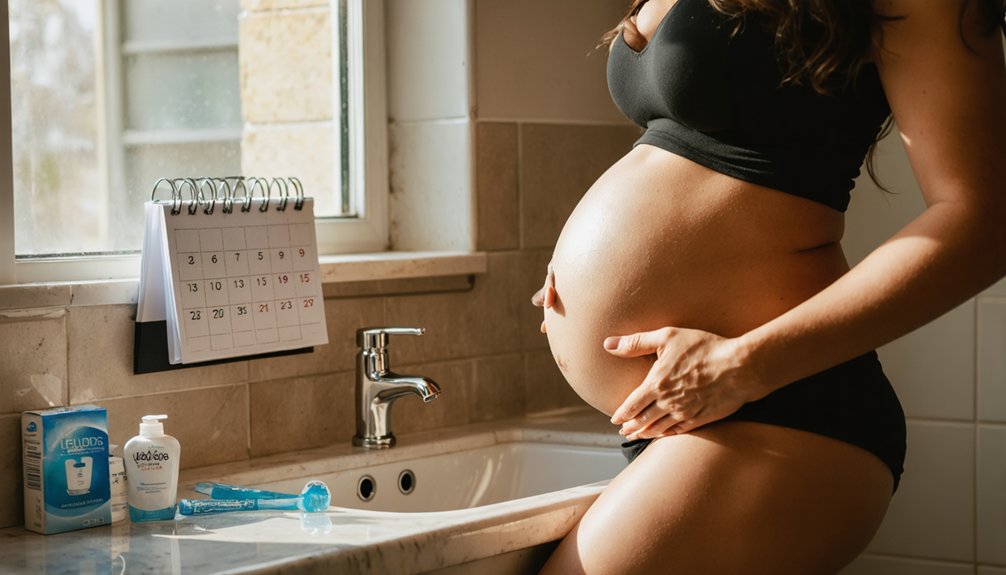
Once pregnancy ends, the timeline for resuming whitening depends on whether you’re breastfeeding. If you’re not breastfeeding, most dentists consider professional whitening acceptable within a few weeks postpartum, once your gums have stabilized and your dietary habits have normalized.
If you’re still breastfeeding, the cautionary approach holds — most providers recommend waiting until you’ve stopped completely, then allowing two to four weeks before beginning cosmetic procedures.
For those who breastfeed longer, some sources suggest waiting six to twelve months postpartum before pursuing professional-grade treatment. Your enamel and gum health should guide the timing.
Schedule a dental evaluation first. Your dentist can assess sensitivity, gum condition, and overall oral health before clearing you for whitening — putting you back in control with a clinically sound plan.
Frequently Asked Questions
Can Teeth Whitening Strips Harm a Pregnancy Differently Than Professional Treatments?
Both carry similar dental safety concerns since they use the same peroxide chemicals. Strips offer lower treatment efficacy but aren’t proven safer. You should avoid both during pregnancy until stronger evidence confirms their safety.
Does Teeth Whitening Affect Prenatal Vitamins or Supplements in Any Way?
Like ships passing in the night, teeth whitening and prenatal vitamins don’t directly interact. However, dental safety remains a concern, as no evidence confirms supplement interactions are impossible, so you should cautiously defer whitening entirely.
Are There Any Pregnancy-Safe Alternatives to Peroxide-Based Whitening Treatments?
You can try pregnancy-safe natural remedies like baking soda toothpaste and dietary adjustments—reducing staining foods and drinks. These carry fewer absorption risks than peroxide treatments, giving you safer control over your oral appearance during pregnancy.
Can a Dentist Legally Perform Whitening Treatments on a Pregnant Patient?
Yes, a dentist can legally perform whitening on you, but it’s a green light with caution. Hormonal changes heighten risks, and without dental sedation needs, you’re better off waiting until postpartum.
Does Teeth Whitening During the First Trimester Carry Higher Risks Than Later?
The first trimester isn’t confirmed as higher risk, but dental safety concerns remain throughout pregnancy. Hormonal changes affect your gums early on, and you should avoid whitening during all trimesters due to limited evidence.
References
- https://nvdentists.com/pregnancy-safe-teeth-whitening/
- https://www.estrellamountaindentistry.com/blogs/is-teeth-bleaching-safe-during-pregnancy/
- https://www.thebump.com/a/whiten-teeth-pregnancy
- https://mothertobaby.org/baby-blog/whitening-teeth-during-pregnancy-or-breastfeeding-lets-bite-into-the-subject/
- https://www.hurdfamilydental.net/why-avoid-teeth-whitening-during-pregnancy/
- https://www.babycenter.com/pregnancy/health-and-safety/is-it-safe-to-bleach-my-teeth-during-pregnancy_1245153
- https://www.teethwhitening.london/blog/whitening-after-having-baby-when-safe-start-after-pregnancy
- https://www.mdsgdentistry.com/can-you-use-teeth-whitening-strips-while-pregnant/
- https://kidshealth.org/en/parents/tooth-whitening-pregnancy.html
- https://en.ultradent.blog/pregnancy-breastfeeding-and-tooth-whitening