Daily LED teeth whitening isn’t safe, and it won’t speed up your results. The LED light itself is low-risk, but the peroxide gel it activates is the real concern. Using it every day exposes your enamel and gums to repeated chemical stress, accelerating erosion and triggering chronic sensitivity. Guidelines recommend spacing sessions 48–72 hours apart. If you’re serious about protecting your smile while still whitening effectively, there’s a smarter approach worth knowing.
Key Takeaways
- Daily LED teeth whitening is not safe; evidence shows it increases sensitivity and enamel degradation without improving results.
- Sessions should be spaced at least 48–72 hours apart to allow enamel and soft tissue recovery.
- Most guidelines recommend only 1–2 sessions per week during active whitening phases.
- Overuse causes irreversible enamel erosion and thinning, as enamel cannot regenerate once compromised.
- Stop treatment and consult a dentist if sensitivity, gum irritation, or visible enamel changes occur.
How LED Teeth Whitening Actually Works
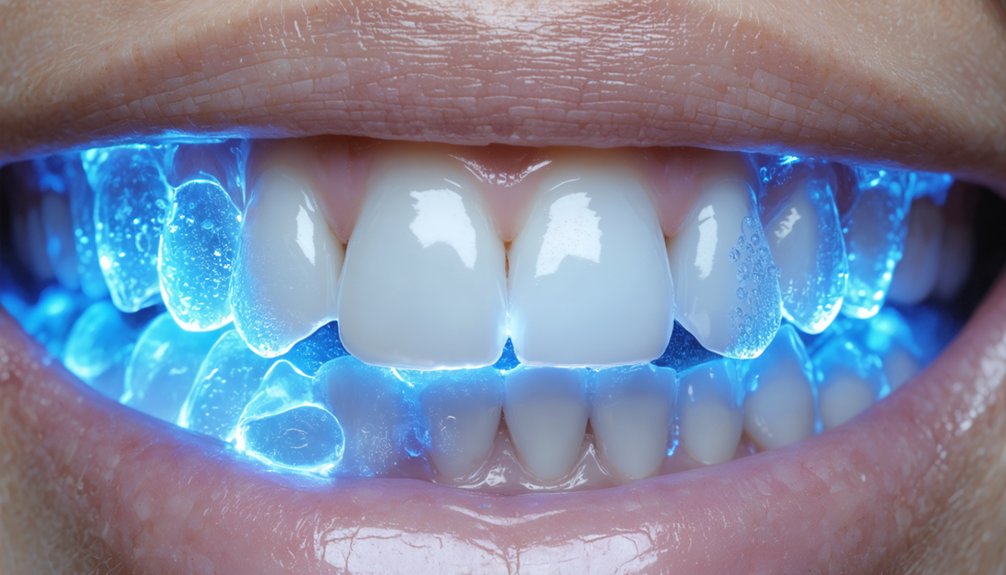
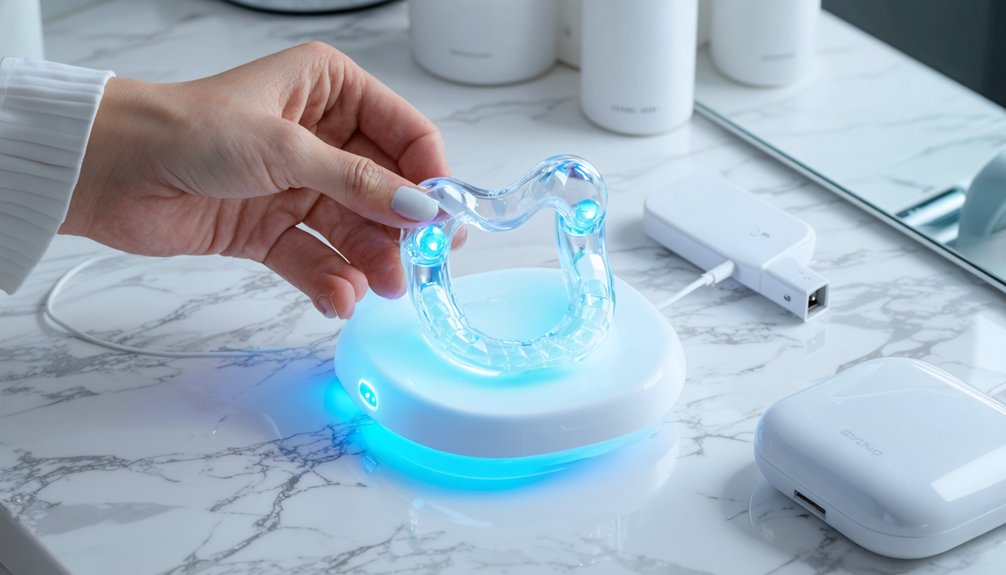
When you use an LED teeth whitening kit, the light itself isn’t what removes stains — the peroxide gel does the heavy lifting. The LED functions as an activator, accelerating the chemical reaction that breaks down teeth staining compounds on and within your enamel.
Here’s what you need to understand: the gel’s peroxide concentration and contact time determine how aggressively it acts on your teeth. The LED simply enhances efficiency. That distinction matters because it means overusing the system doesn’t amplify the light’s effect — it amplifies peroxide exposure, which directly increases your risk of enamel erosion and tissue irritation.
Used correctly, LED systems are described as low-heat and less damaging than older UV methods. But “less damaging” isn’t the same as risk-free — especially with repeated use.
Is LED Teeth Whitening Safe?
LED teeth whitening is generally safe — but only when you use it correctly and don’t exceed recommended treatment cycles. One of the most persistent dental myths is that the LED light itself causes damage. It doesn’t. The light is low-heat and primarily activates the peroxide gel, which does the actual whitening work.
The real risk comes from overuse. Excess peroxide exposure weakens enamel and irritates gum tissue over time. Most side effects — sensitivity and mild gum irritation — are temporary, resolving within 24–48 hours.
Don’t fall for whitening myths suggesting daily use accelerates results safely. It doesn’t. Short-term clinical studies support controlled use, but daily application lacks evidence of safety.
If you have gum disease or sensitive teeth, consult a dentist before starting any protocol.
Is the Risk the LED Light or the Whitening Gel?
The short answer is that the gel carries most of the risk, not the light. LED devices use low light intensity, generating minimal heat and posing little direct threat to enamel or soft tissue.
The peroxide gel, however, is the active agent driving both whitening and potential harm. Concentration, contact time, and application frequency determine your gingivitis risk, sensitivity levels, and enamel exposure.
If gel contacts your gums improperly or you overuse the kit, irritation follows—not because of the light, but because of chemical exposure.
Clinical guidelines focus primarily on controlling gel strength and timing, not light output. Understanding this distinction gives you better control.
Manage the gel correctly, and you manage most of the risk.
Why You Shouldn’t Use LED Teeth Whitening Daily
Even though the LED light itself poses minimal direct harm, daily use of these whitening systems still isn’t safe—and the reason circles back to the gel.
Repeated peroxide exposure strips your enamel’s protective surface before it can remineralize, compounding sensitivity and gum irritation with each session. Most protocols recommend one to two sessions per week, not daily application.
Exceeding that frequency doesn’t accelerate results—it accelerates damage. Before factoring in cost considerations, understand that overuse shortens treatment intervals, increases supply consumption, and raises your likelihood of needing restorative dental care.
If you’re seeking faster outcomes, explore alternative whitening options like professional in-office treatments spaced every six to twelve months.
Controlling your whitening schedule protects both your enamel and your long-term results.
What Overuse Does to Your Enamel and Gums
When you push LED whitening beyond recommended frequency, your enamel and gum tissue pay the price. Overuse doesn’t just cause temporary discomfort — it triggers cumulative structural damage.
Repeated peroxide exposure accelerates enamel erosion, thinning the protective layer that shields your teeth from decay and sensitivity. Once enamel breaks down, it doesn’t regenerate.
Your gums face equal risk. Frequent gel contact irritates soft tissue, and over time, that irritation can progress into gum recession — a condition where gum tissue pulls back, exposing vulnerable root surfaces.
Unlike sensitivity that fades in 24–48 hours, recession is often irreversible without clinical intervention.
The LED light isn’t the primary threat — the gel concentration and application frequency are. Controlling both is how you protect your long-term oral health.
How Often Should You Use LED Teeth Whitening?
Most LED whitening guidelines recommend using your kit 1–2 times per week, not daily. Despite teeth whitening myths suggesting more frequent use accelerates results, overuse increases sensitivity and enamel stress. One of the most persistent dental health misconceptions is that LED light drives whitening — the peroxide gel does, and it needs recovery time between sessions.
Control your results by following these evidence-based frequency guidelines:
- At-home kits: 1–2 sessions per week maximum
- Professional in-office treatments: every 6–12 months
- Sensitivity recovery window: allow 48 hours between sessions if irritation occurs
- Maintenance phase: reduce frequency once your target shade is reached
Spacing sessions correctly protects your enamel and sustains results without compounding irritation risk.
Common LED Teeth Whitening Side Effects and How Long They Last
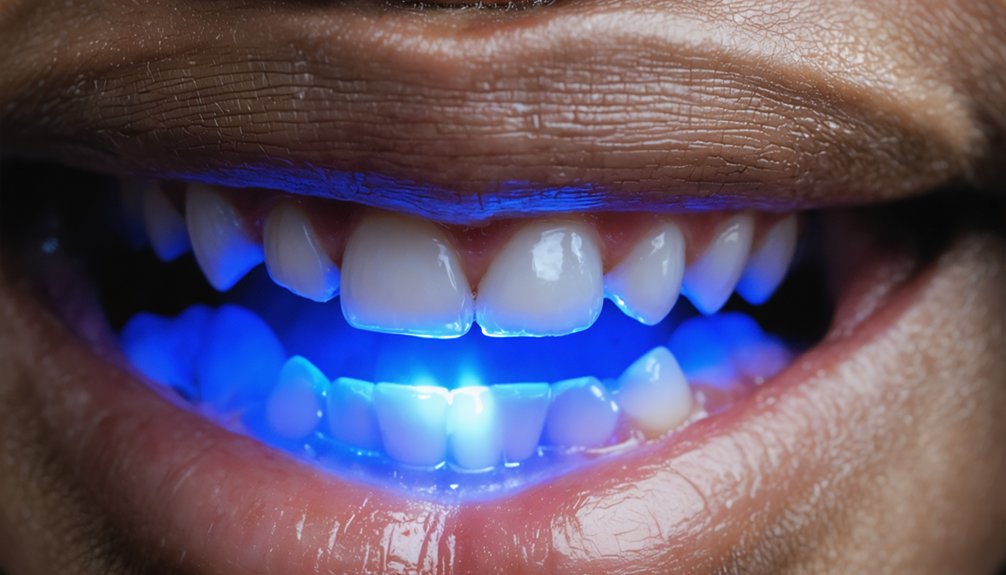
Spacing your sessions correctly reduces risk, but it doesn’t eliminate it entirely. The most common side effects you’ll encounter are tooth sensitivity and gum irritation. These typically stem from the whitening gel, not the LED light itself.
Spacing sessions lowers your risk — it doesn’t eliminate it. Sensitivity and gum irritation remain on the table.
Sensitivity usually peaks within 24–48 hours after treatment, then fades. Gingival health can also take a hit if the gel contacts soft tissue, causing mild irritation or inflammation.
Clinical studies report generally low sensitivity scores during short-term protocols, but that doesn’t mean you’re immune. Severe pain, blistering, or symptoms that persist beyond 48 hours warrant a dental review.
To reduce your risk, choose products with desensitizing or remineralizing agents, and don’t extend sessions beyond the recommended duration. Your oral health status determines how well you tolerate treatment.
Who Should Be Extra Careful With LED Teeth Whitening?
Although LED teeth whitening is broadly considered safe, certain groups face a higher risk of adverse effects and should consult a dentist before starting any whitening protocol. Dental demographics matter here—your oral health baseline directly influences your risk level. Don’t let whitening myths convince you that everyone responds the same way.
- Sensitive teeth or thin enamel: You’re more vulnerable to peroxide-induced irritation and discomfort.
- Active gum disease: Inflamed tissue absorbs bleaching agents differently, increasing irritation risk.
- Existing restorations: Crowns, veneers, and fillings won’t whiten—uneven results are likely.
- Pregnant or breastfeeding individuals: Insufficient safety data exists; avoidance is the cautious choice.
If you fall into any of these categories, professional evaluation isn’t optional—it’s essential.
How to Build a Safe LED Teeth Whitening Schedule
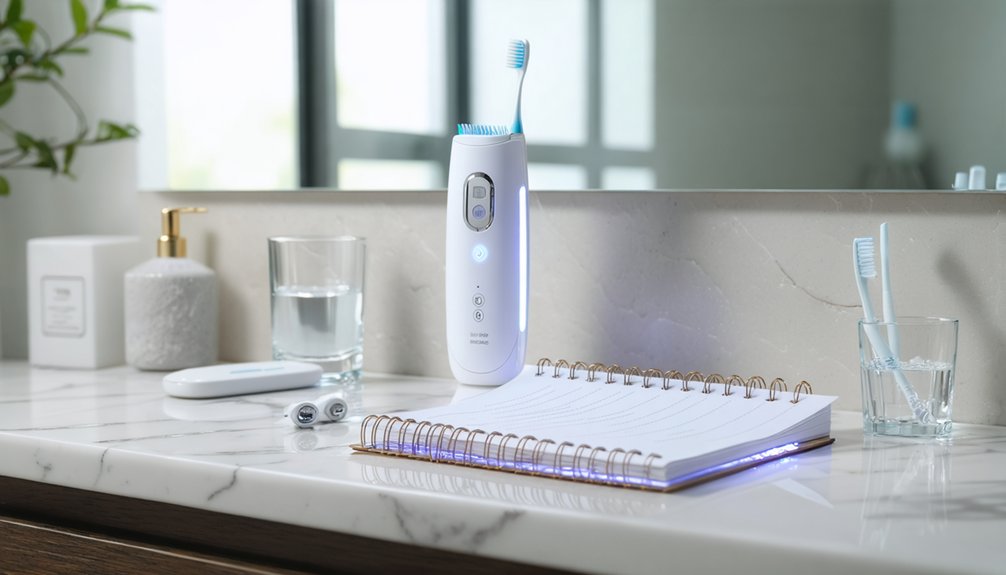
Building a safe LED teeth whitening schedule starts with following the frequency your kit specifies, which is typically one to two sessions per week rather than daily use.
You should space treatments far enough apart to allow your enamel and gum tissue to recover, reducing the risk of sensitivity and irritation.
If you notice discomfort after a session, extend the gap before your next treatment rather than pushing through on schedule.
Recommended Session Frequency
To get results without harming your enamel, you need to follow a structured whitening schedule rather than treating daily use as a safe default. Despite teeth whitening myths suggesting more frequent use accelerates results, evidence doesn’t support daily application.
LED technology advancements have improved efficiency, but overuse still risks sensitivity and enamel degradation.
Follow these clinically supported frequency guidelines:
- Limit sessions to 1–2 times per week during active whitening phases
- Space professional treatments every 6–12 months to protect enamel integrity
- Stop immediately if sensitivity or gum irritation develops between sessions
- Use remineralizing or desensitizing products between treatments to stabilize enamel
Your schedule should reflect your oral health status, not a desire for faster results. Control means disciplined spacing, not increased frequency.
Spacing Treatments Safely
Knowing how often to whiten is only part of the equation — how you space those sessions determines whether your enamel stays intact or gradually breaks down. Most evidence supports spacing LED sessions at least 48–72 hours apart, allowing enamel and soft tissue to recover between treatments.
Compressing sessions for faster results increases sensitivity risk without meaningfully improving outcomes. For cost effectiveness, fewer, properly spaced sessions deliver better long-term value than frequent treatments that compromise enamel and require restorative dental care later.
You should also confirm product compatibility — not all gels and LED devices are calibrated for the same exposure durations. Using mismatched systems can increase peroxide contact time beyond safe limits.
Build your schedule around your oral health status, not your desired speed.
When to Stop and See a Dentist
While most side effects from LED teeth whitening are mild and short-lived, some symptoms signal that you should stop treatment immediately and consult a dentist. Persistent sensitivity, sharp pain, or gum blistering go beyond normal responses and require professional evaluation. Ignoring these signs while continuing dietary restrictions or maintaining oral hygiene routines won’t resolve underlying damage.
Stop treatment and seek dental care if you experience:
- Tooth pain lasting beyond 48 hours after a session
- Gum blistering, swelling, or bleeding that doesn’t resolve quickly
- Increased sensitivity that worsens with each treatment cycle
- White spots or visible enamel changes on tooth surfaces
Your dentist can assess whether overuse, gel concentration, or an existing condition is driving the problem.
Frequently Asked Questions
Can LED Teeth Whitening Work on Crowns, Veneers, or Dental Implants?
LED teeth whitening won’t lighten your dental crown, veneer whitening attempts, or implants—these materials don’t respond to peroxide. You’ll risk uneven color contrast between treated natural teeth and restorations, so consult your dentist before proceeding.
Does LED Teeth Whitening Remove Stains Caused by Medications Like Tetracycline?
Up to 80% of tetracycline discoloration cases resist standard whitening. LED teeth whitening won’t fully remove medication stains like these. You’ll likely see minimal improvement, so consult your dentist before attempting treatment for tetracycline discoloration.
Are LED Teeth Whitening Kits Safe to Use During Pregnancy or Breastfeeding?
You should avoid LED teeth whitening during pregnancy or breastfeeding. Pregnancy safety data is limited, and breastfeeding considerations matter since peroxide absorption risks aren’t fully established. Consult your dentist before proceeding with any whitening treatment.
How Does LED Teeth Whitening Compare in Cost to Professional Dental Treatments?
You’ll find at-home LED kits offer stronger treatment affordability, typically costing $20–$150, while professional dental treatments range $300–$1,000+. This cost comparison matters—cheaper options may compromise supervision, gel strength, and safety monitoring.
Can Children or Teenagers Safely Use LED Teeth Whitening Kits at Home?
Sure, hand a child a bleaching kit—what could go wrong? For children’s safety and teenager use, you shouldn’t use LED whitening kits at home without consulting a dentist, as developing enamel and gums face heightened sensitivity risks.
References
- https://www.abritersmile.com/blue-light-teeth-whitening-side-effects/
- https://valleycreekdentalcare.com/blog/is-blue-light-teeth-whitening-safe-for-regular-use-heres-what-you-need-to-kno
- https://www.colgate.com/en-us/oral-health/teeth-whitening/led-teeth-whitening-right-for-you
- https://pmc.ncbi.nlm.nih.gov/articles/PMC3466022/
- https://www.healthline.com/health/dental-and-oral-health/blue-light-teeth-whitening
- https://aligner32.com/blogs/blog/at-home-whitening-kit-safety
- https://glowubhealth.com/are-led-teeth-whitening-kits-safe/
- https://www.webmd.com/oral-health/features/what-is-tooth-whitening
- https://www.kaiyanmedical.com/post/how-often-can-you-whiten-your-teeth-with-led-light
- https://www.ivismilepro.com/blog/led-teeth-bleaching-light-safe/