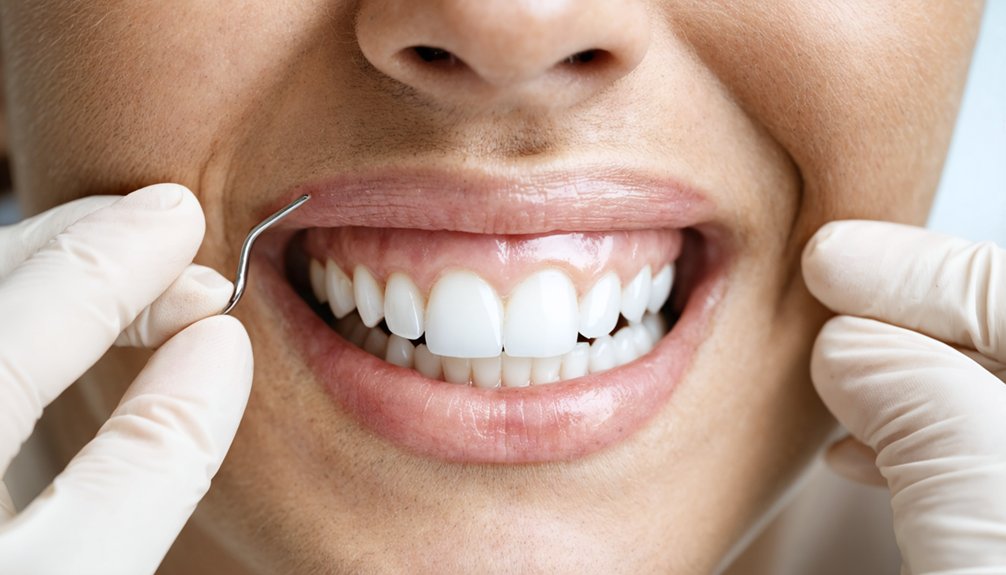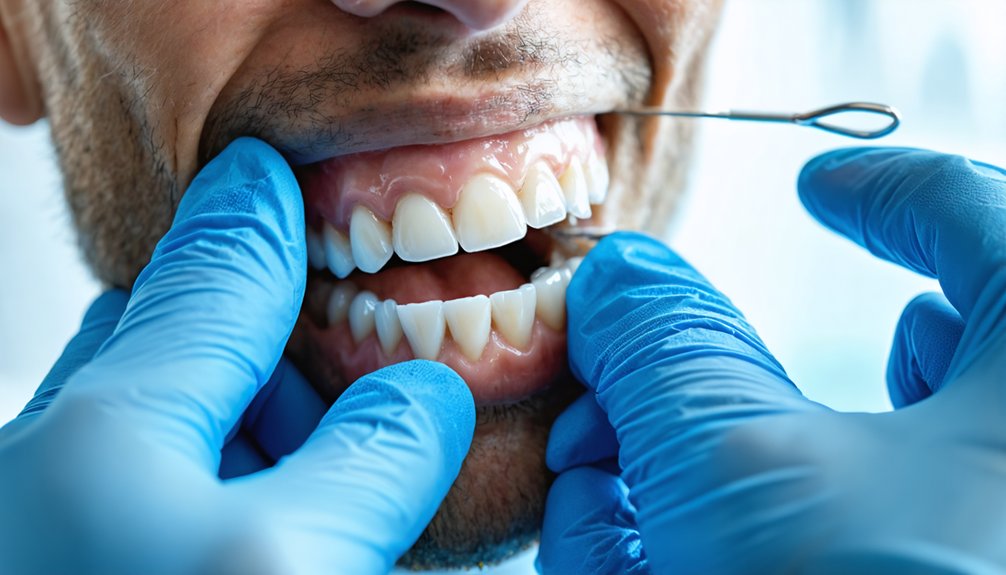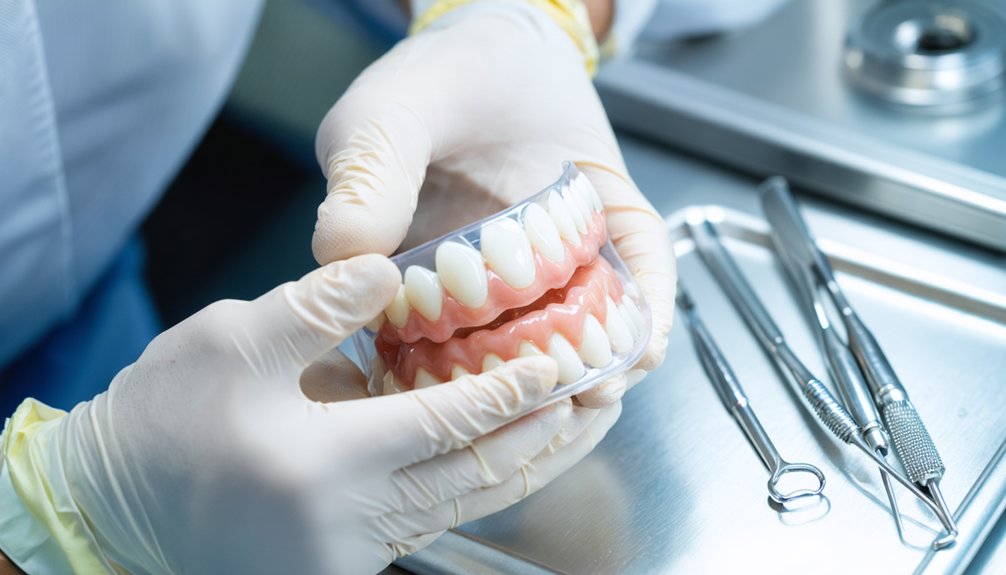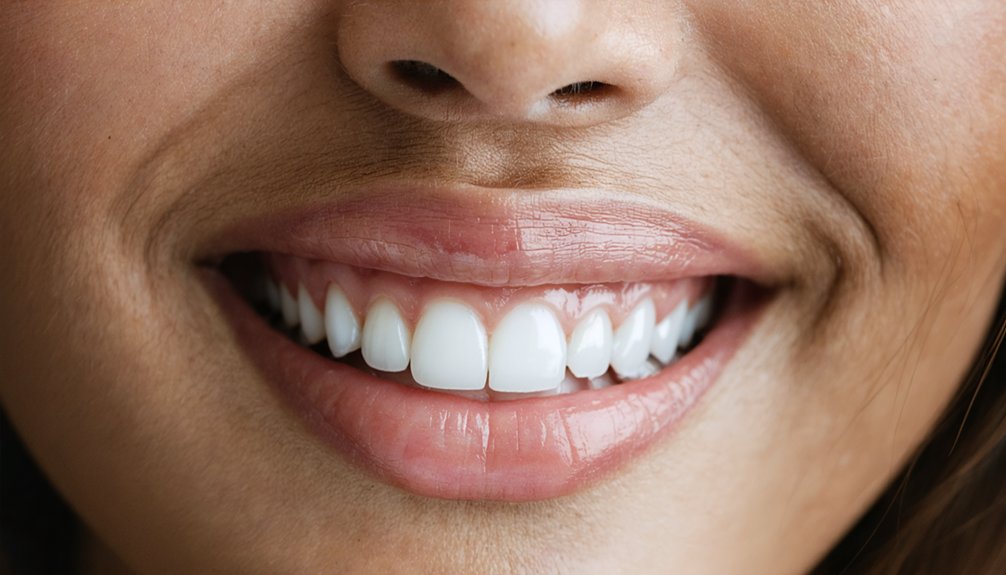
Cosmetic dentistry offers several effective ways to whiten your teeth, and the right choice depends on your goals, timeline, and type of staining. You can get fast results with in-office or laser whitening, or take a gradual approach with custom take-home trays. Over-the-counter strips are accessible but less powerful. For stains that don’t respond to bleaching, veneers may be your best option. Keep exploring to find out which treatment delivers the results you’re after.
Key Takeaways
- In-office professional whitening delivers fast, dramatic results in one appointment using high-concentration peroxide gel with minimal gum irritation.
- Laser and light-activated whitening accelerates stain breakdown with targeted light, often completing treatment in a single session.
- Custom take-home trays use professional-grade gel for consistent, controlled whitening with visible results within one to two weeks.
- Veneers effectively cover intrinsic stains, enamel defects, or discoloration unresponsive to peroxide-based whitening treatments.
- Over-the-counter whitening strips offer an accessible, cost-effective option but provide modest results unsuitable for significant discoloration.
What Makes a Cosmetic Dentistry Whitening Treatment Worth It
Several factors determine whether a whitening treatment genuinely delivers value: speed of results, how long those results last, comfort during treatment, and cost relative to outcome.
You’ll also need to understand the cause of your teeth discoloration, since not all stains respond equally to every method. Intrinsic stains, surface buildup, and enamel defects each require different approaches.
Equally important is separating proven treatments from whitening myths that promise results they can’t consistently deliver.
A worthwhile treatment matches your specific discoloration type, fits your timeline, and produces measurable improvement without unnecessary discomfort or expense.
When you evaluate options with those criteria in mind, you’re making an informed decision rather than chasing marketing claims.
That clarity is what separates effective cosmetic dentistry whitening from wasted effort and money.
In-Office Professional Whitening for Fast Cosmetic Results
When speed matters most, in-office professional whitening is your fastest path to a noticeably brighter smile. Your dentist applies a high-concentration peroxide gel directly to your teeth, often completing treatment in a single visit. You’ll leave with dramatic, visible results—no waiting weeks.
Here’s what you can expect:
- One appointment delivers shade improvements that take-home methods require weeks to match
- Controlled application protects your gums while maximizing gel contact with enamel
- Temporary sensitivity may follow treatment but typically resolves within days
Keep in mind that dental insurance rarely covers cosmetic procedures, so confirm costs upfront. Maintaining strong oral hygiene after treatment preserves your results longer.
If you want the fastest, most controlled outcome, in-office whitening gives you exactly that.
Why Custom Take-Home Trays Are the Best Cosmetic Dentistry Option
Custom take-home whitening trays strike the best balance between effectiveness, comfort, and long-term results. Your dentist creates a precise dental tray design molded to your unique bite, ensuring consistent gel contact and minimal gum exposure. That custom fit gives you control over your treatment schedule—whether you whiten during the day or overnight.
Your dentist selects professional-grade whitening gel formulations unavailable over the counter, delivering stronger, more predictable results than strips or standard toothpaste. You’ll typically notice visible improvement within one to two weeks, with results that last longer than most alternatives.
Because you’re managing the process at home under professional guidance, you’re not dependent on office appointments. You control the pace, the timing, and the maintenance—making this option ideal for sustained, reliable whitening.
How Whitening Strips Compare to Professional Cosmetic Treatments
Whitening strips are one of the most accessible over-the-counter options, but they can’t match the results of professional cosmetic treatments. They address surface stains and mild discoloration, but whitening myths often lead you to overestimate their power. Understanding the contrast helps you make informed decisions about your smile.
Here’s how whitening strips compare to professional options:
- Strips use lower peroxide concentrations, producing gradual, modest changes rather than dramatic shade shifts.
- Professional treatments offer precision, with custom trays or in-office application reducing gum irritation and maximizing gel contact.
- Dental insurance rarely covers cosmetic whitening, making cost comparisons between strips and professional care essential before committing.
If you want controlled, measurable results, professional cosmetic treatments consistently outperform strips in both speed and outcome quality.
How Laser and Light-Activated Whitening Work in Cosmetic Dentistry
Laser and light-activated whitening combine two elements to accelerate stain breakdown: a peroxide-based gel and a targeted light or laser source. Your dentist applies the gel directly to your teeth, then activates it using specific light activation techniques — either LED, plasma arc, or laser — to intensify the chemical reaction.
This speeds up oxidation, breaking down stains faster than gel alone. Laser safety protocols are strictly followed, including gum barriers and protective eyewear, minimizing tissue exposure during treatment.
You can typically expect dramatic results within a single session. However, you should know this method costs more than standard bleaching. Sensitivity and gingival irritation remain possible side effects.
If speed and precision matter to you, light-activated whitening gives you measurable control over your results.
What Cosmetic Dentistry Whitening Method Fits Your Timeline?
Choosing the right whitening method depends almost entirely on how much time you have. Your timeline dictates your best option—there’s no universal answer.
- Days before an event: In-office or laser whitening delivers dramatic results fast, giving you a visibly brighter smile in one session.
- Two weeks of flexibility: Custom take-home trays offer controlled, lasting whitening with a precise fit that minimizes irritation.
- Long-term maintenance: Whitening toothpaste paired with an electric toothbrush sustains your results between professional treatments.
If discoloration resists bleaching entirely, your dentist may recommend enamel microabrasion to eliminate surface-level defects or dental bonding to restore uniformity.
Matching your method to your schedule ensures you’re not wasting time or money on an approach that doesn’t fit your situation.
When Teeth Stop Responding to Cosmetic Whitening Treatments
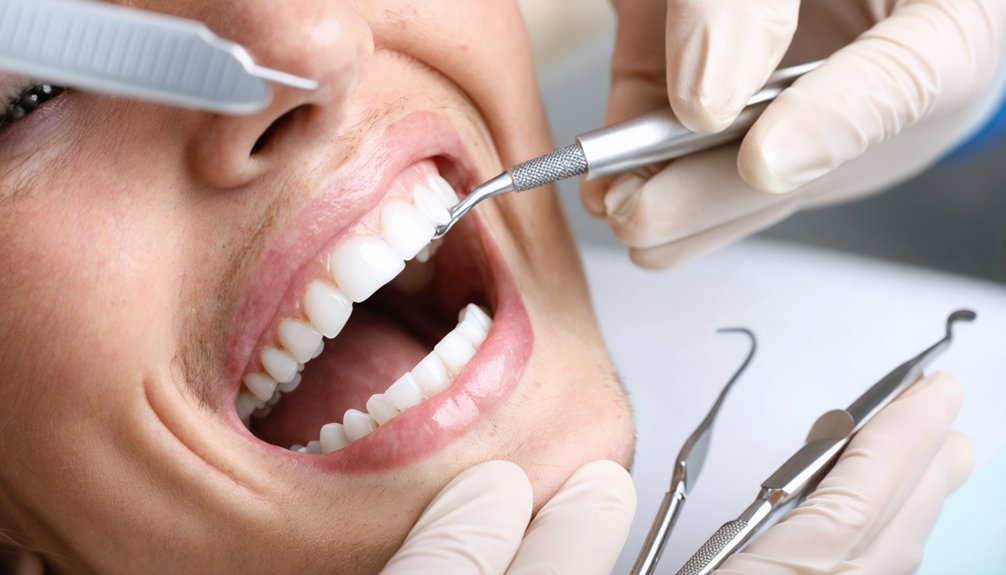
If your teeth aren’t responding to repeated whitening treatments, you’re likely dealing with intrinsic stains from tetracycline use, fluorosis, or aging dentin that peroxide can’t effectively reach.
You can confirm stain resistance by recognizing that professional bleaching has produced little to no shade change across multiple treatment cycles.
At that point, veneers become a practical next step, giving you a uniformly white appearance by covering the tooth surface rather than attempting to chemically alter it.
Identifying Resistant Stain Types
Sometimes, teeth simply stop responding to whitening treatments — and understanding why can save you time, money, and frustration. Stain removal becomes notably harder when resistance factors are built into the tooth’s structure itself, not just its surface.
Three stain types commonly resist standard whitening:
- Tetracycline stains — deep, antibiotic-induced discoloration that binds within dentin, often appearing as gray or brown banding
- Fluorosis stains — white spots or brown patches caused by excess fluoride exposure during tooth development
- Intrinsic aging discoloration — yellowing from thinning enamel that exposes darker dentin beneath
Recognizing which stain type you’re dealing with determines your next step. Peroxide-based treatments won’t correct structural discoloration — veneers or restorative options typically become the more effective path forward.
Veneers As Next Steps
When whitening treatments stop working, veneers become one of the most reliable next steps. They cover intrinsic stains, enamel defects, and discoloration that bleaching can’t correct, giving you a uniform, controlled result.
Your dentist will likely discuss porcelain versus composite options. Porcelain veneers offer superior veneer durability, often lasting 10–15 years with proper care, and they resist staining better than composite.
Composite veneers cost less and require minimal enamel removal, but they’re more prone to discoloration over time.
Keep in mind that veneers don’t respond to whitening agents. If you choose veneers, your dentist will match the shade before placement, so you’ll want your natural teeth whitened first if any remain visible alongside them.
Veneers as a Cosmetic Dentistry Alternative to Whitening
When whitening treatments can’t correct severe discoloration, enamel defects, or stains tied to non-whitenable restorations, veneers offer a reliable cosmetic alternative.
Unlike bleaching, veneers cover the tooth’s surface entirely, giving you a uniform white appearance regardless of how resistant the underlying stain may be.
You’ll pay more and accept a more invasive procedure, but veneers often deliver results that no peroxide-based treatment can match.
When Whitening Falls Short
There are cases where even the most effective whitening treatments can’t deliver the results you’re looking for. Certain stain types and structural issues place natural limits on what bleaching can achieve. When that happens, veneers give you a reliable path to the teeth color you want.
Veneers work best when you’re dealing with:
- Intrinsic stains from tetracycline, fluorosis, or trauma that peroxide can’t penetrate
- Enamel defects or uneven surfaces that compromise both appearance and whitening results
- Existing restorations like crowns or bonding that won’t respond to bleaching agents
Because the ADA confirms whitening only works on natural teeth, veneers let you take control of your outcome—creating a uniform, lasting result that bleaching alone simply can’t produce.
Veneers Versus Bleaching Treatments
Veneers and bleaching treatments solve different problems, so the right choice depends on what’s actually causing your discoloration. If your stains respond to peroxide, bleaching treatments offer effective teeth whitening with minimal invasiveness.
But if your discoloration is intrinsic, longstanding, or tied to enamel defects, bleaching won’t deliver the results you’re after.
Veneers cover the tooth’s surface entirely, giving you a uniform appearance that stain removal alone can’t achieve in resistant cases. They’re also the solution when existing tooth-colored restorations create color mismatches, since the ADA confirms whitening only works on natural teeth.
Veneers cost more and require irreversible enamel reduction, so they’re best reserved for cases where bleaching has clear limitations. Your dentist can assess which approach actually fits your situation.
Costs And Invasiveness Considered
Choosing veneers over bleaching means accepting a significant jump in both cost and clinical complexity. Unlike peroxide-based treatments, veneers require enamel removal—an irreversible procedure. Natural remedies won’t offset that commitment, and alternative financing may be your only path to affordability.
Consider what separates these options:
- Bleaching: Lower cost, non-invasive, reversible in approach—you control the intensity and timing
- Veneers: Permanent enamel reduction, higher lab and placement fees, requiring long-term maintenance
- Restorations: Necessary when stains are intrinsic or resistant, but always the more invasive clinical choice
You’re not just choosing an aesthetic outcome—you’re choosing how much intervention you’re willing to accept. When whitening reaches its limit, veneers deliver results bleaching cannot, but the clinical and financial weight is yours to carry.
How Long Cosmetic Dentistry Whitening Results Actually Last
Whitening results vary considerably depending on the method you choose and how well you maintain them afterward. In-office and laser treatments can last six months to two years, but only if you’re controlling your dietary habits and avoiding stain-causing foods and beverages.
Custom take-home trays tend to offer longer-lasting results because you can repeat treatments easily at home. Whitening strips typically fade faster, often within a few months.
Veneers provide the most stable, long-term color outcome since they resist staining better than natural enamel.
Regardless of the method, your oral hygiene routine directly impacts how long results hold. Brushing twice daily, flossing, and using whitening toothpaste as a maintenance tool will extend your results and keep regression minimal.
How to Maintain Your Cosmetic Dentistry Whitening at Home
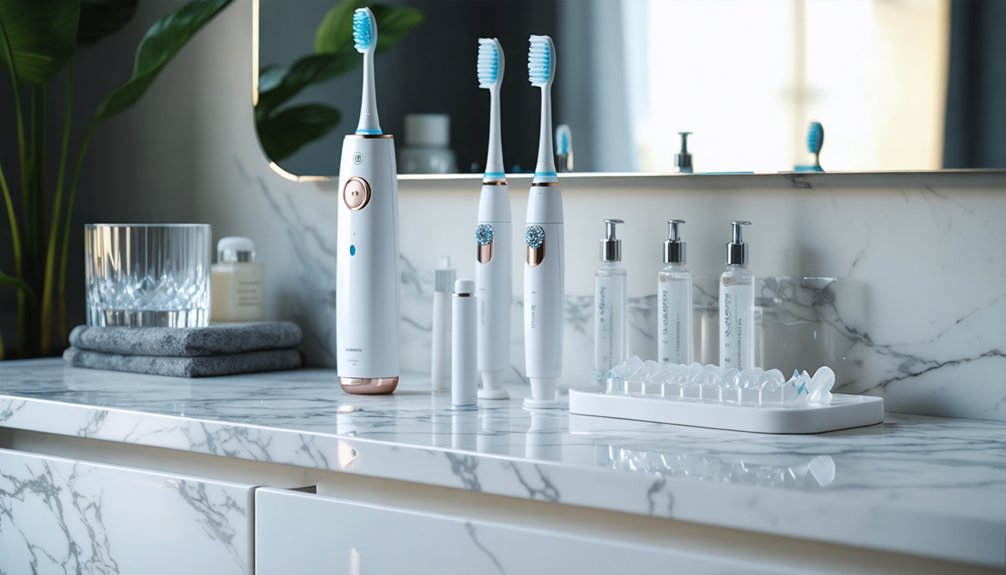
Once you’ve achieved your desired shade, daily brushing and flossing are your first line of defense against stain buildup.
You’ll also want to limit stain-causing foods and drinks like coffee, red wine, and dark berries, since consistent exposure can quickly dull your results.
Pairing these habits with a whitening toothpaste helps you maintain brightness and slow the natural process of discoloration between professional treatments.
Daily Brushing And Flossing
Daily brushing and flossing are two of the simplest habits you can use to protect your whitening results long-term. Consistent dental hygiene removes surface debris before it bonds to enamel, making stain prevention far easier than reversing discoloration later.
Use these daily practices to stay in control of your results:
- Brush twice daily with a whitening toothpaste and an electric toothbrush to clear plaque and surface stains effectively
- Floss once daily to remove buildup between teeth where staining compounds accumulate undetected
- Rinse after staining beverages like coffee or red wine to reduce contact time with enamel
These habits don’t replace professional treatment, but they extend your results and reduce how frequently you’ll need touch-up whitening sessions.
Avoiding Stain-Causing Foods
Even the most effective whitening treatment loses ground quickly when staining foods and beverages work against your results daily. Dietary restrictions don’t have to be permanent, but they’re essential immediately following treatment and critical for long-term stain prevention.
Avoid these primary offenders:
- Dark beverages: Coffee, tea, red wine, and cola
- Pigment-rich foods: Berries, tomato sauce, soy sauce, and balsamic vinegar
- Acidic items: Citrus fruits and carbonated drinks that weaken enamel and accelerate staining
When you can’t avoid these entirely, rinse with water immediately after consuming them. Using a straw minimizes direct contact with tooth surfaces.
Pairing dietary awareness with whitening toothpaste creates a consistent defense, helping you protect the investment you’ve made in your smile.
Using Whitening Toothpaste
Whitening toothpaste is one of the simplest tools you can add to your daily routine to maintain your cosmetic dentistry results. It won’t replace professional whitening gel, but it effectively removes surface teeth stain buildup before discoloration sets in. Used consistently, it helps you protect the investment you’ve already made.
Look for toothpaste that delivers these specific benefits:
- Mild abrasives that polish enamel without causing sensitivity or surface damage
- Peroxide-based formulas that reinforce the effects of your professional whitening gel treatments
- Stain-blocking agents that prevent teeth stain compounds from bonding to enamel
Brush twice daily, and pair your whitening toothpaste with an electric toothbrush for improved plaque and stain removal. This combination keeps your smile consistently brighter between professional treatments.
Frequently Asked Questions
Can Cosmetic Whitening Treatments Be Combined for Faster or Better Results?
Yes, you can combine professional bleaching with at-home kits for enhanced results. Starting in-office accelerates your whitening, then maintaining it with custom trays extends and deepens the outcome effectively.
Are Cosmetic Dentistry Whitening Treatments Safe During Pregnancy or Breastfeeding?
You’d be taking a mountain of unnecessary risk—pregnancy safety demands you avoid whitening treatments entirely. While breastfeeding considerations are less conclusive, you should still postpone cosmetic dentistry whitening until your dentist confirms it’s completely safe.
Does Dental Insurance Ever Cover Any Cosmetic Dentistry Whitening Procedures?
Dental insurance typically won’t cover whitening coverage since insurers classify these procedures as cosmetic. You’ll usually pay out-of-pocket for treatments like in-office bleaching, custom trays, or laser whitening, so confirm your plan’s specifics beforehand.
Can Children or Teenagers Safely Undergo Cosmetic Dentistry Whitening Treatments?
Like a garden needing time to fully bloom, children’s safety comes first—you should wait until your teen’s teeth fully develop before pursuing teenager whitening treatments, as dentists typically recommend waiting until age 14–16.
How Does Diet Affect Whitening Results Immediately After Cosmetic Dentistry Treatment?
After treatment, your diet’s impact on immediate results is significant. You’ll want to avoid dark-pigmented foods and beverages, as your teeth’s pores remain open, making them highly vulnerable to rapid restaining and compromising your whitening outcome.
References
- https://askthedentist.com/teeth-whitening/
- https://azdentist.com/most-effective-way-to-whiten-teeth/
- https://www.webmd.com/oral-health/teeth-whitening
- https://oralhealthhq.com/blog/how-to-whiten-teeth/
- https://www.hopkinsmedicine.org/health/treatment-tests-and-therapies/teeth-whitening
- https://newsnetwork.mayoclinic.org/discussion/mayo-clinic-q-and-a-many-safe-choices-available-to-help-whiten-teeth/
- https://www.rejuv-health.com/cosmetic-dentistry/teeth-whitening-cost/
- https://www.aarp.org/health/conditions-treatments/teeth-whitening/
- https://www.ada.org/resources/ada-library/oral-health-topics/whitening
- https://www.dentaly.org/us/teeth-whitening/