Hydrogen peroxide whitening can trigger tooth sensitivity in up to 80% of users, and gum irritation is a common reaction when gel contacts soft tissue. Higher concentrations — above 6% — considerably raise your risk of enamel erosion and chemical burns. Most side effects resolve within three days, but persistent pain signals potential damage you shouldn’t ignore. Knowing who’s most at risk and how to apply these products correctly can make all the difference.
Key Takeaways
- Hydrogen peroxide whitening can cause tooth sensitivity in up to 80% of users, with higher concentrations increasing sensitivity risk significantly.
- Concentrations above 6% substantially raise the risk of enamel erosion, making proper application duration critical for protecting tooth structure.
- Gum irritation, including burning and redness, typically resolves within three days after discontinuing use of whitening products.
- Persistent pain beyond 72 hours, spontaneous discomfort, or visible gum tissue changes are warning signs to stop treatment immediately.
- Minimizing risks involves using concentrations at or below 6%, strictly following manufacturer instructions, and removing products upon any discomfort.
How Hydrogen Peroxide Whitens Teeth : and What Else It Affects
When hydrogen peroxide contacts your teeth, it breaks down into water and oxygen radicals that penetrate the enamel and oxidize the organic compounds causing discoloration.
That chemical reaction is what makes whitening techniques effective, but it doesn’t stop at stain molecules. The same radicals that lift discoloration can interact with enamel proteins and minerals, potentially softening or roughening the tooth surface.
The same radicals that lift stains can soften and roughen enamel — whitening works, but not without consequence.
Your enamel protection depends heavily on how you apply the product, at what concentration, and for how long. Higher concentrations and extended exposure increase the likelihood of surface-level damage.
Understanding this mechanism gives you a clear advantage: you’re not just chasing a whiter smile, you’re managing a chemical process with real consequences for your tooth structure and long-term oral health.
The Most Common Side Effects of Hydrogen Peroxide Whitening
That chemical activity has a predictable set of consequences most users will recognize. Tooth sensitivity is the most frequently reported side effect, affecting up to 80% of users. You’ll typically notice sharp discomfort when consuming hot, cold, sweet, or acidic foods and drinks. The sensation results from peroxide penetrating enamel and reaching the nerve-rich pulp beneath.
Gum irritation is the second most common complaint. When gel or strips contact soft tissue, you can expect burning, tingling, redness, or swelling. These reactions aren’t random—they’re direct chemical responses to improper application or prolonged exposure.
The encouraging reality is that most side effects are temporary. Once you stop using the product, symptoms typically resolve within three days.
Recognizing these effects early lets you intervene before minor irritation becomes significant damage.
How Often Does Whitening Cause Tooth Sensitivity?
How common is tooth sensitivity during hydrogen peroxide whitening? The data are striking. Temporary tooth sensitivity affects up to 80% of users, making it the most frequently reported side effect tied to whitening frequency and concentration.
Key statistics you should know:
- 6% hydrogen peroxide strips triggered sensitivity in 44% of participants in European clinical data.
- 9.5% hydrogen peroxide strips raised that figure to 59%.
- Most cases resolved within 3 days after stopping use.
Higher concentrations and longer exposure times directly increase your risk. If you’re whitening daily, you’re compounding that risk with every session.
Monitoring your tooth sensitivity response lets you adjust whitening frequency before damage progresses. Stop use and consult a dentist if discomfort becomes significant.
Why Your Gums React Badly to Whitening Gel
When whitening gel spreads beyond your tooth surfaces and contacts your gums, it can trigger chemical burns, redness, swelling, and soreness.
Prolonged or careless application raises your risk of more severe soft-tissue irritation, including burning of the gingiva, palate, and throat.
Most of these reactions resolve once you stop using the product, but preventing gel contact with soft tissue in the first place is your best defense.
Gel Spreading Beyond Teeth
Whitening gel that spreads beyond the tooth surface and contacts your gums is one of the most direct causes of soft-tissue irritation during at-home bleaching.
Poor gel application techniques allow excess product to overflow onto soft tissue, triggering chemical burns, redness, and swelling.
Preventing gel overflow requires deliberate control:
- Apply sparingly — overfilling trays pushes gel onto gingival margins during insertion
- Wipe immediately — remove any visible overflow with a clean cotton swab before it absorbs into soft tissue
- Use fitted trays — custom-fitted trays reduce migration compared to generic one-size options
Most soft-tissue reactions resolve within three days of stopping use.
However, repeated exposure compounds irritation.
You control the outcome by mastering precise application before each session.
Chemical Burns and Swelling
Hydrogen peroxide is an oxidizing agent, and your gum tissue reacts to direct contact with it the same way skin reacts to a mild caustic substance — with inflammation, redness, and in more severe cases, localized chemical burns.
This chemical irritation isn’t random; it’s a predictable biological response to prolonged or repeated peroxide exposure on soft tissue.
Swelling, soreness, and blanching of the gingiva typically signal that the gel has overstayed its contact with tissue. Most reactions resolve within three days once you discontinue use.
However, you shouldn’t wait for severe symptoms to act. Following treatment precautions — precise application, proper timing, and avoiding gel overflow — greatly reduces your risk before damage occurs.
Does Hydrogen Peroxide Damage Tooth Enamel?
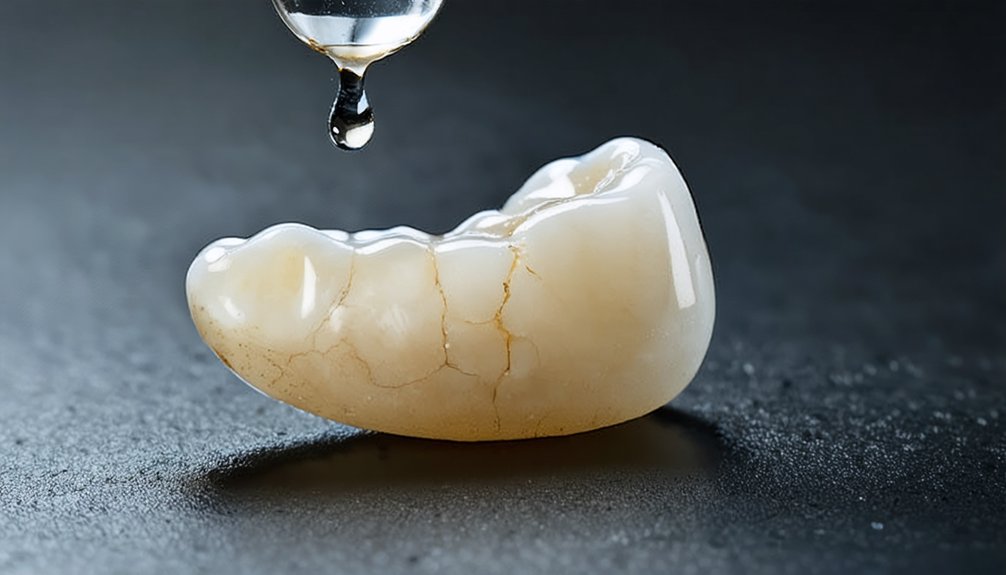
One of the more pressing concerns with hydrogen peroxide whitening is whether it can structurally damage tooth enamel—and the evidence suggests it can, under certain conditions.
Peroxide can weaken enamel through mineral loss, making your teeth more vulnerable to decay and long-term sensitivity. Whitening safety depends heavily on concentration, exposure time, and frequency.
Watch for these risk factors:
- High concentrations (above 6%) greatly increase enamel erosion risk
- Extended contact time allows deeper penetration and greater surface softening
- Repeated daily use compounds damage before your enamel can recover
You’re not powerless here.
Choosing lower concentrations, limiting session frequency, and following product guidelines precisely reduces your structural risk considerably.
How Do Concentration and Exposure Time Affect Your Risk?
Two variables—concentration and exposure time—drive most of the risk associated with hydrogen peroxide whitening. For effective damage prevention, stay below 6% concentration; evidence shows higher levels markedly increase enamel erosion and sensitivity.
Exposure duration matters equally. Swishing peroxide beyond one minute or brushing with it beyond two minutes raises your risk of tissue damage and mineral loss.
Risk mitigation means following product instructions precisely—no extended sessions, no improvised high-concentration formulas. Concentration limits exist because even lower-percentage gels can compromise enamel if you leave them on too long.
Following product instructions isn’t optional—it’s the difference between whitening your teeth and destroying them.
You control both variables directly. Reducing either one reduces cumulative harm. If you’re using commercial strips or gels, respect the recommended contact time and avoid daily repeated applications to minimize long-term damage.
What Higher Hydrogen Peroxide Concentrations Actually Do to Tissue
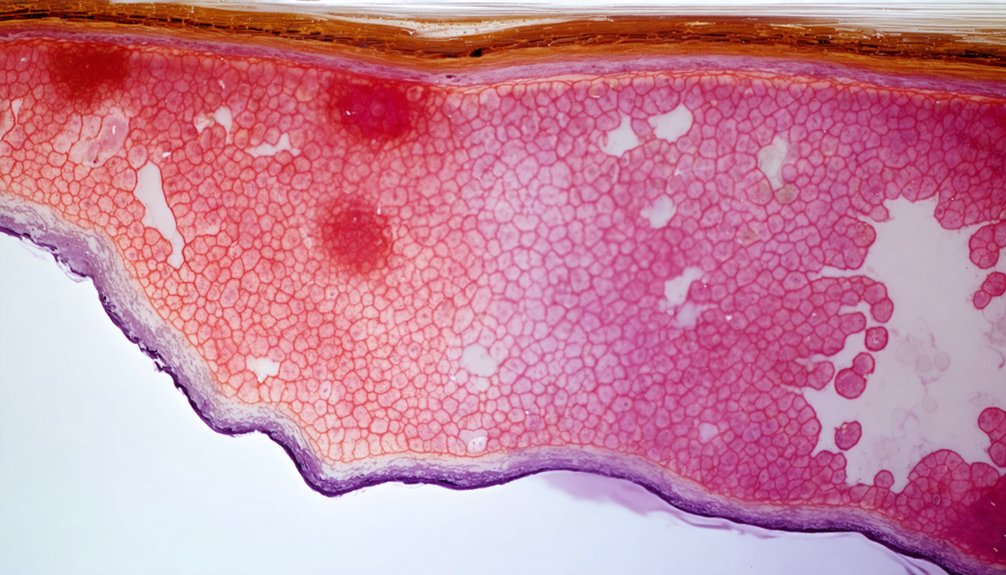
When hydrogen peroxide concentration rises above 6%, the chemistry shifts from surface oxidation to direct tissue penetration. Higher concentrations contact the pulp faster, triggering inflammation and nerve irritation.
One of the most persistent whitening myths is that stronger means safer and faster—it doesn’t. Protecting your tooth health requires understanding what concentrated peroxide actually does:
- Penetrates enamel rapidly, reaching the dentin layer and causing sharp sensitivity
- Chemically burns soft tissue, producing redness, swelling, and ulceration on contact
- Accelerates mineral loss, weakening enamel structure with repeated exposure
European clinical data confirms that sensitivity jumps from 44% at 6% concentration to 59% at 9.5%.
You’re not getting better results—you’re getting greater biological damage with diminishing cosmetic return.
Warning Signs That Mean You Should Stop Whitening Now
If you’re experiencing pain that lingers well beyond your whitening session, visible redness, swelling, or white patches on your gum tissue, or sharp sensitivity to temperature that disrupts daily eating and drinking, you should stop treatment immediately.
These aren’t minor inconveniences—they’re clinical signals that hydrogen peroxide is damaging your enamel or soft tissue beyond what’s considered an acceptable side effect.
Continuing to whiten through these warning signs raises your risk of permanent sensitivity, enamel erosion, and soft-tissue injury that may require professional dental intervention.
Persistent Pain After Whitening
Persistent pain after whitening is a clear signal that something has gone wrong and you should stop treatment immediately. Lingering discomfort beyond 72 hours isn’t normal sensitivity—it’s your body warning you that tissue or enamel damage may have occurred.
Effective pain management starts with stopping the product and consulting your dentist promptly.
Watch for these specific warning signs:
- Sharp, spontaneous pain unrelated to eating or drinking
- Gum soreness or burning that doesn’t resolve within three days
- Sensitivity that worsens rather than improves after stopping use
For sensitivity relief, your dentist may recommend fluoride treatments or desensitizing agents.
Don’t restart whitening until you’ve received professional clearance—continuing treatment risks compounding the damage already done.
Visible Gum Tissue Damage
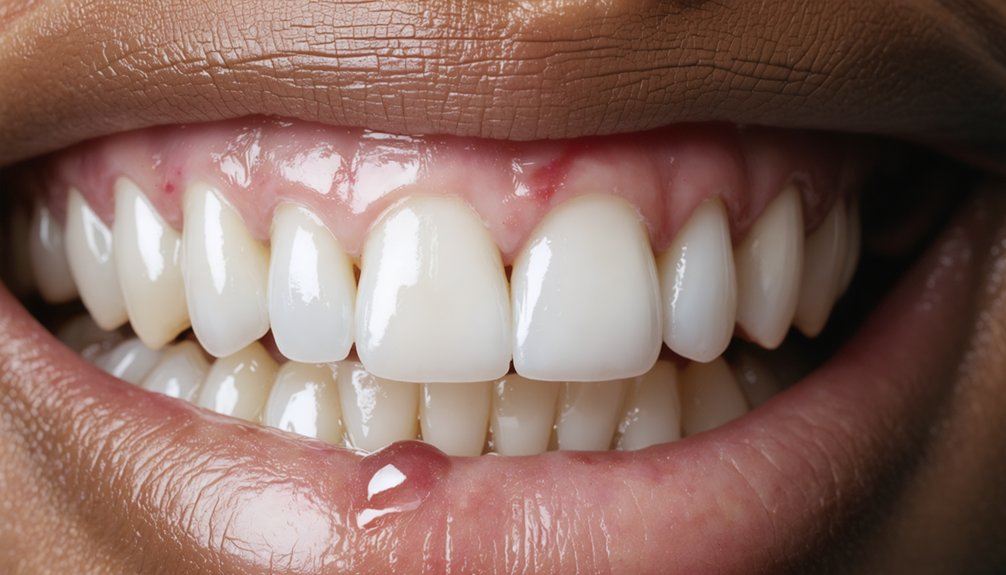
Visible changes to your gum tissue are among the most urgent warning signs that hydrogen peroxide is causing active harm. If you notice whitening, redness, swelling, or chemical burns along your gumline, stop treatment immediately. These signs indicate direct tissue injury, not minor irritation.
Whitening gels that migrate beyond tooth surfaces expose soft tissue to concentrated peroxide, disrupting gum healing at the cellular level. Prolonged or repeated exposure worsens this damage and delays tissue recovery considerably.
Evidence confirms that oral soft-tissue adverse effects resolve in most cases once you discontinue the product. However, continuing use after visible damage appears increases severity and recovery time.
Consult a dentist promptly if gum discoloration, swelling, or soreness persists beyond three days after stopping treatment.
Extreme Temperature Sensitivity
Sharp, sudden pain when consuming hot or cold foods or drinks signals that hydrogen peroxide has begun affecting your tooth’s nerve pathways—and that’s your clearest warning to stop whitening immediately.
Extreme sensitivity at this level indicates potential enamel compromise, and continuing treatment worsens the damage.
Recognizing these specific pain management triggers helps you act before irreversible harm occurs:
- Lingering pain lasting more than 30 seconds after temperature exposure suggests nerve involvement
- Spontaneous aching between meals without any trigger indicates advancing sensitivity
- Sharp electric-like sensations when breathing cold air signal significant enamel erosion
Up to 80% of users experience some sensitivity, but extreme reactions require immediate cessation.
Consult your dentist before resuming any whitening protocol—you’ll protect both your enamel and long-term oral health.
These People Should Not Use Hydrogen Peroxide Whitening
While hydrogen peroxide whitening is generally safe for healthy adults, certain groups face meaningfully higher risks and should avoid it or seek professional guidance first.
Hydrogen peroxide whitening is safe for most adults—but certain groups face meaningfully higher risks and should proceed with caution.
If you have sensitive teeth or active gum disease, whitening will likely worsen your symptoms rather than deliver results. Peroxide penetrates compromised enamel more aggressively and inflames already irritated gum tissue.
You should also hold off if you’re pregnant or nursing, have untreated cavities, or are under 18 with remaining baby teeth. In each case, your oral tissues are either more vulnerable or insufficiently developed to tolerate peroxide exposure safely.
The responsible move is a dental evaluation before starting. Identifying existing conditions first lets you whiten strategically—or recognize that the risk currently outweighs the benefit.
How to Whiten Your Teeth With Less Risk
If you choose to whiten at home, opt for products with hydrogen peroxide concentrations at or below 6% to reduce your risk of enamel damage and sensitivity.
Don’t leave whitening gels or strips on longer than the manufacturer directs, since extended exposure raises the likelihood of both tooth-surface harm and soft-tissue irritation.
Keeping application times short and concentrations low won’t eliminate risk entirely, but evidence suggests these two adjustments meaningfully lower the chance of adverse effects.
Choose Lower Concentrations
Choosing a lower concentration of hydrogen peroxide is one of the most effective ways to reduce your risk of side effects. Concentration selection directly influences your sensitivity management outcomes.
European data shows 59% sensitivity rates at 9.5%, compared to 44% at 6%. Lower concentrations give you meaningful whitening with measurably less tissue and enamel stress.
Practical concentration guidelines to follow:
- Start at or below 6% hydrogen peroxide to minimize enamel exposure and gum irritation risks.
- Avoid concentrations above 6% without professional supervision, as damage likelihood increases considerably.
- Monitor your response after each session and reduce concentration if sensitivity or irritation appears.
Lower concentration doesn’t mean ineffective — it means controlled, evidence-based whitening that protects your long-term oral health.
Limit Application Time
Application time is just as critical as concentration when it comes to managing your whitening risk.
Don’t exceed the manufacturer’s recommended application duration—leaving peroxide on your teeth longer doesn’t accelerate results; it accelerates damage. Evidence shows that swishing with hydrogen peroxide beyond one minute or brushing with it beyond two minutes increases your risk of enamel softening and sensitivity.
Adopt smart timing strategies: use a timer, follow product instructions precisely, and never assume more time equals more whitening. Even lower-concentration gels can cause surface damage when left on too long.
If you experience tingling or discomfort before your session ends, remove the product immediately. Controlling application duration is one of the most direct ways you can protect your enamel while still pursuing whiter teeth.
Frequently Asked Questions
Can Hydrogen Peroxide Whitening Affect Dental Fillings, Crowns, or Veneers?
Yes, hydrogen peroxide won’t whiten fillings, crowns, or veneers, causing filling discoloration mismatches with newly brightened teeth. It can also compromise crown durability over time. You should consult your dentist before whitening to protect existing restorations.
Is Hydrogen Peroxide Whitening Safe to Use While Taking Medications?
You should consult your doctor before using hydrogen peroxide whitening while on medications. Medication interactions can affect your safety precautions, especially if you’re taking blood thinners, immunosuppressants, or drugs that increase photosensitivity or oral tissue vulnerability.
How Long Should You Wait Between Hydrogen Peroxide Whitening Treatment Sessions?
You shouldn’t whiten daily — evidence supports waiting 48–72 hours between sessions for effective sensitivity management. Spacing your treatment frequency lets enamel recover, reduces irritation risk, and keeps you in control of safer, lasting results.
Does Hydrogen Peroxide Whitening Work Differently on Naturally Darker Teeth?
Hydrogen peroxide doesn’t whiten differently based on natural tooth color, but you’ll likely experience heightened natural tooth sensitivity and greater enamel impact if you use higher concentrations trying to achieve dramatically lighter results on darker teeth.
Can Whitening Side Effects Worsen Existing Dental Conditions Like Dry Mouth?
Like fuel on a fire, whitening can intensify dry mouth and oral sensitivity. You’ll likely experience worsened irritation and enamel vulnerability, so consult your dentist before whitening if you already manage these conditions.
References
- https://www.suntreedental.ca/blog/the-role-of-hydrogen-peroxide-in-teeth-whitening-is-it-safe/
- https://www.health.com/condition/oral-health/is-it-safe-to-use-hydrogen-peroxide-to-whiten-teeth
- https://www.medicalnewstoday.com/articles/326148
- https://www.cornerstonedentistryvan.com/the-hidden-dangers-of-teeth-whitening-treatments/
- https://www.healthline.com/health/hydrogen-peroxide-teeth-whitening
- https://www.gentledental.com/resources/articles/hydrogen-peroxide-teeth-whitening
- https://pubmed.ncbi.nlm.nih.gov/23846062/
- https://ec.europa.eu/health/scientific_committees/opinions_layman/en/tooth-whiteners/l-3/5-tooth-whitening-products.htm
- https://www.vanyodentistry.com/blog/are-there-any-side-effects-of-using-peroxide-based-whitening-products/
- https://www.colgate.com.au/oral-health/teeth-whitening/is-hydrogen-peroxide-safe-for-teeth