To whiten your teeth quickly, try oil pulling with coconut oil, brushing with a baking soda paste, and using diluted hydrogen peroxide as a mouthwash. Build a consistent twice-daily brushing routine, and limit staining foods like coffee, red wine, and dark sauces. Quit tobacco to prevent deep staining, and choose ADA-approved whitening products. For stubborn stains, professional dental treatments deliver superior results. Keep exploring to uncover the full details behind each of these proven strategies.
Key Takeaways
- Brush twice daily with whitening toothpaste once or twice weekly, alternating with regular fluoride toothpaste to prevent enamel erosion.
- Use a diluted hydrogen peroxide mouthwash (1.5%) by swishing before brushing to safely reduce stains.
- Drink staining beverages like coffee and red wine through a straw and rinse with water immediately after.
- Oil pull with one tablespoon of coconut oil for 15-20 minutes to reduce bacteria and surface stains.
- Schedule professional dental cleanings twice yearly and request in-office whitening treatments for faster, more effective results.
Try Oil Pulling and Baking Soda to Whiten Teeth at Home
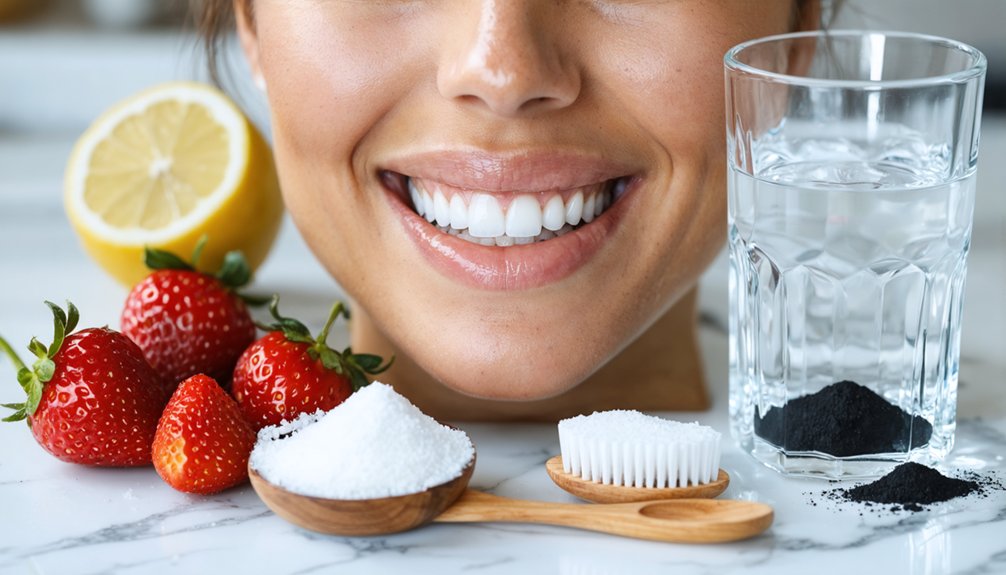
If you’re looking for natural ways to whiten your teeth at home, oil pulling and baking soda are two effective options worth trying. Oil pulling benefits include reducing harmful bacteria and surface stains — simply swish one tablespoon of coconut oil through your teeth for 15 to 20 minutes. It’s a straightforward method you can incorporate into your morning routine before brushing.
For baking soda safety, mix one teaspoon with two teaspoons of water to create a gentle brushing paste. Use it a few times per week, not daily, to avoid enamel erosion.
Alternatively, combine one tablespoon of baking soda with two tablespoons of hydrogen peroxide for a more potent whitening paste. Both methods deliver measurable results when used consistently and correctly.
How to Use Hydrogen Peroxide Without Damaging Your Teeth
Hydrogen peroxide is a powerful whitening agent, but using it incorrectly can damage your enamel or irritate your gums.
Hydrogen peroxide whitens effectively, but misuse risks enamel damage and gum irritation — handle it with care.
For safe hydrogen peroxide safety practices, dilute a 3% solution with equal parts water to achieve a 1.5% concentration before using it as a mouthwash. Swish it before brushing, not after, to avoid overexposure.
For DIY whitening tips, you can mix 1 tablespoon of baking soda with 2 tablespoons of hydrogen peroxide to create a brushing paste, but limit use to once or twice a week.
Never exceed recommended frequencies, and avoid swallowing the solution.
If you experience sensitivity or gum irritation, discontinue use immediately and consult your dentist before resuming any hydrogen peroxide-based whitening routine.
Build a Daily Brushing Routine That Keeps Teeth White
Building a consistent daily brushing routine is one of the most effective ways to maintain a whiter smile over time. Prioritizing oral health means mastering brushing techniques that actively prevent staining and plaque buildup.
Follow these three essential steps:
- Brush twice daily for two minutes using a soft-bristled or electric toothbrush, ensuring full coverage of all tooth surfaces.
- Wait 30 to 60 minutes after eating before brushing to protect enamel from acid erosion.
- Use whitening toothpaste once or twice weekly to remove surface stains, alternating with regular toothpaste to prevent sensitivity.
Complement brushing by flossing daily and rinsing with antiseptic mouthwash to eliminate plaque.
You’ll maintain stronger, whiter teeth when you treat this routine as non-negotiable.
Which Foods and Drinks Stain Your Teeth Most?
What you eat and drink plays a direct role in how white your teeth stay. Certain foods and beverages contain tannins, acids, and pigments that penetrate enamel and cause discoloration over time. Beverage stains from coffee, red wine, black tea, and dark sodas are among the most aggressive culprits. These drinks contain tannins that bind to enamel, locking in color.
Fruit acids found in citrus, berries, and tomato-based sauces erode enamel, making teeth more porous and vulnerable to staining. Soy sauce and curry also contribute considerably to yellowing.
To minimize damage, drink staining beverages through a straw, consume them in one sitting, and rinse with water immediately after. Reducing these foods gives you direct control over your tooth color.
Quit Tobacco to Keep Your Teeth Whiter Longer
If you use tobacco in any form—cigarettes, cigars, pipes, or chewing tobacco—tar and nicotine are actively staining your teeth and undermining any whitening efforts you make.
Quitting tobacco is one of the most impactful steps you can take to preserve your smile’s brightness long-term. Without continued tobacco exposure, your teeth are far less likely to develop the deep, stubborn discoloration that’s difficult even for professional treatments to fully reverse.
Tobacco Causes Tooth Discoloration
Tobacco is one of the worst offenders for tooth discoloration, as tar and nicotine in cigarettes, cigars, pipes, and chewing tobacco leave deep, stubborn stains that are difficult to reverse. Tobacco stains penetrate enamel over time, making whitening treatments less effective. Protecting your oral health starts with eliminating tobacco entirely.
Here’s what tobacco use does to your teeth:
- Tar deposits create yellow-to-brown stains that bond deeply to enamel surfaces.
- Nicotine accelerates discoloration, turning teeth darker with prolonged exposure.
- Chronic use undermines whitening treatments, reducing their longevity and effectiveness.
Quitting tobacco is the single most impactful decision you can make for lasting whiteness. No whitening treatment fully compensates for continued tobacco use.
Quitting Improves Smile Longevity
Quitting tobacco doesn’t just stop further staining — it actively improves how long your whitening results last. Once you eliminate tar and nicotine exposure, your enamel stops absorbing new discoloration, allowing treatments to maintain their effect markedly longer.
You’ll also notice reduced teeth sensitivity over time, since tobacco use compromises gum health and weakens enamel integrity. Fresh breath becomes a consistent benefit as well, replacing the persistent odor tobacco leaves behind.
Schedule touch-up whitening treatments every six months to a year to sustain your results. Combine quitting with twice-daily brushing, daily flossing, and routine dental cleanings to maximize longevity.
The longer you remain tobacco-free, the more control you retain over both the appearance and health of your smile.
See a Dentist When Home Teeth Whitening Isn’t Enough
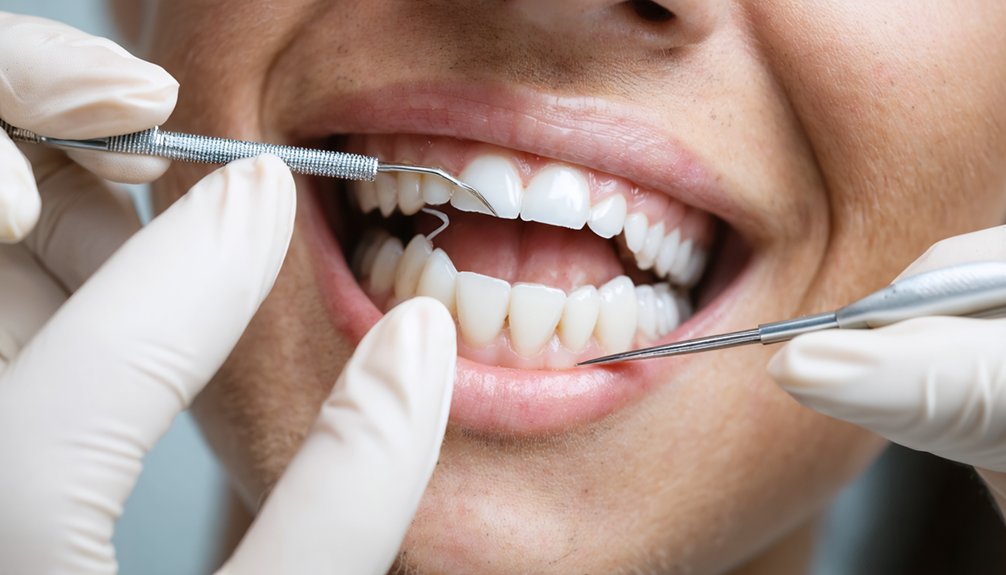
When home remedies fall short, a dentist can provide in-office whitening treatments that deliver faster, more effective results than any DIY method.
You’ll also benefit from custom-fitted whitening trays, which offer a safer and more precise fit than over-the-counter alternatives.
Schedule professional cleanings twice a year to remove stubborn plaque, tartar, and surface stains that home care simply can’t address.
Professional Whitening Treatment Options
Sometimes, home teeth whitening methods simply aren’t enough to achieve the results you’re looking for. When dental plaque buildup or enamel erosion has progressed beyond surface-level treatment, professional intervention gives you the control you need. Your dentist can assess your specific situation and recommend the most effective option.
Here are three professional whitening treatments worth considering:
- In-office whitening treatments – Deliver immediate, dramatic results using professional-grade bleaching agents.
- Custom-fitted whitening trays – Provide a safer, more precise fit than over-the-counter alternatives, minimizing gum irritation.
- Scheduled touch-up treatments – Maintain your results every 6 to 12 months, depending on your lifestyle habits.
Visiting your dentist twice yearly for professional cleanings also removes stubborn stains that home methods can’t fully address.
Custom Dental Whitening Trays
Among the professional whitening options available, custom-fitted dental whitening trays stand out as a reliable middle ground between in-office treatments and over-the-counter products. Your dentist creates a precise dental mold of your teeth, ensuring the tray fitting conforms exactly to your unique dental structure. This precision minimizes gel leakage onto your gums, reducing irritation while maximizing whitening agent contact with your enamel.
Unlike generic store-bought trays, custom versions let you control treatment timing and frequency at home while still benefiting from professional-grade materials. You’ll typically receive a higher-concentration whitening gel than what’s commercially available.
For best results, follow your dentist’s specific usage instructions carefully, and schedule touch-up treatments every six to twelve months based on your lifestyle habits and whitening goals.
Scheduling Regular Dental Visits
Many home whitening methods have their limits, and no amount of baking soda paste or oil pulling will address deeper staining, tartar buildup, or underlying enamel issues.
Take control of your oral health by scheduling professional dental visits strategically:
- Visit your dentist twice yearly for professional cleanings that remove plaque, tartar, and surface stains beyond home dental hygiene capabilities.
- Request in-office whitening treatments for immediate, clinically superior results when home methods plateau.
- Schedule touch-up treatments every 6 to 12 months, adjusted to your lifestyle habits like smoking or coffee consumption.
Your dentist also identifies enamel damage early, preventing costly complications while keeping your whitening results sustainable long-term.
ADA-Approved Whitening Products That Won’t Harm Your Teeth
When choosing teeth-whitening products, your safest bet is to look for the ADA Seal of Acceptance, which confirms a product’s safety and effectiveness. This seal guarantees the product meets rigorous standards for both performance and oral health protection.
For whitening toothpaste, limit use to once or twice weekly to remove surface stains without eroding enamel. Overuse can compromise your oral health, so alternate with regular fluoride toothpaste.
If you prefer natural remedies alongside commercial products, confirm they’re compatible with your current whitening regimen before combining them.
Avoid exceeding recommended usage frequencies printed on product instructions. For stronger whitening agents, consult your dentist about custom-fitted trays or professional-grade options, which deliver more controlled, effective results than generic over-the-counter alternatives while minimizing risks of sensitivity and enamel damage.
Frequently Asked Questions
Can Fruit Peels Really Help Whiten Teeth Naturally at Home?
Yes, fruit peels can help! You’ll want to rub banana, orange, or lemon peel’s inside on your teeth for 2 minutes. These natural remedies work effectively—just rinse and brush thoroughly afterward for best results.
How Often Should I Schedule Professional Touch-Up Whitening Treatments?
Picture a dazzling, radiant smile that never fades—you’ll maintain it with professional maintenance touch-ups every 6 months to a year. Your whitening frequency depends on your chosen method and lifestyle habits, like smoking.
Does Drinking Through a Straw Actually Prevent Teeth Staining?
Yes, drinking through a straw does help protect your dental hygiene by minimizing direct contact between staining beverages and your teeth, making it a simple yet effective strategy alongside cosmetic treatments to maintain your whitening results.
Are Custom-Fitted Whitening Trays Better Than Over-The-Counter Options?
Yes, custom-fitted trays outperform over-the-counter options because they’re designed specifically for your mouth, ensuring superior tray comfort and minimizing dental sensitivity. They deliver more precise whitening gel distribution, giving you greater control over your results.
How Does Tongue Scraping Contribute to a Brighter, Whiter Smile?
Tongue scraping removes tongue bacteria that contribute to plaque buildup, directly enhancing your oral hygiene routine. When you’re consistent with scraping, you’re actively reducing stain-causing bacteria, helping you maintain a noticeably brighter, whiter smile.
References
- https://www.healthline.com/nutrition/whiten-teeth-naturally
- https://longmontdentalloft.com/blog/teeth-whitening-tips/
- https://www.webmd.com/oral-health/teeth-whitening
- https://brushinonbelmont.com/7-teeth-whitening-tips-straight-from-a-dentist/
- https://www.pleasantfamilydentistry.com/blog/6-natural-ways-to-whiten-your-teeth
- https://www.medicalnewstoday.com/articles/322421
- https://health.clevelandclinic.org/how-to-whiten-teeth
- https://www.youtube.com/watch?v=Mg8kUtCwil4
- https://www.youtube.com/watch?v=R6tLKOFmPCg