You can make several natural mouth rinses at home using ingredients like salt, baking soda, and coconut oil, but none of them actually whiten your teeth in a meaningful way. They freshen your breath, soothe your gums, and support overall oral health — and that’s genuinely valuable. Only one DIY rinse has real evidence behind a whitening claim, and knowing how to make it safely changes what’s actually possible for your smile.
Key Takeaways
- Natural rinses like saltwater, oil pulling, and baking soda freshen breath and soothe gums but do not produce true whitening.
- The only home rinse with evidence for stain removal is diluted hydrogen peroxide, not purely natural alternatives.
- Mix one part 3% hydrogen peroxide with two parts water to create a safe, effective stain-reducing rinse.
- Swish the diluted hydrogen peroxide for 30–60 seconds once daily, then spit completely—never swallow.
- Natural rinses support oral health preventatively; for visible whitening, a properly diluted peroxide rinse is necessary.
Do Natural Mouth Rinses Actually Whiten Teeth?
When you reach for a natural mouth rinse hoping for a brighter smile, it’s worth knowing what the evidence actually supports.
Natural remedies like oil pulling, saltwater, and baking soda rinses can freshen your mouth and remove loose debris, but they don’t produce true bleaching. Their cosmetic effects are limited to surface-level improvements, not structural tooth whitening.
Natural rinses freshen and clean, but don’t expect true whitening — their effects stay surface-level.
Diluted hydrogen peroxide is the only at-home rinse with meaningful evidence behind stain reduction, and even that produces modest results compared to professional treatments.
You’re mostly targeting external stains, not changing your tooth’s base color.
Understanding this distinction helps you make informed choices. Natural rinses support a preventative oral-care routine, but if whitening is your goal, set realistic expectations about what these options can deliver.
The Only DIY Rinse Backed by Whitening Evidence
Of all the rinses you’ll find in natural oral-care circles, only one has meaningful evidence behind actual stain reduction: diluted hydrogen peroxide. When you use a 1:1 or 1:2 mix of 3% hydrogen peroxide with water, you’re working with a concentration that clinical data supports for color stability over time—without significant enamel strength loss when used correctly.
Swish briefly, then spit. Don’t swallow it, and don’t use it several times daily. Once or twice is enough.
Results target external stains, not internal tooth color, so your expectations should match that reality. This isn’t a dramatic transformation—it’s measured, controlled stain management.
Every other natural rinse you’ve read about, from oil pulling to saltwater, doesn’t carry the same whitening evidence. Choose intentionally.
What Concentration of Hydrogen Peroxide Is Safe to Rinse With?
If you’re reaching for hydrogen peroxide as a natural rinse, concentration is everything — European dental safety guidance confirms that rinses up to 0.1% carry no meaningful risk, while clinical data show no adverse effects at concentrations up to 1.5% used once or twice daily for two years.
The standard drugstore bottle sits at 3%, so you’ll want to dilute it at least 1:1 with water before swishing briefly and spitting.
Going stronger or rinsing more frequently doesn’t accelerate whitening — it accelerates irritation, tissue damage, and enamel vulnerability instead.
Safe Dilution Guidelines
Getting the dilution right matters more than most people realize. If you’re starting with a standard 3% hydrogen peroxide solution from the pharmacy, dilute it at a 1:1 ratio with water to bring the concentration down to around 1.5%. That range stays within the threshold where clinical data shows no serious adverse effects with once or twice daily use.
Going stronger won’t remove dental plaque faster or whiten better — it’ll increase your risk of enamel erosion and tissue irritation instead. European dental safety guidance confirms that rinses above 0.1% carry rising risk, so staying near the lower end gives you meaningful stain control without unnecessary exposure.
Swish briefly, spit completely, and never swallow.
Risks of Higher Concentrations
Pushing the concentration higher doesn’t accelerate whitening — it accelerates damage. When hydrogen peroxide exceeds safe thresholds, the chemical reactions it triggers shift from stain-breaking to tissue-burning.
You’ll risk mucosal whitening, dryness, and irritation that compound over time. Your oral microbiome is also vulnerable — aggressive concentrations disrupt the bacterial balance your mouth depends on for protection and healing.
European dental safety data show that rinses above 1.5% used frequently cause measurable harm, while anything above 6% is simply unsafe for consumer use.
You’re not gaining whitening power by going stronger; you’re trading minor stain reduction for real tissue damage.
Dilute carefully, limit contact time, and respect the concentration ceiling. Control means precision — not excess.
How to Make a Safe Hydrogen Peroxide Mouth Rinse at Home
Making a safe hydrogen peroxide mouth rinse at home starts with one key principle: dilution matters. Mix one part 3% hydrogen peroxide with two parts water to bring the concentration down to a manageable level. Swish for 30 to 60 seconds, then spit it out completely—never swallow it.
Dilution is everything: one part 3% hydrogen peroxide, two parts water, swished briefly, then fully spit out.
You don’t need elaborate dental tools or complex herbal remedies to do this responsibly. A clean cup and measured amounts are enough.
Use this rinse once daily at most, and don’t treat it as a replacement for brushing or flossing.
If you have mouth sores, sensitivity, or gum inflammation, skip it entirely.
Keeping concentration low and contact time short is how you stay in control of your results without causing tissue irritation.
Baking Soda, Salt, and Oil: What They Actually Do for Your Teeth
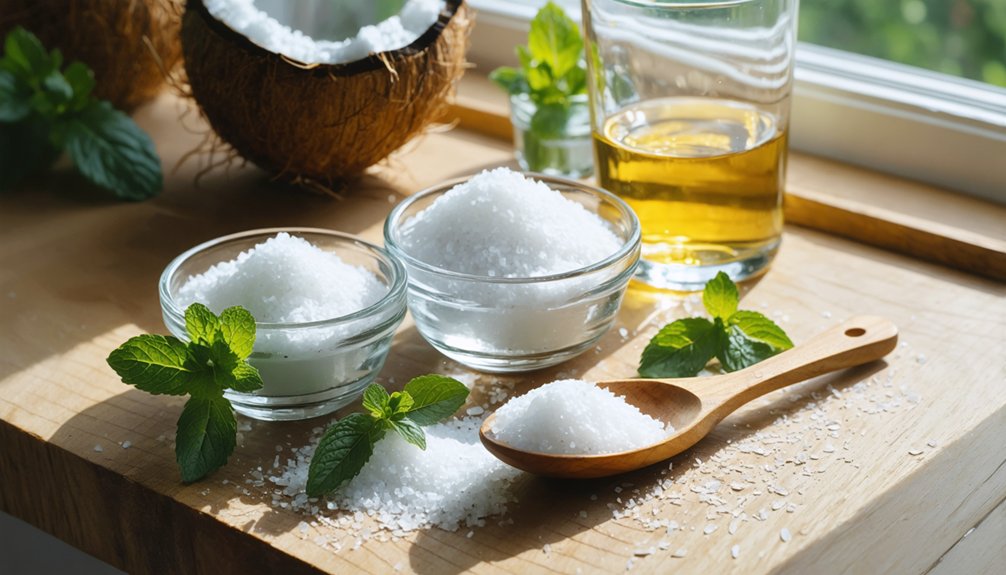
Baking soda, salt, and oil each play a different role in your mouth, and none of them bleach your teeth. Like many natural remedies, they support oral health without delivering true whitening. Here’s what they actually do:
- Baking soda neutralizes acids and loosens surface debris, making teeth *look* cleaner without bleaching enamel.
- Salt rinses soothe irritated tissues and reduce bacteria, not stains.
- Coconut oil pulling reduces some plaque when used consistently, but evidence doesn’t support whitening claims.
- Herbal ingredients like aloe vera support gum health and freshen breath, not tooth color.
You can incorporate these into your routine for maintenance, but pair them with proven methods if stain removal is your actual goal.
Signs You Are Overusing Your Homemade Peroxide Rinse
Natural ingredients like baking soda and salt have clear limits, and so does hydrogen peroxide. If you’re noticing tooth sensitivity when eating or drinking, that’s your first signal to scale back.
Other warning signs include a white, patchy appearance on your gum tissue, a dry or burning sensation, and an unusual taste that lingers after rinsing.
These reactions suggest your concentration is too high, your swishing time too long, or you’re rinsing too frequently.
Using peroxide daily alongside thorough dental flossing and brushing is reasonable, but multiple daily rinses push past safe thresholds.
Take these signals seriously. Reducing frequency or diluting further often resolves early irritation before real damage sets in.
Your goal is cleaner teeth, not compromised tissue.
Does Oil Pulling Whiten Teeth or Just Sound Like It Does?
Oil pulling has been practiced for centuries in Ayurvedic tradition, so it’s easy to assume the ritual carries whitening power alongside its cultural roots. Research doesn’t support that assumption. Oil pulling won’t bleach surface stains or structurally lighten your teeth.
Centuries of tradition don’t equal whitening power — and the research confirms oil pulling won’t lighten your teeth.
Here’s what the evidence actually shows:
- No whitening effect — Studies don’t confirm oil pulling removes surface stains or changes tooth color.
- Limited plaque reduction — Any oral improvement likely reflects mild plaque disruption, not bleaching.
- No cavity or gum protection — It doesn’t replace fluoride-based care or flossing.
- No detox benefit — Whole-body cleansing claims aren’t backed by reliable evidence.
You deserve practices that deliver real results. Keep oil pulling in cultural context, not your whitening routine.
Fresher Mouth vs. Whiter Teeth: Why the Difference Matters
When you rinse with baking soda, salt water, or coconut oil, you’re likely freshening your breath and soothing your mouth — not whitening your teeth. That distinction matters for your oral health and your expectations.
Freshening describes reduced odor, lowered acidity, or calmed tissue. Stain removal means breaking down pigmented compounds on enamel. Most natural rinses do the first; only peroxide-based options reliably do the second.
Baking soda can loosen surface debris, making teeth appear cleaner without true bleaching. Salt water calms irritated gums. Neither delivers meaningful stain removal.
Knowing the difference lets you use each rinse intentionally. If freshness is your goal, natural rinses work well. If you want visible whitening, diluted peroxide is your stronger, evidence-backed choice.
Frequently Asked Questions
Can Children Safely Use Homemade Hydrogen Peroxide Mouth Rinses?
Ironically, while you’re crafting homemade solutions for brighter smiles, children’s safety demands a different path. Don’t use hydrogen peroxide rinses on kids — their developing tissues are far more vulnerable to irritation than adults’.
How Long Should I Wait Before Eating After Rinsing?
Wait at least 30 minutes before eating. These timing tips let the rinse work while protecting your enamel. Follow these eating precautions to stay in control of your natural, preventative oral-care routine.
Will DIY Rinses Interact With Dental Crowns or Veneers?
DIY rinses won’t damage crowns or veneers directly, but you’ll want to prioritize dental crown compatibility and veneer safety considerations by avoiding high-peroxide concentrations, which can irritate surrounding gum tissue and potentially affect bonding over time.
Should I Use a Homemade Rinse Before or After Brushing?
Use your homemade rinse after brushing. Timing considerations matter—rinsing effectiveness improves when plaque’s already cleared away, letting natural ingredients contact cleaner surfaces. You’ll maximize your rinse’s preventative benefits without washing away beneficial fluoride prematurely.
Can Pregnant Women Safely Use Hydrogen Peroxide Mouth Rinses?
Like stepping carefully on uncertain ground, you should consult your doctor first. Pregnancy safety matters deeply, and current hydrogen peroxide guidelines don’t confirm it’s risk-free during pregnancy, so you’ll want personalized, preventative guidance before using any peroxide rinse.
References
- https://www.personalcaredentistry.com/5-natural-mouthwashes-you-can-make-at-home-2/
- https://www.nature.com/articles/4813423
- https://ec.europa.eu/health/scientific_committees/opinions_layman/en/tooth-whiteners/l-2/8-conclusion.htm
- https://www.medicinenet.com/safe_to_rinse_your_mouth_with_hydrogen_peroxide/article.htm
- https://www.dentaly.org/en/oral-hygiene/best-mouthwash/homemade-mouthwash/
- https://ec.europa.eu/health/opinions/en/tooth-whiteners/l-3/6-tooth-whitening-side-effects.htm
- https://www.sciencedirect.com/science/article/abs/pii/S0300571225000302
- https://oralcompass.org/articles/oil-pulling-evidence/
- https://www.dentaly.org/us/oral-hygiene/best-mouthwash/hydrogen-peroxide-mouthwash/
- https://www.menshealth.com/health/a37501658/hydrogen-peroxide-rinse-mouth-whiten-teeth/