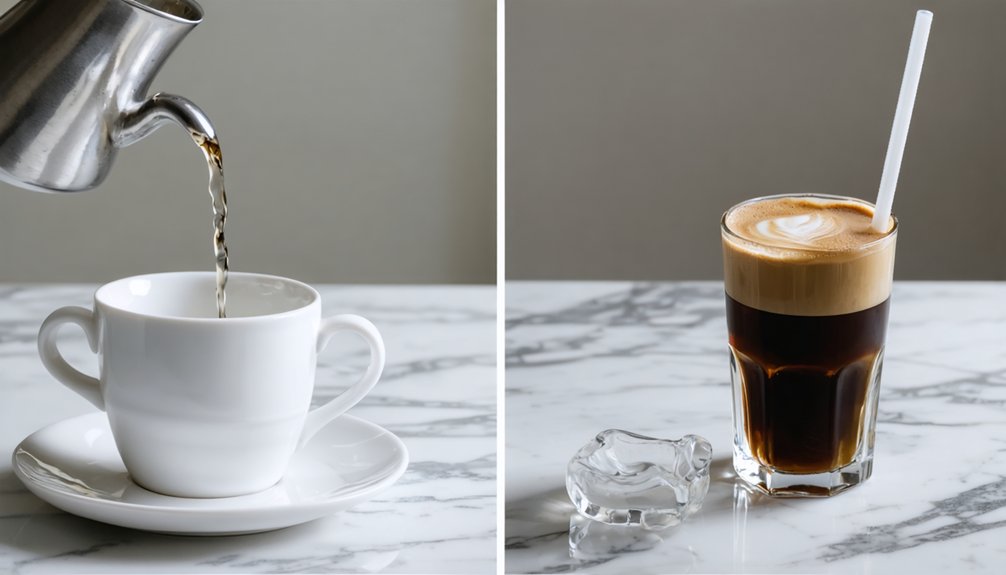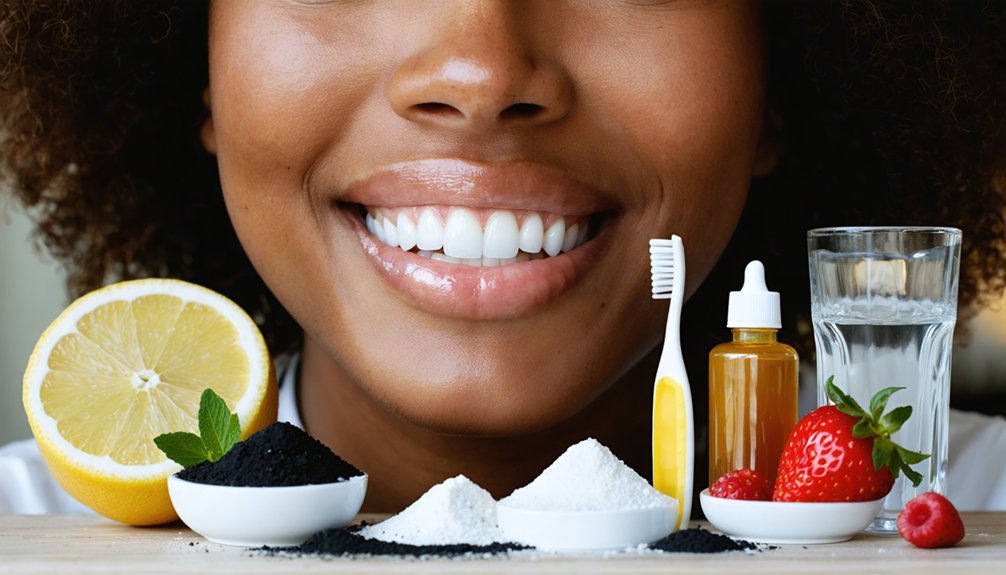
Tea stains your teeth because tannins bond directly to enamel, but you can reverse and prevent that discoloration. Rinse with water immediately after drinking tea, then brush 30 minutes later using a validated whitening toothpaste. Use a straw, finish tea quickly, and add milk to reduce pigment contact. Floss daily and maintain consistent oral hygiene habits. For stubborn stains, professional whitening delivers faster results. Each technique builds on the next, and the full picture gets clearer ahead.
Key Takeaways
- Rinse with plain water immediately after drinking tea to displace tannins before they bond to enamel.
- Wait 30 minutes after tea, then brush using gentle circular strokes with whitening toothpaste containing hydrogen peroxide or baking soda.
- Use a straw when drinking iced tea to minimize pigment contact with front teeth.
- Add milk during brewing to bind tannins before they reach enamel, reducing staining potential significantly.
- Professional whitening treatments, including in-office laser procedures or custom trays, deliver faster, more reliable results for stubborn stains.
Rinse With Water After Tea to Prevent Stains
How quickly you act after drinking tea can make a measurable difference in staining. Tannins released during tea brewing bind to enamel within minutes, so rinsing with plain water immediately after each cup gives you a practical first defense.
Water mechanically displaces tannin residue before it settles into enamel surfaces, supporting long-term enamel protection without introducing abrasion or chemical exposure.
This step costs nothing and requires no special product. Rinse thoroughly for several seconds, ensuring water reaches all tooth surfaces.
If you drink multiple cups daily, rinse after each one rather than waiting until the end of the day. Pair this habit with brushing approximately 30 minutes later for stronger stain control.
Consistency matters more than intensity here.
How to Drink Tea Without Staining Your Teeth
Rinsing after tea addresses staining after contact has already occurred, but adjusting how you drink tea reduces that contact from the start. Drinking through a straw minimizes pigment exposure on front teeth, making it a practical option for iced tea without compromising tea flavor.
Adding milk binds tannins before they reach enamel, reducing staining potential while subtly altering taste. Finishing your cup quickly limits the time pigments remain against tooth surfaces.
Lowering brewing temperature reduces tannin concentration, which directly decreases staining intensity. Reducing daily intake frequency also produces measurable differences in long-term discoloration.
These behavioral adjustments work upstream of staining rather than correcting it afterward, giving you precise control over exposure before whitening or rinsing interventions become necessary.
Which Whitening Toothpaste Actually Works on Tea Stains?
Whitening toothpastes vary considerably in effectiveness, and three active ingredients consistently show the strongest results against tea stains: hydrogen peroxide, silica-based polishing agents, and baking soda.
Hydrogen peroxide lifts extrinsic discoloration chemically, silica polishes surface deposits mechanically, and baking soda addresses both functions at a mild level.
Look for the ADA Seal of Acceptance as a reliable quality marker when selecting a formula.
If you’re drawn to herbal alternatives or natural remedies like activated charcoal or clay-based pastes, approach them cautiously—evidence supporting their effectiveness remains limited, and some carry abrasion risks that can compromise enamel over time.
Twice-daily brushing with a clinically validated whitening toothpaste produces measurable improvement in extrinsic tea stains within several weeks, making it your most reliable starting point.
How to Brush Your Teeth So Tea Stains Don’t Stick
Choosing the right toothpaste is only part of the equation—how and when you brush matters just as much for keeping tea stains from taking hold.
After drinking tea, wait 30 minutes before brushing. Tea temporarily softens enamel, and brushing too soon accelerates erosion rather than aiding cavity prevention.
Use an electric toothbrush if possible—it removes plaque and surface pigment more effectively than manual brushing.
Apply gentle, circular strokes rather than aggressive scrubbing, which damages enamel over time.
Brush twice daily on a consistent schedule, and floss daily to eliminate plaque that traps tannins.
Supporting oral hydration by drinking water throughout the day also reduces pigment adhesion between brushing sessions.
Precision and consistency in your technique control stain accumulation more effectively than sporadic intensive cleaning.
The Best At-Home Stain Removers for Tea Stains
Several at-home stain removers can reduce tea discoloration, though their effectiveness and safety profiles vary. Baking soda removes surface stains through mild abrasion but doesn’t bleach enamel — use it sparingly to avoid enamel erosion.
Hydrogen peroxide offers light stain-lifting and appears in many over-the-counter whitening formulations. If you drink herbal teas regularly, these stain similarly to black tea, so the same removers apply.
Natural remedies like oil pulling with coconut oil are sometimes cited for surface-stain reduction, but supporting evidence remains limited. Activated charcoal and apple cider vinegar carry notable enamel-risk concerns due to abrasiveness and acidity, respectively.
Prioritize products with clinically validated ingredients over trending alternatives. When stains persist despite consistent at-home use, professional intervention becomes the more reliable next step.
When to Step Up to Professional Whitening
When at-home methods stop delivering results, professional whitening becomes the more reliable option. If tea stains persist after several weeks of consistent whitening toothpaste use and proper oral hygiene, it’s time to consult your dentist.
Professional treatments include in-office laser whitening, which activates bleaching agents more rapidly than over-the-counter strips or trays. Your dentist can also prescribe custom-fitted trays with 10% carbamide peroxide for controlled at-home bleaching over two or more weeks.
Professional in-office laser whitening activates bleaching agents faster than any strip or tray you’ll find over the counter.
Many professional protocols now incorporate enamel strengthening agents, such as fluoride or remineralizing compounds, to protect tooth structure during the whitening process.
After treatment, avoid tea and other pigment-rich foods for 48–72 hours to prevent rapid restaining. Regular dental cleanings help maintain those results long-term.
Daily Habits That Stop Tea Stains From Coming Back
Once you’ve addressed existing stains, maintaining your results depends on consistent daily habits. Rinsing with water after every cup removes tannins before they settle into enamel.
Brushing on a twice-daily schedule—delayed 30 minutes after tea—prevents plaque buildup that accelerates discoloration.
Reducing your overall tea intake further limits cumulative pigment exposure, giving your prevention routine the best chance of holding your results long-term.
Rinse After Every Cup
Rinsing your mouth with plain water after every cup of tea is one of the simplest and most effective daily habits for preventing tannin buildup on enamel. Tannins released during tea brewing bind quickly to enamel surfaces, so timing matters. Rinsing immediately after each cup disrupts that binding process before stains can settle.
You don’t need any special product—plain water is sufficient and carries no abrasion risk. For stain prevention, consistency is what drives results. Rinse after each cup, not just once daily.
This habit pairs well with delayed brushing; since tea temporarily softens enamel, wait approximately 30 minutes before brushing. Together, rinsing and timed brushing form a reliable, low-cost defense against recurring discoloration without compromising enamel integrity.
Brush On A Schedule
Two brushing sessions daily form the structural backbone of any effective stain-prevention routine. Consistent brushing and flossing techniques remove plaque that accelerates discoloration, keeping tea stains from compounding over time.
Brushing timing matters considerably: wait 30 minutes after drinking tea before brushing, since enamel softens temporarily from acidity. Brushing too soon causes abrasion damage.
- Brush twice daily using an electric toothbrush, which outperforms manual brushes for plaque removal.
- Use whitening toothpaste with silica or hydrogen peroxide to target extrinsic surface stains.
- Apply correct flossing techniques daily to eliminate interdental plaque contributing to staining.
- Brush gently — aggressive scrubbing erodes enamel, worsening discoloration long-term.
Discipline in your daily routine delivers measurable, cumulative stain-prevention results.
Limit Daily Tea Intake
Brushing habits control what remains on your teeth after tea, but how often you drink tea determines how much staining pressure your enamel faces each day. Reducing your daily intake directly lowers cumulative tannin exposure, making stain prevention far more manageable.
If eliminating tea isn’t realistic, modify how you consume it. Drinking through a straw minimizes front-tooth contact, and finishing each cup quickly reduces pigment dwell time. Adding milk during tea brewing binds tannins before they reach your enamel.
Rinsing with water immediately after each cup removes residual pigments before they settle. These adjustments don’t require sacrifice — they require strategy.
Fewer daily cups combined with smarter consumption habits substantially reduce the staining load your enamel must absorb over time.
Frequently Asked Questions
Can Green Tea Stain Teeth as Badly as Black Tea Does?
Green tea’s lighter tea color causes less staining than black tea, but it still contains tannins that’ll discolor your enamel. You should prioritize stain prevention by rinsing immediately with water after every cup.
Does Teeth Whitening Cause Long-Term Sensitivity or Enamel Damage?
Worried about lasting harm? You’ll be relieved—whitening doesn’t cause permanent dental sensitivity or enamel erosion when used correctly. Temporary sensitivity may occur, but following recommended guidelines protects your enamel and keeps long-term damage minimal.
Are Some People Naturally More Prone to Tea Staining Than Others?
Yes, you can be more prone to tea staining due to genetic predispositions affecting enamel porosity and thickness. Your lifestyle habits, like tea frequency and oral hygiene consistency, further determine how substantially tannins discolor your teeth.
Can Tea Stains Affect Dental Veneers or Crowns the Same Way?
Over 90% of dental restorations show surface discoloration over time. Tea stains won’t penetrate your veneers or crowns like natural enamel, but crown discoloration and reduced veneer durability occur as tannins accumulate on restoration surfaces.
Does the Temperature of Tea Affect How Deeply It Stains Teeth?
Temperature itself doesn’t directly alter tea composition, but hot tea increases staining duration by prolonging enamel contact. You’ll reduce risk by drinking quickly, rinsing immediately with water, or using a straw to limit pigment exposure.
References
- https://www.advantagedental.com/blog/how-to-remove-coffee-and-tea-stains-from-your-teeth
- https://www.youtube.com/watch?v=S1ltc0YS_TI
- https://www.reddit.com/r/tea/comments/39kk1u/tips_for_stained_teeth/
- https://www.smilearizonadentistry.com/blog/remove-coffee-stain-from-teeth
- https://scienceinsights.org/how-to-remove-tea-stains-from-teeth-what-works/
- https://jananidentalcare.com/blog/tea-coffee-stains-teeth-whitening
- https://clubwhitesmile.com/whitening-techniques-to-remove-tea-stains-from-teeth/
- https://clubwhitesmile.com/teeth-whitening-remedies-for-tea-stain-removal/
- https://mypenndentist.org/dental-tips/2024/02/13/how-to-remove-stains-from-teeth/