When treating medication stains, you’ll need a chemically matched gel to break down oil-based, pigmented, or oxidizing compounds that ordinary detergents can’t touch. Your five best options are Citrus Gel, Conquer O2 Gel, Conquer Gel, Oxygen Bleach Gel Powder, and Hydrogen Peroxide-Based Gel. Each targets a specific stain composition, so selecting the wrong one risks spreading contamination deeper into fibers. The right choice depends on your fabric type, stain contents, and treatment timing—all of which are covered ahead.
Key Takeaways
- Citrus Gel effectively dissolves oily, dye-based medication residues using citrus solvents, making it ideal for most common medication stains.
- Conquer O2 Gel uses oxidizing agents that work over hours, slowly encapsulating and lifting stubborn pigmented medication stains.
- Conquer Gel serves as a reliable encapsulating alternative when Citrus Gel fails to fully remove persistent medication residues.
- Oxygen Bleach Gel Powder harnesses sodium percarbonate for safe, effective bleaching without damaging colorfast fabric fibers.
- Hydrogen Peroxide-Based Gel gently lifts medication stains from delicate fabrics without causing fiber degradation or discoloration.
Why Medication Stains Are So Hard to Remove
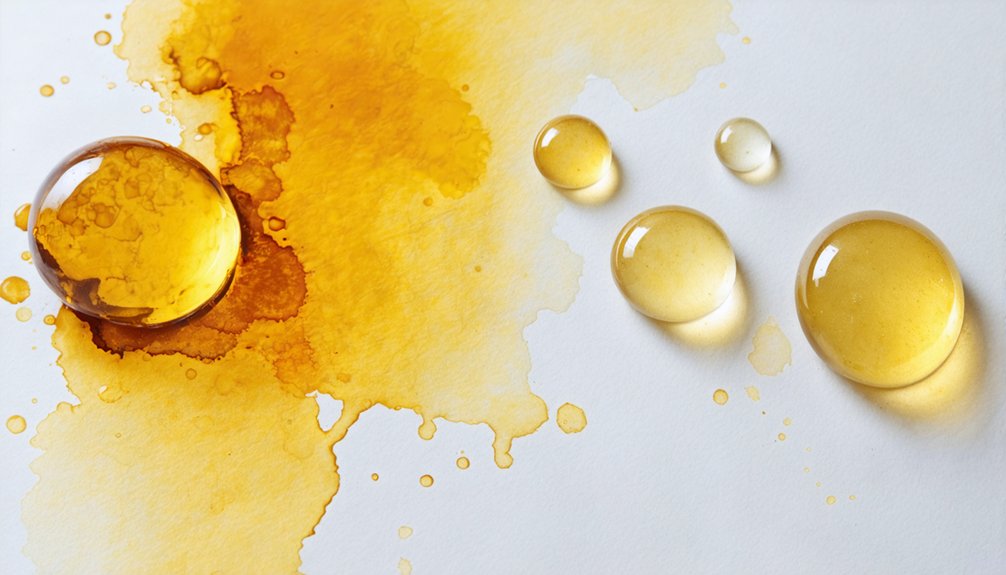
You’ll also face stain reactivation if you use the wrong solvent. Certain compounds re-liquefy when exposed to water, spreading the contamination further into surrounding fibers.
This is why targeted application matters. Understanding what the medication contains—whether it’s an oil-based carrier, an oxidizing agent, or a pigmented compound—lets you select the right gel formulation and apply it with precision before the stain becomes irreversible.
5 Gels That Actually Remove Medication Stains
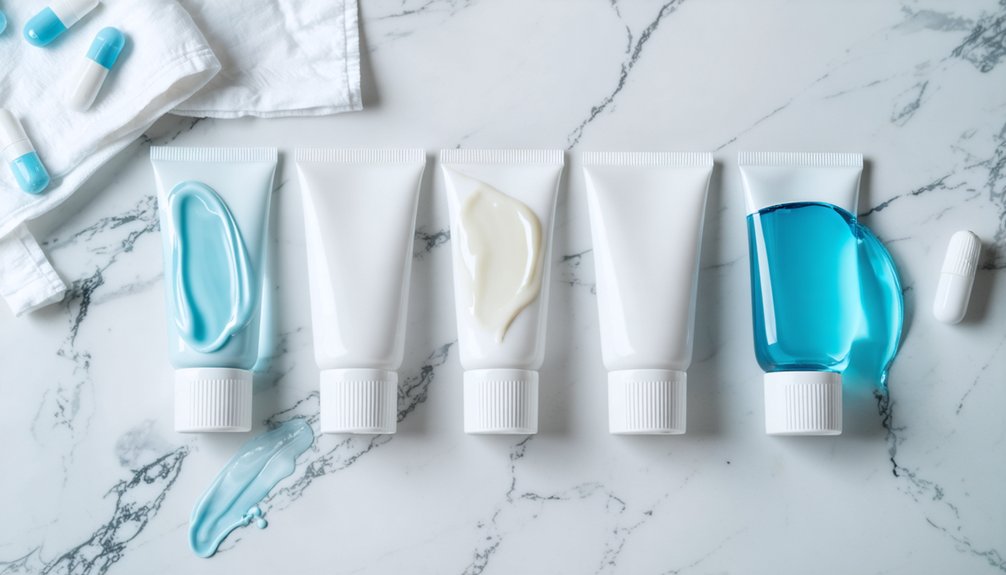
Knowing what’s in your medication stain points you directly toward which gel formulation will break it down. Each product targets a specific chemical reaction between the residue and fabric fibers.
- Citrus Gel — Dissolves oily, dye-based residues using citrus-based solvents.
- Conquer O2 Gel — Oxidizing agents continue working for hours as it dries, encapsulating stubborn pigment.
- Conquer Gel — An encapsulating alternative when Citrus Gel underperforms.
- Oxygen Bleach Gel Powder — Sodium percarbonate drives bleaching chemical reactions safe for colorfast fabrics.
- Hydrogen Peroxide-Based Gel — Low-concentration formulations lift stains without fiber degradation.
Match your gel formulations to the stain’s composition — oily residues need solvents, pigment-based stains need oxidizers, and set-in marks need encapsulation.
Which Fabrics Can Handle These Stain Removal Methods
Before applying any gel-based stain remover, check your fabric’s tolerance for solvents, oxidizers, and heat. Fabric compatibility determines whether citrus-based solvents or oxidizing agents will lift the stain or damage the material.
Colorfast fabrics handle sodium percarbonate and hydrogen peroxide safely, making them compatible with oxygen-based gels. Dye safety becomes critical with dark or printed textiles—always test on a hidden seam before full application.
Natural fibers like cotton and linen tolerate the hottest wash temperatures, improving post-treatment removal. Synthetic fibers require lower heat settings to prevent distortion.
Avoid applying Citrus Gel to acetate, rayon, or dry-clean-only fabrics. Air-dry the garment after treatment before inspecting results—heat from a dryer can permanently set any residual stain into heat-sensitive fibers.
How to Apply Medication Stain Removal Gels Step by Step
Applying medication stain removal gels correctly determines whether the treatment lifts the stain or drives it deeper into the fibers. Stain prevention starts before gel application—blot excess medication immediately and avoid rubbing, which spreads residue further.
Apply Citrus Gel directly onto the affected area, targeting only the stained fibers. Allow a controlled dwell time of five minutes, then lightly agitate using your fingers or a soft brush. Blot with a clean towel to lift softened contamination.
Follow with Conquer O2 gel as an oxidizing agent for any remaining residue. Rinse thoroughly using an extractor to prevent re-soiling. Wash using the hottest water safe for the fabric.
Air-dry completely before inspecting—heat from a dryer can permanently set residual staining.
When Gel Fails: Backup Treatments That Work
Even when gel treatments fail, several evidence-based backup options can still lift medication stains from fabric. If stain resistance persists after gel application, apply an oxygen bleach solution containing sodium percarbonate directly to the affected fibers. The chemical reactions triggered by sodium percarbonate release active oxygen, which breaks down residual pigment bonds effectively.
If oxygen bleach underperforms, pre-treat with dish soap or a heavy-duty laundry detergent before re-washing at the hottest water temperature the fabric tolerates.
For oily residues, baking soda absorbs remaining contamination before you apply white distilled vinegar to initiate a secondary chemical reaction. Always air-dry the garment before inspecting results—heat from a dryer permanently sets unresolved stains, eliminating any remaining treatment options.
Frequently Asked Questions
Can Medication Stains Cause Permanent Fabric Discoloration if Left Untreated?
Persistent, potent medication stain causes can permanently alter fabric discoloration if you delay treatment. Coal tar and dapsone bind deeply into fibers, so you’ll want to act fast before irreversible chemical bonding sets in.
Are Gel Stain Removers Safe to Use on Colored or Patterned Fabrics?
Yes, you can safely use gel stain removers on colored or patterned fabrics if you first perform colorfast testing on a hidden area, ensuring the product won’t disturb fabric dye integrity before full application.
How Long Can Medication Stains Sit Before Becoming Impossible to Remove?
No medication stain becomes truly impossible to remove, but you’ll find stain removal tips work best within 24 hours. Prioritizing medication stain prevention keeps you in control before set-in residues demand aggressive gel-based intervention.
Do Gel Stain Removers Expire or Lose Effectiveness Over Time?
Yes, gel stain removers do lose effectiveness over time. You’ll find their chemical stability degrades, shortening shelf life. Store them in cool, dark conditions to maintain oxidizing agents’ and citrus solvents’ potency for maximum stain-fighting control.
Can These Gel Treatments Remove Stains From Carpet or Upholstery Too?
Imagine dapsone gel ground into upholstery fibers — you’d apply Citrus Gel directly, allow a 5-minute dwell, then extract. These treatments work effectively for carpet cleaning and upholstery care when you control dwell time precisely.
References
- https://www.prosthetics.va.gov/psas/Documents/MedsThatStainClothing.pdf
- https://www.thespruce.com/remove-vitamin-oil-stains-2146963
- https://kinrossresearch.com/best-stain-removers/
- https://actichem.com.au/knowledge-centre/how-to-remove-medicine-stains-from-carpet/
- https://www.reddit.com/r/laundry/comments/1i4v9cd/what_has_been_the_best_stain_remover_you_guys/
- https://www.consumer.org.nz/home-and-living/laundry-and-cleaning/laundry-stain-removers-spot-treatments/guide