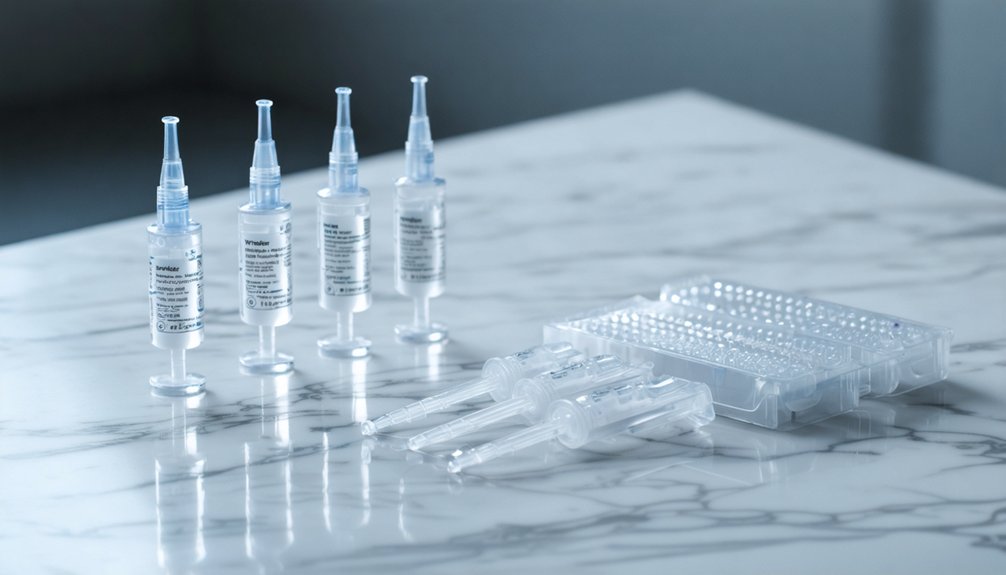
Gel refills with 16%–22% carbamide peroxide concentrate give you the most applications per syringe while keeping results consistent across sessions. You’ll stretch each refill further by applying only one-third to one-half syringe per arch and storing unopened syringes in a cool, dark environment. Proper dosing, surface cleanliness, and tray maintenance all directly influence how long your results hold. There’s considerably more to unpack if you want to get the most out of every application.
Key Takeaways
- Extra-strength gel refills delivering 12+ applications maximize longevity by reducing how frequently new refills are needed.
- Using one-third to one-half syringe per arch prevents waste and extends each refill’s lifespan significantly.
- Storing gel syringes in cool, dark environments keeps opened refills viable for up to six months.
- Scheduling touch-up sessions every 3–6 months reduces correction intensity and stretches overall whitening product utility.
- Comparing cost-per-application across brands identifies the most economical refills for sustained, long-term whitening maintenance.
How Long Do Gel Refills Actually Last?
When choosing a gel refill, how long it lasts depends on two distinct factors: the number of applications per tube and how frequently you need to top up.
Most refills yield 5–10 applications, though extra-strength formulations can deliver 12 or more tray fills, directly improving gel durability.
Most refills deliver 5–10 applications, but extra-strength formulas push that to 12 or more, maximizing every tube.
Refill efficiency hinges largely on dosing discipline — using one-third to one-half of a syringe per arch prevents waste and extends your supply.
Maintenance schedules typically run every 3–6 months, with initial courses lasting around 7 days.
Once opened, most gels remain viable for up to 6 months when stored correctly.
Understanding these variables lets you calculate exactly how long a refill will serve you before reordering.
Which Gel Refills Give You the Most Applications?
Knowing how many applications a refill yields matters just as much as how long it stays viable. Extra-strength formulas, such as those advertising 12+ tray refills per tube, give you the highest application count when you dose correctly.
Opalescence recommends one-third to one-half syringe per arch, while Icy Bear advises a quarter-syringe per session. Measured dosing directly controls how far your supply stretches.
Color stability also depends on consistent, repeated application rather than infrequent heavy use, so higher-yield refills support that rhythm better.
Confirm your tray fit before each session — a poor fit wastes gel and compromises contact time, reducing effectiveness per application.
Prioritizing refills with verified high-yield output lets you maintain your results without constant repurchasing.
How Much Gel Per Session Makes Refills Last?
Dosing discipline is the single most controllable factor in how far a refill stretches. Opalescence recommends one-third to one-half of a syringe per arch per session. Icy Bear advises a quarter of the syringe per side. Both approaches reflect the same principle: measured application reduces waste and extends supply.
Overfilling compromises tray fit by pushing excess gel past the margins, which also interferes with color matching accuracy since uneven contact produces inconsistent shade results. You’ll get cleaner, more predictable outcomes by applying a thin, consistent line along the cheek-facing surface of each tray.
Most refills yield five to ten sessions under standard dosing. Disciplined application can push that higher. Every excess drop you waste is one fewer session you have available for maintenance.
Does Storage Affect Gel Refill Performance?
How you store your gel refills directly affects their potency and usable lifespan. You should keep syringes away from direct sunlight and in a cool, protected environment to preserve the active whitening agents.
Once opened, most gel refills carry a shelf life of around six months, so you’ll want to track your usage to avoid applying a degraded product.
Avoiding Direct Sunlight
Storage conditions directly affect how well your whitening gel performs across repeated sessions. Sunlight exposure and storage temperature both degrade active whitening compounds, reducing efficacy before you’ve finished the refill.
Follow these three storage rules to protect your investment:
- Keep syringes away from direct sunlight. UV exposure breaks down peroxide-based and PAP-based formulas, weakening their whitening potential before application.
- Store at a cool, stable temperature. Heat accelerates chemical degradation, shortening the product’s functional shelf life.
- Respect the opened shelf life window. Some refill gels remain viable for up to six months after opening—tracking this prevents you from applying compromised gel.
Controlled storage isn’t optional—it’s a precision step that determines whether each session delivers consistent, measurable results.
Cool Storage Preserves Potency
Whether you refrigerate your gel refills or leave them on a bathroom shelf may seem like a minor detail, but it directly determines how much active whitening compound survives to your next session. Temperature control isn’t optional if you want consistent results across multiple applications.
Heat accelerates the breakdown of peroxide-based and PAP-based formulas, reducing their clinical effectiveness before you’ve even applied them. Most opened refills maintain potency for up to six months, but only when stored correctly.
Beyond temperature control, container sealing matters equally. An improperly capped syringe exposes the gel to air, accelerating oxidation and degrading the active compounds.
Store your refills in a cool, dark location, cap them tightly after each use, and you’ll protect the integrity of every remaining application.
Opened Shelf Life Matters
Keeping your gel cool only helps if you use it before its active compounds degrade past the point of effectiveness. Once opened, most refill gels carry a 6-month shelf life. After this period, product stability declines and whitening performance becomes unreliable.
Track your usage with these three practical checkpoints:
- Date your syringe at opening — this eliminates guesswork about remaining potency.
- Monitor gel consistency — discoloration or texture changes signal compromised product stability before the 6-month mark.
- Plan your maintenance schedule around shelf life — spacing sessions too far apart risks using degraded gel that won’t deliver accurate shade results.
You lose control of outcomes when you ignore expiration windows. Shelf life isn’t a suggestion — it’s a performance boundary.
How Often Should You Reuse Whitening Trays?
Reusable trays are one of the more practical advantages of tray-based whitening systems, and how often you refill them depends on your maintenance goals and how well the trays continue to fit.
Most maintenance schedules call for top-ups every three to six months, though your lifestyle factors — coffee, tea, red wine, and smoking — may shorten that window.
You can continue reusing your trays as long as dental tray cleaning remains consistent and the fit stays accurate against your teeth. A compromised fit reduces whitening gel consistency across the tooth surface, leading to uneven results.
Inspect your trays regularly for warping or discoloration. If they still seal properly, load fresh gel and continue.
Replace them only when fit or structural integrity is clearly affected.
Lifestyle Habits That Extend Your Whitening Results
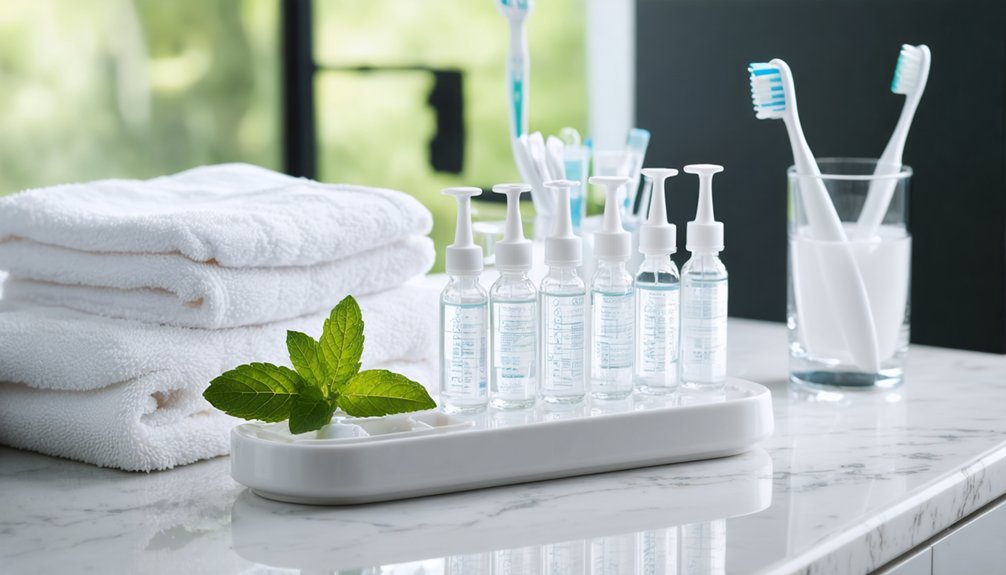
Your dietary choices directly affect how long your whitening results last, so you should limit staining foods and drinks like coffee, red wine, and tea following each gel application.
Consistent oral hygiene—brushing, flossing, and scheduling regular dental cleanings—supports longer-lasting brightness by reducing surface stain accumulation.
You’ll also want to plan maintenance touch-ups every three to six months to counteract gradual discoloration before it becomes significant.
Avoid Staining Foods
Once you’ve completed your whitening course, what you eat and drink has a direct impact on how long your results last. Stain prevention starts with managing dietary habits that introduce chromogens to your enamel.
Prioritize avoiding these high-risk items:
- Coffee, tea, and red wine – These contain tannins and pigments that bind directly to enamel, accelerating discoloration.
- Curries and tomato-based sauces – Deeply pigmented foods embed staining compounds into the enamel surface with repeated exposure.
- Dark sodas and fruit juices – Their acidity softens enamel temporarily, making it more vulnerable to staining immediately after consumption.
When avoidance isn’t possible, rinse with water immediately after consuming these items to minimize surface contact and protect your results.
Maintain Oral Hygiene
Brushing, flossing, and scheduling regular dental cleanings directly support how long your whitening results hold. Strong oral health creates the foundation that lets whitening gel perform consistently across repeated applications. When plaque and surface deposits accumulate, they accelerate stain reabsorption and reduce the visible impact of each session.
Prioritize brushing twice daily with a fluoride toothpaste, and floss once daily to clear interproximal buildup that brushing misses. Professional cleanings remove calcified deposits your home routine can’t address, resetting your baseline and maximizing the longevity of each whitening cycle.
Consistent dental hygiene isn’t supplementary—it’s structural. You’re not just maintaining appearance; you’re managing the surface conditions that determine how efficiently gel adheres, penetrates, and delivers measurable shade improvement over time.
Schedule Regular Touch-Ups
Even with strong oral hygiene in place, whitening results fade gradually due to dietary exposure, lifestyle habits, and natural enamel reabsorption of pigments.
Scheduling touch-ups every 3–6 months keeps results consistent and reduces the intensity of correction needed over time.
- Set a touch-up interval: Plan maintenance sessions quarterly or biannually based on your dietary habits and staining exposure.
- Compare brand strategies: Pricing strategies differ significantly—Colgate’s touch-up format offers 5-day bursts, while extra-strength refill gels provide 12+ applications, affecting long-term cost efficiency.
- Use brand comparisons to guide purchasing: Evaluate cost-per-application across products rather than upfront price alone.
Consistent scheduling prevents pigment buildup from compounding, reducing both product consumption and the whitening intensity required at each maintenance interval.
Frequently Asked Questions
Can Gel Refills Be Used With Trays From Different Brands?
Why limit yourself? You can use gel refills with different brand trays if they fit properly. Brand compatibility depends on tray shape, so prioritize refill customization by ensuring your tray fits securely before switching gel brands.
Do Higher Concentration Gels Whiten Faster Than Lower Percentage Refills?
Yes, higher concentration gels do accelerate whitening speed through stronger concentration effects. You’ll achieve faster results, but you’re also increasing sensitivity risk. Lower percentages whiten more gradually, giving you greater control over comfort and outcome.
Are Pap-Based Refills Safer for Sensitive Teeth Than Peroxide Options?
PAP-based refills do address sensitive teeth better, as they’re formulated without peroxide, reducing safety concerns tied to pulp irritation. You’ll find they support enamel care while still delivering effective maintenance whitening across repeated sessions.
Can Expired Gel Refills Still Whiten Teeth Effectively?
Expired gels can’t reliably deliver ideal whitening effectiveness—you’re risking degraded active ingredients and unpredictable results. Store refills correctly, respect expiration dates, and you’ll maintain consistent, controlled outcomes throughout your whitening maintenance routine.
Do Gel Refills Work Differently on Crowns or Veneers?
Gel refills don’t whiten crowns, veneers, or dental bonding—they only affect natural enamel. You’ll notice uneven results if restorations are present. Avoid overuse, as enamel erosion risks increase without corresponding whitening benefits on artificial surfaces.
References
- https://www.forbes.com/sites/forbes-personal-shopper/article/best-teeth-whitening-kit/
- https://icybeardental.com/blogs/blog/what-are-teeth-whitening-refills
- https://opalescence.com/products/whitening-gel-refills-15-formula
- https://opalescence.com/products/whitening-gel-refills-20-formula
- https://bankdentalpractice.co.uk/teeth-whitening-gel-refills-guide/
- https://www.dentamart.com/colgate-optic-white-professional-tooth-whitening-touch-up-gels-10pk.html
- https://uwhitening.ca/products/refill-gel-extra-strength
- https://www.bezokularow.pl/uzupelnienie-luxwhite-teeth-whitening-gel-refill-10-ml-protectrepair-gel-10-ml