Fluoride stains form inside your enamel during tooth development, so you can’t scrub them away—but you can manage them safely. Start by filtering your drinking water with reverse osmosis or distillation to stop further exposure. For existing stains, professional microabrasion and supervised whitening offer the most reliable results. Avoid abrasive home remedies like baking soda or apple cider vinegar, as they’ll damage already-vulnerable enamel. Keep exploring to find out which specific treatments match your stain severity.
Key Takeaways
- Test your drinking water for fluoride levels and use reverse osmosis or distillation filters to reduce intake and prevent further staining.
- Brush twice daily, floss regularly, and avoid aggressive scrubbing to protect fluorosis-affected enamel from additional wear.
- Avoid harmful home remedies like apple cider vinegar and baking soda, as both erode enamel and worsen fluoride stains.
- Professional treatments such as microabrasion, custom whitening trays, or veneers offer the most effective and safe stain reduction.
- Consult a dentist if stains persist, worsen, or show structural damage like pitting, as OTC products have significant limitations.
What Are Fluoride Stains and Why Do They Form?
Fluoride stains, clinically known as dental fluorosis, form when excessive fluoride exposure disrupts enamel development during tooth formation in childhood. Fluoride toxicity interferes with ameloblast function, the cells responsible for building enamel, causing structural irregularities that appear as white spots, streaks, or brown mottling on tooth surfaces.
The resulting enamel porosity means affected enamel absorbs stains more readily and resists standard whitening more stubbornly than healthy enamel.
Severity ranges from faint white lines to deeply pitted, discolored surfaces, depending on exposure duration and timing.
You should recognize that fluorosis is intrinsic, meaning the discoloration originates within the enamel structure itself. Understanding this distinction matters because it directly shapes which removal or management strategies will realistically work for your specific case.
Stop New Fluoride Stains Before Treating the Old Ones
Before addressing existing fluorosis stains, you’ll need to control ongoing fluoride exposure, since treating discoloration while continuing to accumulate fluoride absorption undermines any cosmetic or clinical progress you make.
Test your drinking water to confirm fluoride levels, and use reverse osmosis or distillation to reduce intake. Boiling doesn’t remove fluoride, so avoid relying on it.
Follow age-appropriate fluoride guidelines for toothpaste and supplements to prevent compounding existing enamel damage.
Only after controlling exposure should you begin treatment. Starting hydrogen peroxide-based whitening or professional procedures on teeth still accumulating fluoride produces inconsistent results and wastes resources.
Stabilizing fluoride intake creates a controlled baseline that allows treatments to work predictably.
Prevention isn’t supplementary here—it’s a clinical prerequisite that directly determines how effectively any stain removal strategy performs.
How to Filter Fluoride From Your Drinking Water
Removing fluoride from tap water requires selecting a filtration method that’s actually effective, since not all systems work equally well. Reverse osmosis, distillation, and activated carbon filtration are your most reliable options for reducing fluoride absorption through daily water consumption. Each method removes fluoride at the source before it reaches your teeth or bloodstream.
Don’t rely on boiling—it doesn’t remove fluoride and can actually concentrate it as water evaporates. If your water source is unclear, test it first to confirm fluoride levels before investing in filtration equipment.
Controlling intake also supports enamel remineralization by reducing the chemical interference fluoride causes during mineral exchange in tooth structure.
Pair filtered water with consistent oral hygiene for the strongest preventive outcome.
Professional Treatments That Actually Work on Fluoride Stains
When whitening toothpaste and over-the-counter strips don’t produce visible results, professional dental treatments offer more targeted options for fluorosis-related discoloration. Your dentist can assess stain depth, enamel resilience, and severity before recommending a specific approach.
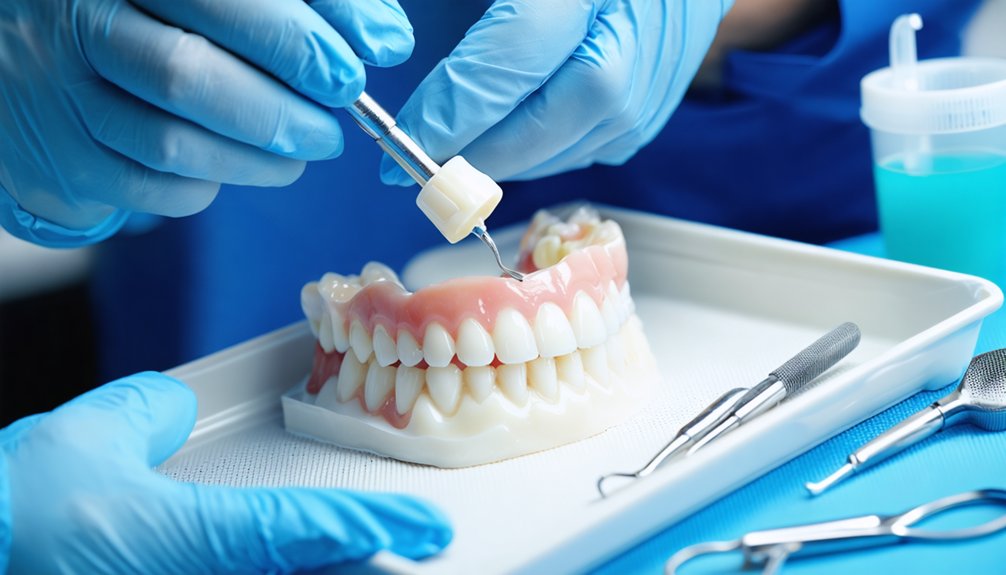
Microabrasion removes a thin enamel layer to reduce surface staining and is often combined with in-office whitening for improved contrast reduction.
Together, these treatments address stain absorption more effectively than at-home methods alone. Custom whitening trays, prescribed and monitored by your dentist, allow gradual improvement with controlled peroxide concentrations that minimize irritation.
For severe mottling that doesn’t respond to whitening or microabrasion, veneers provide a reliable cosmetic solution.
Treatment selection depends on stain depth and enamel condition, so professional evaluation guides the most effective path forward.
Which OTC Whitening Products Help With Fluoride Stains?
If you’re exploring over-the-counter options, peroxide-based whitening strips can gradually lighten overall tooth color and reduce the contrast of fluorosis stains over time.
Whitening toothpaste may help with superficial surface buildup, but it’s unlikely to substantially alter the intrinsic enamel changes that fluorosis causes.
Both options work better on extrinsic discoloration, so you should set realistic expectations before relying on them as your primary treatment.
Whitening Strips For Fluorosis
Whitening strips containing peroxide can lighten overall tooth color over time, which may reduce the contrast between fluorosis spots and surrounding enamel. They work better on extrinsic discoloration than on intrinsic enamel changes, so you should set realistic expectations before starting. Follow product instructions precisely to avoid gum irritation or enamel sensitivity.
Supporting enamel remineralization alongside strip use strengthens treated surfaces and helps maintain results. Use fluoride-free remineralizing agents if fluoride overexposure is your primary concern. Dietary antioxidants from fruits and vegetables can also support tissue health during whitening by reducing oxidative stress on oral tissues.
If strips produce minimal improvement after consistent use, consult your dentist. Fluorosis stains that are brown, mottled, or deeply intrinsic typically require professional microabrasion, in-office whitening, or veneers for meaningful correction.
Whitening Toothpaste Limitations
Although whitening toothpaste is widely available and easy to use, it offers limited results for fluorosis-related staining. Its mild abrasives and low-concentration peroxide target surface buildup effectively, but fluorosis originates within the enamel structure itself, making superficial treatments largely insufficient.
You should understand that whitening toothpaste won’t correct intrinsic discoloration the way professional treatments can. It may reduce extrinsic staining caused by dietary habits like coffee or tea consumption, which can make fluorosis spots appear more pronounced by contrast.
Supporting enamel resilience through consistent brushing and a balanced diet helps preserve tooth structure, but it won’t reverse existing fluorosis spots.
Use whitening toothpaste as a maintenance tool within a broader treatment plan rather than treating it as your primary solution for fluorosis discoloration.
Home Remedies That Can Damage Fluorosis Enamel
Some home remedies commonly suggested for fluorosis stains can actually worsen enamel damage rather than reduce it. Baking soda’s abrasiveness, apple cider vinegar’s acidity, and excessive hydrogen peroxide use all pose real risks to enamel that fluorosis has already made more porous and vulnerable.
You should approach these remedies with caution, since what works on healthy enamel may accelerate wear or irritation on fluorosis-affected teeth.
Baking Soda Enamel Risks
Baking soda carries real abrasion risks when used on fluorosis-affected enamel, and you should understand why before adding it to your routine. Fluorosis alters enamel porosity, leaving the surface structurally weaker and more vulnerable to mechanical wear. When you scrub with baking soda, even gentle pressure removes compromised enamel faster than healthy tooth structure. That loss is irreversible.
Increased enamel porosity also affects fluoride absorption patterns during development, contributing to the uneven mineralization you’re trying to correct. Abrading that surface doesn’t erase discoloration—it thins the enamel layer, potentially exposing dentin and worsening appearance over time.
If you want stain control, prioritize low-abrasion fluoride toothpaste and dentist-supervised treatments. Skip baking soda on fluorosis-affected teeth. The short-term scrubbing sensation isn’t worth the long-term structural cost.
Apple Cider Vinegar Dangers
Apple cider vinegar poses a direct chemical threat to enamel that’s already compromised by fluorosis. Its high acidity accelerates mineral loss from porous, weakened enamel surfaces, making stains more visible rather than reducing them.
Undiluted application increases erosion risk significantly, and repeated exposure compounds structural damage over time.
From an aesthetic considerations standpoint, acid-softened enamel catches light differently, creating uneven surface textures that worsen the mottled appearance you’re trying to correct. You’re trading a stain concern for a structural one.
Dietary impacts matter too. If acidic foods and beverages already stress your enamel daily, adding apple cider vinegar as a topical treatment compounds that chemical burden.
Skip this remedy entirely and consult a dentist for clinically validated stain reduction options.
Excessive Hydrogen Peroxide Harm
Hydrogen peroxide is a common ingredient in whitening products, but excessive or improper home use creates tissue irritation and can worsen enamel damage in fluorosis-affected teeth.
Fluorosis increases enamel porosity, making your teeth more vulnerable to chemical penetration than structurally normal enamel. When you apply high-concentration hydrogen peroxide too frequently, you’re accelerating enamel breakdown rather than improving appearance.
Elevated fluoride absorption during tooth development already compromised your enamel’s mineral structure, so aggressive peroxide exposure compounds that existing weakness.
Stick to low-concentration, dentist-approved formulas and follow instructions precisely. Limit application frequency to what’s recommended, and stop use immediately if you notice gum sensitivity or increased tooth pain.
For persistent fluorosis staining, supervised professional treatment delivers better outcomes with considerably less risk than unregulated home peroxide routines.
Daily Habits That Prevent Fluoride Stains From Worsening
While fluoride stains can’t be fully reversed through daily habits alone, consistent oral hygiene practices can prevent them from becoming more noticeable over time. Brush twice daily for two minutes and floss daily to limit plaque buildup that makes stains appear darker. Reduce sugary and acidic drinks, since frequent exposure worsens enamel porosity and increases discoloration contrast.
Prioritize dietary calcium through foods like dairy, leafy greens, and fortified alternatives to support enamel integrity from within. Stronger enamel resists surface staining more effectively. Avoid aggressive scrubbing, because fluorosis-affected enamel is structurally vulnerable and abrasion accelerates wear.
Use mouthwash when recommended to reduce bacterial buildup. Schedule annual dental visits to monitor stain progression and adjust your care routine before minor discoloration becomes a more complex cosmetic problem.
When Whitening Won’t Fix Fluoride Stains
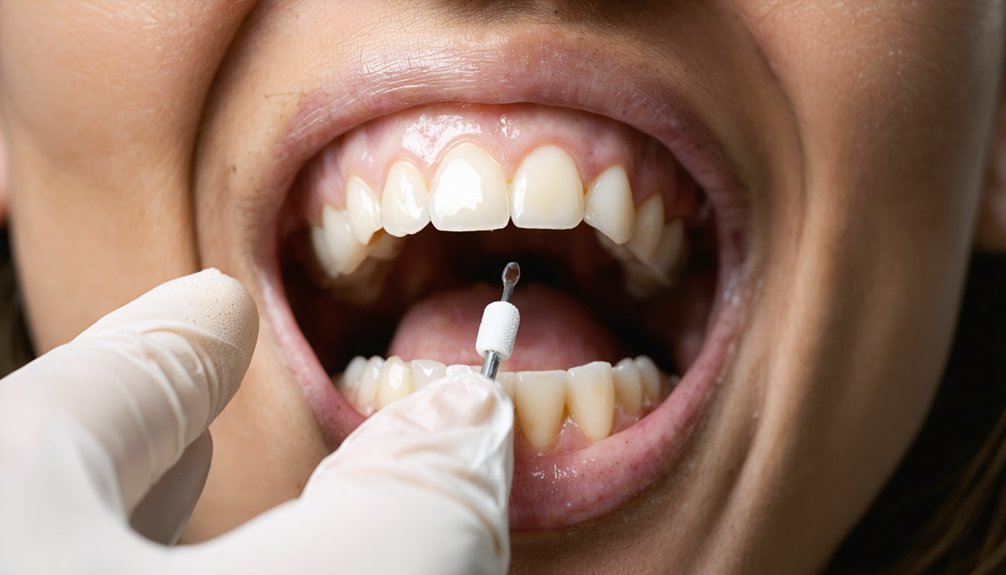
Consistent daily habits reduce stain visibility, but they don’t address the structural enamel changes that define moderate to severe fluorosis. Whitening targets extrinsic discoloration, not intrinsic enamel defects.
Daily habits manage surface stains—they cannot correct the structural enamel damage fluorosis causes.
When stains are deeply embedded or mottled, peroxide-based treatments produce minimal contrast reduction. Alternative natural remedies like oil pulling or baking soda carry even less evidence for structural fluorosis and risk damaging already-porous enamel.
Enamel strengthening techniques, including fluoride varnish applied professionally, may support surface integrity but won’t erase existing discoloration.
In these cases, microabrasion or veneers are typically the appropriate clinical path. You need a dentist to assess stain depth and enamel condition before investing in whitening products.
Severity determines treatment, and selecting the wrong approach wastes time while potentially worsening enamel vulnerability.
When to See a Dentist About Fluoride Stains
Identifying the right time to see a dentist can prevent wasted effort on treatments that won’t address your specific stain type. If discoloration appears white, brown, or mottled and resists over-the-counter whitening, schedule a professional evaluation.
A dentist distinguishes fluorosis from other enamel damage, which determines whether microabrasion, veneers, or supervised whitening applies to your case.
You should also seek evaluation when your oral hygiene is consistent but stains persist or worsen.
If your dietary habits include high sugar intake or acidic beverages and staining is progressing, a dentist can assess contributing factors.
Annual visits allow early detection before stains deepen.
Don’t delay if enamel appears pitted or rough, since structural damage requires clinical intervention rather than cosmetic correction.
Frequently Asked Questions
Can Fluoride Stains on Baby Teeth Affect Permanent Teeth Later?
Fluorosis during baby teeth development can affect permanent teeth if fluoride exposure continues. You’ll want early detection to limit damage. Controlling intake now preserves your cosmetic options and reduces irreversible enamel changes in developing permanent teeth.
Are Fluoride Stains Covered by Dental Insurance Plans?
Only 50% of dental plans cover cosmetic procedures. Insurance policies typically exclude fluorosis treatment since it’s considered cosmetic. You’ll need to verify your dental coverage directly, as benefits vary widely by provider and plan type.
Do Fluoride Stains Affect Tooth Strength or Just Appearance?
Fluorosis raises both cosmetic concerns and enamel integrity issues. It can weaken enamel structure, making your teeth more porous and vulnerable to wear—not just discolored. You’ll want professional evaluation to assess damage depth and appropriate treatment.
Can Fluoride Stains Return After Successful Professional Treatment?
Like a shadow that returns with light, stains can recur if fluoride exposure continues. You’ll need ongoing remineralization techniques and periodic cosmetic whitening options to maintain results and keep discoloration from resurfacing after professional treatment.
Is Fluorosis More Common in Certain Geographic Regions Than Others?
Yes, fluorosis’s geographic prevalence varies markedly. You’ll find higher rates where environmental factors like naturally elevated fluoride in groundwater exist, particularly in parts of Africa, Asia, and regions with volcanic soil or specific geological formations.
References
- https://dentiste-enfant.com/en/remove-stain-fluor-teeth/
- https://my.clevelandclinic.org/health/diseases/23227-fluorosis
- https://www.facebook.com/groups/zerodonto/posts/10166315317545010/
- https://www.realself.com/question/chicago-il-i-hve-fluorosis-stains-teeth-rid-naturally
- https://hillcrestdentaltx.com/got-blotchy-teeth-eliminate-fluoride-stains-in-texas-now/
- https://www.youtube.com/watch?v=Zwrx4d7blyQ
- https://www.youtube.com/watch?v=g21HwL8xfgk
- https://biologyinsights.com/how-to-get-rid-of-fluoride-stains-on-teeth/
- https://www.acibademhealthpoint.com/fluorosis-stains-removal-tips/
- https://www.trysnow.com/blogs/news/how-to-get-rid-of-fluoride-stains-on-teeth