Natural teeth whitening starts with understanding what actually works and what quietly harms your enamel. You can lift surface stains with baking soda, improve your brushing technique, and cut back on pigment-heavy foods and drinks. However, not every popular remedy is safe — acidic options like lemon juice and abrasive charcoal can cause irreversible damage. Stick to evidence-backed methods, and you’ll see real, lasting results. Keep going to discover exactly which approaches are worth your time.
Key Takeaways
- Brush twice daily with an ADA-approved whitening toothpaste, holding the brush at a 45° angle using gentle circular strokes.
- Limit coffee, tea, and red wine intake, and rinse with water afterward to prevent pigment deposits on enamel.
- Use a baking soda paste a few times weekly as a mild abrasive to safely remove surface stains.
- Avoid lemon juice and apple cider vinegar, as their high acidity erodes enamel and worsens yellowing over time.
- Activated charcoal lacks clinical evidence and is highly abrasive, risking irreversible enamel damage and increased dentin exposure.
Why Your Teeth Yellow No Matter How Much You Brush
Even if you brush twice a day without fail, your teeth can still yellow — and brushing alone isn’t always to blame. Dental discoloration develops from both external and internal sources.
Coffee, tea, and red wine deposit pigments onto enamel faster than brushing can remove them. Age also thins enamel naturally, revealing the yellowish dentin underneath — a process no toothbrush reverses.
Enamel erosion from acidic foods and drinks accelerates this effect, stripping your teeth’s protective surface and making stains penetrate deeper. Certain medications, genetics, and dry mouth contribute further.
You can’t always brush your way out of these conditions. Recognizing the root cause of your discoloration helps you choose the right strategy — rather than brushing harder and potentially making the damage worse.
Why Brushing Right Still Beats Every Natural Remedy
When it comes to keeping your teeth white, no DIY remedy outperforms a consistent brushing routine done correctly. You should brush twice a day for two minutes using a whitening toothpaste with the ADA Seal of Acceptance, since this combination removes surface stains before they set.
Proper technique—angling your brush at 45 degrees toward the gumline and using gentle circular strokes—prevents the buildup that home remedies like baking soda or oil pulling can’t reliably address.
Daily Brushing Builds Consistency
While trendy natural remedies come and go, brushing twice a day for two minutes remains the most reliable way to keep your teeth white. Consistency is what separates lasting results from temporary fixes. When you brush regularly, you’re actively controlling oral bacteria before they form plaque and contribute to discoloration.
Skipping sessions doesn’t just dull your smile — it raises your risk of teeth sensitivity by allowing bacteria and acidic buildup to wear at enamel over time.
Pairing daily brushing with a whitening toothpaste carrying the ADA Seal of Acceptance gives you a proven, low-risk strategy. No DIY remedy replicates that level of protection.
Building this habit costs nothing extra and delivers measurable, compounding results that most natural alternatives simply can’t match.
Proper Technique Prevents Stains
Brushing correctly matters just as much as brushing consistently, and poor technique can quietly undermine every other whitening effort you make. Aggressive scrubbing strips enamel, increases tooth sensitivity, and creates microscopic surface damage where stains embed more easily.
Use a soft-bristled brush, hold it at a 45-degree angle to your gumline, and apply gentle circular strokes rather than harsh back-and-forth pressure. Brush for a full two minutes, covering all surfaces methodically.
Avoid brushing immediately after consuming acidic foods or drinks, since softened enamel is especially vulnerable. Rinsing with water first stimulates saliva production, which naturally neutralizes acids before you introduce any friction.
No DIY remedy compensates for flawed daily technique. Consistent, correct brushing remains the most evidence-supported strategy for preventing surface stains before they set.
How Baking Soda Naturally Lifts Surface Stains
Baking soda works as a mild abrasive that physically scrubs surface stains off your enamel, making it one of the more evidence-supported natural options available.
You can make a simple paste by mixing one teaspoon of baking soda with two teaspoons of water, then brushing gently with it.
Limit your use to a few times per week, though, since overusing abrasive homemade pastes can wear down enamel and irritate gum tissue over time.
Baking Soda’s Mild Abrasiveness
One of the most accessible tools in natural teeth whitening, baking soda works as a mild abrasive that physically scrubs away surface stains rather than chemically bleaching the enamel beneath. Its alkaline nature also supports a healthier dental pH, which can discourage bacterial growth.
However, you’ll want to use it carefully. Overuse raises your risk of enamel erosion, particularly when you’re applying homemade pastes too aggressively or too frequently. Limiting application to a few times per week helps you preserve enamel integrity while still benefiting from its stain-lifting properties.
A simple paste of one teaspoon baking soda mixed with two teaspoons of water gives you reliable consistency. Used with restraint, it’s a practical addition to your natural whitening routine.
Simple DIY Paste Recipe
Making your own baking soda paste takes just two ingredients: one teaspoon of baking soda combined with two teaspoons of water to form a smooth, brushable consistency. Apply it gently to your teeth for two minutes, then rinse thoroughly.
When exploring homemade recipes, stick to this ratio. Ingredient substitutions like lemon juice or apple cider vinegar may seem practical, but their acidity actively erodes enamel, making them unsafe replacements for water.
Limit use to once or twice weekly. Daily application increases abrasion risk, gradually wearing down the protective enamel surface you’re trying to improve.
While this paste removes mild surface stains effectively, it won’t change your teeth’s natural color. For deeper discoloration, professional treatment remains the more reliable option.
Safe Usage Frequency Tips
Knowing how often to use baking soda matters just as much as mixing it correctly. Limit your baking soda paste to once or twice weekly — overuse increases enamel abrasion risk and can irritate soft tissue.
On the days you skip it, rely on a fluoride-based whitening toothpaste carrying the ADA Seal of Acceptance.
You should also recognize that no topical remedy works in isolation. Diet changes, such as reducing coffee, tea, and red wine intake, directly control how quickly new stains develop.
Oral supplements marketed for tooth health lack strong clinical backing, so don’t substitute them for proven hygiene habits.
Consistency with brushing twice daily and flossing once daily remains your most reliable long-term strategy.
Baking soda is a tool, not a complete solution.
How to Use Hydrogen Peroxide Safely at Home
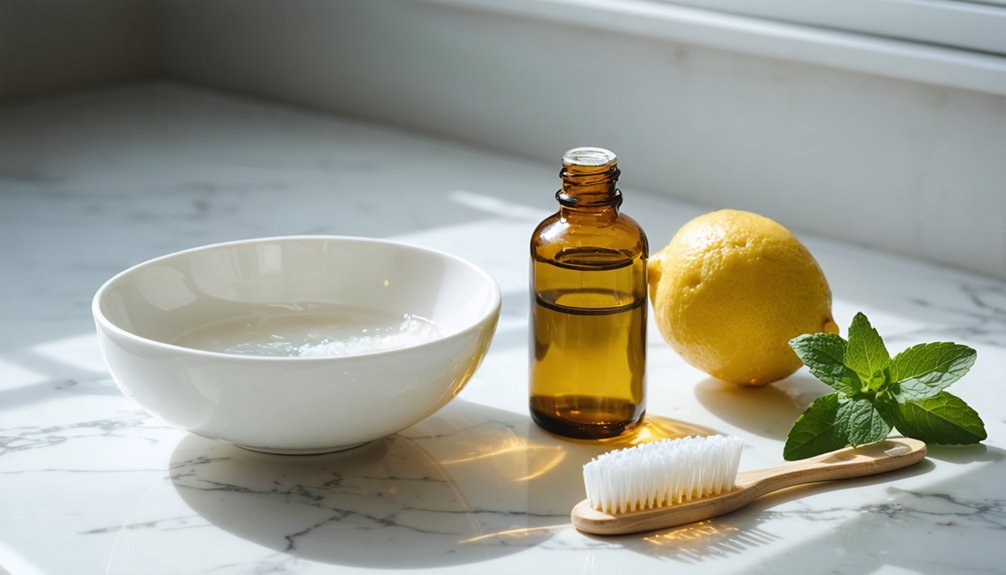
Hydrogen peroxide can lighten surface stains at home, but using it correctly matters. Choose a concentration of 1.5% or 3% to minimize irritation and enamel risk.
If you’re using a standard 3% drugstore solution, dilute it by mixing equal parts peroxide and water to reach 1.5%. Use it as a mouthwash before brushing, swishing briefly before spitting it out completely.
For home safety, limit use to a few times per week rather than daily. Overuse can irritate gum tissue, increase tooth sensitivity, and gradually weaken enamel.
If you experience persistent sensitivity or irritation, stop use immediately.
Hydrogen peroxide works best as an occasional supplement to consistent brushing and flossing, not as a standalone whitening solution.
What Oil Pulling Can and Cannot Do for Your Teeth?
Oil pulling is an old hygiene practice that involves swishing about one tablespoon of oil—typically coconut, sesame, or olive—through your mouth for 10 to 20 minutes.
Despite its popularity in natural remedy effectiveness discussions, MouthHealthy confirms there’s no reliable scientific evidence that oil pulling whitens teeth.
Don’t let oil pulling myths convince you it’s a substitute for proven whitening strategies. It won’t remove deep stains or meaningfully brighten your enamel.
What it may offer is a supplementary oral hygiene ritual, but even that benefit lacks strong clinical support.
If you’re serious about controlling your results, invest your effort in methods with documented outcomes—consistent brushing, flossing, and whitening toothpastes carrying the ADA Seal—rather than techniques that sound compelling but don’t deliver measurable whitening.
Which Fruit-Based Remedies Are Actually Worth Trying
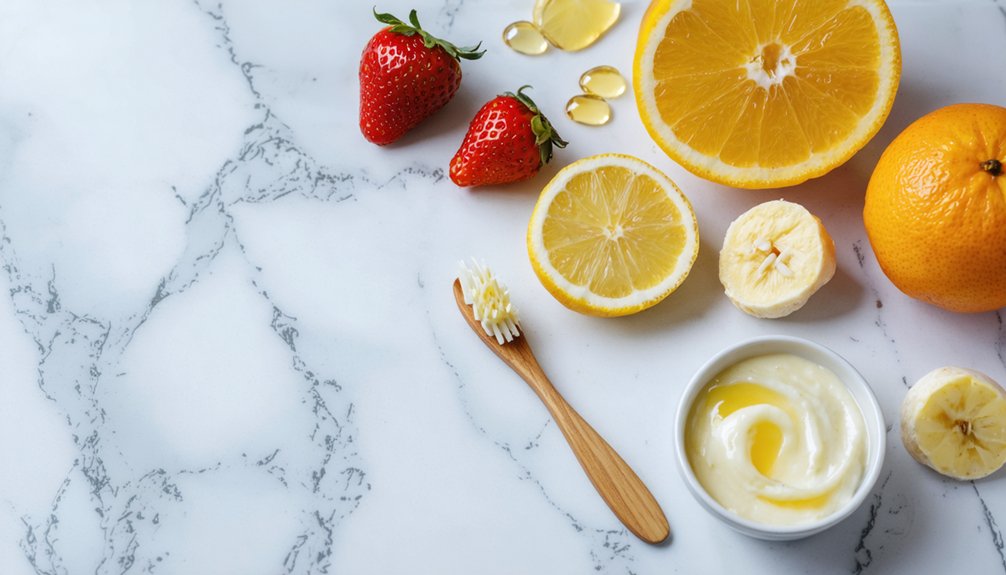
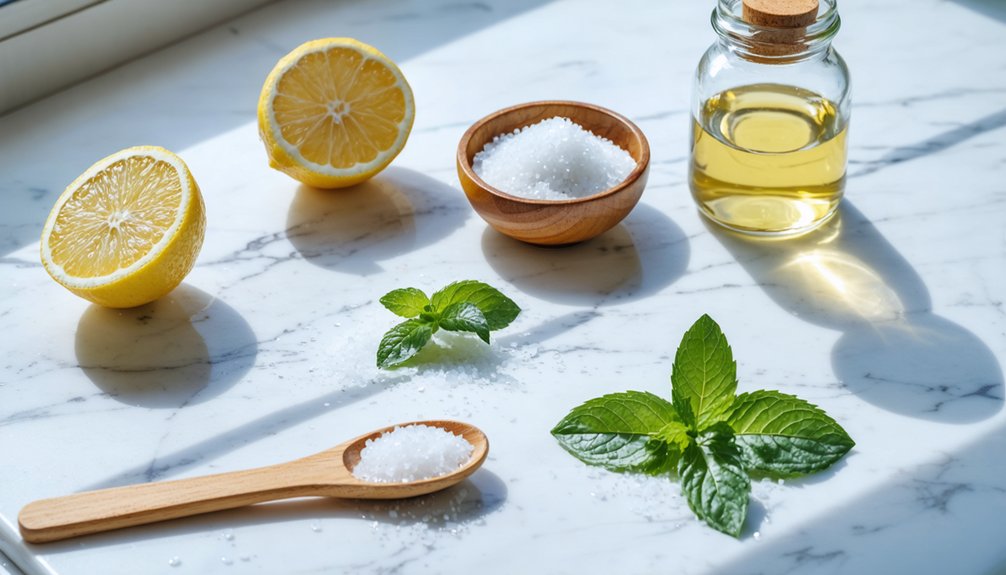
Fruit-based remedies like banana peels, strawberry scrubs, and lemon juice mixtures appear frequently in natural whitening discussions, but the evidence supporting them is limited and the risks aren’t always disclosed.
Strawberries contain malic acid, and banana peels offer mild natural abrasion, which may temporarily reduce surface dullness. However, fruit acids can erode enamel with repeated exposure, weakening the very structure you’re trying to improve.
Lemon juice carries the highest risk due to its strong acidity, making it one remedy you should avoid entirely.
If you choose to experiment with strawberry scrubs, limit frequency and rinse thoroughly afterward.
No fruit-based method has demonstrated reliable whitening results in clinical settings, so treat these remedies as low-impact options rather than dependable solutions for meaningful color change.
The Natural Remedies That Are Quietly Damaging Your Enamel
Some of the most popular natural whitening remedies can quietly erode your enamel before you notice any harm. Protecting your tooth enamel matters more than short-term stain prevention, especially when certain DIY methods cause irreversible damage.
Avoid these four remedies:
- Lemon juice – Its high acidity dissolves enamel with repeated use.
- Apple cider vinegar – Oral health experts confirm it’s not safe; vinegar erodes enamel regardless of dilution.
- Activated charcoal – The *Journal of the American Dental Association* finds no evidence it’s safe or effective.
- Fruit peels and strawberry scrubs – Acidic compounds may temporarily brighten teeth but weaken enamel over time.
You can’t rebuild lost enamel, so don’t trade long-term dental health for a temporary cosmetic result.
Does Activated Charcoal Actually Whiten Teeth?
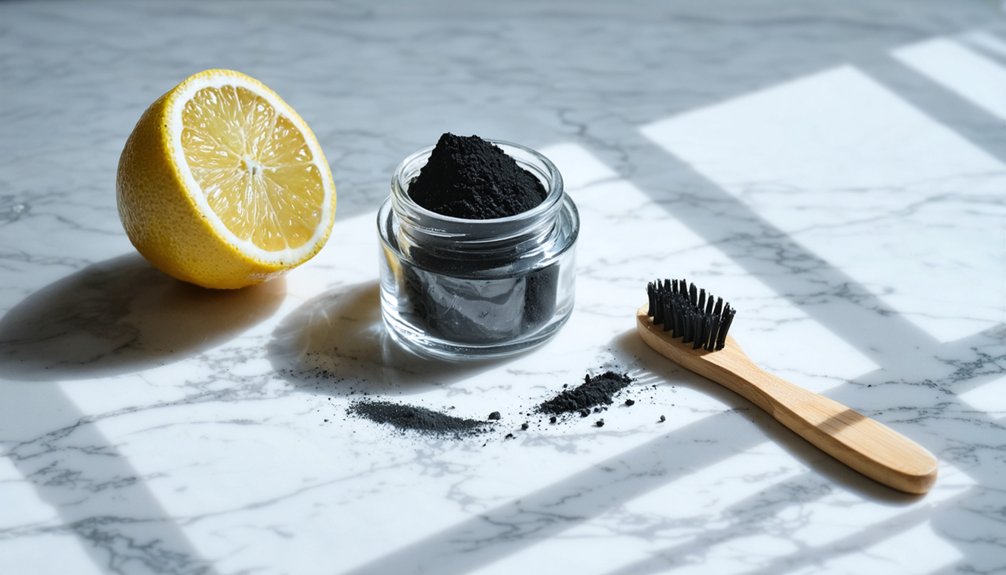
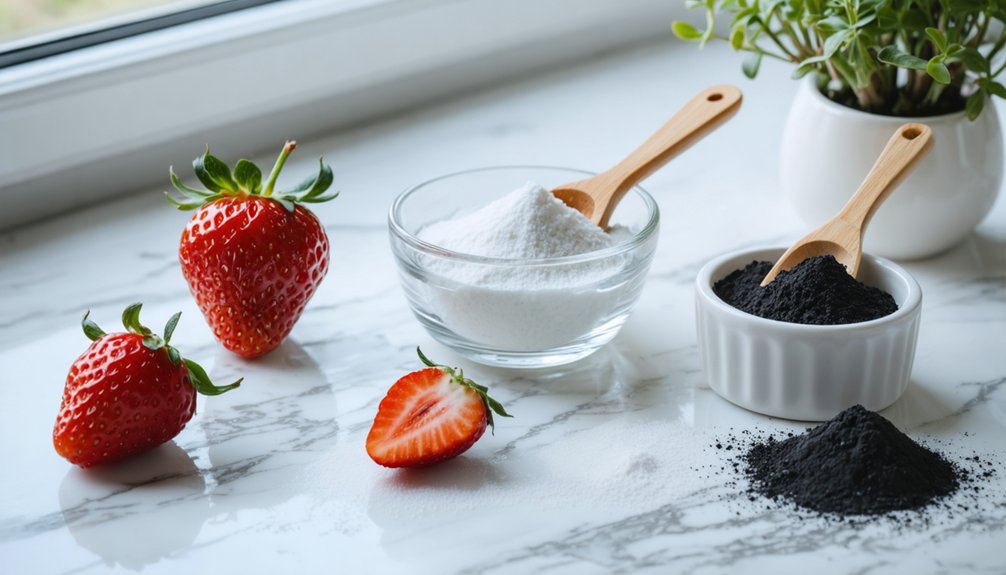
Activated charcoal has become one of the most heavily marketed natural whitening products, yet the *Journal of the American Dental Association* finds no evidence that it’s safe or effective for your teeth. Despite claims that it performs a so-called teeth detox by drawing out stains and toxins, no clinical research supports that outcome.
What activated charcoal does do is introduce a highly abrasive substance to your enamel, which can wear down your teeth’s protective layer over time. Once enamel erodes, you can’t reverse it. The darkness that follows thinning enamel is far harder to address than the surface stains you were trying to remove.
You’re not gaining control by choosing activated charcoal — you’re trading a minor cosmetic concern for a structural one.
How Cutting Certain Foods Boosts Your Whitening Results
What you drink and eat daily can either support or quietly undo your whitening efforts. Tooth discoloration often builds gradually through repeated exposure to staining compounds. Stain prevention starts with limiting the right culprits.
These four items are worth cutting back on:
- Coffee – its dark pigments bind to enamel quickly
- Tea – even herbal varieties can leave residue
- Red wine – tannins accelerate surface staining considerably
- Heavily pigmented foods – berries, tomato sauce, and soy sauce contribute over time
You don’t have to eliminate these entirely, but reducing frequency matters. When you do consume them, rinse your mouth with water immediately after.
Small, consistent dietary adjustments give your whitening efforts a real, compounding advantage over time.
When to Stop DIY and See a Dentist Instead
If your teeth feel sensitive, look translucent at the edges, or show visible roughness, you should stop DIY treatments immediately, as these are signs of enamel damage that won’t reverse on its own.
When stains persist after several weeks of consistent home care, a dentist can offer professional-grade treatments that reach deeper discoloration no household remedy can address.
You should also schedule an appointment right away if you develop pain during or after any whitening method, since discomfort signals that tissue or enamel may already be compromised.
Signs of Enamel Damage
While natural whitening methods can offer mild benefits, overuse can quietly damage your enamel in ways that aren’t always immediately obvious. Recognizing early signs of enamel erosion lets you stop the damage before it becomes irreversible.
Watch for these warning signs:
- Increased tooth sensitivity — sharp pain when eating hot, cold, or sweet foods signals exposed dentin beneath thinning enamel.
- Translucent or rounded edges — enamel erosion causes teeth to appear see-through near the tips.
- Yellowing despite whitening efforts — paradoxically, eroded enamel reveals the naturally yellow dentin underneath.
- Rough or pitted surfaces — abrasive DIY pastes, especially overused baking soda, can texture the enamel surface abnormally.
If you notice any of these signs, stop your current routine immediately and consult a dentist.
Persistent Stains Need Professional Care
Enamel damage is a clear signal to pause, but it’s not the only reason to step away from DIY whitening. If you’re experiencing persistent tooth sensitivity, discoloration that won’t lift after weeks of consistent home care, or uneven patches across your teeth, natural remedies have likely reached their limit.
These signs often point to deeper staining embedded in dentin rather than surface buildup, which no baking soda paste or peroxide rinse can reliably address. Enamel erosion compounds the problem by making teeth more vulnerable during any whitening attempt.
A dentist can identify whether you’re dealing with intrinsic or extrinsic stains and recommend clinically proven treatments. Taking control here means knowing when professional care delivers better, safer results than continuing to experiment at home.
When Pain Develops
Pain during or after a DIY whitening routine isn’t something to push through. Tooth sensitivity is common, but sharp or lasting dental pain signals that damage may be occurring. Stop your routine immediately and watch for these warning signs:
- Tooth sensitivity that lingers more than 48 hours after use
- Sharp pain when consuming hot, cold, or sweet foods or drinks
- Gum irritation, swelling, or visible tissue changes
- Pain that spreads beyond a single tooth
These signs often indicate enamel erosion, pulp irritation, or soft tissue damage from overuse of abrasives or acids. You’re in control of when to stop.
Seeing a dentist promptly protects your enamel and prevents minor damage from becoming a costly, irreversible problem.
Frequently Asked Questions
Can Natural Whitening Methods Work on Teeth With Crowns or Veneers?
Picture mismatched tiles on a floor—that’s tooth discoloration risk with crowns or veneers. Natural whitening won’t change dental bonding materials, so you’ll notice uneven results. Consult your dentist for tailored solutions.
How Long Does It Typically Take to See Results From Natural Whitening?
With home remedies, you’ll typically wait weeks for subtle results—if any appear. Effectiveness factors like stain severity and consistency matter, but natural methods rarely deliver dramatic changes, so you’d likely need professional treatment for significant whitening.
Are Natural Whitening Remedies Safe to Use During Pregnancy?
You’re carrying a universe inside you, so don’t risk it! Pregnancy safe choices matter enormously. Avoid herbal remedies and peroxide rinses. You should stick to brushing, flossing, and consulting your dentist before trying any natural whitening method.
Can Genetics Affect How White Your Teeth Can Naturally Become?
Yes, genetic influence shapes your natural tooth pigmentation, meaning your baseline shade isn’t fully within your control. You can brighten surface stains, but you can’t override inherited enamel color through natural remedies alone.
Do Natural Whitening Methods Work Differently on Sensitive Teeth?
Like an ancient alchemist’s brew, natural methods can heighten tooth sensitivity, reducing whitening effectiveness for you. You’ll want to avoid peroxide and baking soda overuse, as they irritate sensitive enamel, making professional guidance your smartest move.
References
- https://www.healthline.com/nutrition/whiten-teeth-naturally
- https://www.mouthhealthy.org/all-topics-a-z/natural-teeth-whitening
- https://www.pleasantfamilydentistry.com/blog/6-natural-ways-to-whiten-your-teeth
- https://www.medicalnewstoday.com/articles/322421
- https://mypenndentist.org/dental-tips/2024/02/29/safe-ways-to-whiten-teeth-naturally/
- https://pmc.ncbi.nlm.nih.gov/articles/PMC10024105/
- https://www.webmd.com/oral-health/ss/slideshow-natural-teeth-whitening
- https://www.hyannisdental.com/blog/brighten-your-smile-naturally-6-simple-ways-to-whiten-teeth-at-home/
- https://www.youtube.com/watch?v=6VxphLA7LD8
- https://robisondental.com/9-natural-ways-to-whiten-your-teeth/