You can whiten your teeth effectively without spending hundreds on professional treatments. Evidence-backed options like hydrogen peroxide kits and baking soda deliver measurable results at a fraction of the cost. OTC kits range from just $20 to $50, while baking soda costs mere pennies per use. However, choosing the wrong products can permanently damage your enamel—so knowing what works and what doesn’t is critical before you start.
Key Takeaways
- DIY whitening methods like OTC peroxide kits deliver results comparable to professional treatments at a fraction of the cost.
- Affordable options like baking soda cost pennies per use, making consistent whitening accessible to everyone.
- Evidence-backed DIY methods, when used correctly, minimize risks like sensitivity while maximizing whitening results.
- ADA-approved whitening toothpastes and OTC kits provide safe, enamel-friendly alternatives to expensive dental procedures.
- DIY methods offer convenience and control, empowering individuals to maintain their dental health on their own schedule.
DIY Teeth Whitening Methods That Actually Work
When it comes to brightening your smile at home, not all methods are created equal—but several have legitimate research backing them up. Among the most effective techniques are hydrogen peroxide-based over-the-counter kits, which use the same active ingredients found in professional treatments.
Baking soda, one of the most accessible natural remedies, demonstrates measurable whitening after just 10 days of use. Whitening toothpastes carrying the ADA seal also deliver results comparable to basic home-bleaching systems.
You’ll want to approach each method carefully—overuse or improper application can cause sensitivity or enamel damage. Stick to manufacturer guidelines, and you’ll maximize results while minimizing risk.
Choosing evidence-supported options puts you in control of your whitening routine without unnecessary guesswork or wasted money.
Which DIY Methods Are Safe for Your Enamel?
Protecting your enamel should be your top priority when choosing a DIY whitening method, because some popular options actively damage the very surface you’re trying to improve.
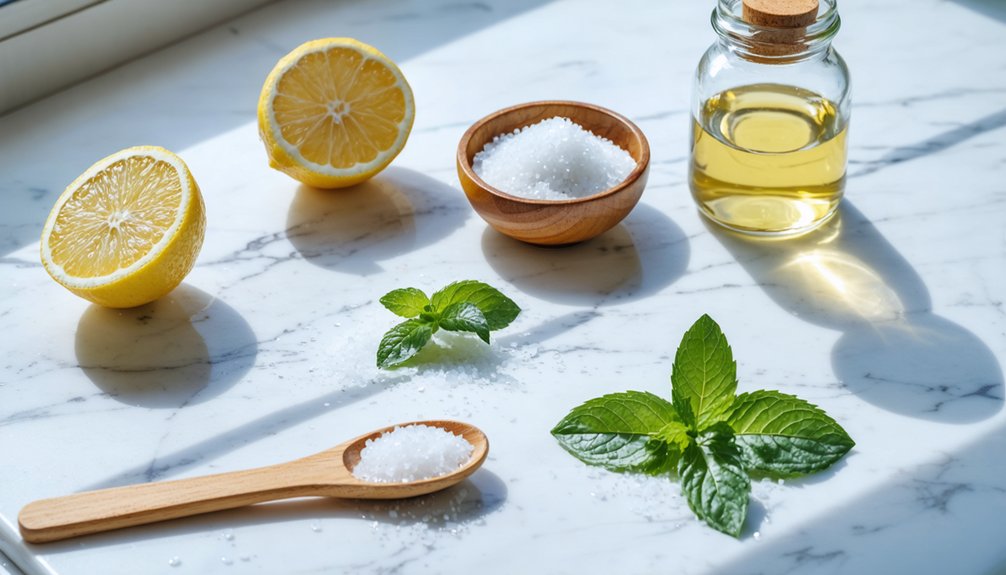
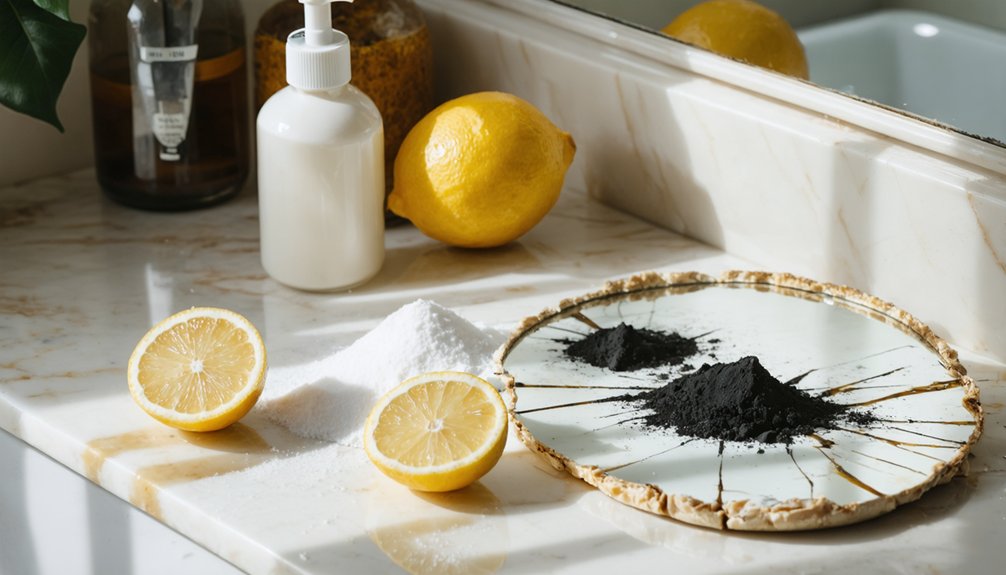
Activated charcoal and lemon juice are two methods you should avoid entirely—charcoal’s abrasiveness erodes enamel over time, while lemon’s acidity dissolves it irreversibly.
Your safest enamel safe options include baking soda used moderately, ADA-approved whitening toothpastes, and oil pulling with coconut oil.
These gentle abrasives remove surface stains without compromising structural integrity when you use them correctly. Baking soda works effectively in short sessions, while oil pulling reduces bacteria non-abrasively.
Always follow manufacturer guidelines on OTC peroxide kits, since improper concentrations irritate gums and underlying tissue.
Controlled use separates effective whitening from preventable damage.
How Much Does DIY Teeth Whitening Actually Cost?
Beyond choosing methods that protect your enamel, cost plays a major role in why so many people turn to DIY whitening in the first place. Smart budget planning means understanding exactly what you’ll spend before committing.
Consider this cost comparison:
- Baking soda costs pennies per use, making it the most affordable option for surface stain removal.
- OTC whitening kits typically run $20–$50, delivering peroxide-based results without professional consultation fees exceeding $100.
- Coconut oil for oil pulling costs under $10 per jar, lasting weeks.
However, proceed cautiously. Choosing unsafe methods like activated charcoal or lemon juice to save money can damage enamel, ultimately costing you far more in restorative dental care.
Cutting corners on whitening methods can cost you far more in dental repairs than you ever saved.
Prioritize evidence-backed options that protect your long-term investment.
Where Can You Buy DIY Whitening Products Right Now?
Once you’ve settled on a budget-friendly whitening method, finding the right products is straightforward.
Product availability is genuinely broad — you’ll find whitening strips, peroxide gels, and baking soda toothpastes at pharmacies, grocery stores, and big-box retailers without a prescription. Look for the ADA seal on packaging to confirm safety and efficacy before purchasing.
Online options expand your choices further. Retailers like Amazon carry extensive selections, often at competitive prices, with customer reviews that help you evaluate real-world results.
However, exercise caution with third-party sellers offering unbranded or unverified products — these may lack quality controls.
Whether you shop in-store or online, prioritize products with documented active ingredients like hydrogen peroxide or carbamide peroxide, and always follow manufacturer directions to avoid enamel damage or gum irritation.
DIY Whitening Results: What the Research Really Shows
How well do DIY whitening methods actually hold up under scientific scrutiny? Research findings reveal a mixed picture you should understand before committing to any routine.
Studies confirm these whitening effectiveness highlights:
Science backs these whitening methods with measurable, real-world results you can actually trust.
- Baking soda produces measurable whitening after 10 days of consistent use.
- OTC peroxide kits contain the same active ingredients professionals use, delivering comparable results.
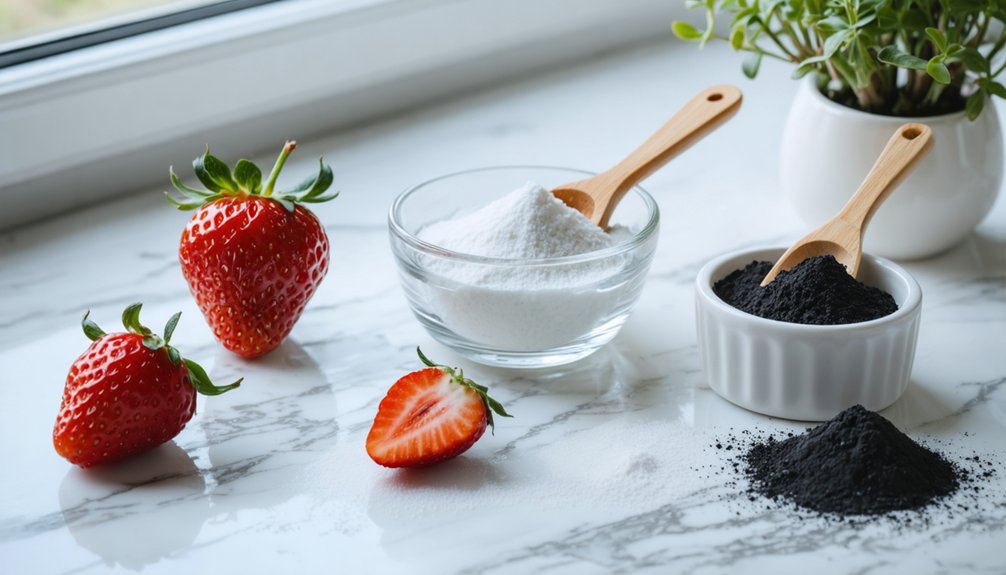
- Strawberries show mild but statistically significant whitening over four weeks.
However, you’ll notice that methods like activated charcoal and vinegar lack credible long-term studies supporting their safety.
Overusing abrasive agents also risks enamel damage, which permanently increases sensitivity.
You’re in control here—choose methods backed by evidence, not trends, to protect your smile while achieving real results.
DIY Teeth Whitening Hacks You Should Never Try
While some DIY methods earn scientific backing, others actively harm your teeth and deserve a firm pass. Certain dangerous ingredients and ineffective techniques circulate online, but they’ll cost you more than a brighter smile.
Avoid these hacks entirely:
- Lemon juice or vinegar: Their acidity erodes enamel permanently, and no safe concentration exists for whitening.
- Activated charcoal: Its abrasiveness wears enamel, increasing sensitivity and paradoxically inviting future staining. Long-term studies remain absent.
- Undiluted hydrogen peroxide: Improper concentrations irritate gums and damage tooth roots.
- Baking soda overuse: Without fluoride protection, excessive application strips enamel rather than protecting it.
You’re seeking control over your results, but these methods hand control to irreversible damage instead. Stick with evidence-backed options that actually protect your investment.
When DIY Teeth Whitening Isn’t Enough?
When your stains don’t respond to weeks of consistent DIY treatment, you’re likely dealing with intrinsic discoloration that only professional-grade procedures can address.
Persistent yellowing or grayish tones beneath the enamel surface require a dentist’s intervention, as no over-the-counter product reaches that depth effectively.
If you’re experiencing increased tooth sensitivity or gum irritation during your whitening routine, stop immediately and consult a dental professional before causing irreversible damage.
Persistent Stains Need Professionals
Though DIY whitening methods can brighten surface stains effectively, they’re no match for deep, persistent stains rooted in enamel damage, trauma, or intrinsic pigmentation.
Attempting aggressive DIY fixes on these stains risks further enamel erosion without delivering results. Professional treatments offer targeted solutions your at-home kit simply can’t replicate.
Recognize when to escalate your approach:
- Tetracycline or fluorosis stains require dentist-supervised bleaching protocols, as OTC peroxides won’t penetrate adequately.
- Post-trauma discoloration needs clinical evaluation before any whitening attempt to avoid compounding nerve damage.
- Deep intrinsic pigmentation responds only to custom tray systems or in-office procedures using controlled, higher-concentration agents.
Taking control means knowing your limits. Choosing professional treatments when necessary protects both your enamel and your long-term results.
Sensitivity Signals Dental Care
Sensitivity during or after DIY whitening isn’t just discomfort to push through—it’s your body signaling that something’s wrong. When sensitivity factors like sharp pain, lingering aches, or gum irritation emerge, they indicate potential enamel erosion or nerve exposure that no whitening strip can fix.
Dental awareness means recognizing these symptoms as warnings, not inconveniences. Ignoring sensitivity can escalate minor damage into costly restorative procedures.
Improper peroxide concentrations and abrasive agents like activated charcoal compromise enamel integrity, leaving your teeth vulnerable long-term. You’re in control of your dental health, but that control requires knowing when to halt.
If sensitivity persists beyond 48 hours or intensifies, consult a dentist immediately. Professional evaluation protects your teeth and guarantees any underlying conditions receive proper, evidence-based treatment before worsening.
Frequently Asked Questions
Can DIY Whitening Methods Effectively Replace Professional Dental Treatments Entirely?
DIY methods save you hundreds, but they can’t fully replace professional care. In your cost comparison and effectiveness analysis, OTC peroxides match ingredients yet lack precision—you’re risking enamel damage without dentist-supervised results for deep stains.
How Long Do DIY Teeth Whitening Results Typically Last Before Fading?
Your home remedies’ whitening duration typically lasts three to six months before fading. You’ll maintain results longer by avoiding staining foods, practicing consistent oral hygiene, and reapplying treatments cautiously—but overuse risks enamel damage, so moderate your routine carefully.
Are DIY Whitening Methods Safe for People With Sensitive Teeth?
Ironically, your quest for a brighter smile might amplify your pain. DIY methods vary in ingredient safety and sensitivity levels—peroxides and baking soda can worsen discomfort, so you’ll want to consult your dentist before proceeding.
Can Children or Teenagers Safely Use DIY Teeth Whitening Methods?
You shouldn’t let children or teenagers use DIY teeth whitening methods. Safety concerns around developing enamel make age appropriateness critical—peroxides and abrasives can cause lasting damage. Consult a dentist before considering any whitening treatment for younger individuals.
Do DIY Whitening Methods Work Equally Well on Dental Crowns?
DIY whitening methods don’t address crowns discoloration effectively. You’ll find that whitening effectiveness only applies to natural teeth, as peroxides can’t alter synthetic materials. Consult your dentist for crown-specific solutions to maintain a consistent, uniform smile.
References
- https://www.norcofamilydental.com/blog/homemade-teeth-whitening-hacks-work/50924
- https://healthcare.utah.edu/the-scope/health-library/all/2023/10/does-home-teeth-whitening-really-work
- https://www.urmc.rochester.edu/news/publications/health-matters/diy-teeth-whitening-too-good-to-be-true
- https://www.dentalcareofmidfl.com/blog/six-simple-ways-whiten-teeth-naturally/
- https://pmc.ncbi.nlm.nih.gov/articles/PMC10024105/
- https://mypenndentist.org/dental-tips/2024/02/29/safe-ways-to-whiten-teeth-naturally/
- https://www.goodrx.com/conditions/dental-care/is-teeth-whitening-safe
- https://millenniumsmiles.com/the-truth-about-diy-teeth-whitening-separating-unique-facts-from-fiction/