Yellow teeth whitening remedies matter because they restore your confidence and protect your long-term dental health. When you address discoloration early, you prevent deeper staining from becoming harder to treat. Different stains—surface buildup, enamel thinning, or internal discoloration—each require a specific approach to work effectively. Using the wrong remedy can damage your enamel or deliver no results at all. Understanding why your teeth yellow guarantees you choose solutions that actually last, and everything you need to know is covered ahead.
Key Takeaways
- Yellow teeth whitening remedies restore confidence by addressing stains caused by coffee, tea, red wine, and tobacco on enamel surfaces.
- Identifying the stain type ensures the right remedy is applied, yielding more effective and longer-lasting whitening results.
- Evidence-based whitening methods, like peroxide-based products, safely reduce discoloration without risking enamel erosion from harmful DIY alternatives.
- Whitening remedies combined with proper oral hygiene and diet changes prevent stains from returning quickly.
- Timely whitening intervention addresses discoloration before it worsens, reducing the need for complex professional treatments later.
Why Do Teeth Turn Yellow in the First Place?
Teeth turn yellow for several reasons, and understanding the cause helps you choose the right remedy. Extrinsic stains from coffee, tea, red wine, and tobacco settle on enamel and respond well to whitening treatments.
Diet changes that increase pigment-rich food and drink consumption accelerate surface discoloration over time. Dental aging also plays a significant role — as enamel thins naturally, the darker dentin beneath becomes more visible, producing a deeper yellow tone that surface whitening may not fully address.
Internal discoloration from medications, trauma, or developmental conditions requires different treatment altogether.
Identifying whether your yellowing stems from surface stains, enamel thinning, or internal factors determines which remedy will actually work for your specific situation.
Which Yellow Teeth Remedies Actually Work?
With so many options available, it’s important to know which remedies have evidence behind them and which ones can actually harm your teeth.
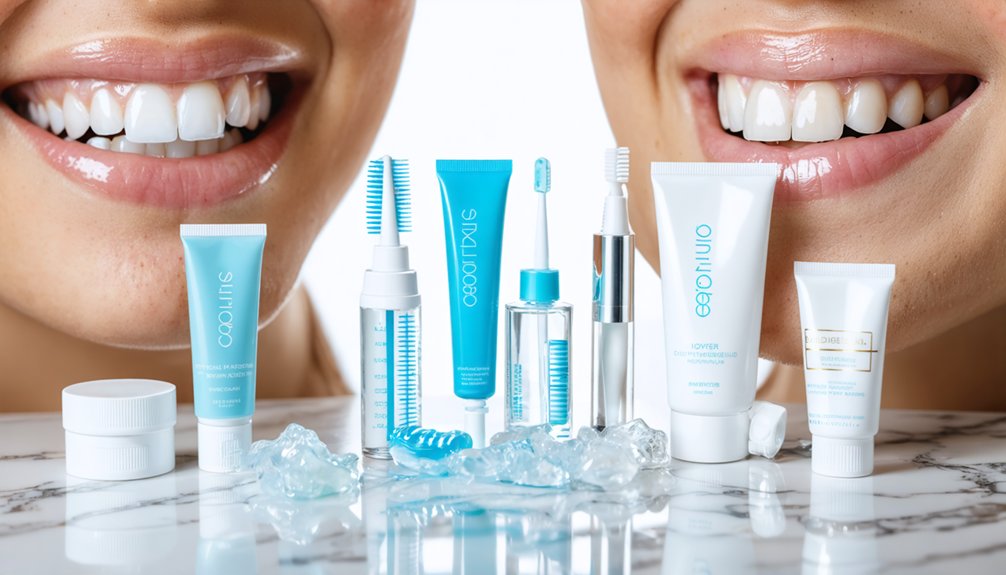
Peroxide-based products—including whitening strips, gels, and custom trays—remain the most consistently supported methods for reducing surface stains when you follow manufacturer instructions.
At the same time, popular DIY approaches like lemon juice, activated charcoal, and baking soda carry real risks of enamel damage that outweigh any short-term cosmetic benefit.
Proven Whitening Methods
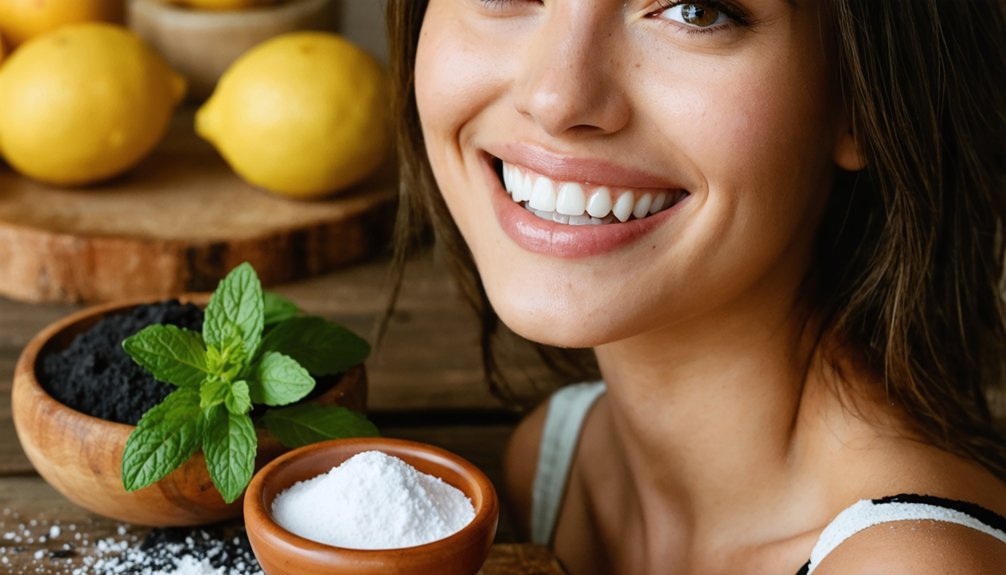
When it comes to whitening yellow teeth, not every remedy you’ll find online is backed by evidence. Natural remedies like lemon juice, charcoal, and baking soda are widely shared but can erode enamel over time, making discoloration worse.
Home treatments that actually work rely on peroxide-based formulas, including whitening strips, gels, and custom trays. These products penetrate enamel to break down stain molecules and typically show results within days to two weeks when used correctly.
Professional cleanings further enhance outcomes by removing surface buildup before whitening begins.
If you’re dealing with internal discoloration from medication or trauma, standard whitening won’t be enough, and you’ll need professional options like bonding or veneers.
Matching the right method to your specific cause of yellowing is what drives real results.
Safe Versus Risky Remedies
Knowing which methods work is only part of the equation — understanding why some remedies cause harm matters just as much. Color correction requires methods that target stains without compromising enamel preservation. Peroxide-based products, used correctly, deliver both. Risky DIY alternatives don’t.
Avoid these common damaging options:
- Lemon juice — erodes enamel through acid exposure
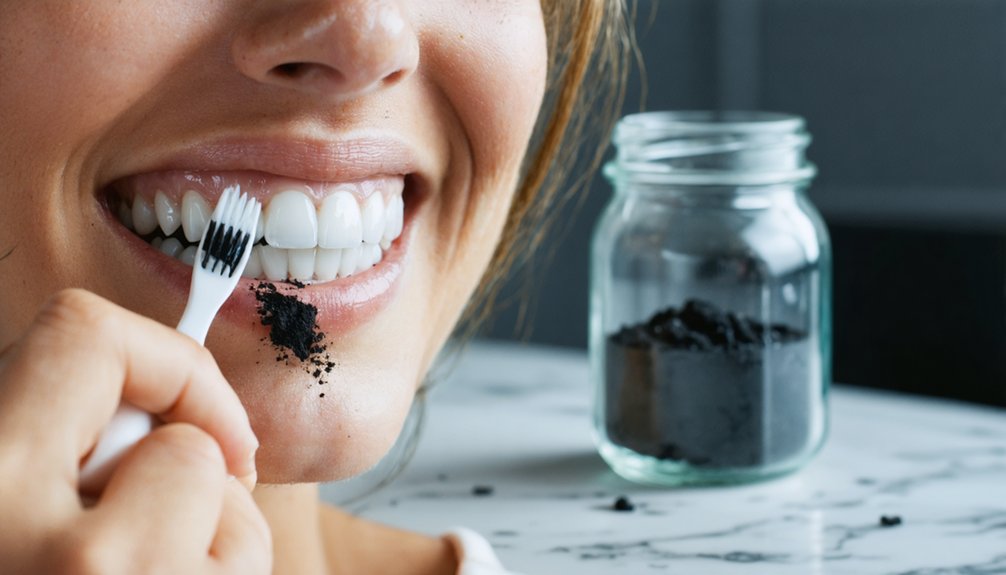
- Charcoal — abrasive texture scratches and weakens enamel surfaces
- Undiluted baking soda — disrupts enamel integrity with repeated use
You’re in control of what you apply to your teeth, so make evidence-based choices. Temporary sensitivity from peroxide-based whitening is manageable and expected. Enamel damage from unregulated methods isn’t reversible.
Matching the right product to your specific discoloration type protects your results and your long-term oral health.
Are DIY Whitening Methods Safe or Risky?
When it comes to DIY whitening, not all methods carry the same level of risk, and knowing the difference can protect both your enamel and your results.
Peroxide-based products like whitening strips and gels have evidence supporting their safety when you follow manufacturer instructions, making them reliable at-home options.
Safe DIY Whitening Options
Although DIY whitening methods are widely popular, not all of them are safe or effective. Many natural remedies and DIY myths circulate online, making it harder to identify what actually works without damaging your enamel.
Evidence supports these safer at-home options:
- Peroxide-based whitening strips or gels – When you follow manufacturer instructions, these products effectively reduce surface stains within days to two weeks.
- Whitening toothpaste – Formulas containing mild abrasives or low-concentration peroxide can help manage everyday staining without aggressive enamel wear.
- Custom whitening trays from a dentist – These offer controlled peroxide application, reducing irritation risks while improving results.
Avoid lemon juice, charcoal, and undiluted baking soda. They’re popular but abrasive, and repeated use weakens enamel over time.
Risky DIY Whitening Methods
Not every DIY whitening method carries the same level of risk, but some popular options can cause real harm. Home remedies like lemon juice, activated charcoal, and straight baking soda are frequently promoted as natural solutions, yet evidence consistently links them to enamel erosion, surface abrasion, and increased tooth sensitivity.
Lemon juice’s acidity dissolves enamel over time. Charcoal’s abrasive texture wears down enamel surfaces. Neither removes deep stains effectively, meaning you’re accepting risk without reliable results.
Unregulated methods also lack standardized concentrations or application protocols, making overuse likely. Unlike peroxide-based products with established safety data, these alternatives remain poorly studied.
If you want control over your whitening outcomes, choosing evidence-backed methods protects both your enamel and your results.
How Do You Match the Right Remedy to Your Stain Type?
Matching the right whitening remedy to your stain type matters because not all discoloration responds to the same treatment. Stain penetration depth and enamel thickness both influence which approach will actually work for you.
Not all stains respond to the same treatment—matching the right remedy to your stain type is essential.
- Surface stains from coffee, tea, or tobacco typically respond well to peroxide-based strips, gels, or trays used consistently.
- Age-related yellowing caused by thinning enamel exposing darker dentin often requires stronger professional-grade treatments or custom trays.
- Internal discoloration from medications, trauma, or developmental factors won’t respond to standard whitening—bonding, veneers, or internal bleaching are more appropriate options.
Identifying your stain type before choosing a product prevents wasted time and ineffective results. When you’re uncertain, a dental professional can assess the cause and recommend a targeted, evidence-based solution.
How Long Does Teeth Whitening Actually Last?
How long your whitening results last depends largely on your habits and the method you used. Professional treatments typically maintain results for one to three years, while at-home strips or trays may require color restoration touch-ups every few months.
Your diet, tobacco use, and oral hygiene directly influence how quickly staining returns.
To extend results, limit coffee, tea, red wine, and tobacco. Rinse with water after consuming pigment-heavy foods and maintain consistent brushing and flossing habits.
Enamel strengthening through fluoride use also matters—stronger enamel resists surface staining more effectively and supports longer-lasting whiteness.
No whitening result is permanent. However, you can control how long it lasts by pairing your chosen method with disciplined maintenance habits and regular professional cleanings.
What Habits Keep Yellow Teeth From Coming Back?
Keeping teeth white after treatment comes down to the same habits that determine how long your results last. Your oral hygiene routine and dietary habits directly control how quickly stains return.
Focus on these three non-negotiables:
- Limit stain-causing drinks like coffee, tea, and red wine, or rinse with water immediately after consuming them.
- Brush and floss consistently twice daily to prevent surface pigment from bonding to enamel.
- Avoid tobacco entirely, since it’s one of the fastest ways to reverse whitening results.
Scheduling routine professional cleanings also removes buildup before it darkens. You won’t need to repeat whitening treatments as frequently if you control what contacts your enamel daily.
Consistency is what separates temporary results from lasting ones.
When Should You See a Dentist About Yellow Teeth?
Not all yellow teeth respond to over-the-counter whitening, and that’s when professional evaluation becomes necessary. If your discoloration stems from internal staining caused by medications, trauma, or developmental factors, standard whitening products won’t deliver results. You need a dentist to identify the actual cause before investing in remedies that won’t work.
You should also seek professional guidance if you’re experiencing tooth sensitivity during or after whitening attempts. Persistent sensitivity can signal enamel thinning or underlying issues that require clinical assessment rather than continued product use.
Poor dental hygiene that’s led to significant buildup, decay, or gum involvement also warrants a dental visit before any whitening begins. Taking control of your results starts with understanding what you’re actually treating.
Frequently Asked Questions
Can Whitening Remedies Improve Confidence Beyond Just Cosmetic Appearance?
Yes, whitening remedies can give you a self-esteem boost that extends beyond aesthetics. When you’re confident in your smile, you’ll engage more openly, strengthening social acceptance and improving how you present yourself in professional and personal interactions.
Do Whitening Routines Encourage People to Adopt Better Oral Hygiene Habits?
While genetic factors and dietary habits may work against you, whitening routines actively encourage better brushing, flossing, and rinsing habits. You’ll find that consistent routines naturally motivate smarter food choices and stronger daily oral hygiene practices.
Are Peroxide-Based Whitening Products Safe for Regular At-Home Use?
Yes, hydrogen peroxide-based products are safe when you follow manufacturer instructions. Safety concerns arise only with overuse, which can cause temporary sensitivity. You’ll achieve effective results by applying them correctly and consistently within recommended guidelines.
How Does Tooth Color Influence How Clean Your Teeth Appear to Others?
Tooth discoloration directly affects how clean your smile looks to others. When you have dental staining, people often perceive your teeth as less hygienic, even if your oral health is otherwise well-maintained and strong.
Can Surface Dehydration After Whitening Temporarily Make Teeth Look Yellower?
Yes, ironically, whitening can temporarily make your teeth look yellower. Surface dehydration causes temporary discoloration right after treatment, but don’t panic — your teeth rehydrate naturally, restoring their true shade as moisture returns to the enamel.
References
- https://www.estrellamountaindentistry.com/blogs/can-yellow-teeth-go-white-again/
- https://health.clevelandclinic.org/is-teeth-whitening-safe
- https://goldcoastdental.com/blog/teeth-yellow-after-whitening-causes/
- https://www.livescience.com/is-teeth-whitening-safe
- https://www.keep28.com/why-do-your-teeth-look-more-yellow-after-the-whitening-strips/
- https://pmc.ncbi.nlm.nih.gov/articles/PMC4058574/
- https://www.sensodyne.com/en-us/oral-health-tips/whitening-sensitive-teeth/how-to-whiten-yellow-teeth/
- https://tallmadgedentist.com/blog/10-reasons-your-teeth-are-yellow-and-whitening-tips/
- https://www.nhsdentist.com/blog/is-teeth-whitening-safe/
- https://www.the209dentist.com/blog/is-teeth-whitening-safe/