If you have sensitive gums, you’ll want to choose whitening formulas with hydrogen peroxide below 10%, like Crest 3D Whitestrips Sensitive at 5.25%, or switch entirely to peroxide-free PAP gels that whiten without triggering oxidative tissue damage. Natural alternatives like coconut oil pulling and enzyme-based toothpastes offer even gentler options. Professional treatments add protective gum barriers for precision application. The safest approach depends on several clinical factors worth understanding fully.
Key Takeaways
- Whitening products with hydrogen peroxide below 10%, like Crest 3D Sensitive (5.25%), minimize gum irritation while maintaining effective results.
- PAP and PAP+ gels remove stains without releasing free radicals, making them ideal for sensitive gums.
- Peroxide-free options like Lumineux use coconut oil and fruit enzymes to whiten without causing gum irritation.
- Professional whitening includes protective gum barriers and precise gel application, significantly reducing sensitivity risks.
- Natural alternatives like enzyme-based toothpastes and coconut oil pulling gradually reduce staining without irritating sensitive gum tissue.
Why Sensitive Gums Hurt During Whitening
Whitening agents irritate sensitive gums primarily because hydrogen peroxide penetrates soft tissue at the cellular level, triggering an oxidative inflammatory response.
When you apply peroxide-based products, free radicals attack gum tissue proteins, disrupting cellular integrity and activating pain receptors. These are your core gum irritation causes.
Your gum tissue becomes especially vulnerable when existing recession exposes root surfaces, allowing direct chemical contact with sensitive dentinal tubules.
Gum recession leaves root surfaces exposed, giving whitening chemicals direct access to sensitive dentinal tubules.
Poorly fitted trays compound this by letting gel pool along the gumline, intensifying exposure duration.
Whitening sensitivity triggers also include dehydration of enamel and gingival tissue during treatment, which temporarily heightens nerve responsiveness.
If you’ve got pre-existing gingivitis or thin gum tissue, your inflammatory threshold is already lowered, making peroxide’s oxidative effects considerably more pronounced and painful.
The Safest Whitening Products for Sensitive Gums
Because peroxide concentration directly determines gum irritation risk, your safest options start with formulations containing hydrogen peroxide below 10%—or none at all.
Crest 3D White Strips Sensitive delivers 5.25% hydrogen peroxide, a clinically vetted concentration that minimizes tissue damage without sacrificing efficacy. If you need to eliminate peroxide entirely, Lumineux products use coconut oil and fruit enzymes to whiten without oxidative gum exposure.
For maximum precision, custom trays fitted by your dentist confine whitening gel strictly to tooth surfaces, preventing inadvertent gum contact that triggers irritation.
PAP and PAP+ gel formulations offer another peroxide-free alternative, targeting stains through non-oxidative mechanisms. Carbamide peroxide options release active agents slowly, reducing peak tissue exposure.
Match the product to your sensitivity threshold and prioritize controlled application above all else.
Natural Whitening Alternatives That Skip the Peroxide
If you’re avoiding peroxide entirely, PAP gel, coconut oil pulling, and enzyme-based toothpastes offer clinically supported alternatives that won’t trigger gum irritation.
PAP gel whitens by oxidizing stains without releasing free radicals, eliminating the oxidative tissue damage associated with peroxide formulas.
You can also incorporate enzyme-based toothpastes, which gradually break down surface stains, or practice coconut oil pulling to reduce plaque accumulation and improve gum health over time.
PAP Gel Whitening Benefits
For those with sensitive gums who can’t tolerate peroxide-based treatments, PAP (phthalimidoperoxycaproic acid) and PAP+ gels offer a clinically validated alternative that whitens teeth without triggering oxidative gum damage.
PAP gel effectiveness stems from its targeted action on chromophores within enamel, breaking down stains without releasing free radicals that inflame soft tissue. Unlike hydrogen peroxide, PAP doesn’t penetrate gum tissue or destabilize the surrounding cellular environment.
PAP gel formulation typically combines the active whitening agent with hydroxyapatite and potassium citrate, reinforcing enamel while simultaneously calming nerve sensitivity.
You can use these gels with confidence knowing they’ve demonstrated measurable whitening results in clinical trials. If gum irritation has previously stopped your whitening efforts, PAP-based products give you a controlled, evidence-backed path forward.
Coconut Oil Pulling Effects
Coconut oil pulling works by swishing oil through your teeth for several minutes, which mechanically disrupts plaque adhesion and reduces surface staining through saponification of bacterial lipid membranes.
You’re not introducing oxidative agents, so your gum tissue avoids the chemical irritation peroxide-based methods typically trigger.
Consistent coconut oil use improves oral health markers, including reduced plaque accumulation and decreased gingival inflammation, both of which support a healthier whitening environment.
Results develop gradually rather than immediately, so you’ll need to maintain realistic expectations.
Perform sessions for 10–20 minutes before brushing, then spit the oil into a trash receptacle to prevent drain blockage.
While whitening effects are modest compared to peroxide alternatives, coconut oil pulling offers a genuinely low-risk strategy for sensitive gum management.
Enzyme-Based Toothpaste Options
While coconut oil pulling offers a mechanical, chemistry-free approach to surface stain reduction, enzyme-based toothpastes operate through a different biological mechanism that’s equally gentle on sensitive gums.
These gentle formulations leverage natural fruit enzymes to break down chromogenic compounds on enamel without oxidative damage. The enzyme benefits include targeted stain degradation while preserving soft tissue integrity—a critical advantage for sensitive gum sufferers.
Key features to evaluate when selecting enzyme-based toothpastes:
- Papain or bromelain content, which catalyze protein-based stain breakdown enzymatically
- Absence of alcohol or high-abrasive particles, preventing gum irritation
- PAP+ or peroxide-free labeling, confirming zero oxidative chemical exposure
- Anti-inflammatory botanical additives like aloe vera, reinforcing gum tissue protection
You’ll achieve gradual but measurable whitening while maintaining full control over gum health throughout treatment.
Do Professional Treatments Protect Sensitive Gums Better?
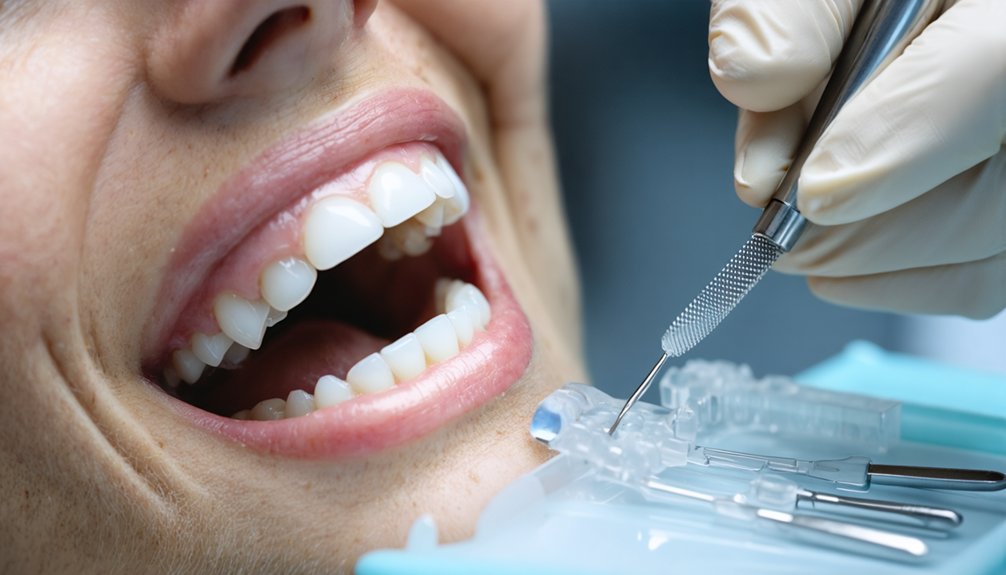
Professional treatments offer a meaningful advantage when you have sensitive gums, largely because dentists can apply protective gum barriers before any whitening agent touches soft tissue.
These safety protocols eliminate much of the guesswork that accompanies at-home kits. Precise gel application guarantees the whitening agent contacts only enamel, not surrounding tissue.
If sensitivity arises mid-session, your dentist can pause treatment immediately—a level of real-time control you simply don’t have with strip-based or tray-based home methods.
Post-treatment, dentists often apply potassium nitrate desensitizing gel directly to further reduce nerve response.
Custom-fitted trays used in professional settings also prevent gel migration onto gum tissue.
For sensitive patients prioritizing both efficacy and safety, professional treatment delivers measurably better protection than most over-the-counter alternatives.
Whitening Ingredients That Damage Sensitive Gum Tissue
Knowing what protects your gums is only half the equation—you also need to know what actively harms them. Certain whitening ingredients cause direct tissue damage, and avoiding them isn’t optional if you’re managing sensitivity.
Protecting your gums matters—but knowing what actively destroys them is where real control begins.
Ingredients that compromise sensitive gum tissue include:
- High-concentration hydrogen peroxide (over 10%): causes chemical burns, inflammation, and prolonged gum pain.
- Alcohol-based gels: dehydrate oral tissue, impairing healing and increasing irritation.
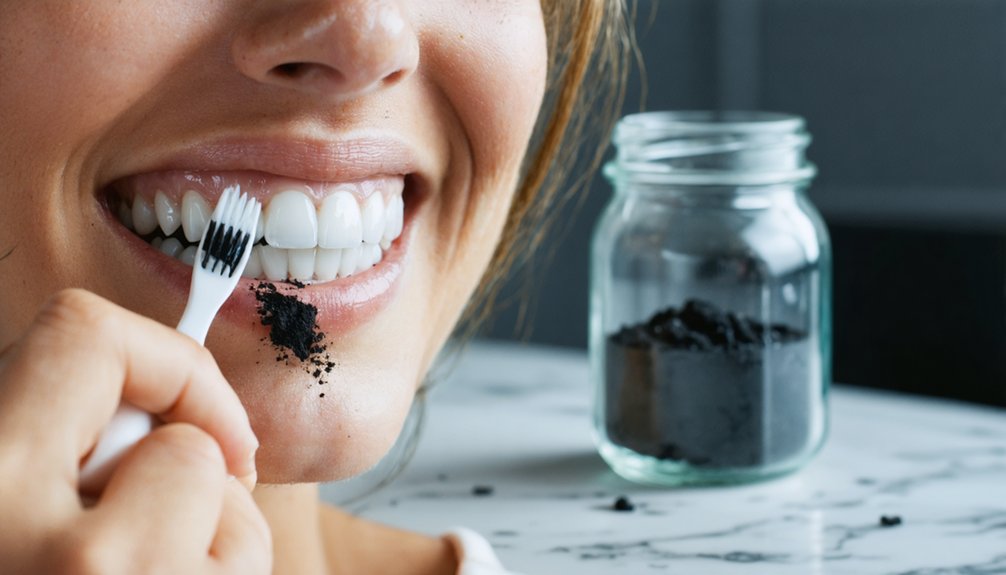
- Abrasive ingredients like charcoal powders: physically erode enamel and trigger gum recession.
- Acidic agents like vinegar or lemon juice: degrade enamel and worsen existing gum sensitivity.
If you’re evaluating peroxide alternatives, prioritize PAP+ or enzyme-based formulas that deliver results without oxidative tissue damage.
Recognizing harmful ingredients gives you precise control over your whitening outcomes.
How Often to Whiten Without Aggravating Your Gums
Frequency matters just as much as formula when you’re managing gum sensitivity during whitening. Limit sessions to 15–20 minutes and space applications every other day to allow adequate gum recovery between treatments.
This interval lets dentinal tubules remineralize and gum tissue stabilize before re-exposure to active agents.
If you’re using overnight trays, reduce contact time to 30 minutes or less. Prolonged gel exposure directly correlates with increased tissue inflammation and delayed healing.
Start with lower whitening frequency—once every two days—then gradually extend duration only if sensitivity remains absent.
Monitor for sharp or persistent pain; that’s your signal to pause immediately. Controlled whitening frequency isn’t a compromise—it’s the precise strategy that protects your gums while still delivering measurable results.
Frequently Asked Questions
Can Desensitizing Toothpaste Be Used Before Whitening Treatments Begin?
Yes, you can use desensitizing toothpaste before whitening methods begin. Apply desensitizing ingredients like potassium nitrate consistently for two weeks prior—it’ll block nerve signals, giving you control over sensitivity before treatment starts.
Is Teeth Whitening Safe During Pregnancy for Those With Sensitive Gums?
You shouldn’t pursue whitening methods during pregnancy, as pregnancy safety concerns outweigh cosmetic benefits. Avoid all peroxide-based treatments until postpartum, when your dentist can safely recommend options suited for your sensitive gums.
How Long Do Whitening Results Last for People With Sensitive Gums?
Your whitening longevity typically spans six months to two years. You’ll extend results through sensitivity management strategies like spacing treatments, using low-peroxide formulas, and avoiding staining foods while monitoring gum response consistently.
Can Gum Disease Disqualify Someone From Using Whitening Products Safely?
Yes, gum disease effects can disqualify you from whitening safely. Active infection makes tissues vulnerable to whitening product ingredients like peroxide, accelerating damage. You must achieve full periodontal health before beginning any whitening protocol.
Does Diet Affect Gum Sensitivity After Completing a Whitening Treatment?
Yes, your diet directly impacts gum sensitivity post-whitening. Avoid hot, cold, and acidic foods for 48 hours, as these dietary impacts intensify reactions to whitening ingredients, prolonging inflammation and compromising your gum tissue’s recovery.
References
- https://www.forbes.com/sites/forbes-personal-shopper/article/best-whitening-product-for-sensitive-teeth/
- https://www.youroviedodentist.com/best-whitening-options-for-sensitive-teeth/
- https://www.devondentist.ca/teeth-whitening-for-sensitive-teeth-what-are-your-options/
- https://www.health.com/beauty/best-whitening-products-sensitive-teeth
- https://deandentalsolutions.com/how-to-whiten-your-sensitive-teeth-safely/
- https://www.youtube.com/watch?v=Gn6JHl-3wkI
- https://www.dentaly.org/us/teeth-whitening/whitening-sensitive-teeth/
- https://www.forbes.com/sites/forbes-personal-shopper/article/best-whitening-products-for-sensitive-teeth/
- https://drghayoumi.com/best-teeth-whitening-method/
- https://www.sensodyne.com/en-us/oral-health-tips/whitening-sensitive-teeth/what-to-know/