Whitening gels can trigger sharp tooth sensitivity because hydrogen peroxide penetrates enamel and dentin within minutes, irritating your nerves and pulp. You’re at higher risk if you have thin enamel, large pulp chambers, or pre-existing sensitivity. Overuse can lead to enamel erosion, gum burns, and chronic hypersensitivity to heat and cold. If your symptoms last beyond three days, consult a dentist. The risks and solutions go much deeper than most product labels reveal.
Key Takeaways
- Hydrogen peroxide penetrates enamel and dentin within minutes, exposing nerves and causing sharp, sudden pains commonly known as zingers.
- Thin enamel and larger pulp chambers increase sensitivity risk, making certain individuals more vulnerable to whitening gel irritation.
- Overuse of bleaching agents can permanently compromise enamel integrity, leading to translucent teeth, exposed dentin, and chronic hypersensitivity.
- OTC whitening gels lack customization, increasing gum contact and worsening existing dentinal hypersensitivity compared to professional treatments.
- Sensitivity symptoms persisting beyond three days post-treatment may indicate serious damage, requiring immediate professional dental consultation.
How Whitening Gels Trigger Tooth Sensitivity
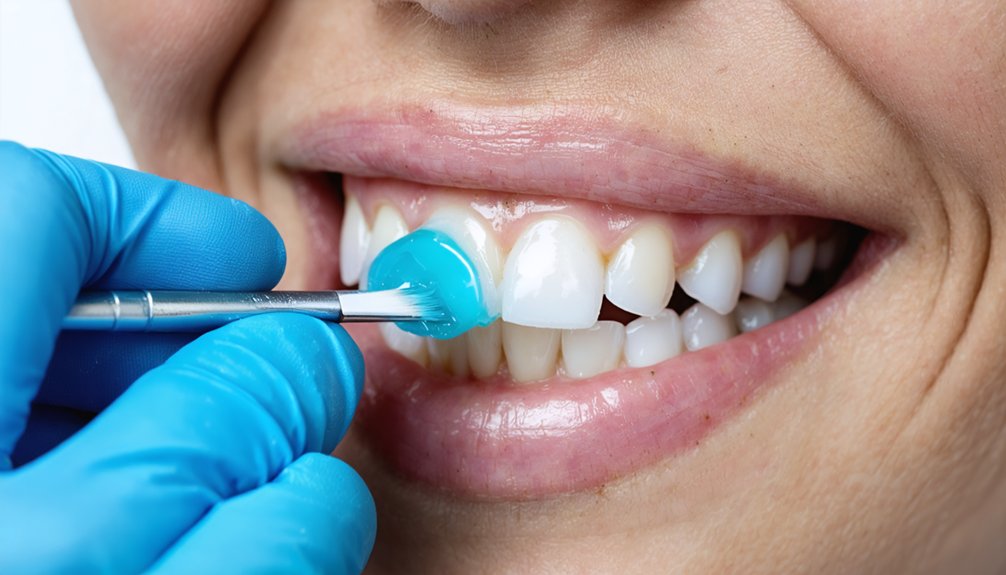
When you apply a whitening gel, hydrogen peroxide penetrates your enamel and dentin, reaching the pulp in as little as 5 to 15 minutes. This rapid enamel penetration temporarily increases permeability, exposing the dentin and pulp to chemical irritation. The result is sharp, sudden pains known as zingers — one of the most common sensitivity triggers associated with bleaching agents.
Tiny pores in your dentin connect directly to the tooth’s nerve canals, making them particularly vulnerable. If the gel contacts your gums or exposed roots, it intensifies the irritation further.
Bleaching agents also produce an oxidizing effect on gingival tissue, compounding discomfort. Understanding these mechanisms helps you make informed decisions about product selection, application frequency, and whether professional supervision is the safer route for your situation.
Why Some People Feel More Sensitivity Than Others?
Not everyone reacts to whitening gels the same way, and your individual biology plays a significant role in how much sensitivity you’ll experience.
Genetic factors influence your enamel thickness, dentin density, and pulp size — all of which determine how quickly bleaching agents reach your nerve tissue.
You’re more likely to experience heightened sensitivity if you have:
- Thin enamel, which allows hydrogen peroxide to penetrate faster
- Pre-existing dentinal hypersensitivity or exposed root surfaces
- Larger pulp chambers, common in younger patients, increasing nerve exposure
Understanding your unique risk profile lets you make smarter whitening choices.
If you have naturally thin enamel or genetic predispositions to sensitivity, opt for lower-concentration formulas and professionally fitted trays to maintain control over your treatment outcomes.
When Does Whitening Sensitivity Become Permanent Damage?
Temporary sensitivity crosses into permanent damage when overuse or misuse of bleaching agents compromises your enamel’s structural integrity. Exceeding your sensitivity threshold repeatedly strips enamel, leaving teeth translucent and exposing the yellow dentin beneath. At this stage, the damage isn’t reversible.
Overuse doesn’t just sensitize teeth — it permanently strips enamel, leaving translucent, damaged structure that no treatment can restore.
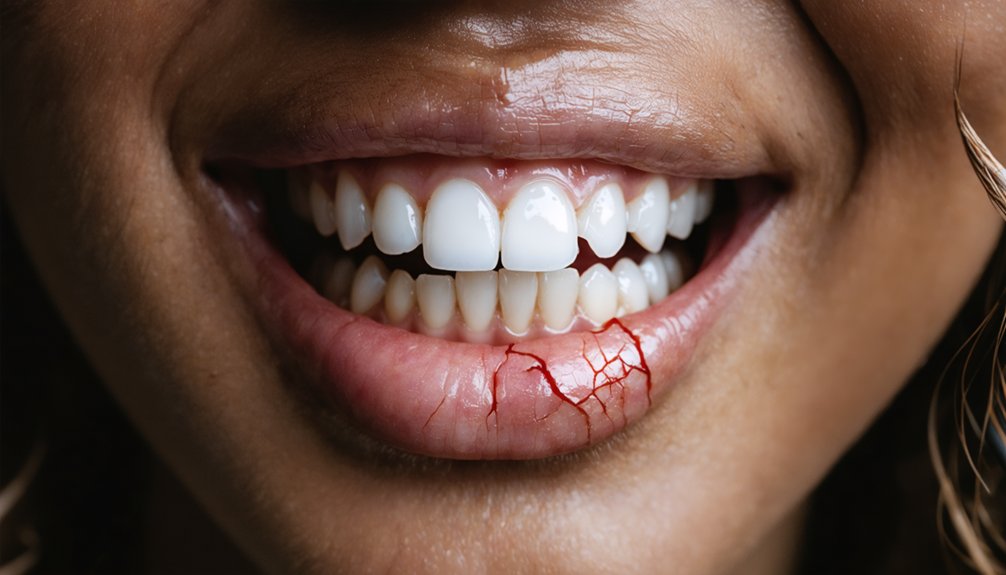
Chronic overuse also causes chemical burns on gum tissue and lasting nerve irritation within the pulp. Unlike transient zingers that resolve within 72 hours, permanent damage produces ongoing hypersensitivity to heat, cold, and sweet foods without recovery periods between exposures.
You’re most at risk if you’re using high-concentration strips, pens, or trays without professional guidance.
Recognizing when sensitivity stops being temporary requires tracking your symptoms. If discomfort persists beyond three days post-treatment, stop immediately and consult a dental professional.
Are OTC Whitening Gels Riskier Than Professional Treatments?
Over-the-counter whitening gels carry measurably higher risks than professional treatments, primarily because they lack customization and clinical oversight. OTC effectiveness is limited compared to professional safety protocols, which use custom-fitted trays that minimize gum exposure and reduce irritation.
Key differences that affect your risk level:
- Custom trays in professional treatments prevent gel contact with gums and exposed roots.
- Concentration control allows professionals to adjust peroxide levels based on your sensitivity history.
- Clinical monitoring catches early signs of enamel damage before they worsen.
Without supervision, you’re more likely to misuse strips or trays, increasing chronic sensitivity risk.
If you already experience dentinal hypersensitivity, OTC products can accelerate damage. Choosing professional treatment gives you measurable control over both outcomes and risks.
How to Reduce Sensitivity Without Giving Up Whitening
Sensitivity doesn’t have to stop you from whitening your teeth if you take the right precautions. Effective sensitivity management starts with choosing lower-concentration peroxide gels and using custom-fitted trays that minimize gum exposure.
Gradual whitening through shorter application sessions reduces pulp irritation while still delivering results. Apply desensitizing agents containing potassium nitrate or fluoride before and after treatments to strengthen enamel and calm nerve responses.
If you’re using OTC products, avoid overuse — spacing out sessions gives your enamel time to recover. Postpone whitening if you have active decay, gum disease, or pre-existing hypersensitivity.
Professional supervision remains your most reliable option, as a dentist can monitor your response and adjust protocols before minor sensitivity becomes a chronic problem.
Frequently Asked Questions
Can Whitening Gels Permanently Damage Tooth Enamel Over Time?
Yes, overusing whitening gels can cause enamel erosion and serious long-term effects. You’ll weaken your enamel, exposing yellow inner layers. Stick to recommended guidelines and choose lower-concentration formulas to protect your teeth effectively.
Are Whitening Gels Safe to Use During Pregnancy or Breastfeeding?
You should avoid whitening gels entirely during pregnancy—it’s an enormous risk. Pregnancy safety demands caution, as chemicals can harm development. For breastfeeding precautions, you’ll want to consult your dentist before resuming any whitening treatments.
How Long Should You Wait Between Whitening Gel Treatment Sessions?
You should wait 24-72 hours between whitening gel sessions to optimize treatment effectiveness and let sensitivity subside. Managing whitening frequency carefully helps you prevent enamel damage, chronic sensitivity, and guarantees safer, more controlled results.
Can Whitening Gels Cause Allergic Reactions in Sensitive Individuals?
Yes, whitening ingredients can trigger allergic reactions in a million ways if you’re sensitive. You’ll want to patch-test products first and prioritize sensitivity management by consulting your dentist before starting any whitening gel treatment.
Do Whitening Gels Affect Dental Restorations Like Crowns or Veneers?
Whitening gels don’t improve whitening effectiveness on crowns or veneers since they resist bleaching agents. You’ll notice color mismatches, and repeated exposure can compromise crown longevity by degrading bonding materials, so consult your dentist first.
References
- https://www.suttonpda.com/sensitivity-safety-teeth-whitening/
- https://adanews.ada.org/huddles/risks-of-frequent-teeth-whitening/
- https://www.chesapeakebaydentistry.com/blog/teeth-whitening-leave-teeth-sensitive/30187
- https://www.usmiledent.com/blog/does-teeth-whitening-have-side-effects/
- https://www.blvddentistry.com/can-you-get-whitening-treatment-with-sensitive-teeth/
- https://pmc.ncbi.nlm.nih.gov/articles/PMC6787621/
- https://www.thesuperdentists.com/sensitive-teeth-hurting-after-whitening/
- http://www.smileorangecounty.com/blog/2019/4/3/are-your-teeth-sensitive-when-you-use-teeth-whitening-gel-heres-why-and-what-you-can-do-about-it
- https://www.overhilldental.com/post/is-professional-teeth-whitening-safe-for-sensitive-teeth