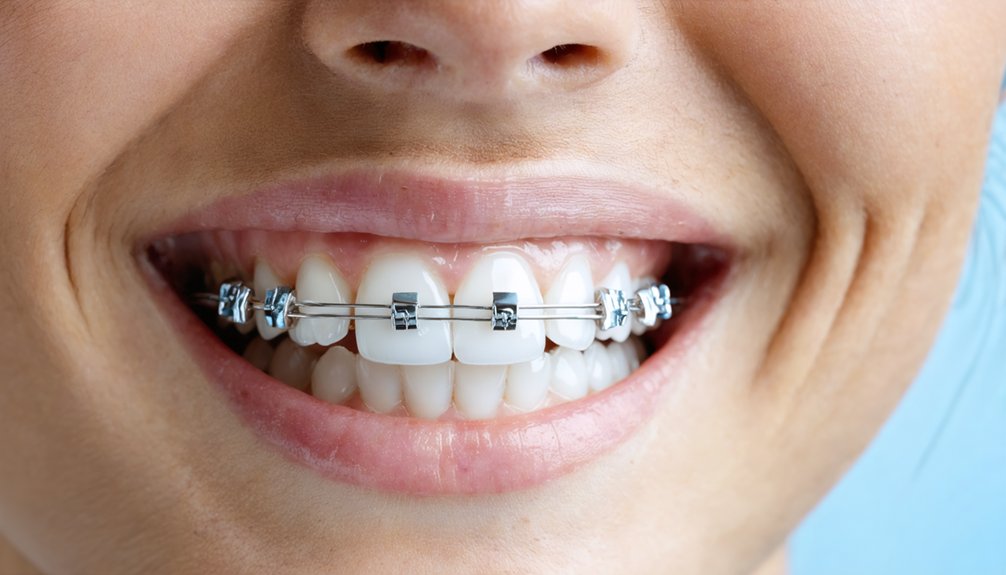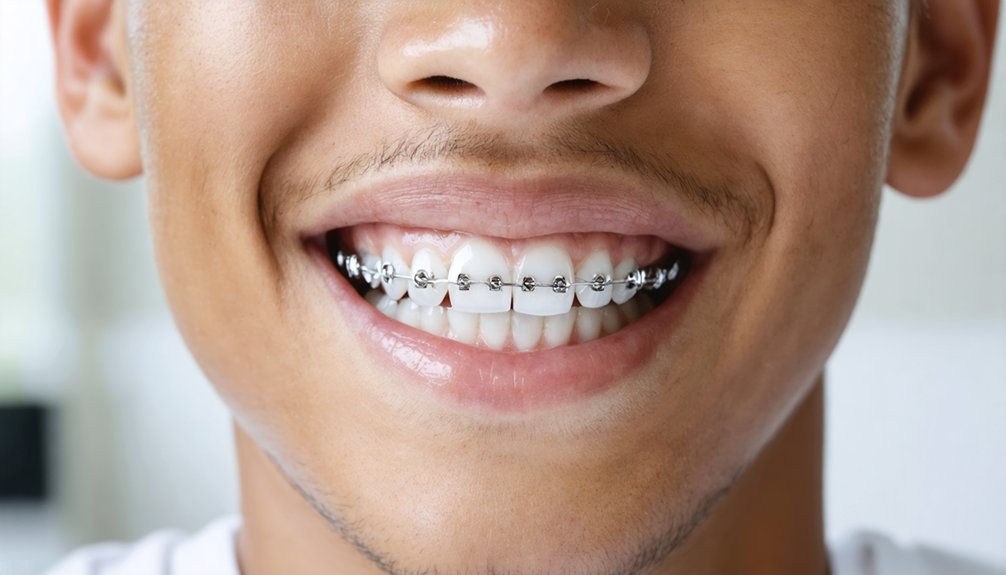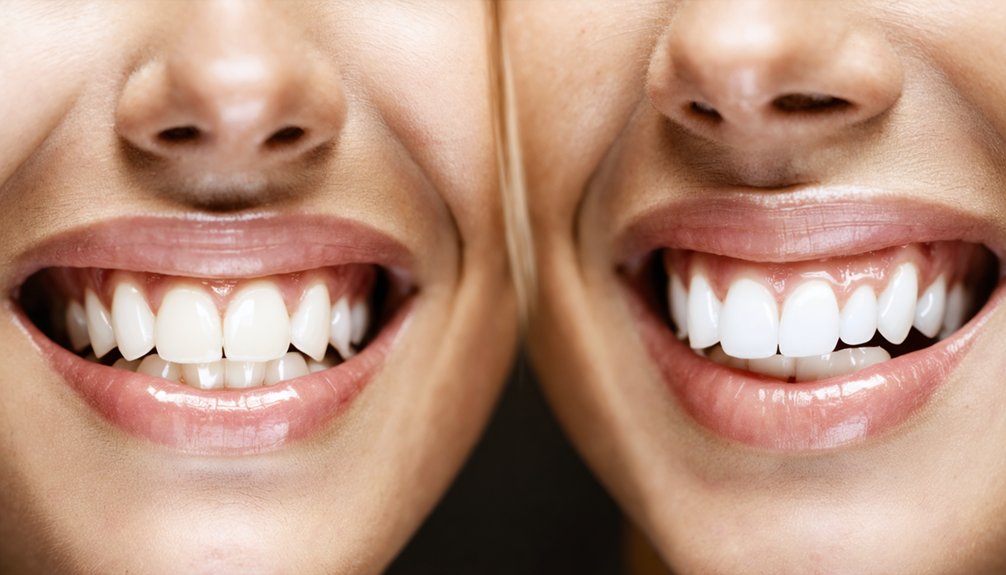
Choosing between veneers and teeth whitening depends on your specific dental concerns and budget. If you’re dealing with surface stains from coffee, tea, or tobacco, whitening is your most affordable, non-invasive option. But if you’re correcting structural flaws, severe discoloration, or misalignment, veneers offer a longer-lasting solution. Both treatments vary greatly in cost, durability, and suitability — and understanding these key differences will help you make the right choice for your smile.
Key Takeaways
- Teeth whitening suits those with surface stains and healthy teeth, offering an affordable, non-invasive solution with results lasting 6–12 months.
- Veneers are ideal for deeper discoloration and structural issues like chips, cracks, or gaps, providing a permanent, long-lasting solution.
- Professional whitening costs around $650 per treatment, while porcelain veneers range from $950 to $2,500 per tooth.
- Veneers last 10–15 years and resist future staining, whereas whitening requires repeated treatments for maintained results.
- Consulting a dentist is essential to determine the best treatment based on stain type, tooth structure, and budget.
What’s the Difference Between Veneers and Teeth Whitening?
When considering cosmetic dental treatments, understanding the core distinctions between veneers and teeth whitening helps you make an informed decision.
Teeth whitening benefits those with surface stains by using peroxide-based agents to lighten natural tooth color. It’s non-invasive, affordable, and delivers quick results without altering your tooth structure.
Veneers, by contrast, are custom-made porcelain or composite shells bonded permanently to your teeth.
Veneer longevity spans 10–15 years, making them a long-term solution for chips, gaps, misalignment, and deep discoloration. However, placement requires permanent enamel removal, making the process irreversible.
Essentially, whitening addresses color alone, while veneers correct both aesthetics and structural flaws.
Your specific dental concerns and goals determine which treatment delivers the right outcome.
What Dental Problems Can Each Treatment Actually Fix?
Understanding which dental problems each treatment can address helps you make a smarter, more informed decision.
Teeth whitening targets surface-level discoloration caused by food, beverages, and smoking, but it can’t correct chips, cracks, gaps, or intrinsic stains.
Veneers, on the other hand, tackle a broader range of structural and cosmetic issues, including misalignment, severe discoloration, and damaged tooth surfaces.
Whitening’s Fixable Dental Issues
Teeth whitening effectively addresses extrinsic stains—discoloration that sits on or near the surface of your enamel. Its whitening effectiveness is well-documented for stains caused by coffee, tea, red wine, tobacco, and certain foods.
Professional treatments can lighten your teeth several shades within a single in-office visit.
However, you should understand its limitations. Whitening produces temporary results, typically lasting six months to one year before retreatment becomes necessary.
It won’t correct intrinsic stains—discoloration originating within the tooth structure itself—nor will it address gray or brown discoloration caused by medication, trauma, or aging.
Additionally, whitening works exclusively on natural tooth enamel, leaving existing crowns, fillings, or veneers unaffected.
If your concerns fall outside surface staining, whitening won’t deliver the outcome you’re seeking.
Veneers’ Correctable Dental Problems
Veneers operate on an entirely different level of corrective capability. While whitening addresses color alone, veneers let you simultaneously correct chips, cracks, gaps, misalignment, and severe intrinsic staining that bleaching agents can’t touch. These are problems rooted in structure and form, not just surface pigmentation.
The veneer benefits extend beyond aesthetics. You’re getting custom-crafted shells, precision-matched to your desired shade, shape, and size, that transform your smile thoroughly in typically two visits.
Porcelain veneers resist future staining, so you maintain your results without repeated treatments.
Veneer durability reinforces this investment further. With a survival rate exceeding 90% at 10 years, you’re choosing a long-term correction rather than a temporary fix.
If your concerns involve multiple structural or cosmetic flaws, veneers deliver what whitening simply cannot.
How Much Do Veneers and Teeth Whitening Cost?
Cost is often a deciding factor when choosing between teeth whitening and veneers.
Professional teeth whitening typically runs around $650, while porcelain veneers can cost $950–$2,500 per tooth and composite veneers $200–$1,500 per tooth.
Understanding this pricing gap helps you weigh the short-term affordability of whitening against the long-term investment veneers require.
Teeth Whitening Treatment Costs
When comparing your options, cost is often one of the deciding factors between teeth whitening and veneers. Professional in-office teeth whitening techniques typically run around $650, making them markedly more accessible than veneers.
If you’re working with a tighter budget, at-home whitening product options — including custom trays, strips, and gel kits — cost considerably less, though results vary in intensity and longevity.
Keep in mind that whitening results last only six months to a year, meaning you’ll factor in recurring maintenance costs over time. While the upfront investment is lower, repeated treatments can accumulate.
Your dentist can help you evaluate which teeth whitening techniques align with your goals and budget, ensuring you select the most cost-effective approach before committing to a treatment plan.
Veneer Pricing Breakdown
Porcelain veneers typically run between $950 and $2,500 per tooth, while composite veneers offer a more affordable range of $200 to $1,500 per tooth.
The price difference between these veneer types reflects a significant gap in veneer longevity — porcelain lasts 10 to 15 years, while composite typically requires replacement sooner.
Since veneers are applied per tooth, your total investment scales with how many teeth you’re treating. Most patients targeting a full smile address six to eight front teeth, pushing total costs considerably higher than whitening.
Insurance rarely covers veneers, as they’re considered cosmetic. However, many dental practices offer financing plans.
If you’re prioritizing long-term, transformative results, veneers deliver durability and precision that whitening simply can’t match.
Cost Comparison Overview
Stacking veneers against teeth whitening reveals a dramatic price gap. Your budget and goals directly determine which option delivers genuine cost effectiveness.
Here’s what you need to know:
- Professional teeth whitening runs approximately $650 per treatment, requiring repeat sessions every 6–12 months.
- Composite veneers cost $200–$1,500 per tooth, offering a mid-range investment with moderate treatment longevity.
- Porcelain veneers range from $950–$2,500 per tooth, lasting 10–15 years before replacement becomes necessary.
Whitening demands ongoing spending to maintain results, while veneers front-load your investment for extended durability.
When you calculate long-term costs, veneers often narrow that initial price gap considerably. Consult your dentist to align your financial plan with your clinical needs.
Is Teeth Whitening the Right Option for You?
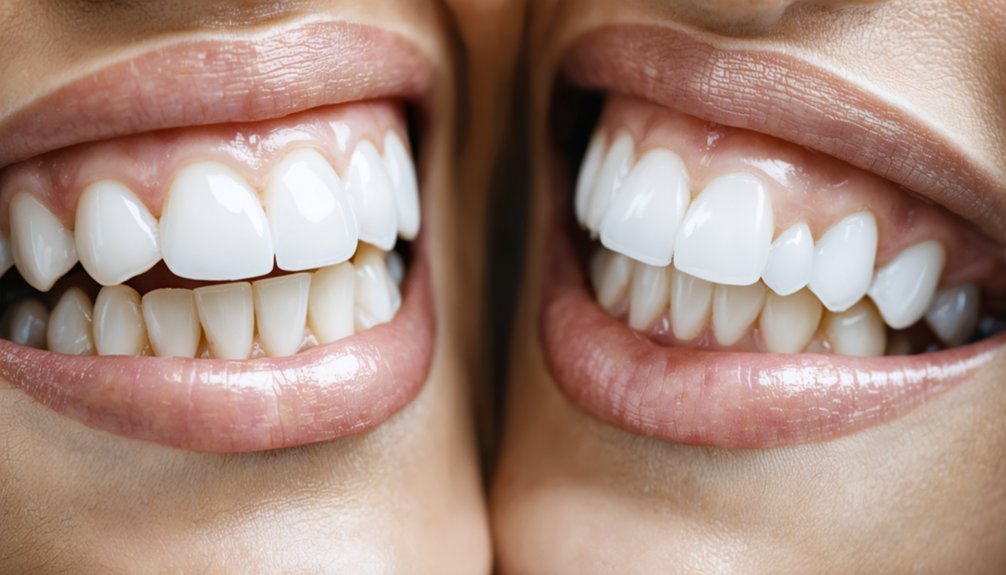
Teeth whitening could be the ideal solution if you’re dealing with surface-level discoloration caused by food, beverages, or smoking, and your teeth are otherwise healthy and structurally sound.
It’s a non-invasive, affordable option that delivers results within a single visit or a few days at home. However, you’ll need to account for teeth sensitivity, which can occur temporarily following treatment.
You should also consider treatment duration — results typically last six to twelve months, requiring periodic maintenance to sustain brightness.
Whitening won’t correct chips, cracks, gaps, or intrinsic staining, and it won’t affect crowns or fillings.
If your primary concern is surface yellowing and you’re seeking a cost-effective, low-commitment approach, teeth whitening gives you measurable control over your smile’s appearance.
Who Should Choose Veneers Instead of Whitening?
Veneers become the stronger choice when surface whitening can’t resolve what’s affecting your smile. Whitening limitations become apparent when discoloration originates below the enamel or when structural concerns are present.
Veneers advantages extend beyond color correction, giving you control over shape, size, and alignment simultaneously.
Consider veneers if you’re experiencing:
- Deep or intrinsic stains that professional whitening treatments can’t penetrate
- Structural imperfections including chips, cracks, gaps, or mild misalignment
- Existing restorations like crowns or fillings that won’t respond to whitening agents
Veneers require enamel removal, making the decision permanent.
However, if you’re seeking durable, thorough results lasting 10–15 years, veneers deliver a level of transformation that whitening simply can’t match.
How Do You Choose Between Veneers and Teeth Whitening?
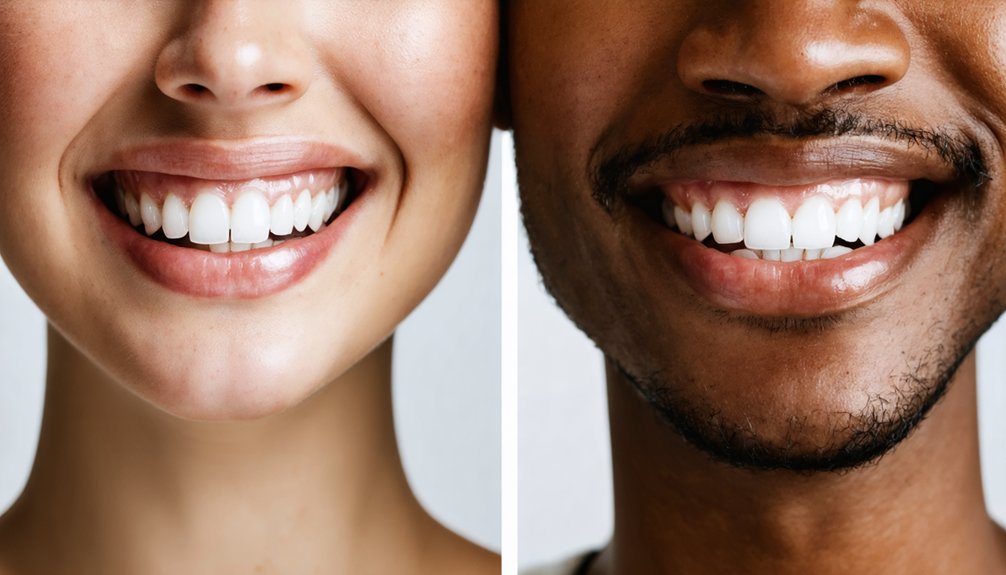
Knowing which option fits your situation comes down to an honest assessment of your dental goals, budget, and the nature of your concerns.
If you’re dealing with surface stains and want a cost-effective, non-invasive solution, whitening delivers fast results. If you need to correct chips, gaps, severe discoloration, or misalignment, veneers offer extensive, lasting improvement.
Consider treatment longevity carefully. Whitening requires ongoing maintenance, while veneers provide a decade or more of durability at a notably higher cost.
Your personal preferences around invasiveness, commitment, and spending will shape the right path forward.
A dentist can assess your stain type, tooth structure, and overall oral health to guide your decision.
Ultimately, you’re in control of balancing what you want aesthetically against what you’re willing to invest.
Frequently Asked Questions
Can You Get Teeth Whitening Done Before Getting Veneers Fitted?
Jumping the gun on whitening before veneers won’t benefit you — veneers don’t whiten. You’d risk teeth sensitivity unnecessarily, as your dentist matches veneers to your natural shade, ensuring ideal veneer longevity without prior whitening.
Do Veneers Require Any Special Daily Care or Maintenance Routines?
Veneers don’t require special routines, but you’ll maximize veneer longevity through consistent daily cleaning—brushing twice, flossing regularly, and avoiding hard foods or staining beverages. You should also schedule routine dental checkups to monitor their condition effectively.
Is Teeth Whitening Safe During Pregnancy or While Breastfeeding?
“Better safe than sorry” — you should avoid teeth whitening safety risks during pregnancy concerns, as research remains limited. While breastfeeding, consult your dentist first; they’ll help you determine the safest timing for your whitening treatment.
Can Veneers Be Removed if You Change Your Mind Later?
You can’t reverse veneers since enamel removal is permanent. Veneer longevity spans 10–15 years, requiring replacements afterward. If you’re hesitant, consider veneer alternatives like teeth whitening, which preserve your natural tooth structure completely.
How Long After Whitening Treatment Can You Eat Normally?
After whitening treatment, you can typically eat normally within 24-48 hours. To manage whitening sensitivity, you’ll want to follow post-treatment care guidelines by avoiding staining foods, hot, or cold items during this initial recovery window.
References
- https://progracedentistry.com/blog/teeth-whitening-vs-veneers/
- https://www.rictadvanceddentistry.com/teeth-whitening-vs-veneers-which-option-is-best-for-you/
- https://www.mydentaloffice.com/teeth-whitening-vs-veneers/
- https://www.boulderdental.com/porcelain-veneers-vs-teeth-whitening-pros-cons/
- https://www.yourdentistryguide.com/whitening-vs-veneers/
- https://www.rayforddental.com/veneers-vs-teeth-whitening-which-option-is-best-for-your-smile-in-spring-tx
- https://eastmainstreetdentistry.com/teeth-whitening-vs-dental-veneers-when-veneers-may-be-the-better-choice/
- https://flatironfamilydental.com/blog/whitening-vs-veneers-which-brightens-best-i-flatiron-family-dental/