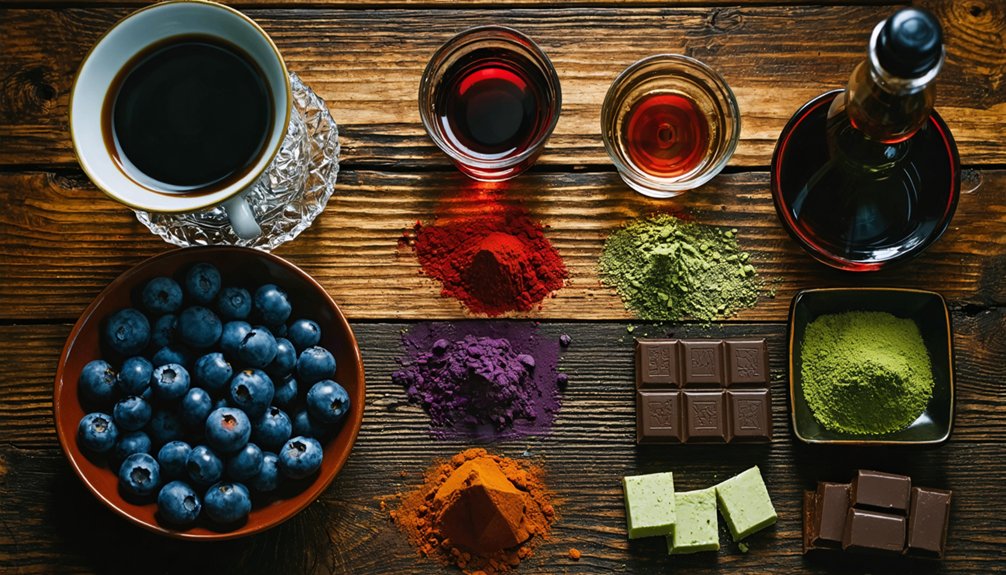
Foods that stain your teeth fall into several key categories: dark beverages like coffee, tea, and red wine; acidic drinks like soda and white wine; kitchen staples like soy sauce, tomato-based sauces, and turmeric; deeply pigmented fruits like blueberries, cherries, and pomegranates; and dye-heavy sweets like hard candies and popsicles. Tannins, acid, and pigments work together to erode and discolor enamel over time. Understanding exactly how each category damages your teeth changes everything about how you approach your diet.
Key Takeaways
- Coffee, tea, and red wine contain tannins and acids that accelerate tooth discoloration through enamel erosion and deep pigment penetration.
- Tomato-based sauces, soy sauce, and turmeric bond intense pigments to enamel, causing persistent staining with frequent exposure.
- Deeply pigmented fruits like blueberries, cherries, pomegranates, and beetroot leave lasting color residue directly on enamel surfaces.
- Sodas, citrus drinks, and carbonated beverages erode enamel through high acidity, increasing vulnerability to subsequent staining from other foods.
- Rinsing with water within 30 seconds after consuming staining foods or drinks significantly reduces pigment adhesion and long-term discoloration.
Tannins, Acid, and Pigment: What Makes Foods Stain Teeth
When it comes to tooth discoloration, three primary culprits are responsible: tannins, acid, and pigment. Understanding how each works gives you control over protecting your smile.
Tannin types vary across foods and beverages, but all share one trait — they bind directly to enamel surfaces, increasing porosity and making teeth more vulnerable to future stains.
Tannins grip enamel directly, widening its pores and leaving teeth increasingly exposed to staining over time.
Acid compounds this problem by eroding enamel protection, stripping away the mineral barrier that shields your teeth from discoloration. Once that barrier weakens, pigmented compounds penetrate deeper into the tooth structure.
Pigments alone cause surface staining, but paired with tannins and acid, their effect becomes cumulative and resistant to standard brushing.
Recognizing this three-part mechanism helps you make deliberate dietary choices that preserve enamel integrity and minimize long-term discoloration risk.
Coffee and Tea: Why They’re the Worst Drinks for Tooth Staining
Among all beverages, coffee and tea rank as the most damaging to tooth color due to their high tannin concentrations. Tannins bind directly to enamel, increasing porosity and accelerating pigment absorption with every sip. Daily consumption compounds this damage, producing visible discoloration that resists standard brushing.
Different tea types carry varying risk levels. Black tea stains more aggressively than green tea, though both cause cumulative yellowing over time.
If you want to reduce staining, switching to lighter tea types or exploring coffee alternatives like golden milk or herbal infusions lowers your exposure considerably.
You control the frequency and volume of intake. Rinsing with water immediately after consumption disrupts tannin adhesion and limits long-term enamel damage before it becomes clinically irreversible.
Why Wine Stains Teeth Worse Than You Think
Red wine delivers a triple staining threat that most people underestimate: deep pigmentation, tannins, and high acidity working simultaneously against your enamel.
The tannins increase enamel porosity, allowing red and orange pigments to penetrate deeply rather than simply coat the surface. Frequent consumption produces long-term discoloration that standard brushing can’t reverse.
Tannins don’t just stain teeth — they open enamel, letting pigments embed permanently beyond any toothbrush’s reach.
White wine isn’t safer. Its higher acidity weakens enamel structure, making your teeth more vulnerable to staining from other foods you consume afterward.
For staining prevention, rinse with water immediately after drinking wine, and avoid brushing within 30 minutes since acid-softened enamel abrades easily.
Consider wine alternatives like sparkling water with fruit infusions when possible. If you drink wine regularly, professional cleaning becomes a clinical necessity, not a luxury.
Dark Sauces and Spices That Leave Permanent Marks on Teeth
Your kitchen staples can be just as damaging to your enamel as your beverages.
Soy sauce clings to enamel surfaces due to its dark pigmentation and sticky consistency, while tomato-based sauces compound the damage by combining high acidity with intense pigment to erode and discolor simultaneously.
Turmeric, a key component in curry spices, contains curcumin, a potent yellow dye that bonds aggressively to enamel and resists standard brushing.
Soy Sauce Staining Effects
Soy sauce poses three distinct staining threats to your teeth: dark pigmentation, sticky consistency, and a mildly acidic pH that compromises enamel integrity.
Its viscous texture allows prolonged enamel contact, accelerating discoloration with each exposure.
Control your risk by acting on these evidence-backed steps:
- Rinse immediately with water after consuming soy sauce to reduce pigment adhesion.
- Explore soy sauce alternatives like coconut aminos, which carry lighter pigmentation and lower acidity.
- Apply enamel protection strategies by brushing 30 minutes post-meal, never immediately, to avoid spreading acid.
- Limit frequency—cumulative exposure multiplies staining severity far beyond what single servings suggest.
Your dietary choices directly determine your enamel’s long-term integrity.
Informed substitutions deliver measurable protection.
Tomato Sauce Enamel Erosion
Tomato-based sauces combine two damaging properties—high acidity and intense pigmentation—that work together to erode enamel and embed stains simultaneously.
When you consume tomato sauce regularly, the acid weakens your enamel health by stripping its protective surface layer, increasing porosity. Once porous, enamel absorbs the sauce’s deep red pigments more readily, accelerating visible discoloration.
The sticky consistency of tomato-based sauces compounds this effect—it prolongs contact time between pigment and tooth surfaces.
You can reduce cumulative damage by rinsing with water immediately after consumption, avoiding brushing within 30 minutes post-meal to prevent spreading acid across softened enamel.
Pairing tomato sauce meals with fibrous vegetables also helps mechanically disrupt residue before it adheres. Proactive habits directly control long-term staining outcomes.
Turmeric’s Intense Tooth Discoloration
Turmeric contains curcumin, a bright yellow polyphenol compound that bonds aggressively to porous enamel surfaces, making it one of the most potent dietary staining agents you’ll encounter.
Despite turmeric benefits like anti-inflammatory properties, its pigment penetrates deeply and resists standard brushing.
Protect your smile with these evidence-based actions:
- Rinse immediately after turmeric exposure to prevent curcumin from bonding permanently.
- Use a straw when consuming turmeric-based drinks to minimize enamel contact.
- Explore turmeric alternatives like ginger or saffron for similar health benefits without aggressive staining.
- Brush with whitening toothpaste containing mild abrasives within 30 minutes of consumption.
You control what contacts your enamel.
Strategic choices preserve both your health goals and your tooth color.
Sodas and Carbonated Drinks That Stain and Erode Teeth
Although sodas may seem like a harmless indulgence, their combination of artificial dyes and high acidity makes them a significant threat to your enamel.
Across soda types, carbonation effects weaken enamel by increasing porosity, allowing pigments to penetrate deeper into tooth structure. Cola’s acidity levels are particularly damaging, doubling your staining risk through both chemical erosion and dark dye saturation.
Sports drinks and citrus-flavored carbonated water follow the same pattern, stripping enamel and exposing yellow dentin underneath. Sugar compounds this damage by feeding bacteria, accelerating decay and discoloration simultaneously.
For staining prevention, rinse with water immediately after consumption, use a straw to minimize contact, and avoid brushing within 30 minutes of drinking acidic beverages to prevent further enamel abrasion.
Fruits and Juices That Stain Teeth Despite Being Healthy
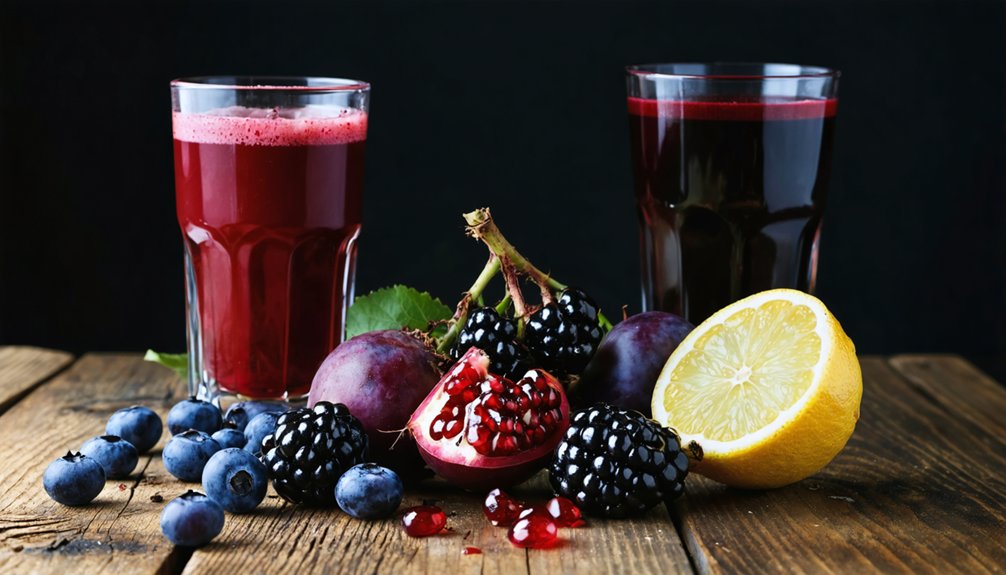
Many fruits celebrated for their antioxidant content carry deeply pigmented compounds that actively stain your enamel.
Even natural fruit alternatives like water or milk can replace high-risk juices, giving you control over discoloration. Juice staining prevention starts with understanding which options pose the greatest risk.
These four culprits demand your attention:
- Blueberries and blackberries bind dark pigments directly onto enamel surfaces.
- Cherries and pomegranates leave persistent purple and red residue after every bite.
- Beetroot instantly turns teeth red or orange upon contact.
- Cranberry, grape, and blueberry juices combine acidity with intense pigmentation, accelerating enamel erosion and deeper staining.
Rinse immediately after consuming these foods.
Your enamel doesn’t recover quickly, but your habits can change today.
Candies and Sweets That Stain Teeth From the Inside Out
Candies and sweets deliver staining compounds directly to your enamel through two primary mechanisms: artificial dyes and tannins. Understanding these staining mechanisms helps you make deliberate choices about candy types and their consequences.
Hard candies dissolve slowly, bathing your teeth in concentrated dye for extended periods.
Dark chocolate contains tannins that bond to enamel surfaces, creating persistent discoloration that resists brushing.
Brightly colored chewing gum leaves pigmented residue along tooth ridges, while chewy candies trap dyes between teeth, causing localized staining spots.
Popsicles with deep coloring compound the problem through repeated, prolonged contact.
Your best defense involves rinsing immediately after consumption, limiting exposure duration, and choosing lighter-colored alternatives when possible.
Consistent post-consumption rinsing notably reduces dye penetration before it becomes permanent discoloration.
Which Stains Are Permanent vs. Removable?
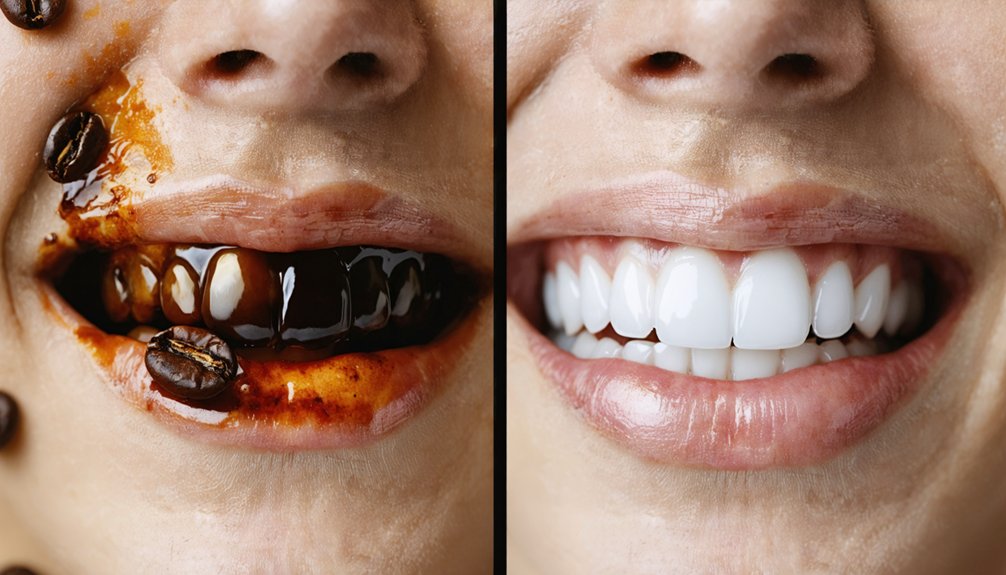
Understanding whether a stain is extrinsic or intrinsic determines what treatment will actually work.
Extrinsic stains sit on enamel’s surface; intrinsic stains penetrate dentin. Your response must match the stain type.
- Extrinsic stains from coffee, wine, and dark sauces are removable through professional cleaning and tooth whitening treatments.
- Intrinsic stains caused by prolonged acid erosion or medication exposure require veneers or bonding — whitening won’t reach them.
- Neglected extrinsic stains become intrinsic over time as pigments penetrate porous, weakened enamel — stain prevention stops this progression.
- Early intervention gives you the most control; waiting transforms a cleanable surface stain into a permanent structural problem.
You decide the outcome by acting before stains migrate deeper into your tooth structure.
How to Eat These Foods Without Staining Your Teeth
After consuming staining foods or beverages, you should rinse your mouth with water immediately to dilute residual pigments and acids before they penetrate enamel.
When drinking coffee, tea, wine, or dark juices, you can use a straw to minimize direct contact between the liquid and your tooth surfaces.
These two simple habits reduce cumulative staining risk without requiring you to eliminate high-pigment foods from your diet entirely.
Rinse After Eating
Rinsing your mouth with water immediately after consuming staining foods or beverages helps dilute residual pigments, tannins, and acids before they penetrate enamel. This simple intervention maximizes toothpaste effectiveness by reducing pigment load before brushing and supports enamel strengthening by neutralizing acidic damage early.
- Rinse within 30 seconds of consuming staining foods to intercept pigment adhesion before it sets.
- Use plain water, not sugary alternatives, to avoid compounding bacterial activity on weakened enamel.
- Swish vigorously for 20–30 seconds to dislodge tannins and surface pigments from tooth ridges.
- Wait 30 minutes before brushing after acidic foods, preventing you from spreading softened enamel across tooth surfaces.
You control the outcome. Act immediately.
Use a Straw
Limiting contact between staining compounds and your enamel is just as important as what you do after consumption. Using a straw delivers beverages past your front teeth, directly reducing pigment and acid exposure.
Straw benefits are well-documented for high-risk drinks like cola, coffee, dark juices, and wine. Proper drinking techniques require positioning the straw toward the back of your mouth, not resting it against your teeth. This method considerably decreases tannin and dye contact with vulnerable enamel surfaces.
Reusable stainless steel or silicone straws make this practice sustainable for daily use. Avoid swishing staining liquids before swallowing, as this spreads pigments across enamel unnecessarily.
Combining straw use with prompt rinsing creates a dual-layer defense against cumulative discoloration from frequent consumption.
Frequently Asked Questions
Can Teeth Whitening Treatments Reverse Stains Caused by Food and Drinks?
Yes, whitening treatments can reverse food and drink stains, but whitening effectiveness depends on stain duration. The longer you let stains set, the harder they’re to remove, so act promptly for best results.
Are Children’s Teeth More Vulnerable to Staining Than Adult Teeth?
Like fresh paint on new walls, children’s tooth enamel is thinner and more porous, making it highly vulnerable to staining. You’ll prioritize stain prevention early, as protective habits now safeguard their developing smile long-term.
Does Saliva Production Naturally Help Protect Teeth From Staining Foods?
Yes, your saliva composition actively supports stain prevention by neutralizing acids and washing away pigments before they bind to enamel. You’ll reduce discoloration risk considerably by staying hydrated to maintain ideal saliva flow daily.
Can Certain Medications Make Teeth More Susceptible to Food Staining?
Yes, certain medications can heighten your tooth sensitivity and increase staining risk. Medication effects like dry mouth reduce saliva’s protective role, leaving enamel vulnerable to pigments from staining foods you consume daily.
Do Dental Sealants or Coatings Help Prevent Stains From Forming?
Dental sealants create an almost impenetrable shield against stains. You’ll benefit enormously from sealant effectiveness, as coatings block pigments from penetrating enamel. However, coating longevity requires maintenance; they won’t last forever without professional reapplication and consistent oral hygiene practices.
References
- https://www.bupa.co.uk/newsroom/ourviews/teeth-staining-foods
- https://www.webmd.com/oral-health/ss/slideshow-foods-stain-teeth
- https://www.lwdentist.com/20-foods-and-drinks-that-cause-stains-on-teeth/
- https://emergencydentalofdenver.com/the-worst-foods-for-your-teeth/
- https://www.goodrx.com/conditions/dental-care/foods-that-stain-your-teeth
- https://crest.com/en-us/oral-care-tips/teeth-stains/20-foods-and-drinks-that-stain-your-teeth
- https://www.premierorthodontics.com/top-6-foods-that-can-stain-teeth-and-what-to-do-about-it/
- https://www.wachteldentistry.com/our-blog/what-foods-stain-your-teeth
- https://www.kidsdentalonline.com/foods-stain-teeth/
- https://greatist.com/grow/foods-that-stain-teeth