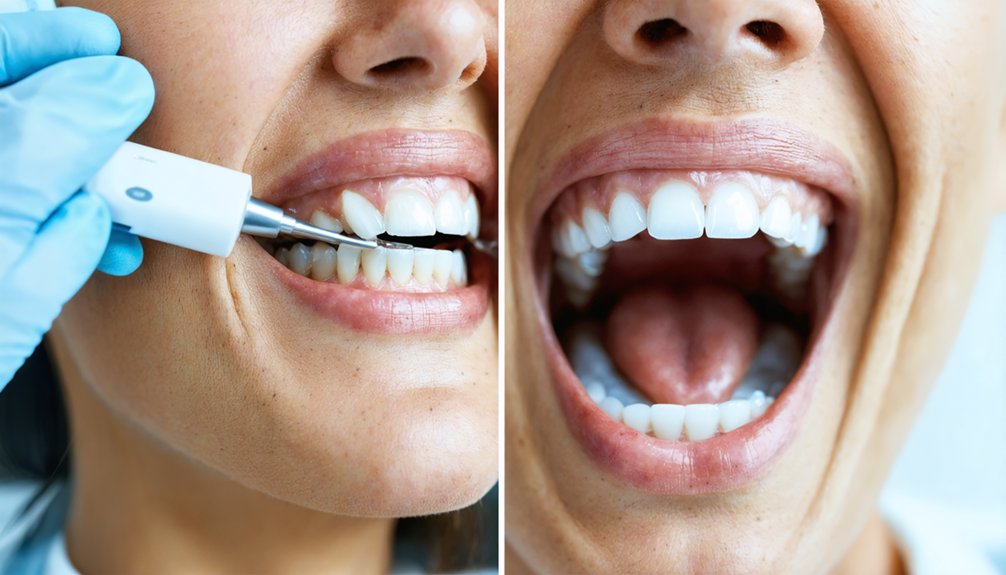
Professional whitening delivers 3 to 8+ shade improvements that last 1 to 3 years, while DIY kits offer modest 1 to 3 shade gains that fade within 3 to 6 months. Your results depend on stain type, product concentration, and how consistently you maintain oral hygiene and dietary habits. Both options carry distinct safety considerations, cost implications, and effectiveness limits. Understanding the full picture of each method helps you make a smarter, longer-lasting choice.
Key Takeaways
- Professional whitening lasts 1–3 years, while DIY results fade within 3–6 months, making professional treatments more effective for long-term brightness.
- DIY kits improve shades by 1–3, whereas professional treatments can achieve 8+ shade improvements in a single session.
- Avoiding coffee, red wine, and tobacco significantly extends whitening results regardless of the method chosen.
- Routine dental cleanings every six months and OTC touch-ups every 3–4 months help maintain brightness between professional sessions.
- Professional whitening costs more upfront but reduces retreatment frequency, offering better long-term value than cumulative DIY expenses.
What Actually Makes Teeth Look Whiter?
Teeth appear white based on how light interacts with two distinct layers: the outer enamel and the inner dentin. Enamel health directly controls light reflection; thicker, smoother enamel scatters light evenly, producing a brighter appearance.
When tooth colorants from coffee, wine, or tobacco penetrate enamel or embed within dentin, they disrupt this optical process.
Understanding stain types matters. Extrinsic stains sit on enamel surfaces and respond well to whitening agents. Intrinsic stains reside deeper, requiring stronger intervention.
Dietary impacts accumulate gradually, often before you notice visible discoloration.
Don’t fall for whitening myths suggesting that all discoloration responds equally to treatment. Your dental hygiene routine slows stain buildup, but it doesn’t reverse structural discoloration.
Knowing the science lets you choose the right intervention confidently.
Professional Whitening: What One Session Really Does
When you sit down for a professional whitening session, you’re investing in a clinically controlled process that delivers measurable results within 60 to 90 minutes.
Professional techniques utilize high-concentration bleaching agents that penetrate deeper stain layers, achieving 3 to 8+ shade improvements in a single visit—results DIY kits simply can’t replicate in equivalent time.
Current whitening innovations allow clinicians to customize treatment intensity based on your enamel condition and sensitivity thresholds, giving you precise control over outcomes.
The high-concentration hydrogen peroxide used requires professional supervision to minimize enamel softening risks, but when administered correctly, it’s both safe and highly effective.
You’re not just paying for whiter teeth—you’re paying for accuracy, speed, and results that maintain brightness for 1 to 3 years.
DIY Whitening Kits: What You Can Realistically Expect
When using a DIY whitening kit, you can realistically expect 1 to 3 shade improvements over the course of several days to weeks of consistent application.
You’ll typically notice visible results only after multiple sessions, as lower concentrations of hydrogen peroxide or carbamide peroxide require prolonged exposure to produce measurable changes.
If you’re targeting deeper stains, you should understand that at-home products are unlikely to match the immediate, dramatic outcomes achievable through professional treatment.
Realistic Shade Improvement Expectations
Here’s what that shade improvement looks like in practice:
- Mild yellowing fades noticeably, restoring a cleaner, brighter baseline appearance.
- Light surface stains from coffee or tea respond well within one to two weeks of consistent use.
- Deep or set-in discoloration shows minimal change, often requiring professional intervention.
You’re working with lower concentrations of hydrogen or carbamide peroxide, so results accumulate gradually.
Consistency matters—skipping applications extends your timeline and reduces overall effectiveness.
Timeline For Visible Results
Most users notice their first visible shift in shade between days three and five of consistent daily application.
Full results typically emerge after two to three weeks, depending on your whitening frequency and the concentration of peroxide in your chosen kit. Lower-concentration formulas require longer application periods to reach one to three shade improvements.
You’re working within a defined biological window—enamel responds incrementally, not instantly.
Once you’ve achieved your target shade, results fade within three to six months without a structured maintenance routine.
To extend longevity, you’ll need periodic reapplication combined with dietary adjustments that limit staining agents.
Tracking your progress against a shade guide gives you measurable data and helps you determine when retreatment is necessary rather than guessing.
The Real Cost of Each Option Over Time
Although professional whitening carries a higher upfront cost of $300 to over $1,000 per session, its results last 1 to 3 years, reducing the frequency of retreatment.
This cost breakdown favors professional treatment when you factor in long term savings against repeated DIY purchases.
DIY kits range from $10 to $100, but fading results within 3 to 6 months drive ongoing maintenance expenses.
DIY whitening kits cost little upfront, but fading results every few months quietly drain your wallet over time.
Consider this value comparison:
- A single professional session replaces 6 to 12 DIY kit purchases annually.
- DIY cumulative costs reach $60 to $1,200 yearly with inconsistent results.
- Professional maintenance requires only periodic OTC touch-ups, minimizing recurring spending.
You retain greater financial control by calculating total expenditure over a 3-year period before choosing your whitening strategy.
How Long Do Whitening Results Actually Last?
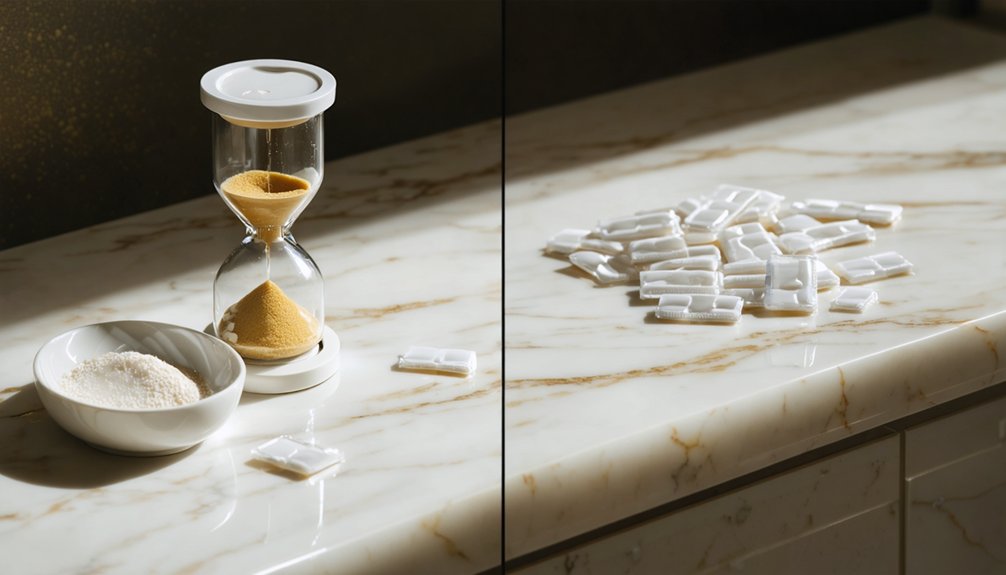
When you choose professional whitening, you can expect your results to last between 1 and 3 years with proper maintenance.
DIY treatments, however, fade considerably faster, with most results diminishing within 3 to 6 months.
Your lifestyle habits, including consumption of staining foods and beverages, directly influence how long either option holds its brightness.
Professional Results Timeline
Professional whitening results typically last 1 to 3 years, though your habits and maintenance routine directly influence where you fall within that range. Whitening technology advancements and patient satisfaction surveys confirm that consistent post-treatment care extends results considerably.
Three controllable factors determine your outcome timeline:
- Dietary discipline — Limiting coffee, tea, red wine, and tobacco prevents extrinsic staining from reversing your investment.
- Oral hygiene consistency — Routine dental cleanings remove surface deposits before they compromise brightness.
- Touch-up frequency — Periodic OTC applications maintain color between professional sessions.
You’re not passive in this process. The clinical evidence is clear: patients who actively manage these variables sustain professional-grade brightness closer to the three-year mark rather than closer to one.
DIY Fading Rates
Unlike professional treatments that hold brightness for up to three years, DIY whitening results typically fade within 3 to 6 months. This accelerated DIY fading occurs because lower-concentration peroxide agents don’t penetrate enamel as deeply, leaving surface stains more vulnerable to recurrence.
You can extend your results by implementing consistent maintenance strategies: avoiding staining beverages like coffee, tea, and red wine, eliminating tobacco use, and scheduling routine dental cleanings.
Periodic OTC touch-up applications also help you sustain color between treatment cycles.
Understanding your results’ expiration timeline puts you in control of your whitening investment. Without deliberate upkeep, even ideal DIY outcomes deteriorate quickly.
Tracking your shade changes and adjusting maintenance frequency accordingly guarantees you’re making informed, evidence-based decisions about your oral aesthetics.
Is At-Home Whitening Safe for Your Enamel?
How safe are at-home whitening products for your enamel? Understanding at-home risks helps you make informed decisions about treatment frequency and long-term effects on enamel safety.
Evidence shows at-home whitening is generally safe when you follow product instructions precisely. However, sensitivity issues and enamel roughness can occur with misuse.
Consider these key facts about product ingredients and user experiences:
- Lower hydrogen peroxide concentrations in DIY kits reduce enamel softening risks compared to professional-grade formulas.
- Overuse beyond recommended treatment frequency accelerates enamel erosion and heightens sensitivity issues.
- Teeth with existing restorations face elevated at-home risks during any whitening regimen.
Professional guidance remains essential if you experience persistent sensitivity or have dental restorations.
Monitoring your long-term effects guarantees you maintain enamel integrity while achieving your desired results.
Which Whitening Method Is Right for Your Situation?
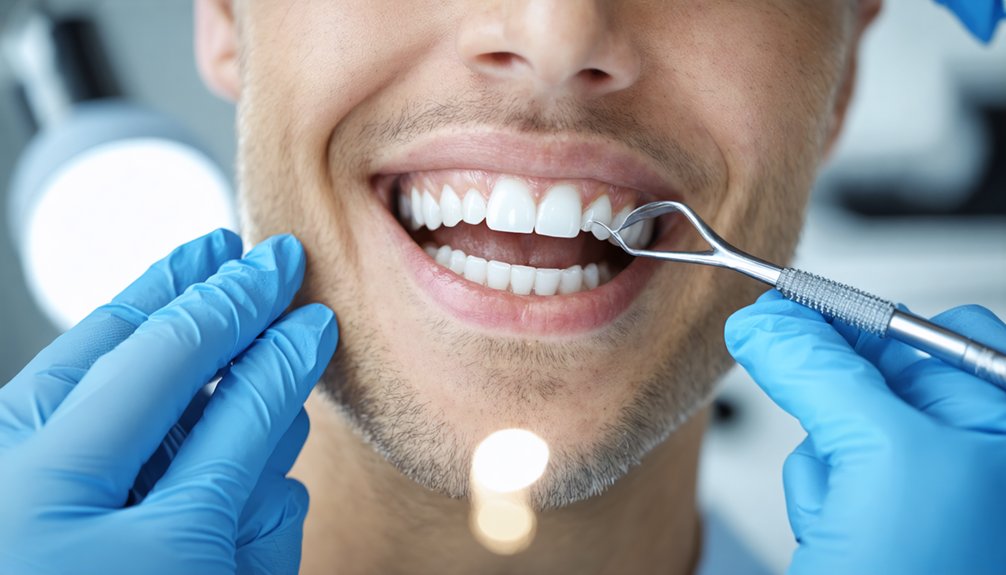
Choosing the right whitening method depends on your stain severity, budget, and time constraints. If you’re managing light surface stains with budget limitations, DIY options offer accessible entry points.
Though DIY limitations include slower results and shade variability capped at 1–3 improvements. Professional benefits include treatment customization, supervised sensitivity management, and shade improvements reaching 8+, making them ideal for deep-set stains.
Cost comparison reveals DIY kits range from $10–$100, while professional sessions cost $300–$1,000+, with professional results lasting 1–3 years.
Your whitening safety depends on following instructions precisely and monitoring adverse reactions. Implement maintenance strategies—avoiding staining foods, scheduling routine cleanings, and using periodic touch-ups—to extend results regardless of your chosen method.
Ultimately, your priorities determine the most clinically appropriate choice.
How to Make Your Whitening Results Last Longer
Once you’ve achieved your desired shade, maintaining those results requires consistent behavioral and clinical strategies.
Whether you’ve chosen professional or DIY treatment, fading is preventable with disciplined whitening maintenance tips.
Follow these evidence-based practices for avoiding stain triggers and preserving brightness:
- Eliminate chromogenic beverages — coffee, red wine, and dark teas penetrate enamel rapidly; use a straw or avoid them entirely.
- Schedule routine dental cleanings every six months to remove surface deposits before they bond to enamel.
- Apply periodic OTC touch-up treatments every three to four months to counteract gradual pigment accumulation.
Additionally, avoid tobacco products, which accelerate discoloration considerably.
You control how long your results last by managing dietary choices, clinical maintenance frequency, and consistent oral hygiene protocols.
Frequently Asked Questions
Can Whitening Treatments Cause Permanent Damage to Existing Dental Restorations?
Whitening treatments won’t permanently damage restorations, but they don’t affect restoration materials compatibility. You’ll notice uneven coloring since bleaching agents only target tooth enamel integrity, leaving crowns, veneers, and fillings unchanged, increasing sensitivity risks.
Does Professional Whitening Work Differently on Sensitive Teeth Compared to Normal Teeth?
Professional whitening doesn’t work differently, but your sensitivity management becomes the priority. You’ll experience heightened discomfort, potentially reducing treatment effectiveness. Dentists adjust concentration levels and application time to protect your sensitive teeth while achieving ideal whitening results.
Are There Age Restrictions for Using Professional or DIY Whitening Treatments?
Yes, age guidelines exist for both options. You shouldn’t use whitening treatments on developing teeth in minors. Safety considerations recommend consulting a dental professional before starting any whitening regimen, especially for patients under 18.
Can Whitening Treatments Affect the Health of Surrounding Gum Tissue Negatively?
Yes, they can. If you overuse a high whitening agent concentration, like Sarah who developed gum tissue sensitivity after exceeding strip application time, you risk irritation. Always follow instructions to protect your gums.
Do Certain Medications Affect How Well Whitening Treatments Work on Teeth?
Yes, certain medications can impact your whitening effectiveness. Tetracycline antibiotics cause deep intrinsic staining that resists bleaching agents. You’ll want to discuss medication interactions with your dental professional before starting any whitening regimen for ideal outcomes.
References
- https://smileydentalwaltham.com/professional-teeth-whitening-vs-diy-whitening-kits-which-works-faster/
- https://www.jaxsmilesdentistry.com/diy-teeth-whitening-vs-professional-treatments-a-comparative-study/
- https://www.dentalassociates.com/blog/professional-teeth-whitening-vs-at-home-teeth-whitening
- https://americansmiledental.com/diy-vs-professional-teeth-whitening-which-is-right-for-you/
- https://www.copperfieldfamilydental.com/professional-teeth-whitening-vs-diy-strips-west-jordan/
- https://www.aestheticoralarts.net/teeth-whitening-professional-vs-diy-methods-compared/
- https://healthinfo.healthengine.com.au/everything-need-know-professional-vs-home-teeth-whitening
- https://www.reddit.com/r/beauty/comments/mhwitg/at_home_teeth_whitening_strips_40_bucks_vs/
- https://healthcare.utah.edu/the-scope/health-library/all/2023/10/does-home-teeth-whitening-really-work
- https://pmc.ncbi.nlm.nih.gov/articles/PMC4058574/