To prevent teeth yellowing from balsamic vinegar, rinse your mouth with water immediately after eating to dilute tannins and neutralize acids. Wait at least 30 minutes before brushing to avoid abrading softened enamel. Limit consumption to two or three meals per week, and pair balsamic with dairy or leafy greens for enamel protection. These evidence-based strategies markedly reduce staining risk, and there’s much more you can do to protect your smile.
Key Takeaways
- Rinse your mouth with water immediately after consuming balsamic vinegar to dislodge pigments and neutralize lingering acids.
- Wait at least 30 minutes before brushing, then use fluoride toothpaste with gentle circular strokes.
- Limit balsamic vinegar to two or three meals per week and drizzle lightly to reduce staining.
- Eat enamel-protective foods like dairy, leafy greens, and crunchy vegetables to neutralize acids and stimulate saliva.
- Schedule professional dental evaluations for persistent yellowing, sensitivity, or staining unresponsive to home care methods.
Why Balsamic Vinegar Stains and Yellows Teeth
Balsamic vinegar contains three key properties that make it a notable risk for tooth discoloration.
First, its dark pigmentation originates from aged, concentrated grape compounds that readily cling to enamel surfaces.
Second, its tannin content reinforces these staining mechanisms by binding pigments directly to enamel, accelerating visible yellowing.
Third, its acidity temporarily softens enamel, making surfaces more porous and vulnerable to pigment absorption.
Understanding these mechanisms helps you make informed choices.
When enamel health is compromised through repeated acid exposure, your teeth absorb discoloring compounds more efficiently than intact enamel would allow.
Frequent or heavy balsamic use compounds this effect over time.
Controlling your exposure, pairing choices, and post-meal habits directly determines how markedly balsamic vinegar affects your tooth color.
Rinse With Water and Chew Xylitol Gum After Eating
After eating balsamic vinegar, rinse your mouth thoroughly with water to dislodge residual pigments and neutralize lingering acid before it weakens your enamel.
Swishing water around your teeth removes the dark compounds most likely to cling to enamel surfaces and contribute to visible yellowing.
Following that rinse with xylitol gum stimulates saliva flow, which naturally buffers acid and continues clearing stain-causing residue your rinse may have missed.
Rinsing Removes Residual Pigments
Once you’ve finished a meal containing balsamic vinegar, rinsing your mouth with water is one of the simplest and most effective steps you can take to reduce staining risk.
Water mechanically displaces residual pigmentation before it adheres to enamel surfaces, supporting your broader oral hygiene routine without introducing additional acid exposure.
Swishing water thoroughly targets three critical outcomes:
- Dilutes concentrated tannins and dark compounds clinging to enamel
- Neutralizes residual acidity that temporarily softens enamel surfaces
- Reduces pigment contact time, lowering cumulative discoloration risk
Execute this step within minutes of finishing your meal.
The longer pigments remain in contact with enamel, the greater the absorption risk.
Water rinsing costs nothing, requires no tools, and delivers measurable protective benefit when applied consistently.
Xylitol Gum Boosts Saliva
Water rinsing addresses residual pigments effectively, but saliva itself is your mouth’s built-in defense system against staining and acid damage. Among saliva benefits, neutralizing acids and mechanically clearing pigments from enamel surfaces rank as primary functions.
Chewing xylitol gum stimulates saliva production considerably, amplifying these protective effects after consuming balsamic vinegar. Unlike sugar-based gum, xylitol doesn’t feed harmful bacteria, making it a clinically sound choice. Common xylitol sources include sugar-free gum, mints, and lozenges, all readily available and practical for post-meal use.
Begin chewing within minutes of finishing your meal to maximize saliva flow while acid exposure remains active. This habit pairs directly with water rinsing, creating a two-step protocol that targets both pigment adhesion and enamel vulnerability simultaneously.
When Should You Brush After Balsamic Vinegar?
After eating balsamic vinegar, you should wait at least 30 minutes before brushing, since acid temporarily softens enamel and brushing too soon increases abrasion risk.
During that window, rinsing with water helps clear residual acid and pigments without damaging vulnerable enamel.
When you do brush, use a fluoride toothpaste to strengthen enamel and reinforce its defense against both acid erosion and surface staining.
Wait 30 Minutes First
Brushing immediately after eating balsamic vinegar-dressed foods can damage your enamel rather than protect it. Acid temporarily softens enamel, making it vulnerable to abrasion from brushing.
Waiting 30 minutes allows saliva to neutralize residual acid and support enamel remineralization before mechanical cleaning begins.
Follow this sequence for effective staining prevention and enamel erosion control:
- Rinse your mouth with water immediately after eating to remove surface pigments and dilute acid.
- Wait a full 30 minutes before introducing a toothbrush to softened enamel.
- Brush with fluoride toothpaste to strengthen enamel and address residual discoloration.
This timed approach reduces your risk of compounding acid damage while still supporting consistent oral hygiene.
Discipline in timing delivers measurable protection.
Use Fluoride Toothpaste After
Fluoride toothpaste plays a specific, protective role once your 30-minute waiting period has passed. Its fluoride benefits extend beyond surface cleaning — fluoride actively remineralizes enamel that balsamic vinegar’s acidity has temporarily weakened. This process restores structural integrity, reducing your susceptibility to future pigment absorption.
Toothpaste effectiveness also depends on formulation. Select a fluoride toothpaste with proven anti-erosion properties rather than relying solely on whitening abrasives, which can damage softened enamel if misused.
Brush using gentle, circular strokes for two full minutes.
If surface discoloration concerns you, a whitening fluoride toothpaste used consistently — not aggressively — can gradually lift staining without compromising enamel. Frequency matters more than pressure.
Twice-daily brushing with fluoride toothpaste remains your most reliable defense against cumulative yellowing from balsamic vinegar exposure.
How Much Balsamic Vinegar Is Safe for Your Teeth?
How much balsamic vinegar you use at a given meal matters more than most people realize. Quantity directly influences your cumulative acid and pigment exposure, both of which affect dental health over time.
Use these guidelines to stay in control:
- Drizzle lightly — limit balsamic vinegar to a thin coating rather than a heavy pour.
- Reduce frequency — reserve it for two to three meals per week rather than daily use.
- Avoid thick reductions — concentrated sauces cling longer to enamel, intensifying staining risk.
Moderation isn’t a vague suggestion; it’s a measurable protective strategy.
Controlling how much you consume directly reduces your exposure window and lowers the likelihood of visible yellowing.
Foods That Protect Your Enamel When Eating Balsamic Vinegar
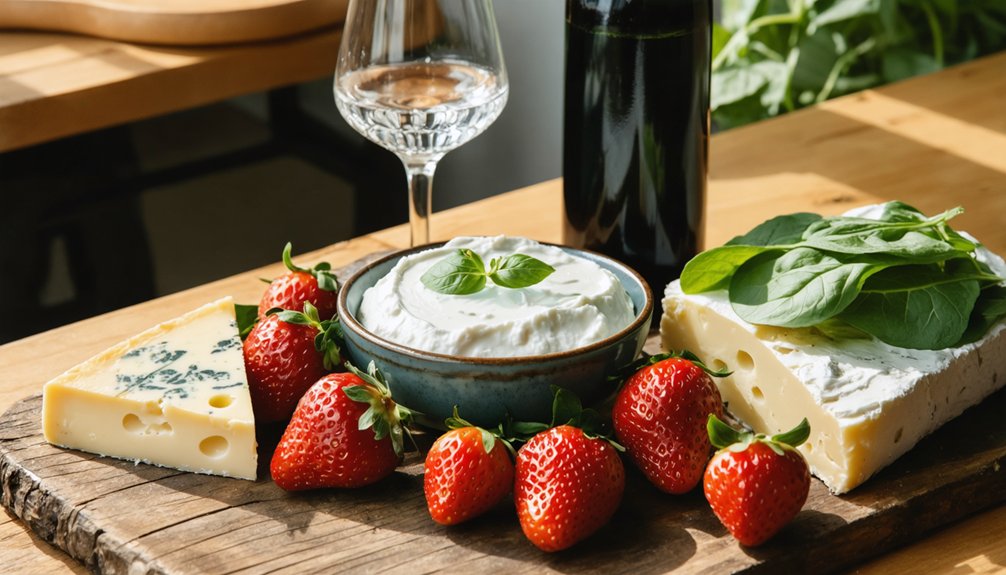
What you eat alongside balsamic vinegar can meaningfully reduce its staining and erosive effects on enamel. Strategic food pairing creates a practical defense without eliminating vinegar from your diet.
Prioritize these enamel friendly foods and protective snacks:
- Leafy greens – form a thin barrier over enamel, reducing direct pigment contact
- Carrots and celery – stimulate saliva flow and mechanically cleanse surfaces
- Cheese, yogurt, and milk – neutralize acid and supply calcium that supports enamel integrity
- Crisp apples – promote saliva production and mild surface cleansing
Start meals with vegetables before introducing balsamic-dressed components. This sequencing limits prolonged pigment exposure.
Including dairy near the end of a meal helps buffer residual acidity, reducing enamel softening and subsequent staining risk.
When Should You See a Dentist About Balsamic Staining?
Even with consistent home care, persistent yellowing or visible surface changes signal that it’s time to consult a dentist. Balsamic vinegar’s acid and pigments can outpace what brushing and rinsing alone can address.
Schedule a professional evaluation if you notice:
- Yellowing that doesn’t respond to whitening toothpaste after several weeks of consistent use
- Surface sensitivity or texture changes, which may indicate enamel erosion beyond cosmetic concern
- Stubborn staining that home stain prevention strategies haven’t resolved
Regular dental check ups allow a hygienist to remove calcified surface deposits and assess erosion patterns.
Your dentist can also recommend professional whitening or protective treatments tailored to your exposure history. Early intervention reduces long-term damage and keeps stain accumulation manageable.
Frequently Asked Questions
Does Balsamic Vinegar Stain Teeth More Than Red Wine Does?
Both pose serious staining risks. Balsamic acidity weakens enamel, increasing pigment absorption, while red wine’s tannins deeply penetrate. In any staining comparison, your frequency of exposure and protective habits ultimately determine which causes greater discoloration.
Can Teeth Whitening Treatments Reverse Balsamic Vinegar Staining Effectively?
“An ounce of prevention is worth a pound of cure.” Teeth whitening can reverse balsamic staining, but staining duration matters—act early. You’ll see better results when surface discoloration hasn’t deeply penetrated softened enamel.
Are White Balsamic Vinegar Varieties Less Damaging to Tooth Enamel?
White balsamic vinegar’s lighter pigmentation offers some white vinegar benefits, reducing visible staining risk. However, it’s still acidic, so you can’t rely on it fully for enamel protection without rinsing and moderating your intake.
Does Drinking Through a Straw Help Reduce Balsamic Vinegar Staining?
Like a drawbridge redirecting traffic, a straw’s benefits can help you bypass your teeth. However, vinegar acidity still reaches enamel indirectly, so you’ll want to combine straw use with rinsing for stronger protection.
Can Dental Sealants Protect Teeth From Balsamic Vinegar Pigment Exposure?
Dental sealants offer limited pigment protection against balsamic vinegar, as sealant effectiveness targets chewing surfaces, not all enamel. You’d still need rinsing, controlled exposure, and professional cleanings to meaningfully reduce discoloration risk.
References
- https://www.drsamcan.com/post/common-teeth-staining-culprits-and-how-to-prevent-them.html
- https://tastyfoodlovers.com/does-balsamic-vinegar-make-your-teeth-yellow/
- https://creamcitydental.com/8-foods-that-can-stain-your-teeth/
- https://www.citydentists.co.nz/dental-blog/5-foods-you-didnt-know-were-staining-your-teeth/
- https://www.mooselakedental.com/post/beverages-to-avoid-reducing-teeth-staining
- https://www.facebook.com/cosmeticdentistryofsa/videos/healthy-foods-that-can-stain-your-teeth/1644942036816084/
- https://brunswickfamilydentalsurgery.com.au/blog/when-to-visit-dentst
- https://www.oakvillefamilydental.com/oakville-dentist/yellow-teeth/
- https://www.bupa.co.uk/newsroom/ourviews/teeth-staining-foods
- https://www.colgate.com/en-us/oral-health/teeth-whitening/discolored-teeth-five-foods-that-cause-stains