Teeth whitening products do generate free radicals through hydrogen peroxide, and that chemistry is real. However, current clinical evidence doesn’t link proper whitening use to oral cancer in healthy individuals. In vivo, peroxide breaks down rapidly, limiting tissue exposure. Regulatory bodies like the IARC and European SCCP haven’t confirmed a human carcinogenicity connection. If you’re a smoker or heavy drinker, your existing risk factors matter most—and there’s much more to understand ahead.
Key Takeaways
- Teeth whitening products generate free radicals, which are reactive molecules capable of interacting with oral tissues at a cellular level.
- Hydrogen peroxide shows genotoxic activity in lab settings, but in vivo exposure is limited as peroxide breaks down within 15-60 minutes.
- Clinical data show no confirmed link between teeth whitening use and preneoplastic or neoplastic oral lesions.
- Smokers and heavy drinkers already face elevated oral cancer risk, but whitening compounds show no evidence of compounding that risk.
- Regulatory bodies including the IARC, SCCP, FDA, and ADA conclude correct whitening product use poses no significant oral cancer risk.
Does Teeth Whitening Actually Produce Free Radicals?
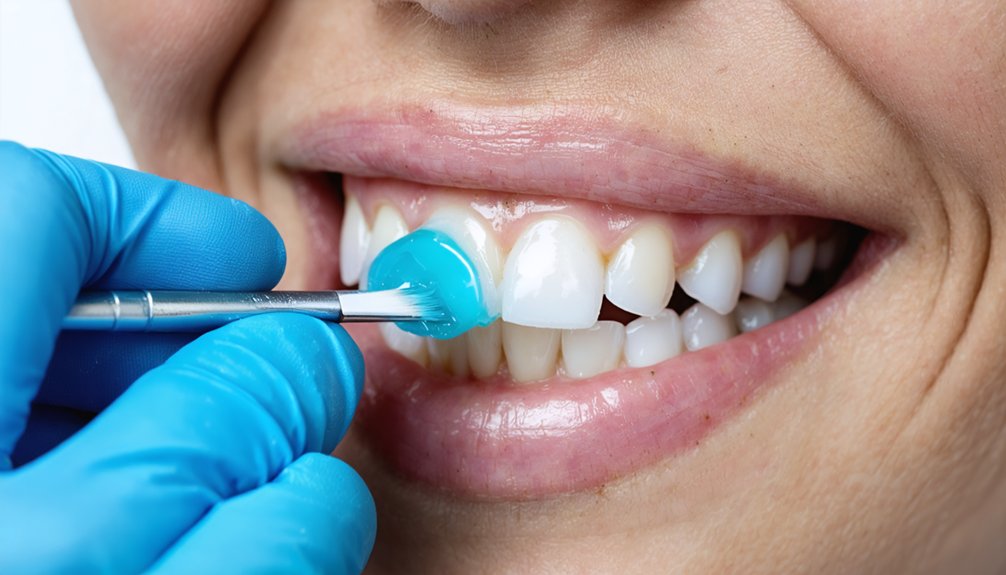
When you use a teeth whitening product, the active ingredients—hydrogen peroxide or carbamide peroxide—don’t just brighten your enamel passively; they generate free radicals as a byproduct of their chemical activity. Despite common dental myths suggesting whitening is entirely inert, the chemistry tells a different story.
These free radicals are reactive molecules capable of interacting with surrounding oral tissues at a cellular level. Whitening myths often downplay this mechanism, but in vitro research confirms hydrogen peroxide exhibits genotoxic activity under controlled conditions.
What matters for your risk assessment is context: free radical generation is real, documented, and chemically understood. Knowing this allows you to evaluate whitening products accurately rather than relying on oversimplified assurances or unfounded fears about their biological activity.
Do Free Radicals From Whitening Products Cause Cancer?
Free radical generation during whitening is confirmed, but that doesn’t automatically mean cancer risk follows. You should understand the distinction between theoretical genotoxicity concerns and actual clinical outcomes.
While hydrogen peroxide demonstrates genotoxic activity in vitro, this activity isn’t expressed in vivo — meaning your body’s conditions don’t replicate laboratory findings.
The mechanism of carcinogenesis requires sustained cellular damage at sufficient exposure levels. Whitening products simply don’t meet that threshold.
Hydrogen peroxide concentrations drop to near-undetectable levels within 15 to 60 minutes of application, limiting meaningful tissue exposure.
Clinical data reveal no preneoplastic or neoplastic oral lesions linked to whitening use.
Regulatory bodies, including the European SCCP, reinforce this position.
Current evidence doesn’t support a definitive cancer connection when products are used correctly.
Is Teeth Whitening Safe for Smokers and Heavy Drinkers?
If you smoke heavily or consume alcohol regularly, you might wonder whether teeth whitening compounds those existing risk factors for oral cancer. Current evidence suggests it doesn’t. Researchers found no plausible interaction between bleaching agents and cigarette smoke or alcohol that would promote cancer development.
The International Agency for Research on Cancer similarly found inadequate evidence linking hydrogen peroxide to human carcinogenicity, even among high-risk groups.
That said, lifestyle implications matter. Your existing habits already elevate oral cancer risk independently, so routine dental monitoring remains essential. If you’re concerned, discuss alternative treatments with your dentist—options that minimize peroxide exposure or concentration.
Teeth whitening, used correctly, doesn’t appear to add measurable cancer risk, but maintaining awareness of oral tissue changes is always clinically prudent.
Can Gum Irritation From Whitening Products Increase Cancer Risk?
Beyond systemic cancer risk, there’s another angle worth examining—what happens locally in your gum tissue during and after whitening. High peroxide concentrations can trigger gum tissue sensitivity, causing mucosal trauma and localized inflammation. These oral inflammation implications matter because chronic tissue irritation is a recognized factor in carcinogenesis pathways.
However, clinical evidence provides important context. Typical whitening use produces only mild, transient gingival irritation—not the sustained inflammatory states associated with meaningful cancer risk elevation. The exposure duration is short, and peroxide concentrations drop to near-undetectable levels within 15 to 60 minutes.
Your risk increases if you exceed recommended frequencies or concentrations. Following usage guidelines carefully minimizes irritation, keeping your tissue exposure within ranges that current evidence considers clinically insignificant for cancer development.
What Dentists and Regulators Say About Teeth Whitening Safety
Regulatory bodies and dental professionals largely agree that teeth whitening products, when used correctly, don’t pose a significant oral cancer risk. The European SCCP and the International Agency for Research on Cancer both concluded that hydrogen peroxide exposure from whitening products lacks sufficient evidence of human carcinogenicity.
The FDA and American Dental Association support product regulation standards that approve many at-home whitening options with verified safety seals.
Your dental hygiene routine matters here. Following manufacturer instructions, avoiding excessive application frequency, and staying within recommended concentration limits keeps your exposure well below thresholds linked to tissue damage.
Dentists emphasize that clinical evidence shows only mild, transient side effects at typical use levels. You retain control over your risk by adhering strictly to established usage guidelines.
Frequently Asked Questions
How Quickly Does Hydrogen Peroxide Break Down After Whitening Application?
After application, you’ll find hydrogen stability is short-lived—peroxide degradation occurs rapidly, with concentrations dropping to near-undetectable levels within 15 to 60 minutes. You’re exposed to minimal active compound during your whitening session.
Are Children at Risk if They Accidentally Use Whitening Products?
You don’t need to panic about pediatric exposure — regulatory bodies consider accidental ingestion of approved whitening products generally safe. However, you should store them carefully and consult a dentist if accidental use occurs.
Why Do Current Whitening Studies Lack Proper Non-Cancer Control Groups?
Like a ship without a compass, current studies drift in uncertainty—you’ll find control group deficiencies stem from flawed research methodology, as researchers haven’t consistently recruited non-cancer patients, leaving you without conclusive evidence linking whitening products to oral cancer risks.
How Often Can You Safely Repeat Teeth Whitening Treatments?
You should follow manufacturer guidelines carefully, avoiding overuse. Don’t let marketing claims push you beyond recommended cycles—ingredient safety depends on limiting exposure duration and frequency to prevent tissue irritation and minimize any theoretical long-term risks.
Have Young Oral Cancer Patients Specifically Been Linked to Whitening Use?
Yes, case reports have linked young oral cancer patients to whitening use, raising youth oral health concerns. You should pursue regular cancer screening, though researchers note these reports lack control groups and need further study.
References
- https://pubmed.ncbi.nlm.nih.gov/16198468/
- https://www.sciencedaily.com/releases/2004/08/040810093848.htm
- https://journals.lww.com/oncology-times/fulltext/2004/10100/tooth_whiteners_scrutinized_for_oral_cancer_risk.31.aspx
- https://dentalhealthsociety.com/teeth-whitening/is-there-a-link-between-uv-light-teeth-whitening-and-cancer/
- https://ec.europa.eu/health/ph_risk/committees/04_sccp/docs/sccp_oc01_018a.pdf
- https://ec.europa.eu/health/scientific_committees/opinions_layman/en/tooth-whiteners/l-3/7-assessment.htm
- https://www.scielo.br/j/dpjo/a/g9ZMjLWDCShhYj6633dkJCz/?format=pdf&lang=en
- https://pubmed.ncbi.nlm.nih.gov/16488181/
- https://www.leadingedgedentistry.com/teeth-whitening-cause-oral-cancer/
- https://www.sciencedaily.com/releases/2006/11/061116122158.htm