Whitening gum targets minor extrinsic stains from coffee, tea, red wine, and tobacco through chemical oxidation and mild mechanical abrasion. As you chew, active ingredients like baking soda, enzymes, and low-concentration hydrogen peroxide work alongside stimulated saliva to lift surface discoloration and neutralize acids. You’ll see gradual brightening over several weeks with consistent use, though intrinsic stains require professional treatment. The full picture of ingredients, techniques, and brand options is covered ahead.
Key Takeaways
- Whitening gum removes extrinsic stains from coffee, tea, red wine, and smoking through chemical oxidation and mild mechanical abrasion.
- Active ingredients like hydrogen peroxide, baking soda, and enzymes gradually brighten teeth while neutralizing acids and preventing new stains.
- Chewing after meals stimulates saliva flow, which strengthens enamel with calcium and phosphorus while maximizing stain-prevention effectiveness.
- Top recommended brands include Supersmile, Perfora x Gud Gum, and ADA-approved options like Extra Spearmint and Mentos.
- Consistent use for three months yields measurable brightening; intrinsic or deep stains require professional dental treatment instead.
What Is Whitening Gum and How Does It Differ From Strips?
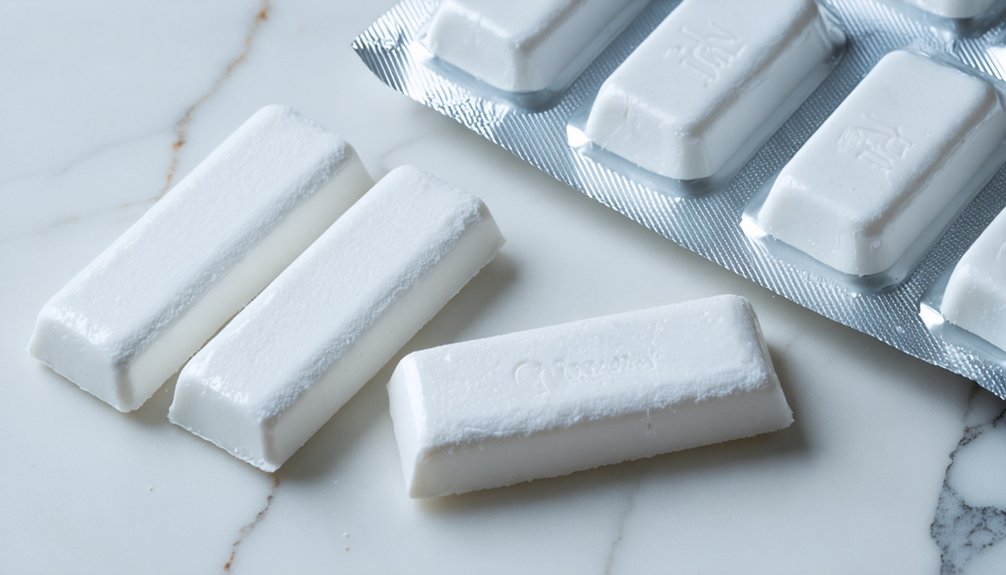
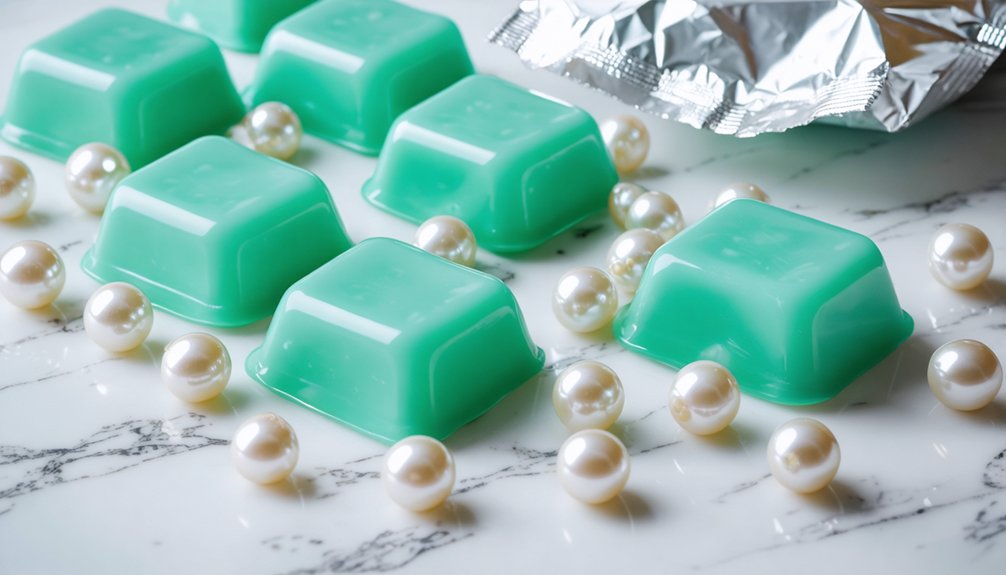
Whitening gum is a sugar-free oral hygiene product formulated with active ingredients like baking soda, enzymes, calcium peroxide, and mild hydrogen peroxide to target minor surface stains from coffee, tea, wine, and smoking.
Its gum efficacy relies on mechanical chewing, which stimulates saliva production to neutralize acids and rinse bacteria while active compounds break down superficial discoloration.
Unlike whitening strips, which apply concentrated peroxide directly to enamel for extended contact periods, gum delivers lower-concentration agents through brief chewing sessions.
Strips address deeper stains more aggressively, while gum manages stain duration by preventing new discoloration after meals.
You won’t achieve dramatic results with gum alone, but consistent use provides gradual brightening over several weeks, making it a practical preventive tool rather than a corrective treatment.
How Whitening Gum Breaks Down Surface Stains
When whitening gum contacts your teeth, its active ingredients—baking soda, calcium peroxide, and mild hydrogen peroxide—work through two simultaneous mechanisms: chemical oxidation and mechanical abrasion.
Oxidizing agents penetrate chromogen molecules responsible for discoloration, breaking their bonds and lifting pigmentation from enamel surfaces. Simultaneously, mild abrasives like titanium dioxide physically scrub accumulated deposits, enhancing surface stain removal efficiency.
Oxidizing agents break chromogen bonds, lifting pigmentation while abrasives scrub deposits—dual action that strips surface stains efficiently.
Chewing amplifies whitening gum effectiveness by stimulating saliva production. That increased flow neutralizes acids, rinses food particles, and delivers calcium and phosphorus to strengthen enamel.
Together, these actions prevent new staining while gradually brightening existing discoloration.
You’ll notice results only target superficial stains—coffee, tea, wine, and tobacco residue. Deep intrinsic discoloration remains unaffected.
Consistent daily use over several weeks delivers measurable, though modest, brightening outcomes.
Key Ingredients That Make Whitening Gum Work
When you examine whitening gum’s formulation, you’ll find that baking soda acts as a mild abrasive, physically scrubbing surface stains without damaging enamel.
Enzymes in the formula target and break down protein-based discoloration from coffee, tea, and wine at a biochemical level.
Mild hydrogen peroxide reinforces this action by oxidizing stain compounds, accelerating the brightening process beyond what mechanical chewing alone can achieve.
Baking Soda Benefits
Baking soda, or sodium bicarbonate, serves as one of the most clinically recognized abrasive agents in whitening gum formulations. Its mild alkaline pH neutralizes mouth acids that contribute to enamel erosion and discoloration.
When you chew gum containing baking soda, the mechanical action combined with this compound works to physically dislodge surface stains from coffee, tea, and wine. Unlike harsher abrasives, it cleans without compromising enamel integrity when used at appropriate concentrations.
Research consistently supports baking soda’s role in improving oral health outcomes, including modest plaque reduction and bacterial inhibition. You benefit from a dual-action effect: stain removal and acid neutralization occurring simultaneously.
Incorporating baking soda-based whitening gum into your daily routine delivers measurable, incremental improvements in tooth brightness without aggressive chemical intervention.
Enzyme Stain Breakdown
Alongside baking soda‘s mechanical and chemical contributions, enzymes in whitening gum target stains through a fundamentally different biochemical pathway. Specifically, proteolytic and oxidative enzymes break down the protein-based pellicle layer where chromogens—pigmented compounds from coffee, tea, and wine—bind to enamel surfaces.
By disrupting these molecular attachments, enzyme effectiveness extends beyond surface abrasion, addressing the biochemical foundation of discoloration.
You’ll notice that consistent chewing activates these enzymes alongside increased saliva production, which further neutralizes acids and removes food debris. This mechanism also supports stain prevention by interrupting chromogen adhesion before permanent discoloration develops.
Unlike purely abrasive approaches, enzymatic action works at a molecular level, making it particularly valuable for maintaining incremental brightness gains achieved through regular whitening gum use over several weeks.
Hydrogen Peroxide Role
Hydrogen peroxide functions as the primary bleaching agent in whitening gum, penetrating enamel to oxidize chromogen molecules responsible for intrinsic and extrinsic discoloration. Its concentration in gum formulations remains low—typically under 1%—delivering gradual brightening rather than immediate results.
You’ll notice this differs markedly from professional treatments, which utilize 15–40% concentrations for faster outcomes.
When you chew consistently, hydrogen peroxide releases steadily, integrating into your oral hygiene routine without disrupting daily activities. It targets superficial stain compounds, breaking molecular bonds that cause yellowing from coffee, tea, and tobacco exposure.
However, you shouldn’t expect dramatic color shifts—clinical evidence supports only single-shade improvement over prolonged use. Managing your expectations while maintaining consistent application gives you the controlled, measurable whitening progression this ingredient realistically delivers.
Which Stain Types Respond Best to Whitening Gum?
Whitening gum performs best against extrinsic stains—surface-level discoloration caused by coffee, tea, red wine, and smoking.
Understanding stain types directly determines gum effectiveness for your specific situation.
Knowing your stain type is the first step toward choosing a whitening solution that actually works.
Gum’s active ingredients target superficial enamel deposits through mechanical action and chemical breakdown. You’ll see results only where stains sit above the enamel surface.
Stain types that respond to whitening gum:
- Coffee and tea stains — Tannin-based deposits respond gradually with consistent daily use.
- Tobacco stains — Light surface tar residue shows measurable improvement over several weeks.
- Food-based discoloration — Recent dietary stains clear faster than long-established deposits.
Intrinsic stains—those originating within the dentin—don’t respond to whitening gum.
If your discoloration originates below the enamel surface, professional intervention remains your only clinically effective option.
Top Whitening Gum Brands Worth Trying
When choosing a whitening gum, you’ll find that Supersmile, recommended by aesthetic dentists, uses its proprietary Calprox formula to remove stains without causing sensitivity.
If you prefer a cleaner ingredient profile, Perfora x Gud Gum offers a toxin-free, sugar-free, and plastic-free alternative with no artificial sweeteners.
For ADA-approved options, you can also seek sugar-free gums bearing the ADA seal, which confirms both safety and efficacy for oral health support.
Supersmile Gum Benefits
Supersmile gum uses Calprox, a proprietary calcium peroxide-based compound, to dissolve the protein pellicle that binds surface stains to enamel without causing the sensitivity commonly associated with stronger whitening agents.
Aesthetic dentists recommend it for consistent, low-risk stain removal. Its Supersmile advantages extend beyond whitening, offering measurable oral hygiene support through gum convenience you can apply anywhere.
Key clinical benefits include:
- Gentle stain dissolution — Calprox removes surface discoloration without abrasive enamel damage.
- Sensitivity-free formula — Suitable for users who can’t tolerate peroxide-heavy treatments.
- On-demand application — Delivers active ingredients post-meal, maximizing stain prevention through consistent saliva stimulation.
You’ll achieve gradual brightening over several weeks with regular use, making it a controlled, practical addition to your daily oral care protocol.
ADA-Approved Sugar-Free Options
Beyond Supersmile, you’ll find a broader category of ADA-approved, sugar-free gums that deliver whitening support through clinically recognized mechanisms.
The ADA guidelines confirm that sugar-free chewing gum stimulates saliva production, which neutralizes acids, remineralizes enamel, and clears food debris — all prerequisites for a cleaner, brighter surface.
Sugar-free benefits extend beyond aesthetics; eliminating sugar prevents bacterial acid production that accelerates staining and decay.
Brands like Ice Breakers, Extra Spearmint, and Mentos carry ADA seals, signaling verified safety and efficacy standards.
Look for xylitol as the primary sweetener, since it actively inhibits cavity-causing bacteria.
You’ll achieve peak results by chewing after meals consistently.
Select ADA-certified options to guarantee you’re working within an evidence-backed framework rather than relying on unverified marketing claims.
Perfora And Gud Gum
Among the newer entrants gaining traction in the whitening gum category, Perfora x Gud Gum distinguishes itself through a toxin-free, sugarless, plastic-free formulation that excludes artificial sweeteners entirely.
If you prioritize ingredient transparency and environmental responsibility, this gud gum option delivers measurable perfora benefits without compromising oral safety standards.
Key formulation advantages include:
- Zero artificial sweeteners — eliminates hidden compounds that may disrupt oral microbiome balance
- Toxin-free composition — reduces exposure to synthetic additives linked to enamel sensitivity
- Plastic-free packaging — aligns with eco-conscious consumption without sacrificing product efficacy
You’re choosing a product engineered for informed consumers who demand clean-label standards.
Consistent use following meals supports saliva stimulation and gradual surface stain reduction, making Perfora x Gud Gum a clinically mindful addition to your daily oral care protocol.
How to Use Whitening Gum for the Best Results
Maximizing the effectiveness of whitening gum requires following a few evidence-based steps consistently. First, brush your teeth before chewing to remove surface debris, allowing active ingredients direct contact with enamel.
Apply these whitening gum tips daily: chew after meals to stimulate saliva flow, neutralize acids, and prevent stain accumulation. Refine your chewing techniques by maintaining steady, rhythmic motion for at least 20 minutes per session.
Don’t skip days — consistency over roughly three months produces measurable brightening of approximately one shade. Consult your dentist before starting, particularly if you have sensitivity or existing restorations.
Choose ADA-approved, sugar-free formulas containing baking soda, enzymes, or Calprox for clinically supported results. Avoid eating or drinking staining agents immediately after chewing to preserve the whitening window.
Diet and Timing Changes That Make Whitening Gum More Effective
Pairing whitening gum with strategic dietary and timing adjustments accelerates its effectiveness beyond what the gum achieves alone.
Controlling stain sources while optimizing when you chew maximizes cumulative brightening results.
Timing your chewing habits while managing stain exposure compounds whitening gum’s cumulative impact over time.
Dietary adjustments that support whitening gum:
- Reduce chromogenic foods — Limit coffee, tea, red wine, and tobacco exposure, as these compounds actively counteract surface-stain removal.
- Increase water intake — Drinking water after staining beverages dilutes residue before acids and pigments bond to enamel.
- Prioritize calcium-rich foods — Dairy and leafy greens strengthen enamel, making teeth more receptive to active whitening ingredients.
Timing strategies matter: Chew whitening gum immediately after meals to stimulate saliva before stains settle.
Consistent post-meal use over three months produces measurable, single-shade brightening results.
Why Whitening Gum Won’t Fix Deep or Intrinsic Stains
Whitening gum works exclusively on extrinsic stains — surface-level discoloration caused by food, beverages, and tobacco — because its active ingredients, including mild hydrogen peroxide and abrasives like baking soda or titanium dioxide, penetrate only the outermost enamel layer.
Intrinsic stains originate within the dentin, forming during tooth development or following trauma, tetracycline use, or fluorosis. No amount of mechanical chewing or saliva stimulation reaches that structural depth.
Similarly, deep stains embedded beneath enamel require professional-grade bleaching agents or restorative procedures like veneers and bonding. If your discoloration stems from internal sources or years of heavy staining, whitening gum won’t produce measurable results.
Consult your dentist to identify your stain type before investing time in a surface-level solution that can’t address your actual condition.
When to Upgrade From Whitening Gum to Professional Treatment
If whitening gum hasn’t produced noticeable results after three months of consistent use, it’s time to contemplate professional intervention.
Whitening gum effectiveness has clear boundaries, and recognizing professional treatment indicators helps you make informed decisions.
Upgrade when you experience:
- Deep intrinsic stains — discoloration originating within the tooth structure, unresponsive to surface-acting agents like abrasives or mild peroxide.
- Single-shade ceiling — if gum delivers its maximum one-shade improvement but your target outcome requires greater brightness, in-office treatments penetrate deeper enamel layers.
- Underlying dental conditions — decay, enamel erosion, or gum disease require clinical assessment before any whitening intervention continues.
Your dentist can prescribe concentrated peroxide treatments or laser whitening protocols that deliver measurable, faster results beyond what portable gum can achieve.
Frequently Asked Questions
Can Children Safely Chew Whitening Gum for Discolored Teeth?
You shouldn’t assume whitening gum is safe for children. Safety concerns are real—age recommendations matter. Always consult your dentist before letting children chew whitening gum, as their developing enamel requires careful, evidence-based protection.
Does Whitening Gum Interact Negatively With Dental Crowns or Veneers?
Whitening gum won’t damage crown durability or compromise veneer safety, but it can’t whiten these restorations. You should consult your dentist, as abrasive ingredients may affect surrounding natural teeth differently than your dental work.
How Does Whitening Gum Affect Patients With Sensitive Teeth or Gums?
If you’ve got sensitive teeth or gums, you’ll want to prioritize sensitivity management by choosing formulas like Supersmile’s Calprox, ensuring ingredient safety through dentist consultation before use, as harsh abrasives can aggravate existing sensitivity.
Can Whitening Gum Be Used During Pregnancy or While Breastfeeding?
You should consult your dentist before using whitening gum during pregnancy or breastfeeding. Safety concerns exist around dental ingredients like hydrogen peroxide, as limited evidence confirms their safety for you and your baby.
Does Chewing Whitening Gum Excessively Cause Jaw Pain or Problems?
Chewing for hours like a machine can wreck your jaw! Excessive chewing duration strains muscles, causing jaw discomfort or TMJ issues. You’ll want to limit sessions to recommended intervals for safe, effective whitening results.
References
- https://www.mosefamilydentistry.com/does-teeth-whitening-gum-work/
- https://perforacare.com/blogs/teeth-whitening/chewing-gum-for-teeth-whitening
- https://auraglow.com/blogs/articles/chewing-whitening-gum
- https://www.walmart.com/c/kp/teeth-whitening-gum
- https://www.target.com/s/teeth+whitening+chewing+gum
- https://www.supersmile.com/products/freshen-breath-teeth-whitening-gum-stain-removal-on-the-go