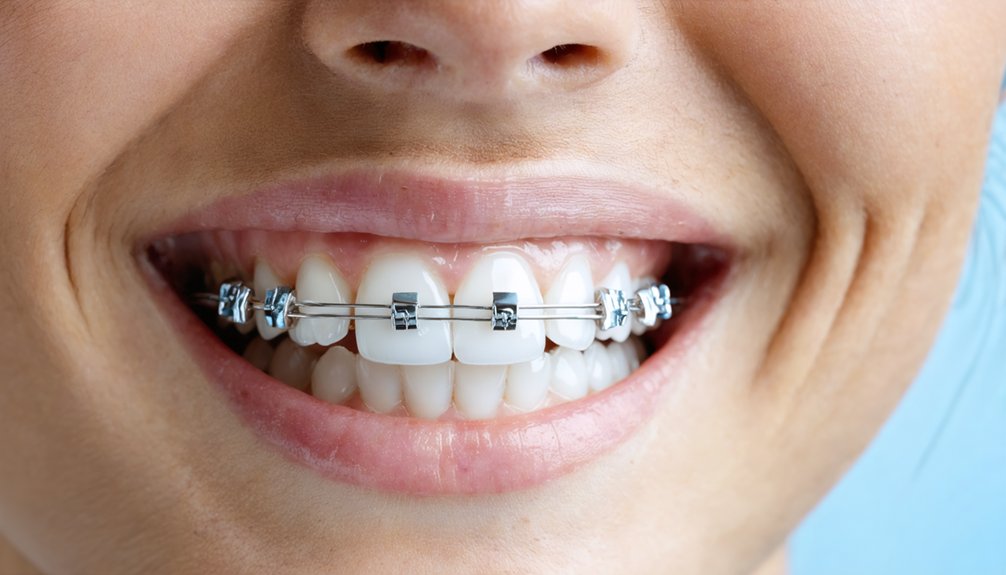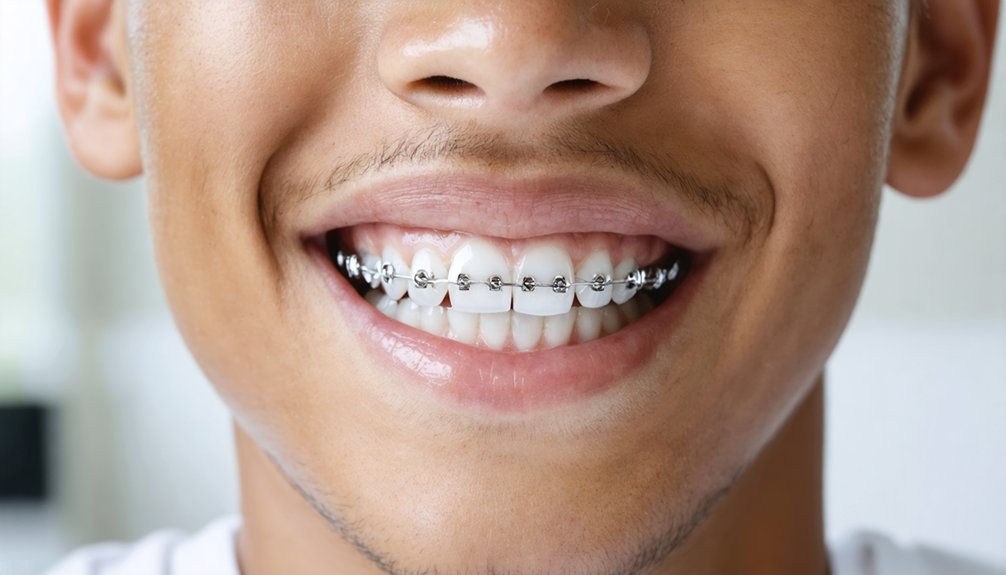
You can whiten the natural teeth surrounding your dental bridge, but the bridge itself won’t respond to any bleaching treatment. Whitening gels penetrate enamel, but they can’t affect porcelain or acrylic surfaces. This creates a potential color mismatch you’ll need to plan around carefully. Professional cleaning is your best option for maintaining your bridge’s appearance. The right strategy, sequencing, and professional guidance make all the difference in achieving a seamless, cohesive smile.
Key Takeaways
- Whitening agents only affect natural enamel, not porcelain or acrylic bridges, so expect potential color mismatches after treatment.
- Use professional take-home trays or in-office bleaching on natural teeth, but consult a dentist to manage shade differences.
- Complete whitening at least two weeks before bridge placement to allow shade stabilization for accurate color matching.
- Avoid abrasive whitening toothpastes near bridges, as they scratch porcelain; professional polishing is the safest maintenance option.
- If whitening creates a visible mismatch, replace the bridge two weeks post-whitening using digital shade mapping techniques.
Why Whitening Products Don’t Work on Dental Bridges
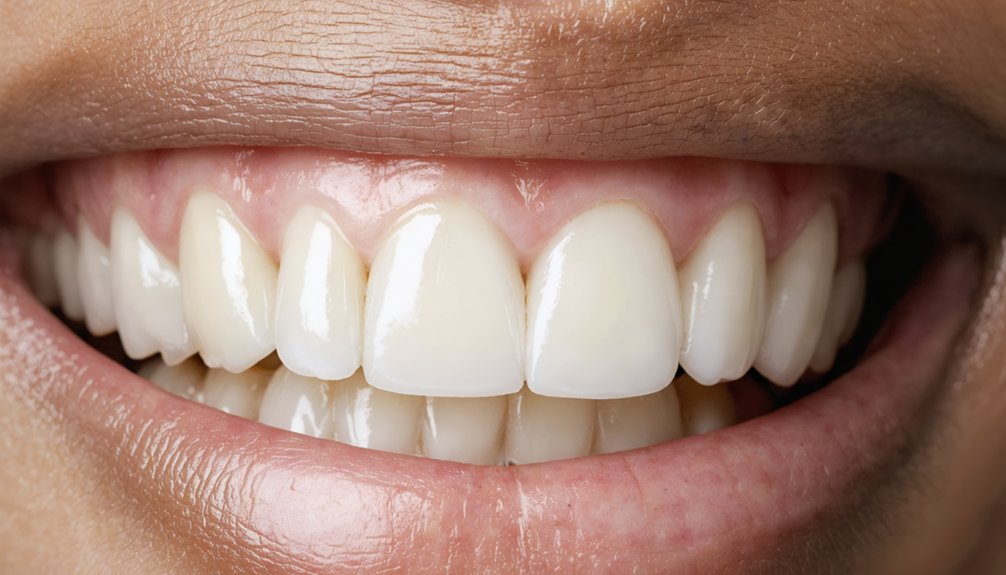
When you apply a whitening gel to your teeth, it penetrates the enamel to break down organic stains—but dental bridges don’t respond the same way.
Porcelain and acrylic materials are non-porous, meaning bleaching agents can’t penetrate their surface. The chemistry simply doesn’t work.
One of the most persistent whitening myths is that stronger gels or longer application times will eventually lift bridge discoloration. They won’t.
No concentration of peroxide affects these materials.
What whitening *does* do is brighten your surrounding natural teeth, creating a visible color mismatch between them and your bridge.
This makes proper bridge maintenance essential before pursuing any whitening treatment.
You need a clear understanding of your restorations to make informed, precise decisions about your smile’s overall aesthetic outcome.
Can You Still Whiten Teeth That Have a Bridge?
Yes, you can still whiten your natural teeth even if you have a dental bridge—but you’ll need to approach the process strategically.
One of the most persistent whitening myths is that having a bridge means you can’t brighten your smile at all. That’s simply untrue.
Whitening agents work exclusively on natural enamel, so your surrounding teeth will respond to bleaching treatments while the bridge remains unchanged. This creates a critical consideration: if you whiten aggressively without planning ahead, you’ll end up with a visible color mismatch.
Smart bridge maintenance means whitening your natural teeth first, allowing the shade to stabilize, then consulting your dentist about replacing the bridge to match your new tone.
You control the outcome—but only with deliberate, sequenced action.
Which Whitening Treatments Are Safe Around a Dental Bridge?
Choosing the right whitening treatment around a dental bridge requires understanding what each method actually does—and doesn’t—affect.
Bleaching agents—whether strips, trays, or in-office gels—only work on natural enamel. Your bridge won’t respond to any of them, making safe whitening a matter of strategic application rather than blanket treatment.
You can use professional take-home trays or in-office bleaching on your natural teeth, provided you consult your dentist first. They’ll assess your bridge placement and guarantee treatment won’t create an obvious color mismatch.
For the bridge itself, professional polishing remains the only effective dental maintenance option—restoring surface luster without compromising the material.
Avoid abrasive whitening toothpastes near the restoration, as they scratch porcelain and accelerate dullness over time.
What Professional Cleaning Does That Whitening Can’t
Whitening treatments stop at the surface of your natural enamel, but professional cleaning goes deeper—targeting what bleaching agents never touch.
Your dentist uses scaling tools to strip away calculus and surface stains from both natural teeth and your bridge structure. Ultrasonic cleaners flush debris from beneath the pontic, where your toothbrush never reaches. Polishing pastes then restore luster to porcelain crowns without abrading the surface.
These bridge maintenance cleaning techniques accomplish what no whitening gel can—they physically remove discoloration embedded in plaque and tartar, restore the bridge’s original shade, and protect surrounding gum tissue.
Scheduling professional cleanings every six months keeps staining from compounding. You stay in control of your bridge’s appearance by treating the actual cause, not just the symptom.
How to Brush and Floss Without Staining Your Bridge
Keeping your bridge stain-free starts with the tools and technique you use every day. Consistent oral hygiene directly controls how long your bridge maintains its original appearance. You’re responsible for making deliberate choices that protect the restoration’s surface integrity.
- Use a soft-bristled toothbrush with non-abrasive toothpaste and gentle circular motions to clean around the bridge without scratching porcelain surfaces.
- Thread floss underneath the pontic using a floss threader or water flosser to eliminate debris and prevent stain-causing bacterial buildup beneath the bridge.
- Rinse with antimicrobial mouthwash after meals to reduce pigment-depositing bacteria and maintain healthier gum tissue supporting the restoration.
Precise bridge maintenance through these daily habits prevents discoloration before it starts, giving you lasting control over your smile’s aesthetic outcome.
Which Foods and Drinks Cause the Most Discoloration Near a Bridge?
Your diet plays a direct role in how quickly discoloration develops around your dental bridge. Highly pigmented foods like coffee, tea, red wine, and berries deposit chromogens onto both natural enamel and bridge surfaces, accelerating staining near the margins.
Acidic beverages such as soda and fruit juices compound the problem by weakening enamel, making surrounding teeth even more susceptible to discoloration.
Staining Foods To Avoid
What you eat and drink plays a direct role in how well your natural teeth and bridge maintain a consistent, polished appearance over time.
Certain staining substances accelerate discoloration around restorations, making mindful dietary habits essential for preserving color harmony.
Three primary culprits to eliminate or minimize:
- Chromogenic beverages — Coffee, tea, and red wine deposit pigmented compounds directly onto enamel surfaces, creating visible contrast between natural teeth and your bridge.
- Acidic drinks — Soda and citrus juices erode enamel, making teeth more porous and increasingly vulnerable to stain absorption.
- Dark-pigmented foods — Berries, tomato-based sauces, and soy sauce introduce concentrated pigments that settle into microscopic surface irregularities.
When consuming these items, use a straw and rinse immediately afterward to limit prolonged contact.
Beverages That Discolor Bridges
Though beverages tend to be the most overlooked source of dental discoloration, they’re often the fastest-acting. Coffee, tea, and red wine rank among the most aggressive bridge discoloration causes, as their chromogens penetrate the microscopic surface irregularities of porcelain and acrylic.
Dark sodas and fruit juices compound the problem through their acidity, which weakens enamel on your natural teeth while accelerating beverage staining effects on surrounding restorations.
You can’t reverse staining once it sets into bridge materials, so prevention demands precision. Use a straw to bypass direct contact with your bridge and adjacent teeth. Rinse immediately after consuming pigmented drinks to neutralize residual compounds.
Reducing your intake of these beverages gives you direct control over long-term discoloration and maintains visual harmony between your natural teeth and bridge.
Lifestyle Changes That Preserve Your Bridge’s Color

Protecting your bridge’s color long-term requires deliberate lifestyle adjustments beyond daily brushing. Your lifestyle habits directly influence how well your bridge resists discoloration over time.
Pairing smart choices with consistent oral hygiene creates a sustainable framework for preserving your restoration’s appearance.
- Quit tobacco immediately. Smoking and chewing tobacco deposit dark, penetrating stains onto both natural teeth and bridge surfaces that professional cleaning can’t fully reverse.
- Stay hydrated throughout the day. Drinking water consistently prevents dry mouth, flushes away staining residue, and reduces plaque accumulation around your bridge.
- Avoid hard and sticky foods. Chewing ice, hard candies, or sticky substances compromises your bridge’s structural integrity and creates surface irregularities that trap pigment more aggressively.
These targeted changes give you measurable control over your bridge’s longevity and aesthetic consistency.
Should You Replace Your Bridge for a Better Color Match?
Sometimes, replacing your bridge becomes the most practical solution when whitening creates a visible color mismatch between your natural teeth and your restoration.
Before committing to bridge replacement considerations, whiten your natural teeth first and allow the shade to fully stabilize — typically two weeks post-treatment.
Once your target shade is established, your dentist can fabricate a new bridge using precise color matching techniques that align the restoration with your updated enamel tone.
Digital shade mapping and laboratory-grade porcelain selection guarantee an accurate, seamless result.
Don’t attempt to bleach the existing bridge — it won’t respond. Instead, invest in a well-matched replacement that restores visual harmony across your smile.
Consulting your prosthodontist early streamlines the process and prevents costly corrections later.
Whiten Natural Teeth First Before Getting a New Bridge
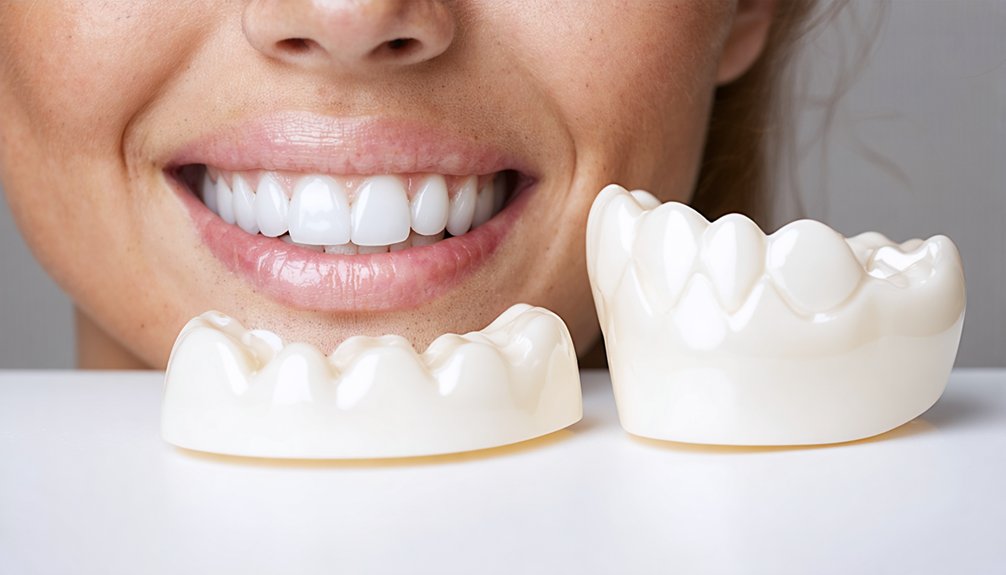
If you’re planning to replace your dental bridge, whiten your natural teeth first before the new restoration is fabricated.
You’ll need to allow your newly bleached shade to fully stabilize—typically two weeks—so your dentist can accurately match the bridge material to your updated tooth color.
Skipping this step risks a permanent color mismatch between your natural teeth and the new restoration.
Bleach Before Bridge Placement
When planning a dental bridge, whitening your natural teeth before the procedure is the most effective strategy for achieving long-term color harmony.
Completing bleaching techniques prior to bridge placement gives your dentist an accurate, stable shade reference for fabricating your restoration.
Follow this sequence for best results:
- Complete your whitening treatment at least two weeks before bridge placement, allowing your tooth shade to fully stabilize.
- Confirm your target shade with your dentist, making sure the new bridge matches your brightened natural teeth precisely.
- Avoid whitening after placement, since bleaching agents won’t affect porcelain or acrylic materials used in bridges.
This approach eliminates color mismatch risks and guarantees your restoration integrates seamlessly with your surrounding teeth from day one.
Stabilize Shade Before Restoration
Stabilizing your natural tooth shade before committing to a new bridge is the most reliable way to guarantee lasting color harmony between your restoration and surrounding teeth.
Complete your whitening regimen first, then allow two to four weeks for color stability to set in. Tooth shade shifts slightly after bleaching, so rushing into fabrication risks an inaccurate match.
Once your enamel reaches its final tone, schedule a thorough shade assessment with your dentist. This evaluation captures your teeth’s true, settled color and guides the dental lab in crafting a bridge that integrates seamlessly.
You’re controlling the outcome by sequencing the process correctly—whiten, stabilize, then restore. Skipping this order undermines the precision your smile’s long-term aesthetic requires.
How to Match Your Bridge Color After Whitening Natural Teeth
Once your natural teeth reach their desired shade after whitening, you’ll likely notice a visible color mismatch between them and your existing dental bridge. This disparity requires deliberate action to restore visual harmony. Consistent bridge maintenance and a professional color assessment will guide your next steps precisely.
Whitening your natural teeth often reveals a stark color mismatch with your existing dental bridge, demanding prompt professional attention.
- Schedule a shade evaluation — Have your dentist compare your whitened teeth against your bridge using a standardized shade guide.
- Replace the bridge — Commission a new restoration fabricated to match your stabilized post-whitening shade exactly.
- Time the replacement correctly — Wait until your whitened shade fully stabilizes, typically two weeks, before fabricating the new bridge.
Acting decisively guarantees your smile maintains a seamless, aesthetically cohesive appearance without prolonged color inconsistency.
Frequently Asked Questions
How Long Does a Dental Bridge Typically Last Before Needing Replacement?
Like a well-built structure, your dental bridge can last 10–15 years. You’ll extend its lifespan through consistent dental bridge maintenance and managing bridge longevity factors like diet, oral hygiene, and regular professional checkups.
Does Dental Insurance Cover Bridge Replacement for Cosmetic Color Matching Purposes?
Most insurance policies don’t cover bridge replacement for cosmetic color matching, as they classify bridge aesthetics as elective. You’ll typically need to fund this out-of-pocket, so consult your provider to confirm your specific coverage details.
Can Gum Disease Affect the Color and Stability of a Dental Bridge?
Yes, gum disease can compromise your bridge’s stability and discolor surrounding tissue. You’ll notice shifts in fit and appearance as infection progresses. Prioritizing gum health directly protects bridge longevity, keeping your restoration secure and aesthetically consistent.
Are There Specific Toothpaste Brands Recommended by Dentists for Bridge Care?
While harsh formulas damage, gentle ones protect—dentists don’t endorse specific brands, but you’ll want non-abrasive toothpaste with safe toothpaste ingredients like fluoride and low-RDA levels as essential bridge maintenance tips for preserving your restoration’s integrity.
How Much Does Professional Dental Bridge Polishing Typically Cost per Session?
You’ll typically spend $50–$150 per session on professional polishing techniques, depending on your location and dentist. Investing in these bridge maintenance tips guarantees you’re controlling your bridge’s longevity, shine, and overall aesthetic precision effectively.
References
- https://dentalsmile.com.au/dental-bridges-and-teeth-whitening-what-you-need-to-know/
- https://www.newburyportfamilydental.com/how-do-i-keep-my-dental-bridge-white/
- https://www.rootsdental.com/how-to-whiten-crowns-and-bridges/
- https://www.furumotodentistry.com/office/our-blog/how-to-clean-and-whiten-dental-crowns-and-bridges
- https://madison.singingriverdentistry.com/p/BLOG-112177-2024.4.1-How-To-Remove-Stains-From-Dental-Bridges-p.asp?C=1661
- https://eastportdentalaz.com/can-you-whiten-a-dental-bridge/
- https://www.acefamilydental.com/how-to-remove-stains-from-dental-bridges/
- https://www.portersmilesdental.com/can-dental-bridges-be-whitened/
- https://villagegreendental.net/blog/featured/can-teeth-whitening-affect-crowns-and-bridges-aurora-il-dentist/
- https://www.youtube.com/watch?v=3PyXLat4_7A