How long you can safely leave hydrogen peroxide on your teeth depends on the concentration you’re using. A 3% solution is safe for 30 to 60 minutes, while 6% gels should stay on no longer than 30 minutes. Anything above 12% requires strict time limits and professional supervision. Exceeding these windows risks enamel damage and gum irritation. Keep exploring to make sure you’re applying it correctly and safely.
Key Takeaways
- For 3% hydrogen peroxide, apply for 30 minutes to 1 hour, limiting sessions to 2–3 times weekly.
- 6% hydrogen peroxide gel should only be applied for 30 minutes per daily session.
- 12% hydrogen peroxide requires stricter limits, with exposure restricted to 15–30 minutes maximum.
- Professional-strength 20–35% concentrations should only be used for 15–20 minutes under dental supervision.
- Stop immediately if you experience sharp sensitivity, white spots, gum burning, or soreness.
How Long Should Hydrogen Peroxide Sit on Your Teeth?
How long you leave hydrogen peroxide on your teeth depends largely on the concentration you’re using. A 3% solution typically requires 30 minutes to 1 hour, while a 6% gel suits a single 30-minute daily session.
Stronger 12% formulas demand only 15–30 minutes due to their potency.
Your application techniques directly influence results and risk. Exceeding recommended timeframes doesn’t accelerate whitening—it accelerates enamel erosion and gum irritation. Safety precautions aren’t optional; they’re essential checkpoints that protect your dental health.
Exceeding recommended timeframes doesn’t accelerate whitening—it accelerates enamel erosion. Safety precautions aren’t optional; they’re essential.
If you’re a first-time user, start with 30-minute sessions and monitor your sensitivity closely. Concentrations above 6% require professional supervision.
Follow manufacturer instructions precisely, and don’t assume longer exposure means better outcomes—it doesn’t.
How Long Depends on Which Concentration You’re Using
Concentration is the variable that determines everything about timing. You can’t apply the same duration across different formulas without risking harm. Follow these concentration guidelines precisely:
- 3% hydrogen peroxide: Apply for 30 minutes to 1 hour.
- 6% hydrogen peroxide gel: Limit daily sessions to 30 minutes.
- 12% hydrogen peroxide: Restrict exposure to 15–30 minutes due to increased potency.
- 20–35% concentrations: Use only 15–20 minutes, and only under professional supervision.
Your application techniques must match your formula’s strength. Higher concentrations penetrate enamel faster, meaning longer exposure accelerates damage rather than results.
You’re not gaining extra whitening by extending time — you’re accumulating risk. Check your product’s percentage before starting, then set a timer and commit to it.
How Hydrogen Peroxide Timing Differs in Office vs. Home Kits
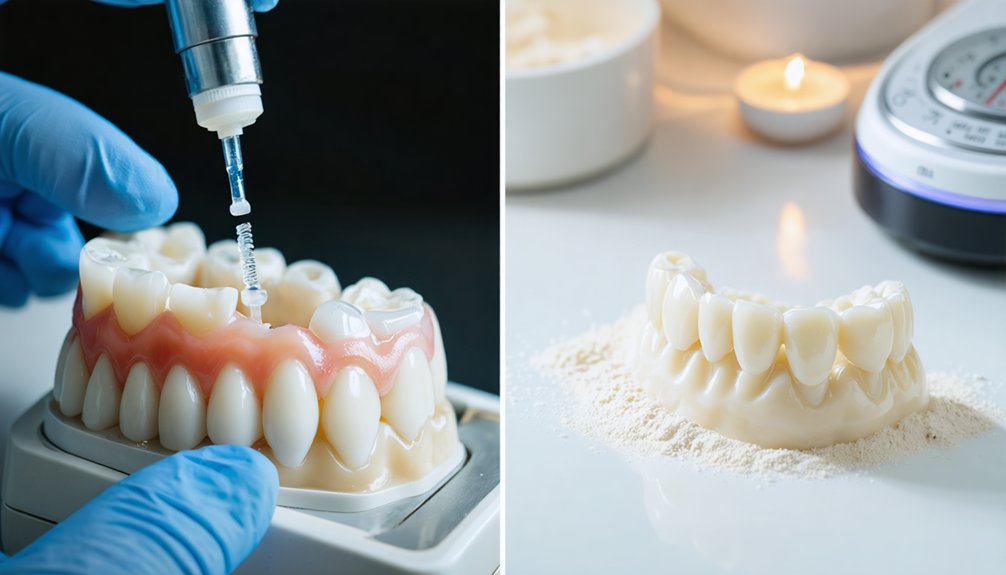
Whether you’re whitening at home or in a dental chair, the timing protocols differ greatly and exist for specific clinical reasons.
Office procedures use high-concentration gels (20–35%) applied for just 15–20 minutes under controlled conditions. Home application kits operate differently, requiring daily sessions over 5–14 days. Knowing these distinctions helps you avoid misuse.
Key protocol differences:
- In-office treatments use 20–35% concentrations for 15–20 minutes maximum
- Home kits typically contain 6–10% formulas worn 30–60 minutes daily
- Professional settings include gum protection; home application does not
- Office procedures deliver faster results; home kits require consistent repetition
Never extend home application times to replicate professional results — you’ll increase damage risk without improving outcomes.
Warning Signs You’ve Used Hydrogen Peroxide for Too Long
Overusing hydrogen peroxide leaves clear physical signals that you’ve exceeded safe exposure limits. Watch for these warning signs:
Sensitivity Symptoms
You’ll notice sharp pain when consuming hot, cold, or sweet substances. This nerve exposure indicates the peroxide has penetrated beyond surface stains into deeper tooth structures.
Enamel Damage Indicators
Visible white spots, chalky texture, or increased translucency at tooth edges signal enamel damage. Once enamel erodes, it doesn’t regenerate.
Soft Tissue Reactions
Gum blanching, burning sensations, or persistent soreness confirm excessive tissue contact.
Immediate Action Steps
Stop applications immediately if any symptom appears. Rinse thoroughly with water and contact your dentist.
Continuing despite these signals accelerates irreversible structural harm. Your body’s warning responses exist precisely to prevent permanent damage—don’t override them.
How Often and How Carefully You Should Apply It
Knowing when to stop is only half the equation—how often and how carefully you apply hydrogen peroxide determines whether you achieve results or cause harm.
Application frequency and safety precautions aren’t suggestions—they’re clinical guardrails.
Follow these evidence-based guidelines precisely:
- Limit sessions to once daily, using concentrations at or below 3% no more than 2-3 times weekly.
- Start with 30-minute sessions if you’re a first-time user, extending only after confirming zero sensitivity.
- Rinse thoroughly immediately after each application to minimize prolonged enamel contact.
- Consult your dentist before escalating concentration or frequency, particularly if sensitivity emerges.
Deviating from structured application frequency exposes your enamel to cumulative, irreversible damage.
Control requires discipline, not experimentation.
Frequently Asked Questions
Can Hydrogen Peroxide Whiten Teeth With Existing Crowns or Veneers Safely?
Like polishing stone among pearls, hydrogen peroxide won’t whiten crowns or veneers. You’ll risk crown sensitivity and compromise veneer longevity. It only affects natural enamel, so consult your dentist for tailored whitening solutions.
Does Rinsing With Water After Treatment Reduce Hydrogen Peroxide’s Whitening Effectiveness?
Rinsing with water after treatment doesn’t greatly reduce whitening effectiveness. You’ll actually minimize sensitivity concerns by rinsing thoroughly. Proper application techniques guarantee the peroxide’s already activated, so you’re safely removing residual gel without compromising your results.
What Foods or Drinks Should Be Avoided Immediately After Hydrogen Peroxide Treatment?
Studies show 48 hours matters most—avoid coffee, tea, red wine, and acidic foods immediately after treatment. They’ll compromise your whitening effectiveness and worsen teeth sensitivity, undoing your progress and potentially damaging freshly treated enamel.
Can Hydrogen Peroxide Treatments Interact With Prescription Medications or Dental Procedures?
Yes, hydrogen peroxide treatments can create interaction effects with certain medications and dental procedures. You should always consult your dentist to protect your dental health, especially if you’re undergoing restorative work or taking prescribed medications affecting oral tissues.
Is Hydrogen Peroxide Whitening Safe During Pregnancy or While Breastfeeding?
Picture a fragile bloom needing protection—you should avoid hydrogen peroxide whitening during pregnancy or breastfeeding. Safety guidelines highlight serious pregnancy concerns, as there’s insufficient evidence confirming it’s safe, so consult your dentist before proceeding.
References
- https://www.clinicadentalcrookelaguna.com/en/how-long-should-at-home-teeth-whitening-be-left-on/
- https://mysmilesteeth.com/blogs/mysmiles-blog/how-long-to-leave-on-teeth-whitening-gel
- https://www.youtube.com/watch?v=N1_1g96zVrs
- https://www.eastcoopersmiles.com/faq/happens-leave-hydrogen-peroxide-teeth-overnight/45545
- https://www.gentledental.com/resources/articles/hydrogen-peroxide-teeth-whitening
- https://gloscience.com/blogs/blog/what-happens-if-you-leave-teeth-whitening-gel-on-too-long
- https://www.laurentiandentalcentre.com/how-to-use-hydrogen-peroxide-to-whiten-teeth-safely/
- https://www.colgate.com/en-sa/oral-health/adult-oral-care/hydrogen-peroxide-gums-and-teeth-treatments