Neem won’t bleach your enamel like commercial whiteners, but it can make your teeth look brighter by tackling the real problem—bacteria and plaque buildup that dull your smile. Its key compounds, including nimbidin, quercetin, and gedunin, disrupt harmful oral bacteria and reduce inflammation over time. You can use neem as toothpaste, mouthwash, or through oil pulling for daily protection. Stick with it consistently, and results typically appear within four to six weeks—and there’s much more to uncover about getting it right.
Key Takeaways
- Neem doesn’t chemically whiten teeth but reduces plaque-forming bacteria, creating a cleaner oral environment that makes teeth appear brighter over time.
- A DIY neem toothpaste combines two tablespoons coconut oil, one teaspoon neem powder, half teaspoon baking soda, and five peppermint oil drops.
- Brush twice daily with neem toothpaste for two minutes, then rinse with neem mouthwash for extended antibacterial protection.
- Oil pulling with one tablespoon of neem oil for 10–15 minutes, three to four mornings weekly, reduces bacteria and supports gum health.
- Visible results typically begin within two to four weeks, with slight brightness noticeable after four to six weeks of consistent use.
Does Neem Actually Whiten Teeth or Just Clean Them?
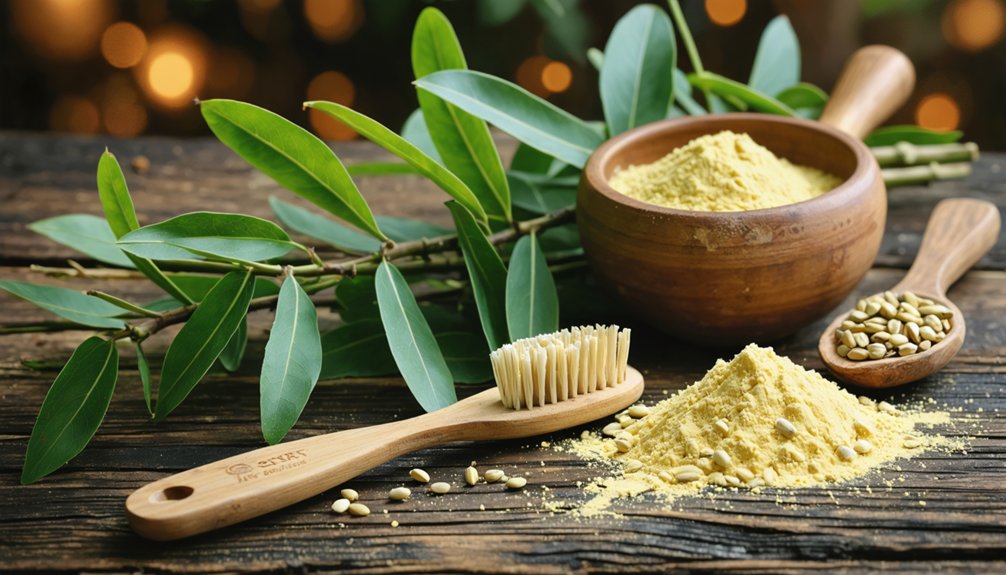
When you hear “neem whitening,” it’s worth clarifying what neem actually does inside your mouth.
Neem effectiveness lies primarily in its antibacterial and anti-inflammatory properties, not bleaching action. Unlike peroxide-based whiteners, neem doesn’t chemically lighten enamel pigmentation.
Neem works through antibacterial action, not bleaching — it won’t chemically alter enamel pigmentation the way peroxide does.
What neem does is strengthen your oral hygiene routine by reducing plaque-forming bacteria, limiting surface buildup, and calming gum inflammation.
That cleaner environment gradually makes teeth appear brighter and less dull.
Think of neem as a maintenance tool rather than a rapid color-correction treatment.
If you’re committed to controlling what goes into your oral care routine, neem gives you a research-supported, natural option that builds visible results through consistent daily use rather than harsh chemical shortcuts.
How Neem’s Antibacterial Compounds Protect Your Teeth and Gums
When you use neem regularly, you’re putting compounds like nimbidin and gedunin to work directly against the bacteria responsible for plaque buildup and gum inflammation.
These active agents disrupt bacterial growth in your mouth, reducing the microbial load that leads to tartar, decay, and irritated gum tissue.
Neem’s Key Antibacterial Agents
Because neem has been used in Ayurvedic oral care for centuries, it’s easy to assume its reputation rests purely on tradition—but the plant’s antibacterial activity is backed by identifiable compounds.
Understanding neem benefits means recognizing which agents drive its antibacterial properties:
- Nimbidin – reduces inflammation and inhibits harmful oral bacteria
- Nimbin – supports antiseptic and anti-inflammatory action
- Gedunin – disrupts bacterial cell function
- Quercetin – a flavonoid that limits bacterial adhesion to tooth surfaces
- Nimbidol – targets bacteria linked to plaque and gum disease
Each compound contributes differently, giving neem a multi-layered defense against oral pathogens.
When you use neem consistently, you’re not relying on a single mechanism—you’re activating several natural protective pathways that work together to support cleaner, healthier teeth.
Fighting Plaque-Causing Bacteria
Those antibacterial compounds don’t just exist in isolation—they actively work to disrupt the bacteria responsible for plaque formation and gum disease. When you use neem consistently, its active agents target harmful oral bacteria before they colonize your teeth’s surface.
That’s where bacteria prevention becomes essential to your routine.
Plaque forms when bacteria accumulate and produce sticky biofilms along your gumline and enamel. Neem’s compounds interfere with this process, reducing bacterial adhesion and limiting plaque buildup.
Effective plaque removal isn’t only about scrubbing harder—it’s about disrupting the bacterial environment that allows plaque to develop in the first place.
Protecting Gums From Inflammation
Inflammation is your gum tissue’s distress signal—a sign that bacteria have pushed past your enamel’s surface and begun irritating the soft tissue beneath. Neem’s anti-inflammatory compounds work directly on this problem, supporting gum health by calming irritated tissue before swelling worsens.
Here’s what consistent neem use can do for inflammation reduction:
- Calm redness and puffiness along the gumline
- Limit bacterial colonies that trigger immune responses in soft tissue
- Reduce gum sensitivity caused by chronic bacterial exposure
- Support faster recovery of mildly irritated gum tissue
- Help maintain a stable oral environment that discourages recurring flare-ups
You’re not waiting for damage to appear—you’re actively preventing it. Neem gives you a daily, natural tool for keeping gum inflammation from gaining ground.
Best Neem Formats for Teeth Whitening at Home
You’ve got several practical options for bringing neem into your daily oral care routine, each targeting plaque and bacteria in slightly different ways.
Neem toothpaste is the easiest starting point, letting you swap it into your twice-daily brushing habit with minimal effort, while neem mouthwash adds an extra layer of bacterial reduction between meals.
If you want to go a step further, oil pulling with neem oil—swishing for 10 to 15 minutes before spitting—draws on a traditional Ayurvedic practice that research associates with reduced oral bacteria and fresher breath.
Neem Toothpaste Daily Use
Three neem formats stand out for home use — toothpaste, mouthwash, oil pulling, and chewing sticks — but neem toothpaste is the easiest to work into a daily routine because it fits seamlessly into the brushing habits you already have.
Neem toothpaste benefits come from its antibacterial compounds, which target plaque-forming bacteria and support cleaner, healthier gums through consistent neem oral hygiene.
Follow these daily use guidelines:
- Use a pea-sized amount twice daily, preferably after meals
- Brush thoroughly for two full minutes, covering all surfaces
- Focus on the gumline where plaque and bacteria accumulate most
- Pair neem toothpaste with regular flossing for stronger plaque control
- Avoid rinsing immediately after brushing to let active compounds work longer
Results build gradually, so consistency matters more than intensity.
Oil Pulling With Neem
Oil pulling with neem takes a traditional Ayurvedic practice and applies it directly to modern oral hygiene goals. You swish neem oil in your mouth for 10 to 15 minutes, allowing its antibacterial compounds to work against plaque-causing bacteria.
The neem benefits here are practical: reduced bacterial load, fresher breath, and less surface buildup that dulls your teeth over time. The oil benefits come from its ability to bind with bacteria and pull them away from teeth and gums before you spit and rinse.
You won’t see bleaching effects, but consistent use supports cleaner, healthier-looking teeth. Always spit into a trash can rather than the sink to avoid clogs, then rinse thoroughly with warm water before continuing your regular brushing routine.
Neem Mouthwash Rinse Benefits
Adding a neem mouthwash rinse to your routine gives you another layer of antibacterial protection that brushing alone can’t always reach.
Neem mouthwash benefits include targeting bacteria in areas between teeth and along the gumline where plaque quietly accumulates. Neem rinse effectiveness comes from its antibacterial compounds, which help reduce the microbial load responsible for surface buildup and bad breath.
Use it strategically to strengthen your daily oral care:
- Rinse after brushing to extend antibacterial action
- Use between meals to freshen breath and reduce bacteria
- Swish thoroughly for 30 to 60 seconds for full coverage
- Choose alcohol-free neem rinses to avoid unnecessary irritation
- Stay consistent, since gradual plaque reduction improves how clean your teeth appear
Results build over time with regular use.
Your Daily Neem Oral Care Routine, Step by Step
Building a consistent neem oral care routine doesn’t have to be complicated—just four steps woven into your morning and evening habits can meaningfully support gum health, reduce bacterial buildup, and keep your teeth looking their cleanest.
Step 1: Brush twice daily using neem toothpaste, applying a pea-sized amount for two full minutes.
Step 2: Rinse with neem mouthwash after brushing to extend antibacterial protection between meals.
Step 3: Practice oil pulling three to four mornings weekly—swish neem oil for 10–15 minutes, then spit and rinse with warm water.
Step 4: Floss daily to remove debris neem can’t reach alone.
These four steps leverage core Neem Benefits to strengthen your overall Oral Hygiene practice, delivering gradual, visible improvements through consistency rather than harsh chemical intervention.
How to Do Neem Oil Pulling the Right Way
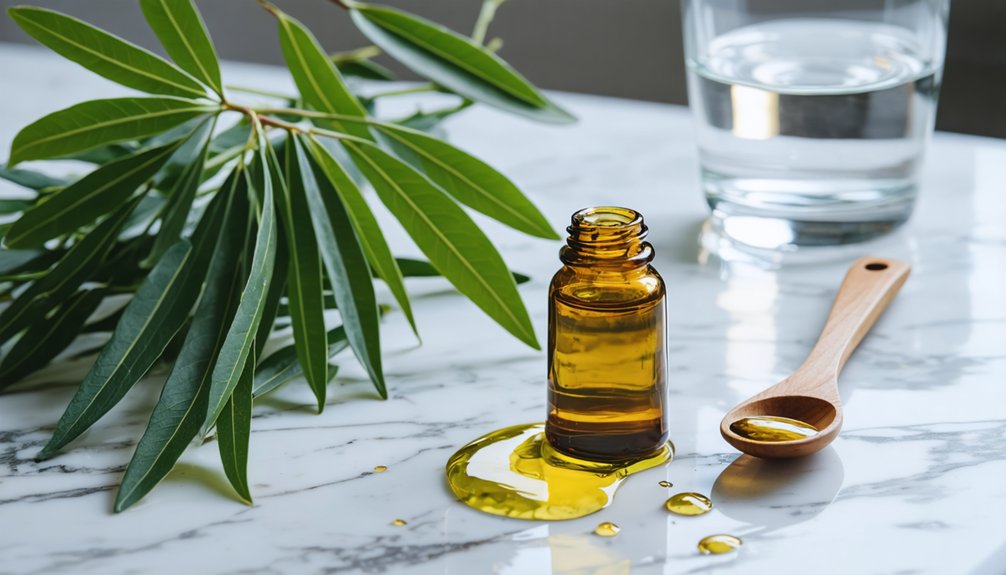
Neem oil pulling is one of the oldest Ayurvedic oral care practices, and when you do it correctly, it can meaningfully reduce bacterial load and surface buildup without harsh chemicals.
The neem benefits here are antibacterial and anti-inflammatory, supporting cleaner gums and fresher breath over time.
Follow these steps for effective oil pulling:
- Use one tablespoon of neem oil first thing in the morning, before eating or drinking.
- Swish slowly and deliberately for 10 to 15 minutes, working the oil between teeth.
- Avoid swallowing; the oil accumulates bacteria throughout the process.
- Spit into a trash bin, not the sink, to prevent drain buildup.
- Rinse thoroughly with warm water, then brush normally.
Consistent oil pulling, paired with standard hygiene habits, compounds the long-term neem benefits noticeably.
DIY Neem Toothpaste Recipe You Can Make Tonight
Making your own neem toothpaste takes fewer than five ingredients and about ten minutes, yet it delivers the same antibacterial and plaque-reducing benefits you’d get from a commercial neem product.
To start, combine two tablespoons of coconut oil, one teaspoon of neem leaf powder, half a teaspoon of baking soda, and five drops of peppermint essential oil. Mix until smooth, then store in a small glass jar.
Use a pea-sized amount twice daily, brushing for two full minutes. Among the core neem benefits are reduced surface bacteria and calmer gum tissue, both of which support a cleaner appearance over time.
For those exploring natural alternatives to chemical-laden products, this recipe gives you full ingredient control without sacrificing consistent oral hygiene support.
How Long Before Neem Shows Results on Your Teeth?
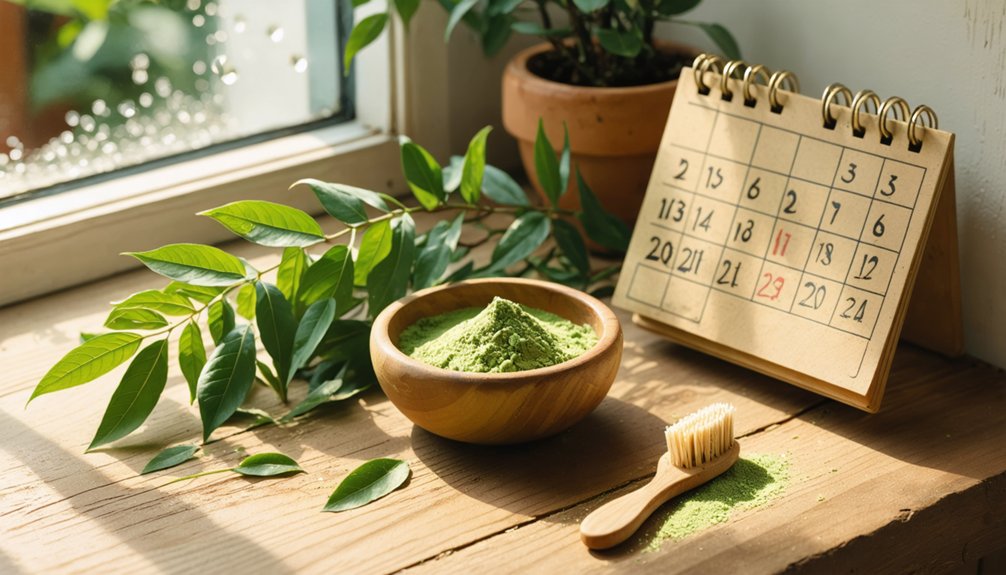
How quickly you see results from neem depends less on the ingredient itself and more on your current oral hygiene baseline.
Neem usage works gradually, so managing your expected timeline matters.
Neem works on its own schedule — knowing what to expect keeps frustration from replacing consistency.
Most users notice changes within these ranges:
- 1–2 weeks: Fresher breath and reduced surface film from consistent antibacterial action
- 2–4 weeks: Visibly less plaque buildup with twice-daily brushing
- 4–6 weeks: Slight brightness from cleaner enamel surfaces
- 6–8 weeks: Improved gum appearance as inflammation decreases
- Beyond 8 weeks: Sustained maintenance with continued consistent use
Neem won’t bleach your teeth. Its visible effect comes from reducing bacterial buildup and plaque that dulls enamel.
You’ll get faster, more noticeable results by pairing neem with daily flossing and professional cleanings.
Who Should Avoid DIY Neem Teeth Treatments?
Although neem has a strong safety record in traditional oral care, it’s not the right fit for everyone.
If you’re pregnant, skip DIY neem treatments until you’ve spoken with your provider, since pregnancy precautions around concentrated neem products exist for good reason. Children should also avoid neem-based oral care without professional guidance.
If you already have sensitivity concerns, concentrated neem oil or abrasive neem powder blends can worsen irritation rather than help.
Those with active gum disease, tooth decay, or open sores in the mouth need professional care before experimenting with any home remedy.
Know your baseline. If your teeth or gums already signal a problem, neem won’t fix it.
Use it as a maintenance tool, not a substitute for clinical treatment.
Signs You Need Professional Whitening Alongside Your Neem Routine
Neem supports cleaner, healthier-looking teeth, but it doesn’t bleach deep or set-in stains. If you notice these signs, neem effectiveness alone won’t be enough, and professional whitening becomes the smarter step:
- Stains that haven’t faded after 4–6 weeks of consistent neem use
- Yellow or gray discoloration from medications, fluorosis, or aging enamel
- Uneven tooth color that looks patchy despite good hygiene habits
- Surface staining from coffee, tea, or tobacco that brushing can’t reduce
- Teeth that look dull even after plaque and buildup are under control
Neem works best as a maintenance tool, not a corrective one.
Combining a steady neem routine with professional whitening lets you address deeper discoloration while protecting your oral environment naturally going forward.
Frequently Asked Questions
Can Neem Toothpaste Be Safely Combined With Fluoride Toothpaste Daily?
Like two rivers merging, you can safely alternate neem benefits and fluoride interactions daily. Use neem in the morning and fluoride at night to protect enamel while maximizing antibacterial support without compromising cavity prevention.
Does Neem Taste Unpleasant and How Can You Reduce It?
Neem’s flavor can taste bitter and earthy. You can reduce it through taste masking by blending neem toothpaste with mint, rinsing with cool water, or choosing pre-flavored neem mouthwashes that naturally balance the intensity.
Where Can You Buy Reliable Neem Products for Oral Care?
You’ll find reliable neem oil and neem powder at health food stores, Ayurvedic retailers, and trusted online platforms like Amazon. Always choose certified organic, food-grade options with clear ingredient labels to guarantee purity and oral safety.
Can Neem Help With Teeth Sensitivity Caused by Enamel Wear?
Neem won’t directly restore enamel protection, but its anti-inflammatory properties may offer mild sensitivity relief by soothing irritated gums. If you’re dealing with enamel wear, you’ll want professional guidance alongside your natural oral care routine.
Is Neem Safe to Use on Dental Veneers or Crowns?
Neem’s benefits are generally safe for veneers and crowns, but you should avoid abrasive DIY mixes that could scratch surfaces. For dental safety, consult your dentist before incorporating neem into your routine.
References
- https://dulwichdentaloffice.com/blog/natural-remedies-for-whiter-teeth-you-can-try-at-home/
- https://springcreekforestdental.com/natural-herbs-for-teeth-whitening-enhance-your-smile-the-natural-way/
- https://theneemtree.co.uk/blog/cosmetic-dentistry/whitening-teeth-at-home-during-lockdown/
- https://perforacare.com/blogs/oral-health/neem-toothpaste-benefits
- https://theneemtree.co.uk/blog/cosmetic-dentistry/get-white-teeth-in-two-weeks/
- https://www.pinterest.com/pin/82401868178180633/
- https://www.tiktok.com/@mucherla.aruna/video/7320333801048034593
- https://www.facebook.com/aruna.gupta.355/posts/-neem-turmeric-and-a-touch-of-salt-thats-all-it-takes-just-three-ingredients-and/23873099122360558/
- https://www.greenhilldental.com/post/are-there-natural-remedies-for-dental-care
- https://www.instagram.com/p/DTc3a4hji4n/