If you have sensitive teeth, you’ve got three solid options worth considering: low-concentration peroxide strips (around 5.25% hydrogen peroxide), custom-fitted trays with 10%–16% carbamide peroxide gel, and PAP-based systems that skip peroxide entirely. Each method minimizes nerve irritation when you apply them correctly and pair them with potassium nitrate toothpaste beforehand. Choosing the right formula and technique makes all the difference — and there’s more to uncover about getting the best results comfortably.
Key Takeaways
- Low-concentration peroxide strips (5.25% hydrogen peroxide) applied to dry teeth for 30-minute sessions provide effective, sensitivity-friendly whitening results.
- Custom-fitted trays with 10%–16% carbamide peroxide gel minimize gum contact and nerve irritation when filled conservatively.
- PAP-based whitening systems offer an effective alternative for those who react poorly to peroxide formulas.
- Using potassium nitrate desensitizing toothpaste two weeks before treatment significantly reduces nerve sensitivity during whitening.
- Incorporating fluoride rinses between sessions strengthens enamel and further reduces discomfort throughout the whitening process.
The Best Whitening Products for Sensitive Teeth
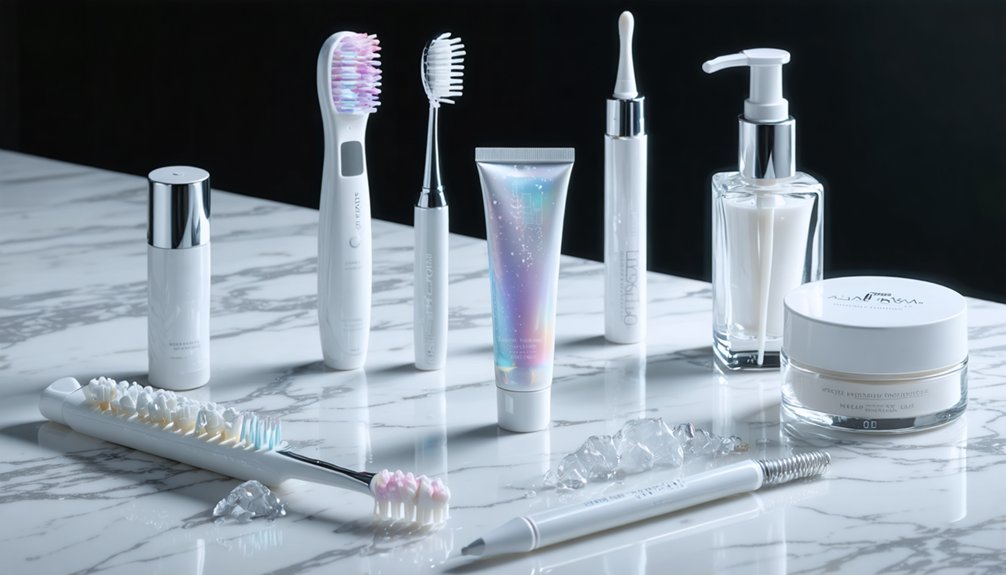
Choosing the right whitening product makes a significant difference when your teeth are prone to sensitivity. You’ll find the most reliable results with low-concentration peroxide strips, such as those containing 5.25% hydrogen peroxide, or custom-fitted trays using 10%–16% carbamide peroxide gels.
Low-concentration peroxide strips or custom-fitted carbamide trays deliver the most reliable whitening results for sensitive teeth.
These advanced formulations minimize nerve irritation while still delivering measurable whitening. If peroxide triggers discomfort, PAP-based systems offer effective, lower-irritation alternatives.
Sensitive whitening toothpastes featuring potassium nitrate and fluoride support daily maintenance without aggressive bleaching.
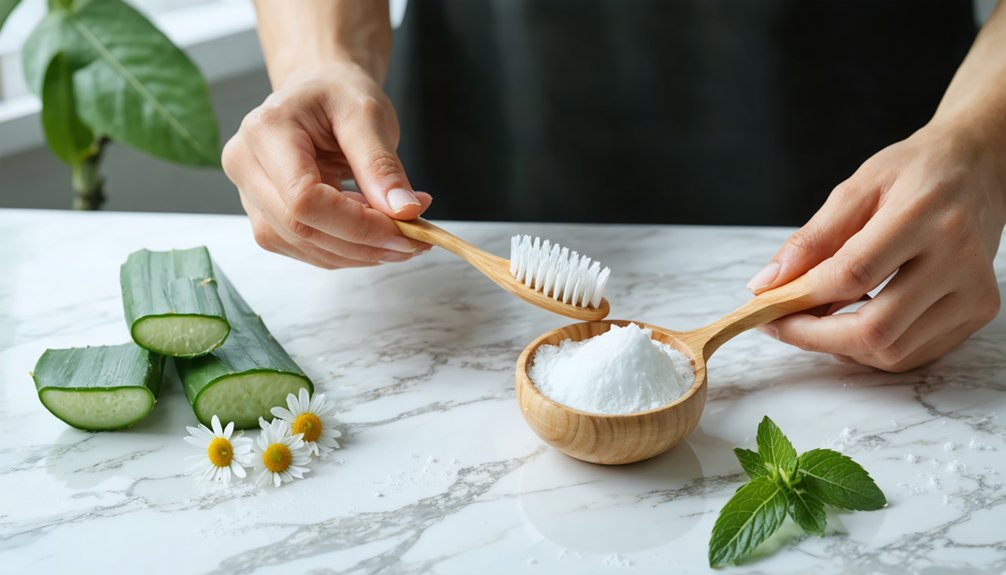
While natural remedies circulate widely online, clinical evidence supporting them remains limited compared to these structured options.
Pairing any regimen with a desensitizing toothpaste before and after treatment gives you greater control over sensitivity responses and improves overall tolerance throughout the whitening process.
How to Apply Each Option Without Causing Sensitivity
Applying each whitening option correctly determines whether your results come with comfort or setbacks.
For strips, apply them only to dry teeth and limit sessions to 30 minutes daily.
With custom trays, fill them conservatively to prevent gel from contacting your gums, and reduce wear time to 30 minutes if sensitivity appears.
Use desensitizing toothpaste two weeks before starting any regimen.
For LED kits, pair mild gels with potassium nitrate formulas and follow session limits strictly.
Alternative application methods, such as PAP-based systems, require consistent but infrequent use to prevent nerve irritation.
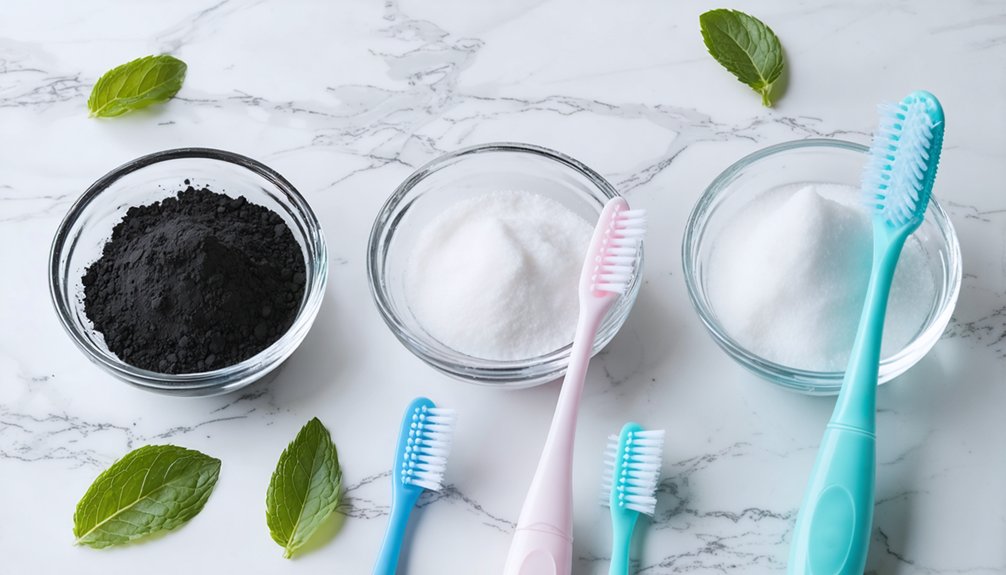
Avoid natural remedies like charcoal or baking soda, as their abrasive properties worsen sensitivity.
Skip acidic foods post-treatment, delay brushing, and incorporate fluoride to reinforce enamel throughout your whitening schedule.
Simple Ways to Reduce Sensitivity While You Whiten
Reducing sensitivity while you whiten starts before you ever open a whitening product. Apply a potassium nitrate toothpaste for two weeks prior to treatment to calm nerve response.
Sensitivity management begins before treatment—two weeks of potassium nitrate toothpaste primes nerves for a smoother whitening experience.
During your whitening course, shorten session times, skip days when discomfort appears, and avoid acidic foods and extreme temperatures post-treatment. Fluoride rinses strengthen enamel between sessions, reducing reactivity.
After whitening, place desensitizing gel in your tray for additional nerve relief.
Some users incorporate ginger remedies and herbal teas as complementary comfort measures, though these don’t replace evidence-based protocols.
Avoid charcoal, baking soda, chlorine dioxide, and sodium chlorite, as these agents aggravate sensitivity.
You control your outcome by following structured schedules, selecting lower-concentration formulas, and responding promptly when early sensitivity signals appear.
Frequently Asked Questions
Can Sensitive Teeth Whitening Methods Work for Teens and Children?
Yes, they can, but you’ll want to consult pediatric dental professionals first. For children and teens, sensitive toothpaste remains the safest starting option, as aggressive whitening methods aren’t typically recommended for developing teeth.
How Long Do Whitening Results Typically Last for People With Sensitive Teeth?
“Rome wasn’t built in a day”—your results typically last six to twelve months. You’ll maintain your shade by using whitening gel touch-ups periodically, avoiding staining foods, and continuing sensitivity-supportive toothpaste for consistent shade maintenance.
Is Teeth Whitening Safe During Pregnancy for Those With Sensitivity Issues?
You should avoid teeth whitening during pregnancy due to unresolved pregnancy safety concerns. With sensitivity concerns already present, peroxide exposure adds unnecessary risk. Dentists consistently recommend postponing all whitening treatments until after delivery and breastfeeding concludes.
Can Gum Disease Affect How Well Sensitive-Friendly Whitening Products Perform?
Gum disease can completely devastate your whitening efficacy. Inflamed or infected gum health compromises how sensitive-friendly products absorb and perform, so you’ll need to treat periodontal issues first before achieving consistent, safe whitening results.
Does Diet Impact How Quickly Teeth Become Discolored After Whitening Treatment?
Yes, diet influence profoundly drives discoloration factors post-whitening. You’ll accelerate staining by consuming coffee, tea, red wine, and acidic foods, which penetrate freshly opened enamel tubules, compromising your whitening results faster than you’d expect.
References
- https://www.forbes.com/sites/forbes-personal-shopper/article/best-whitening-product-for-sensitive-teeth/
- https://www.youroviedodentist.com/best-whitening-options-for-sensitive-teeth/
- https://www.reddit.com/r/beauty/comments/13b8lus/how_to_whiten_extremely_sensitive_teeth/
- https://www.sensodyne.com/en-us/oral-health-tips/whitening-sensitive-teeth/what-to-know/
- https://www.sierrasmiles4u.com/teeth-whitening-for-sensitive-teeth-best-methods-practical-tips/
- https://www.health.com/beauty/best-whitening-products-sensitive-teeth
- https://www.youtube.com/watch?v=Gn6JHl-3wkI
- https://www.purpleplumdentistry.com/post/whitening-gel-sensitive-teeth
- https://shopremi.com/blogs/night-mouth-guard-blog/teeth-whitening-for-sensitive-teeth
- https://serenitydentalbloom.com/blog/teeth-whitening-for-sensitive-teeth