The best home teeth whitening kits depend on your goals, but custom tray-based peroxide systems deliver the strongest clinical results. Opalescence 16% Custom Fit leads for noticeable shade improvement, while Crest 3D Whitestrips Professional Effects handles extrinsic stains reliably. If you have sensitive teeth, Rembrandt’s 1 Week Kit is your safest option. Key factors are peroxide concentration, contact time, and delivery method. Keep going to find the right kit for your specific needs and budget.
Key Takeaways
- Opalescence 16% Custom Fit ranks as the best overall home whitening kit for delivering noticeable, clinically credible shade improvement.
- Crest 3D Whitestrips Professional Effects is a strong second option, effectively targeting mild to moderate extrinsic stains.
- Rembrandt 1 Week Whitening Kit is the top choice for users managing tooth sensitivity during whitening.
- KeySmile delivers visible whitening results after just one use with a simple 10-minute daily routine.
- Pola Light 9.5% provides consistent, measurable results within five days, balancing speed and peroxide efficacy.
Best Home Teeth Whitening Kits in 2026
Whether you’re targeting deep coffee stains or maintaining a recent in-office treatment, the home whitening market in 2026 offers more clinically credible options than ever.
Before committing to DIY Whitening Strategies, it’s worth understanding which product categories deliver measurable results versus marketing hype. Custom tray-based peroxide systems consistently rank highest for significant shade improvement, while strips handle mild to moderate surface staining effectively.
Custom tray peroxide systems lead for real results; strips work well for mild staining.
LED kits offer convenience but don’t outperform peroxide gel alone. Natural Remedies like oil pulling or activated charcoal lack the clinical evidence to match peroxide-based systems.
Your best results come from matching product type to stain severity, sensitivity level, and daily routine demands. The following recommendations reflect 2026 expert-tested rankings and dental guidance to help you make a precise, informed choice.
Which Teeth Whitening System Actually Works Best?
When it comes to measurable shade improvement, not all whitening systems perform equally—and the evidence points clearly toward custom tray-based peroxide systems as the strongest at-home option.
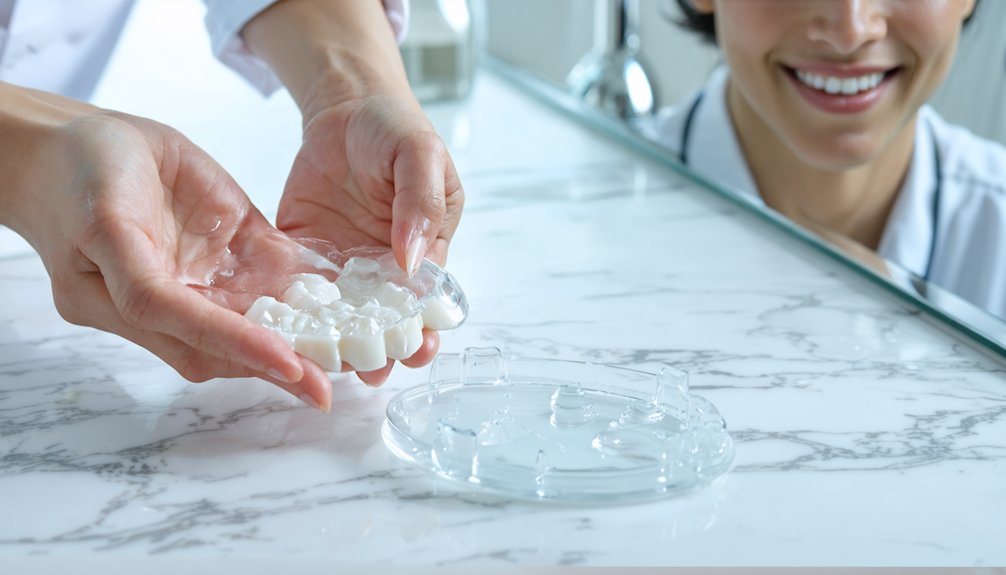
These kits deliver consistent gel contact across tooth surfaces, maximizing peroxide absorption where it counts most.
Whitening strips follow as a reliable second tier, targeting extrinsic stains from coffee, tea, and wine with reasonable predictability.
LED systems add convenience but don’t greatly outperform peroxide alone.
DIY whitening methods and natural whitening alternatives—charcoal, oil pulling, baking soda pastes—lack clinical evidence supporting meaningful shade change.
You’re trading proven chemistry for unverified claims.
If you want genuine control over your results, prioritize hydrogen or carbamide peroxide concentration, contact time, and delivery method.
That’s where outcomes are actually determined.
Best Overall Teeth Whitening Kits: Top Picks Ranked
Narrowing down the best at-home whitening kits means weighing peroxide concentration, delivery method, sensitivity tolerance, and realistic timeline expectations.
Despite popular trends favoring LED devices, clinical evidence consistently positions custom tray-based systems as the strongest at-home category for noticeable shade improvement.
Product comparisons repeatedly confirm that Opalescence 16% Custom Fit and Crest 3D Whitestrips Professional Effects lead their respective categories.
For sensitivity, Rembrandt 1 Week Whitening Kit remains the evidence-backed choice.
If speed matters most, KeySmile and Pola Light 9.5% deliver visible results within days.
For maintenance, whitening toothpaste or pens are sufficient.
Your ideal kit depends on stain severity, sensitivity history, and how quickly you need results—not marketing claims or trending aesthetics.
Best Teeth Whitening Kits for Sensitive Teeth
Sensitivity affects millions of whitening users, and choosing the wrong kit can turn a cosmetic routine into days of discomfort. For effective sensitivity management, prioritize kits using lower-concentration peroxide formulas with shorter wear times.
Good Housekeeping’s 2026 expert testing identified the Rembrandt 1 Week Whitening Kit as the top choice for sensitive teeth. Its gentle formulations minimize irritation without sacrificing noticeable results.
The Crest 3D Whitestrips Sensitive + LED Light kit also performed strongly in People’s 2026 testing, offering a controlled whitening experience with reduced gum contact.
Key selection criteria for sensitive users:
- Lower peroxide concentration reduces pulp irritation
- Shorter application windows limit tissue exposure
- Custom or contoured trays minimize gum contact
If you experience persistent sensitivity, consult your dentist before continuing any whitening protocol.
Fastest Teeth Whitening Kits for Quick Results
Sometimes you need results in days, not weeks. If speed is your priority, short-session LED kits deliver the most convenient options without sacrificing meaningful outcome.
KeySmile produced visible changes after just one use with a 10-minute daily routine, making it one of the fastest-tested kits available. The Pola Light 9.5% LED system similarly yields speedy results within five days of consistent use.
Keep in mind that LED light primarily enhances convenience rather than dramatically amplifying peroxide performance. The peroxide gel itself drives whitening.
For this reason, choose kits combining an effective peroxide concentration with a compact LED format. You’ll gain measurable results quickly while maintaining control over treatment duration and intensity throughout the process.
Hydrogen Peroxide vs. Carbamide Peroxide: Which Works Harder?
Both hydrogen peroxide and carbamide peroxide drive whitening results, but they work at different speeds and concentrations.
Hydrogen peroxide acts faster because it releases oxidizing agents immediately. Carbamide peroxide breaks down more slowly, releasing roughly one-third its concentration as hydrogen peroxide over a longer whitening duration.
Hydrogen peroxide whitens fast; carbamide peroxide works slower, steadily releasing active agents over a longer period.
- Hydrogen peroxide suits shorter sessions; typical peroxide concentration ranges from 3%–10% in OTC products.
- Carbamide peroxide works best in overnight or extended-wear trays, with concentrations commonly between 10%–22%.
- Higher concentration doesn’t always mean better results—gel contact time and application method matter equally.
- Sensitivity risk increases with both agents at higher concentrations; shorter wear times reduce irritation without sacrificing efficacy.
Knowing which agent fits your schedule helps you select the most effective, controlled whitening approach.
Which Teeth Whitening Kit Matches Your Stain Type and Budget?
Matching your whitening kit to your specific stain type and budget isn’t guesswork—it’s a straightforward clinical decision once you understand a few key variables.
Extrinsic stains from coffee, tea, wine, or tobacco respond well to peroxide-based strips or tray systems. Intrinsic discoloration requires longer treatment cycles and higher-concentration carbamide peroxide formulas.
For budget options prioritizing convenience, Crest 3D Whitestrips or Zimba strips handle mild to moderate surface staining effectively.
If your stain type is more persistent, a tray-based system like Opalescence 16% delivers stronger, more consistent gel contact.
Sensitivity concerns shift the decision toward Rembrandt’s gentler formula. You don’t need to overspend—you need to match peroxide concentration and delivery method directly to your stain category and tolerance threshold.
Frequently Asked Questions
How Long Do Teeth Whitening Results Typically Last Before Fading?
Your whitening results typically last three to six months before fading. You’ll extend longevity by managing teeth sensitivity with gentler formulas and controlling whitening frequency to avoid overuse, which can compromise enamel integrity over time.
Can Teeth Whitening Kits Damage Existing Dental Crowns or Veneers?
Surprise — your crown’s already perfect, so whitening kits won’t improve it! They don’t damage crowns or veneers, but you’ll notice color mismatches. Monitor teeth sensitivity closely to protect your overall dental health.
Is It Safe to Use Whitening Kits While Pregnant or Breastfeeding?
Most dentists advise you to avoid whitening kits during pregnancy or breastfeeding due to unresolved safety concerns around peroxide absorption. You should seek dental advice before proceeding, as delaying treatment remains the safest, most controlled option.
How Soon After Whitening Can You Eat or Drink Normally?
Your enamel’s an open door right after whitening—avoid staining foods and drinks for at least 48 hours. Following proper whitening timing and food restrictions maximizes your results and keeps sensitivity minimal.
At What Age Is It Appropriate to Start Using Whitening Kits?
You’re generally an ideal candidate at 18+, once adult teeth fully develop. Younger users risk heightened teeth sensitivity and enamel disruption. Always consult your dentist before starting any whitening regimen to guarantee safe, effective results.
References
- https://www.thehouseofmouth.com.au/best-teeth-whitening-products/
- https://www.goodhousekeeping.com/health-products/g28723133/best-at-home-teeth-whitening-products/
- https://www.youtube.com/watch?v=bb4NrHAt3RY
- https://people.com/best-teeth-whitening-kits-8648182
- https://elegantdentistry.net/best-teeth-whitening-kit-guide-2026-elegant-dentistry/
- https://www.allure.com/story/best-led-teeth-whiteners
- https://nhdentistrybeverlyhills.com/press/6-of-the-best-teeth-whitening-kits-in-the-drugstore/
- https://dentisttreeheights.com/teeth-whitening/best-at-home-teeth-whitening/
- https://www.health.com/beauty/best-whitening-products-sensitive-teeth
- https://www.amazon.com/Best-Sellers-Teeth-Whitening-Products/zgbs/hpc/3778441