Home teeth whitening kits can deliver real results, but you need to match the product to your stain type and dental history. Peroxide-based strips, trays, and LED systems all work through oxidation to break down discolored molecules in your enamel. Budget options start around $20, while dentist-dispensed kits run up to $150. Visible improvement typically takes 3–14 days. If you have restorations, sensitivity, or intrinsic stains, your approach matters even more—and what follows covers everything you need to know.
Key Takeaways
- Home whitening kits range from $20 strip options to $150 dentist-dispensed trays, all capable of delivering clinically meaningful whitening results.
- Most kits use hydrogen or carbamide peroxide gels that penetrate enamel and break down discolored molecules through oxidation.
- Surface stains from coffee, tea, wine, and tobacco respond best, while intrinsic stains from fluorosis or tetracycline resist peroxide treatment.
- Visible results typically appear within 3–7 days, with full whitening achieved after 10–14 days of consistent use.
- Discontinue use and consult a dentist if sensitivity exceeds 48 hours, gums become inflamed, or no improvement appears after two weeks.
Best Home Teeth Whitening Kits for Every Budget
Home teeth whitening kits span four broad price tiers — from $20 budget strips to $150 dentist-dispensed tray systems — so you don’t need to overspend to get clinically meaningful results.
Effective teeth whitening doesn’t require a hefty price tag — clinically meaningful results are achievable across all four budget tiers.
Budget picks like Zimba strips and Crest Whitestrips deliver proven peroxide-based bleaching, dispelling whitening myths that only premium kits work.
Mid-range LED systems, such as Colgate Optic White ComfortFit, add structured routines without unnecessary cost.
Dentist-dispensed options like Opalescence Go offer stronger, controlled formulations for stubborn stains.
Before spending on any tier, dismiss natural remedies like charcoal or oil pulling — evidence doesn’t support them as effective alternatives to peroxide.
Your stain type, sensitivity level, and consistency matter far more than price point when selecting the kit that delivers real, controlled results.
How Do Home Teeth Whitening Kits Actually Work?
When you apply a home whitening kit, the peroxide-based gel penetrates your enamel and breaks apart discolored molecules through an oxidation reaction—this is what actually removes the stain rather than simply masking it.
You’ll get the most reliable results if your discoloration comes from surface stains caused by coffee, tea, wine, or tobacco, since these respond more predictably to peroxide than deeper, intrinsic gray staining does.
Understanding this distinction helps you set realistic expectations before you commit to a kit.
Peroxide Bleaches Enamel Stains
Most home teeth whitening kits rely on one core mechanism: peroxide-based bleaching agents that penetrate enamel to break apart discolored molecules within the tooth.
Either hydrogen peroxide or carbamide peroxide serves as the active compound, with carbamide breaking down into hydrogen peroxide upon contact with saliva.
Peroxide concentration directly determines both whitening speed and sensitivity risk. Higher concentrations work faster but compromise enamel protection if misused or overused.
Lower concentrations require longer treatment cycles but carry reduced irritation risk.
You’ll find most OTC kits formulated between 6% and 22% carbamide peroxide, while dentist-dispensed systems often exceed that range.
Understanding your kit’s exact concentration lets you calibrate wear time precisely, protecting enamel while maximizing the bleaching effect on intrinsic stains.
Best Stains To Target
Peroxide-based bleaching works best against extrinsic stains—the yellow discoloration coffee, tea, red wine, and tobacco deposit on and within enamel over time. These surface-origin stains respond predictably because peroxide molecules penetrate enamel and break apart chromogen compounds directly. Your lifestyle habits largely determine how significant this discoloration becomes and how quickly it returns after treatment.
Gray or intrinsic stains—caused by tetracycline exposure, fluorosis, or trauma—respond far less predictably to OTC formulas. Natural remedies like oil pulling or activated charcoal don’t replicate peroxide’s chemical mechanism and won’t produce comparable results.
If your staining is mainly yellow and extrinsic, you’re working with the most treatment-responsive category. Identifying your stain type before purchasing lets you set accurate expectations and choose an appropriate product.
Strips, Trays, or LED Kits: Which Format Fits Your Goals?
Choosing the right whitening format depends on your specific goals, schedule, and tooth sensitivity.
Strips offer convenience and consistent peroxide contact for surface stains, making them a reliable starting point.
Strips deliver steady peroxide contact and reliable convenience, making them an ideal entry point for tackling surface stains.
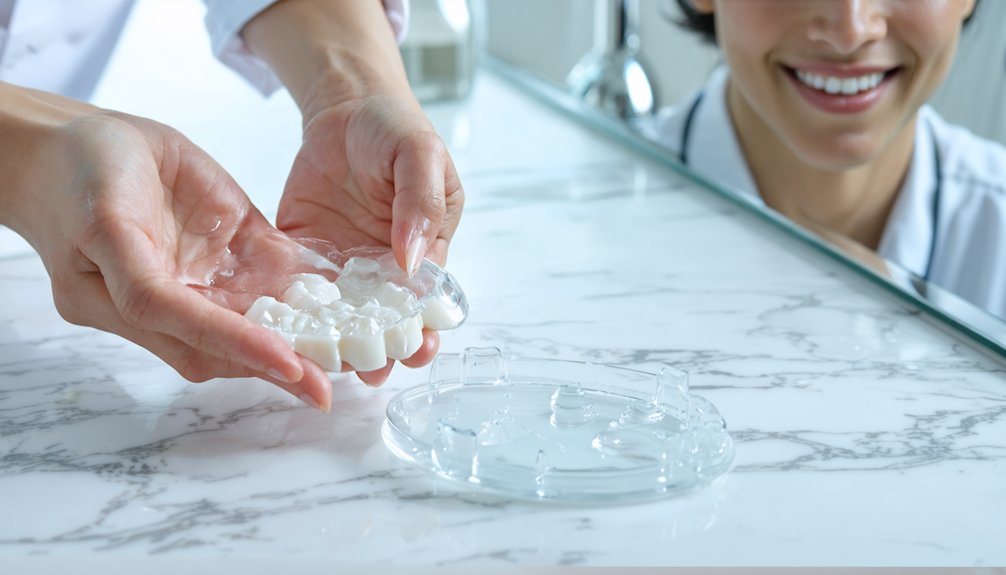
Custom trays deliver broader, more even coverage across each tooth surface, which benefits users targeting uneven discoloration or seeking controlled gel application.
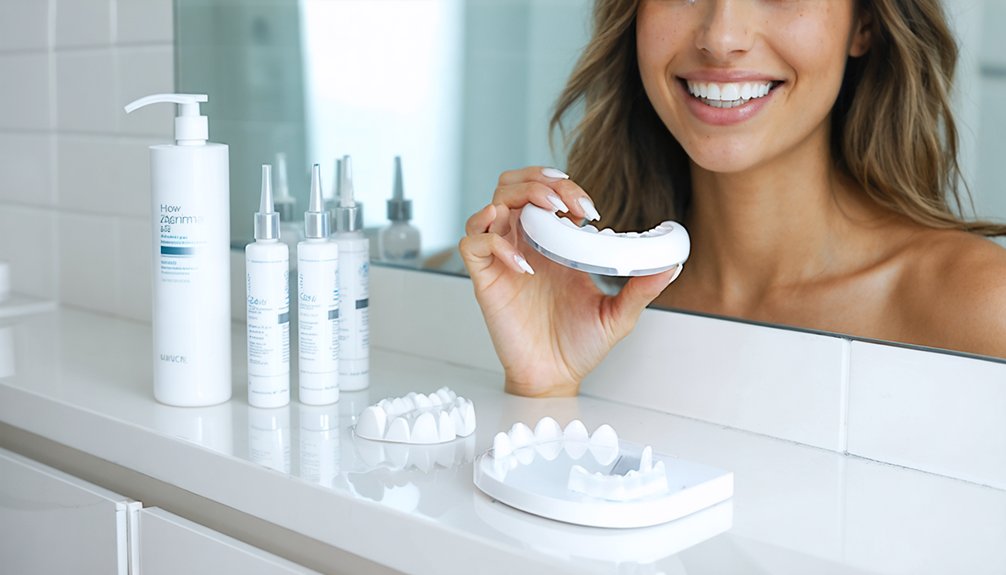
LED devices combine light activation with peroxide gel, supporting a structured routine that appeals to those who prefer a defined protocol.
If you have sensitive teeth, shorter-wear strips or low-concentration tray systems give you more dosage control.
If speed and coverage matter most, custom trays or LED devices typically outperform basic strip formats.
Match the format to your stain type, sensitivity level, and how consistently you’ll commit to the treatment schedule.
The Best Home Teeth Whitening Kits for Sensitive Teeth
Avoid natural remedies and alternative treatments like activated charcoal or oil pulling—evidence doesn’t support their whitening claims, and abrasive options can worsen sensitivity.
Instead, prioritize products explicitly formulated for sensitive teeth, use shorter wear cycles, and space sessions to allow enamel recovery.
If sensitivity persists beyond mild discomfort, stop use immediately and consult a dentist before continuing any whitening protocol.
How to Use a Home Teeth Whitening Kit Without Damaging Your Teeth
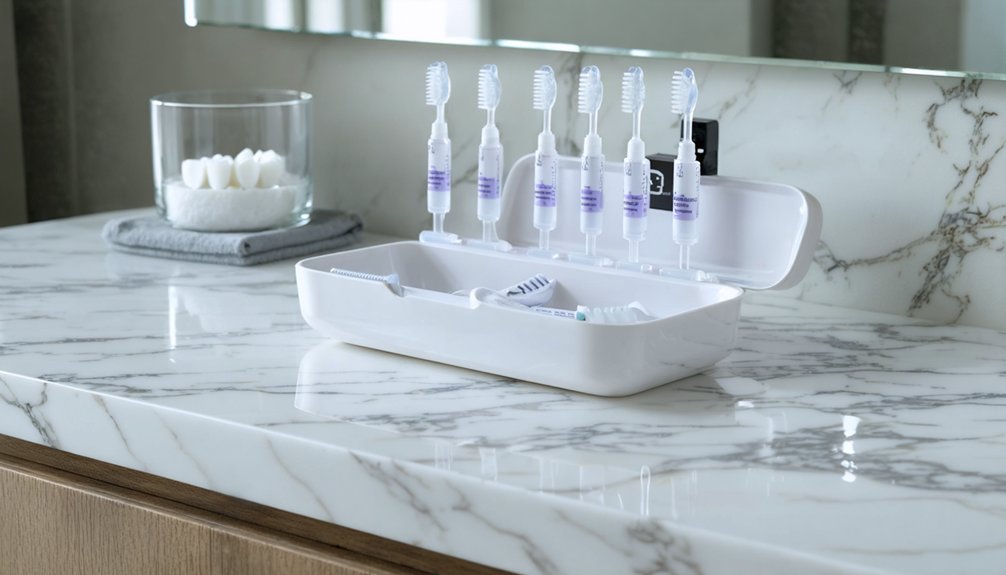
Using a home whitening kit safely starts before you open the box—read the label first, confirm the peroxide concentration, wear time, and any contraindications for gum disease, active cavities, or recent dental work.
Safe home whitening begins before opening the box—read the label, check peroxide levels, and note contraindications.
Brush gently before applying strips or trays so gel contacts enamel evenly. Don’t overfill trays; excess gel irritates gums without accelerating results.
Follow timing instructions exactly—longer wear increases sensitivity risk, not whitening speed.
Dismiss teeth whitening myths suggesting natural remedies like activated charcoal or lemon juice substitute for peroxide-based formulas; evidence doesn’t support them, and some cause enamel erosion.
Stop immediately if you experience persistent sensitivity, sharp pain, or gum irritation, and consult a dentist if symptoms continue.
Consistent, protocol-driven use produces measurable results; deviation from instructions doesn’t.
What Results Can You Realistically Expect?
When using a peroxide-based whitening kit, you can expect visible change within 3 to 7 days if your stains are surface-level—coffee, tea, wine, and tobacco respond most predictably.
Efficacy expectations shift considerably based on stain depth and peroxide concentration. Timeframes for whitening vary, but here’s what evidence supports:
- 3–7 days: Initial lightening of surface stains becomes noticeable.
- 10–14 days: More complete results emerge with consistent use.
- 4–6 shades brighter: Achievable in roughly two weeks using a 35% carbamide peroxide LED kit.
- Gray or intrinsic stains: Respond less predictably—professional intervention may be necessary.
You won’t accelerate results by extending wear time. Consistency and stain type determine outcomes far more than marketing claims suggest.
When Home Whitening Kits Won’t Work and You Need a Dentist
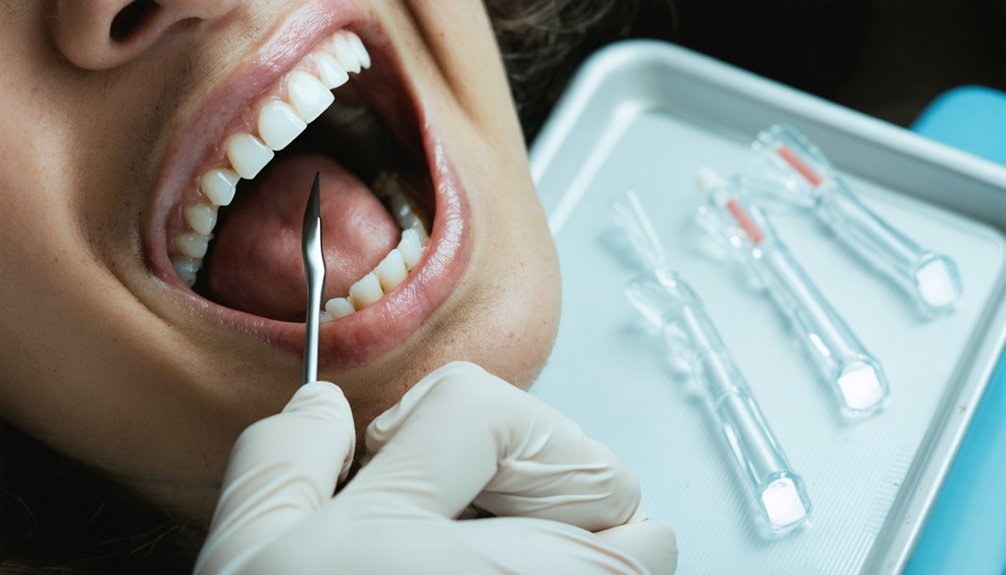
Home whitening kits won’t correct intrinsic stains—discoloration embedded deep within the tooth structure from tetracycline, fluorosis, or trauma—because peroxide can’t reliably penetrate those layers.
If you have crowns, veneers, or bonding, you’ll also notice uneven results, since whitening agents don’t affect dental materials the way they affect natural enamel.
And if you experience persistent sensitivity or gum pain during a whitening course, stop use immediately and see a dentist, as those symptoms can signal underlying issues that need professional evaluation.
Intrinsic Stains Resist Whitening
There’s a category of discoloration that no home whitening kit can reliably fix: intrinsic stains. Unlike surface stains, intrinsic stains originate within the tooth’s structure, making peroxide-based treatments largely ineffective.
You’re likely dealing with intrinsic stains if your enamel discoloration stems from:
- Tetracycline antibiotic exposure during tooth development, which causes gray or brown banding
- Fluorosis, resulting from excessive fluoride intake, producing white spots or brown streaking
- Trauma or nerve damage, causing a single tooth to darken internally
- Developmental defects, including dentinogenesis imperfecta or enamel hypoplasia
In these cases, professional intervention—veneers, bonding, or in-office treatment—is the clinically appropriate path. Continuing to use home kits won’t accelerate results; it’ll only increase sensitivity without addressing the underlying structural cause.
Dental Work Complicates Results
If you have crowns, veneers, bonding, or fillings in visible areas, home whitening kits won’t deliver uniform results—and here’s why: peroxide doesn’t bleach dental restorations. While your natural enamel lightens, existing dental restorations stay the same shade, creating visible contrast and uneven tooth discoloration that worsens your appearance rather than improving it.
This mismatch isn’t fixable with more product or longer wear times. The chemistry simply doesn’t work on porcelain, composite, or ceramic materials.
Your only reliable option is a dentist consultation, where a professional can assess whether whitening your natural teeth first—then replacing restorations to match—makes clinical sense for your situation.
Attempting to work around this limitation with OTC kits wastes money and risks creating a more complicated cosmetic problem.
Persistent Sensitivity Needs Evaluation
Dental work isn’t the only reason a whitening kit can backfire—sensitivity that persists beyond your treatment course is its own warning sign. Identifying your sensitivity triggers early lets you act before damage compounds.
Stop and consult a dentist if you experience:
- Sensitivity lasting more than 48 hours after completing a session
- Sharp, unprovoked tooth pain unrelated to hot or cold exposure
- Gum inflammation or recession that doesn’t resolve within a day
- No improvement after two full weeks, suggesting intrinsic staining that OTC peroxide can’t address
These signs indicate that alternative treatments—professional in-office whitening, bonding, or veneers—may be clinically appropriate.
Continuing home use despite persistent symptoms won’t accelerate results; it’ll escalate risk. Your dentist determines the correct next step.
Frequently Asked Questions
Can Teeth Whitening Kits Expire or Lose Effectiveness Over Time?
Yes, they expire. Peroxide-based formulas lose ingredient stability over time, reducing product shelf life effectiveness. You should always check expiration dates before use; degraded peroxide won’t bleach enamel stains reliably, compromising your whitening outcomes.
Is It Safe to Whiten Teeth While Pregnant or Breastfeeding?
You shouldn’t whiten teeth during pregnancy or while breastfeeding. Pregnancy safety guidelines lack sufficient peroxide studies, and breastfeeding considerations remain unresolved. Consult your dentist before proceeding—postponing whitening until after breastfeeding is the clinically prudent choice.
Do Whitening Kits Work on Dental Veneers, Crowns, or Implants?
Ironically, your whitening kit won’t touch veneers or crowns—peroxide bleaches only natural enamel. Veneer stain removal and crown color matching require professional intervention. You’ll need to consult your dentist to realign restorations with your newly whitened teeth.
How Soon After Whitening Can You Eat or Drink Normally?
Wait at least 30–60 minutes before eating or drinking. You’ll minimize stain recurrence by following a white diet for 24–48 hours post-treatment, since enamel’s porous state intensifies diet restrictions’ impact on your results.
Can Children or Teenagers Safely Use Home Teeth Whitening Kits?
You shouldn’t use home whitening kits on children, and teen whitening carries real risks. Pediatric safety guidelines recommend consulting a dentist first, as developing enamel and sensitive gums make peroxide-based treatments inappropriate without professional supervision.
References
- https://www.forbes.com/sites/forbes-personal-shopper/article/best-teeth-whitening-kit/
- https://www.goodhousekeeping.com/health-products/g28723133/best-at-home-teeth-whitening-products/
- https://fortune.com/article/best-teeth-whitening-kits/
- https://www.drvaksman.com/learn/best-at-home-teeth-whitening-kits-2026/
- https://elegantdentistry.net/best-teeth-whitening-kit-guide-2026-elegant-dentistry/
- https://www.theconsumers.guide/reviews/best-teeth-whitening-kits-home-use-2026
- https://www.amazon.com/Best-Sellers-Teeth-Whitening-Kits/zgbs/hpc/21193191011
- https://www.independent.co.uk/extras/indybest/fashion-beauty/beauty/best-teeth-whitening-gels-powders-strips-b2311665.html
- https://mysmilesteeth.com/blogs/mysmiles-blog/best-at-home-teeth-whitening-kits
- https://www.health.com/condition/oral-health/teeth-whitening-kits