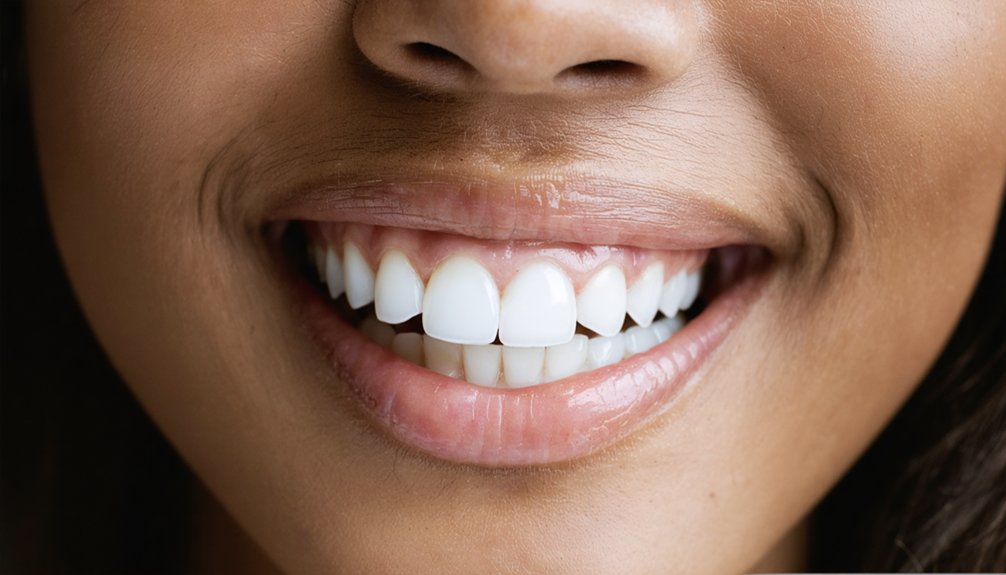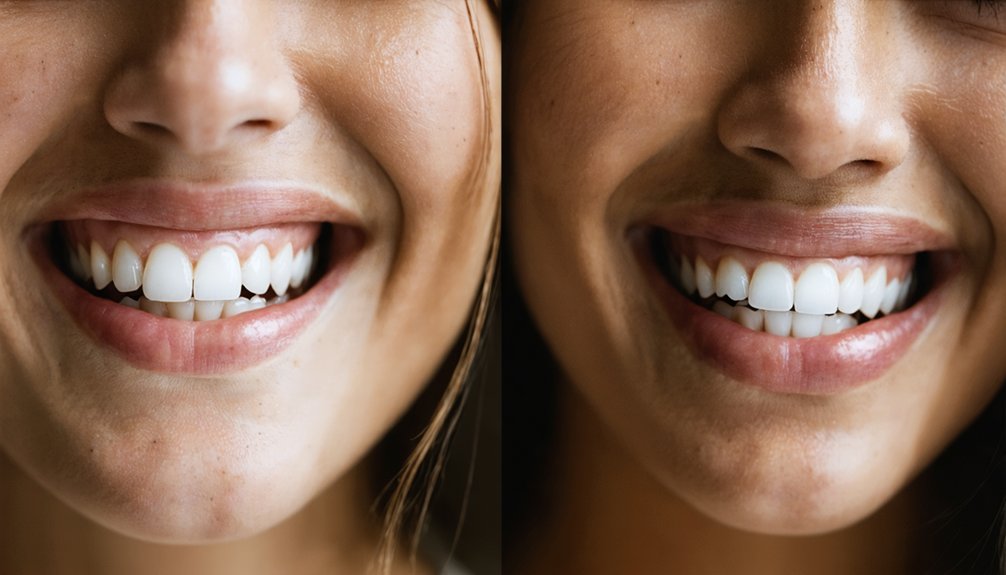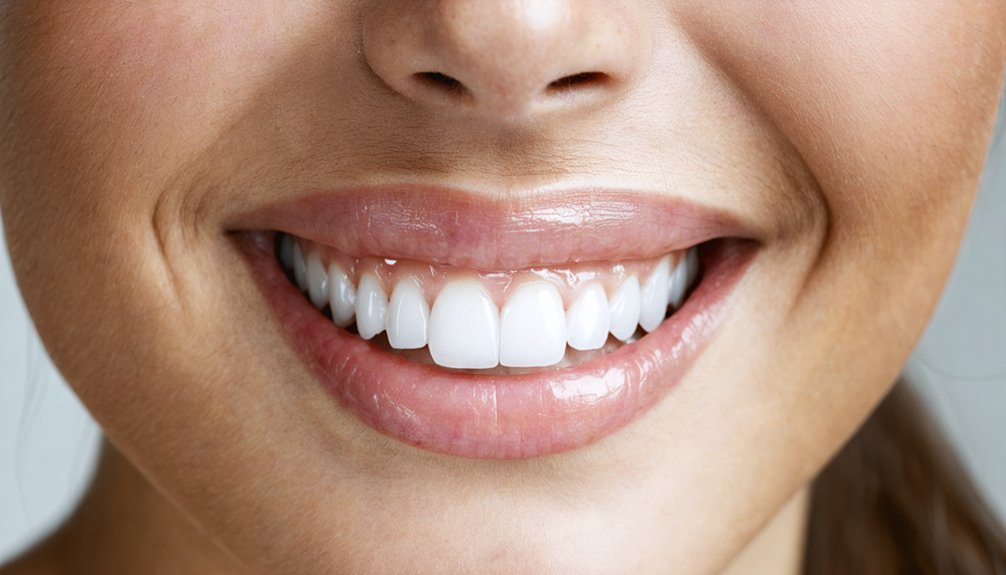
You can expect your teeth to brighten anywhere from 1 to 9+ shades, depending on the whitening method you choose and the types of stains you’re dealing with. Surface stains from coffee, tea, and tobacco respond best, while deep internal stains are harder to shift. Results can last anywhere from a few months to three years with proper care. Keep exploring to discover which method fits your smile goals best.
Key Takeaways
- OTC strips offer 1–3 shades of improvement, while professional in-office treatments can achieve up to 8+ shades in a single session.
- Surface stains from coffee, tea, and tobacco respond better to whitening than deep internal stains from medications or trauma.
- Teeth appear noticeably brighter immediately after treatment, though short-term brightness may slightly decrease within days due to rehydration.
- Whitening results typically last a few months to three years, depending on oral hygiene habits and exposure to staining agents.
- Temporary sensitivity to hot and cold is common post-treatment but usually resolves within a few days.
How Much Whiter Can Teeth Actually Get?
When it comes to teeth whitening, the results vary more than most people expect. Your starting shade, the condition of your tooth enamel, and the method you choose all determine how much lighter your teeth can get.
OTC strips and gels typically deliver one to three shades of improvement, while custom take-home trays can produce three to six shades over several weeks.
In-office treatments often achieve two to eight shades in a single session, with some patients reaching nine or more.
Keep in mind that surface stains respond better than deep discoloration, and buildup like dental plaque can interfere with even product contact.
Choosing the right method gives you direct control over how dramatic your outcome will be.
Why Your Starting Shade Changes Everything
Your starting shade is one of the strongest predictors of how much whitening you’ll actually see. If your teeth are heavily yellowed, you’ll likely notice a more dramatic shift than someone who’s already fairly light—darker teeth simply have more room to improve.
That said, surface stains from coffee, tea, or smoking respond far better to whitening than internal discoloration, which can limit your results no matter how strong the treatment is.
Darker Teeth Whiten More
Starting shade is one of the most important factors in predicting how dramatically teeth whitening will work for you. Higher shade intensity at the outset typically means greater visible change after treatment. Stain depth matters too — surface discoloration responds far better than deep internal staining.
Here’s what this means practically:
- Darker starting shades often show the most dramatic improvement, sometimes reaching 6–8 shades of change with professional treatment.
- Lighter teeth still whiten, but the measurable shift is smaller since there’s less contrast to overcome.
- Stain origin determines your ceiling — coffee, tea, and tobacco stains respond well, while intrinsic discoloration from medications or trauma responds more modestly.
Knowing your baseline gives you realistic, achievable expectations before you begin.
Surface Stains Respond Best
Not all tooth discoloration responds to whitening the same way — surface stains are far easier to lift than discoloration that’s embedded deeper in the tooth structure.
Stains from coffee, tea, red wine, and tobacco sit on or near the enamel surface, making them highly responsive to peroxide-based treatments.
If your discoloration comes from these external sources, you’re in the best position to see dramatic results. However, deeper discoloration — caused by aging, certain medications, or trauma — penetrates beyond the enamel, where whitening agents struggle to reach effectively.
Your enamel health also plays a critical role. Stronger, intact enamel allows whitening agents to work more efficiently, while weakened or eroded enamel can limit results and increase sensitivity.
Knowing your stain type helps you set realistic expectations before starting treatment.
Internal Discoloration Limits Results
While surface stains respond well to whitening treatments, internal discoloration tells a very different story. Internal staining originates beneath the enamel, making it far more resistant to standard whitening agents. Discoloration depth determines how much control you actually have over your outcome.
Three common sources of internal discoloration that limit results:
- Tetracycline antibiotic use — causes deep gray or brown banding that resists most peroxide treatments
- Fluorosis — excessive fluoride exposure during development creates white spots or brown streaks within the tooth structure
- Trauma or nerve damage — a darkened tooth from injury often requires internal bleaching or cosmetic alternatives
Knowing your discoloration type before treatment helps you set realistic expectations and choose the right approach.
Which Stains Respond Best to Teeth Whitening?
The type of stain on your teeth plays a major role in how well whitening treatments will work for you. Surface stains from coffee, tea, red wine, and smoking respond most effectively to peroxide-based whitening. These extrinsic stains sit within the outer enamel layer, where whitening agents can penetrate and break down discoloration efficiently.
Your enamel resilience also influences how aggressively you can treat stains. Stronger enamel typically tolerates higher-concentration treatments better, allowing faster results with less tooth sensitivity.
Internal discoloration from aging, medications, or trauma is far more resistant. Whitening agents struggle to reach deeper structural changes, often producing minimal improvement.
If your stains are extrinsic, you’re in the best position to achieve noticeable, measurable results from whitening.
How Do Different Teeth Whitening Methods Compare?
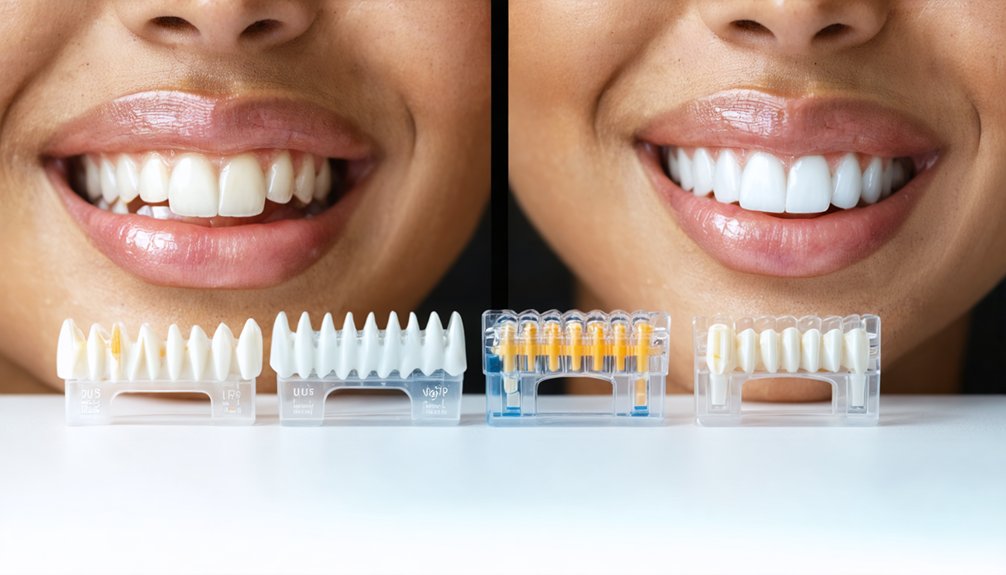
Once you know which stains you’re dealing with, choosing the right whitening method becomes much easier. Each option delivers different results based on concentration of bleaching agents, application time, and your starting shade.
- OTC strips and gels – Expect 1–3 shades of improvement over roughly two weeks with minimal tooth sensitivity risk.
- Custom take-home trays – Dentist-prescribed bleaching agents typically produce 3–6 shades of improvement over several weeks, giving you controlled, measurable progress.
- In-office whitening – A single session can deliver 2–8 shades of change immediately, though mild tooth sensitivity is common afterward.
Your starting shade and stain type ultimately shape your outcome. Matching the method to your specific situation puts you in control of the results you achieve.
Does Professional Teeth Whitening Work Better Than OTC?
Professional whitening consistently outperforms OTC options when speed and shade change matter most. Don’t let dental myths convince you otherwise — the concentration difference is significant.
OTC strips and gels typically deliver 1–3 shades of improvement, while professional systems routinely achieve 2–8 shades, sometimes in a single visit.
Stain removal also runs deeper with professional-grade peroxide. Surface discoloration from coffee, wine, and smoking responds faster under higher-concentration formulas that OTC products simply can’t match legally or chemically.
Custom trays from your dentist bridge the middle ground, producing 3–6 shades over several weeks — still outpacing most store-bought options.
If you want measurable, lasting results rather than gradual modest change, professional treatment gives you far greater control over your outcome.
How Fast Do Teeth Whitening Results Appear?
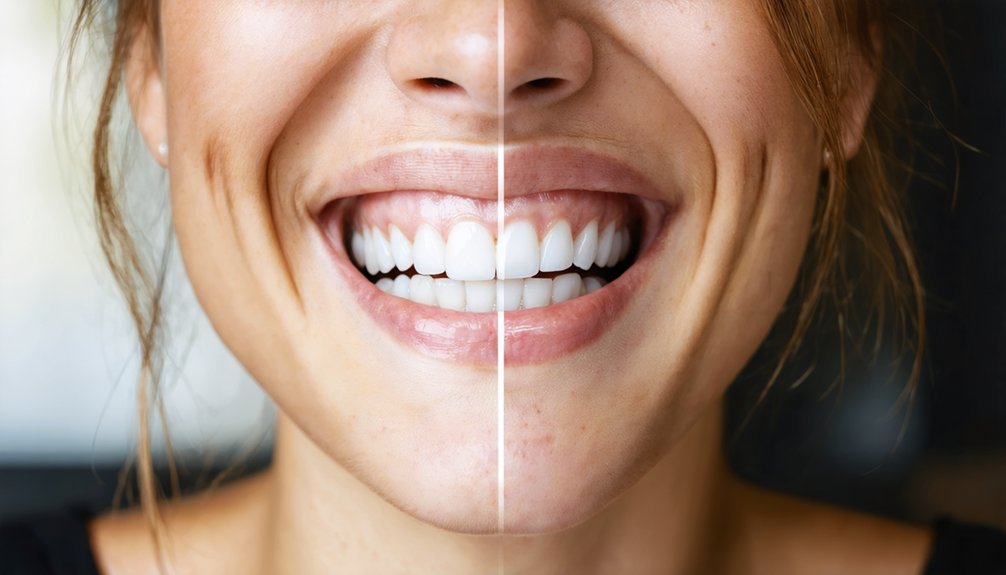
Knowing which method works best means little if you’re unsure when you’ll actually see a difference. Timing depends heavily on the method you choose, and understanding this helps you stay in control of your outcome.
Knowing your timeline is just as important as knowing your method—both put the outcome in your hands.
- In-office whitening delivers results immediately after a single session.
- At-home gel trays can produce noticeable lightening within a few days when used consistently.
- OTC strips and gels typically show visible changes within about two weeks.
Keep in mind that dental plaque buildup can mask whitening progress, so maintaining clean teeth throughout treatment matters. Additionally, pre-existing enamel erosion may cause uneven results or increased sensitivity.
Choosing the right method for your timeline puts the outcome firmly in your hands.
What Should You Expect in the First Week After Whitening?
The first week after whitening brings both visible results and a few short-term adjustments worth knowing about. Your teeth will appear noticeably brighter, but some brightness loss can occur within the first few days as teeth rehydrate. This is normal and doesn’t signal treatment failure.
Tooth sensitivity is another common experience during this period. You may notice heightened reactions to cold or hot temperatures, typically resolving within a few days. Using a sensitivity-formulated toothpaste helps manage this effectively.
Stain prevention becomes critical immediately after treatment. Your enamel is more porous right after whitening, making it especially vulnerable to discoloration from coffee, tea, red wine, and tobacco. Avoiding these substances during the first week protects your results and extends how long your improved shade lasts.
How Long Do Teeth Whitening Results Last?
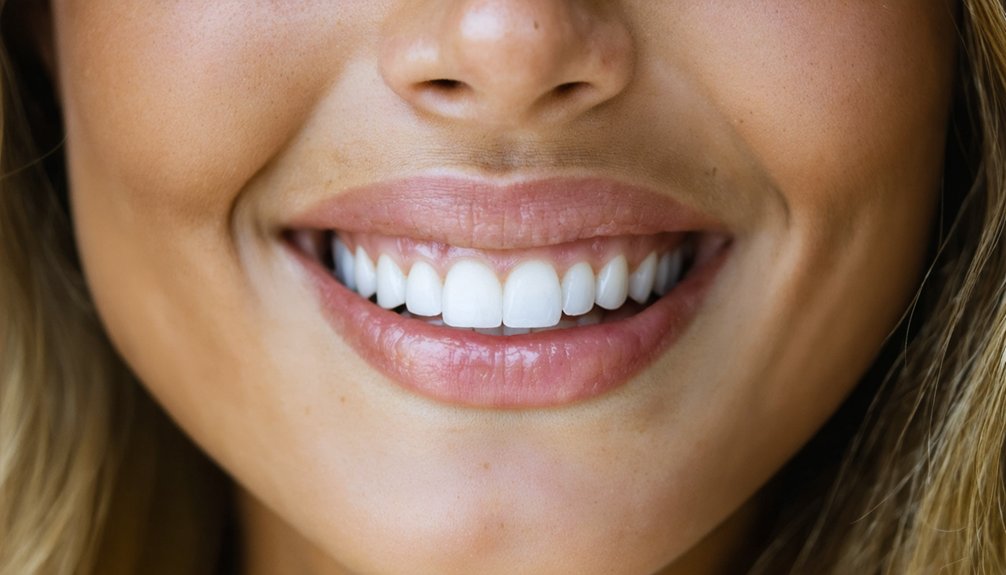
Teeth whitening results aren’t permanent, but you can typically expect visible improvement to last anywhere from a few months to around three years, depending on how well you maintain your smile.
Factors like your diet, smoking habits, and oral hygiene routine play a significant role in how quickly your teeth lose their brighter shade.
Typical Whitening Duration
How long your whitening results last depends on the method used, your habits, and whether you commit to maintenance. Forget teeth whitening myths suggesting results are permanent—fading is inevitable without upkeep. Natural whitening remedies offer little help in preserving professional results.
Here’s a realistic breakdown:
- Short-term fading – Some brightness loss can occur within the first 4–6 weeks, especially if you consume staining foods or drinks regularly.
- Mid-range retention – Many people maintain visible improvement for 6–12 months following professional whitening with proper care.
- Long-term results – With dentist-guided treatment and consistent maintenance, effects can last up to 3 years.
You control how long results last by managing exposure to staining agents and scheduling timely touch-ups.
Factors Affecting Longevity
While whitening results aren’t permanent, how long they last largely depends on choices you make every day. Consistent dental hygiene—brushing, flossing, and routine cleanings—removes surface stains before they embed and dull your results.
Protecting enamel health matters equally; weakened enamel absorbs staining compounds faster, accelerating fade.
Your dietary habits play a direct role. Coffee, tea, wine, and tobacco are the primary culprits that shorten whitening longevity. Limiting exposure or rinsing promptly after consumption gives you measurable control over how long your results hold.
Most people maintain visible improvement for 6–12 months after professional whitening, with some retaining results up to three years under ideal conditions.
Periodic touch-up treatments keep your shade consistent and prevent gradual regression from undoing your initial investment.
Maintaining Your Results
Knowing what affects your results is only half the equation—understanding how to actively preserve them determines whether your investment holds for months or years. Strong dental hygiene and protecting enamel health give you direct control over how long your results last.
- Limit staining foods and drinks — Coffee, tea, wine, and smoking accelerate fading; reducing exposure keeps your shade lighter longer.
- Use touch-up treatments — Periodic at-home gel applications help you maintain your target shade before significant regression occurs.
- Prioritize consistent dental hygiene — Brushing, flossing, and regular cleanings remove surface buildup that dulls enamel health and undermines whitening results.
Without maintenance, fading can begin within four to six weeks. With it, visible improvement can last six months to three years.
What Makes Teeth Whitening Results Fade Faster?

Teeth whitening results don’t last forever, and certain habits speed up the fading process markedly. Consuming coffee, tea, red wine, and tobacco are the primary culprits, reintroducing stains almost immediately after treatment. Your dental hygiene routine also plays a direct role — inconsistent brushing and skipping regular cleanings allow surface discoloration to rebuild faster.
Acidic foods and drinks erode enamel, making teeth more porous and vulnerable to staining. If you experience tooth sensitivity post-treatment, it signals that enamel is temporarily compromised, meaning staining agents penetrate more easily during that window.
You control how long your results last. Limiting staining substances, maintaining strong dental hygiene habits, and scheduling timely touch-ups give you the best chance of preserving your lighter shade considerably longer.
How Do You Keep Your Teeth White After Treatment?
Once your whitening treatment is complete, what you eat and drink plays a major role in how long your results last. You’ll want to limit coffee, tea, red wine, and other staining foods and beverages, especially in the days immediately following treatment when teeth are most vulnerable.
Scheduling regular maintenance touch-ups, whether through dentist-prescribed trays or periodic in-office visits, helps you preserve that lighter shade well beyond the initial treatment window.
Limit Staining Foods
How long your whitening results last depends largely on what you eat and drink after treatment. Dietary impacts are real—staining foods and drinks actively work against your investment.
Strong oral hygiene helps, but limiting exposure to pigment-rich substances gives you greater control over how long your results stay visible.
The three biggest offenders to minimize:
- Coffee, tea, and red wine – These contain tannins that bind to enamel and accelerate discoloration.
- Tomato-based sauces and berries – Deep pigments in acidic foods stain teeth faster after whitening.
- Tobacco products – Smoking or chewing tobacco produces some of the most stubborn, rapid staining possible.
Cutting back on these gives your results a markedly longer lifespan.
Schedule Maintenance Touch-Ups
Limiting staining foods buys you time, but it won’t hold your results indefinitely on its own. Shade stability requires active maintenance, not passive avoidance.
Most professional whitening results begin fading within weeks without follow-up care, and many patients retain visible improvement for only six to twelve months before touch-ups become necessary.
Schedule periodic maintenance sessions with your dentist, or use dentist-recommended at-home trays to extend your results. If you experience dental sensitivity during touch-ups, space sessions further apart or use a lower-concentration formula.
Sensitivity doesn’t mean you must stop—it means you adjust.
Taking control of your whitening schedule keeps you ahead of fading rather than reacting to it.
Consistency is what separates sustained results from a one-time outcome.
Frequently Asked Questions
Can Teeth Whitening Damage Your Enamel or Cause Long-Term Harm?
When used correctly, teeth whitening won’t cause lasting harm. You may experience temporary tooth sensitivity, but enamel erosion is unlikely with approved products. Stick to recommended guidelines, and you’ll protect your smile effectively.
Is Teeth Whitening Safe During Pregnancy or Breastfeeding?
“Better safe than sorry” — you should avoid whitening during pregnancy. Pregnancy safety concerns and breastfeeding considerations mean dentists typically recommend waiting. You’re in control — simply pause treatment until after you’ve finished breastfeeding.
Are Whitening Results Different for Crowns, Veneers, or Dental Implants?
Whitening won’t change crowns, veneers, or implants—these artificial restorations don’t respond like natural teeth do. You’ll notice a cosmetic vs. restorative mismatch, so whiten your natural teeth first, then match artificial replacements to your new shade.
Can People With Sensitive Teeth Still Safely Use Whitening Products?
Like a flame turned low to protect delicate wood, you can still whiten safely with sensitive teeth — choose gentler formulas to balance tooth sensitivity without sacrificing whitening effectiveness.
Does Teeth Whitening Work Differently on Children or Younger Patients?
Whitening affects younger patients differently because tooth development and dental maturity aren’t complete yet. You should wait until your teeth fully mature before whitening, as immature enamel’s larger pulp chambers increase sensitivity risks considerably.
References
- https://pmc.ncbi.nlm.nih.gov/articles/PMC4058574/
- https://www.suttonpda.com/teeth-whitening-results/
- https://health.clevelandclinic.org/is-teeth-whitening-safe
- https://dentalpedia.co/article/teeth-whitening-results-complete-guide.html
- https://www.nhs.uk/tests-and-treatments/teeth-whitening/
- https://www.advancedsmilesmarion.com/resources/teeth-whitening-before-after
- https://pmc.ncbi.nlm.nih.gov/articles/PMC10302806/
- https://www.yourdentistryguide.com/teeth-whitening/
- https://www.makeover.so/blog/dental/teeth-whitening-before-and-after
- https://pubmed.ncbi.nlm.nih.gov/12167948/