If you’re looking for natural teeth whitening that’s both effective and eco-conscious, you’ve got solid options. Tom’s of Maine, Hello Naturally, and Lumineux Oral Essentials lead with clean, non-toxic formulations using ingredients like coconut oil, baking soda, and activated charcoal. You’ll want to prioritize brands with cruelty-free certifications, recyclable packaging, and transparent ingredient lists free from SLS and harsh peroxides. There’s much more to uncover about choosing the right formula for your smile and the planet.
Key Takeaways
- Tom’s of Maine Botanically Bright and Hello Naturally Whitening Toothpaste offer fluoride-free, SLS-free formulas ideal for eco-conscious consumers.
- Lumineux Oral Essentials Whitening Strips use coconut oil, sage oil, and sea salt, providing a peroxide-free, natural whitening option.
- Look for products with USDA Organic, cruelty-free, or non-toxic certifications to verify genuine eco-friendly and natural claims.
- Prioritize brands using biodegradable ingredients like baking soda and activated charcoal, paired with recyclable or sustainable packaging solutions.
- Avoid formulas containing SLS, artificial dyes, or harsh peroxides; instead choose transparently sourced, clinically supported natural whitening products.
Best Natural Teeth Whitening Brands You Can Buy Right Now
With so many whitening products flooding the market, finding brands that prioritize both your health and the environment can feel overwhelming.
Fortunately, several companies have built their reputations on eco-friendly alternatives that deliver real results without harmful chemicals.
Tom’s of Maine Botanically Bright uses purified silica and botanicals in a fluoride-free formula.
Hello Naturally Whitening Toothpaste eliminates both fluoride and SLS while maintaining effective daily whitening.
Lumineux Oral Essentials Whitening Strips harness coconut oil, sage oil, and sea salt — no peroxides needed.
Dr. Brite’s mouthwash combines activated charcoal, aloe vera, and vitamin C for targeted brightening.
These brands embrace sustainable practices through biodegradable ingredients, recyclable packaging, and cruelty-free certifications — giving you complete control over what enters your body and impacts your ecosystem.
What to Check Before Buying a Natural Whitening Product
Before spending money on a natural whitening product, you’ll want to scrutinize the ingredient list carefully. Ingredient transparency matters because hidden synthetic additives can undermine both your health and environmental goals.
Look for formulas free from SLS, artificial dyes, and harsh peroxides unless plant-derived.
Prioritize product certifications like USDA Organic, cruelty-free, or non-toxic labels, as these signal third-party verification rather than self-reported marketing claims.
Check whether active agents like activated charcoal, baking soda, or coconut oil are sustainably sourced. Confirm the packaging is recyclable or biodegradable.
Research the brand’s clinical evidence or dentist endorsements before committing. If a product relies solely on vague “natural” claims without substantiated results, keep looking.
You deserve complete clarity before making any purchase.
Key Ingredients That Actually Whiten Teeth Naturally
Once you understand what to look for on a label, the next step is knowing which ingredients deliver real whitening results without compromising your body’s natural chemistry.
Each ingredient below works through a distinct, biocompatible mechanism.
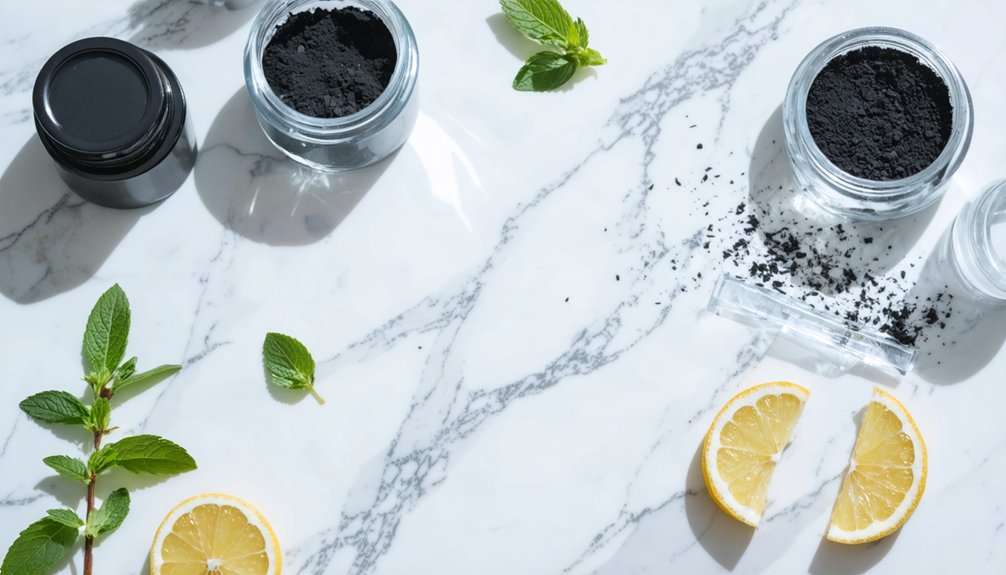
Activated charcoal binds to surface stains and toxins, lifting discoloration without harsh abrasives. It’s most effective as a periodic treatment rather than daily use.
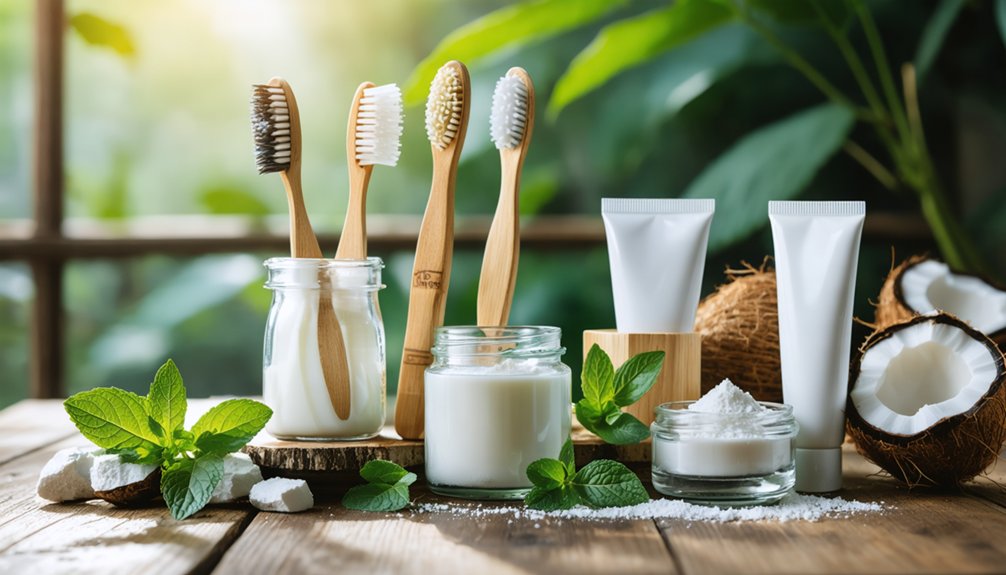
Coconut oil disrupts bacterial membranes through oil pulling, reducing plaque buildup that contributes to yellowing.
Baking soda gently polishes enamel using mild alkalinity, neutralizing acids while removing stains.
Hydrogen peroxide, in low concentrations, oxidizes chromogenic compounds embedded in enamel.
Xylitol doesn’t whiten directly but inhibits cavity-causing bacteria, preserving enamel integrity over time.
Knowing what each ingredient does puts you in control of your results.
Whitening Strips, Powders, or Toothpaste: Which Format Works Best?
Choosing the right format depends on how your teeth respond to different delivery mechanisms and how deeply stained they are. Strips’ convenience makes them ideal for targeted, prolonged contact with enamel, allowing plant-based oils and natural acids to penetrate surface discoloration effectively.
The right whitening format hinges on your stain depth and how well your enamel responds to each delivery method.
Lumineux’s peroxide-free strips demonstrate that you don’t need harsh chemicals for measurable results.
Powder effectiveness suits you if you’re dealing with stubborn surface stains, since activated charcoal and baking soda physically polish debris without synthetic additives. However, use powders sparingly to protect enamel integrity.
Daily whitening toothpastes offer the gentlest approach, delivering consistent low-level treatment with each brush.
If you want extensive results, rotate formats strategically — strips for deeper treatment, powder weekly, and natural toothpaste daily — letting each method address a distinct layer of discoloration.
Natural Teeth Whitening Products That Are Genuinely Eco-Friendly
When sustainability matters as much as your smile, the brands you choose should reflect both values equally. Genuinely eco-friendly whitening products combine sustainable sourcing with non-toxic formulations that protect both your body and the planet.
Look for certifications confirming cruelty-free options, biodegradable ingredients like baking soda and activated charcoal, and recyclable packaging. Tom’s of Maine uses botanically sourced silica, while Hello and Lumineux avoid SLS, fluoride, and synthetic additives that burden ecosystems.
Ingredients matter holistically. Coconut oil, sage, and lemon peel oil deliver whitening benefits without harsh chemicals entering your bloodstream or waterways. Dr. Brite’s mouthwash pairs organic coconut oil with vitamin C for biocompatible brightening.
You’re not just choosing whiter teeth — you’re choosing accountability. Select brands whose supply chains and formulas you can actually verify.
Frequently Asked Questions
Can Natural Teeth Whitening Products Damage Tooth Enamel Over Time?
Most natural whitening products won’t cause enamel erosion when you choose wisely. Prioritize ingredient safety by selecting fluoride-free, non-acidic formulas like activated charcoal or coconut oil options, which offer biocompatible, evidence-based whitening without compromising your enamel’s integrity.
How Long Does It Take to See Results From Natural Whitening?
You’ll typically see results from natural ingredients in 2–4 weeks with consistent use. Whitening effectiveness varies by product, but daily application of options like charcoal or coconut oil helps you achieve gradual, enamel-safe brightening holistically.
Are Natural Whitening Products Safe for People With Sensitive Teeth?
Over 40% of users report fewer sensitivity reactions with natural formulas. You’ll find fluoride-free, SLS-free options like Hello and Lumineux prioritize ingredient safety, making them biocompatible choices that actively protect your sensitive teeth while delivering gentle, evidence-based whitening results.
Can Pregnant Women Safely Use Natural Teeth Whitening Products?
You should consult your doctor before using natural teeth whitening products due to pregnancy safety concerns. Even natural formulas raise ingredient concerns, so you’ll want evidence-based guidance to guarantee you’re choosing biocompatible, holistic options that protect you and your baby.
Do Natural Whitening Products Work on Crowns or Veneers?
Natural whitening products won’t change your crowns’ or veneers’ color since they’re made from porcelain or resin. For crowns longevity and veneers maintenance, you’ll want gentle, biocompatible formulas that prevent staining surrounding natural teeth instead.
References
- https://www.mindbodygreen.com/articles/the-best-natural-and-nontoxic-teeth-brightening-products
- https://dentalsolutionsofcp.com/blog/eco-friendly-teeth-whitening-is-it-possible/
- https://www.goodhousekeeping.com/health-products/g28723133/best-at-home-teeth-whitening-products/
- https://www.healthline.com/health/dental-and-oral-health/best-teeth-whitening
- https://wayzatadental.com/natural-organic-teeth-whitening/
- https://www.prettyorganicgirl.com/teeth-whitening