When whitening teeth while on medication, you’ll need to consult your dentist first to evaluate drug interactions and customize your treatment plan. Choose peroxide-based products, as hydrogen peroxide achieves superior color change (ΔE = 9.6), though carbamide peroxide causes fewer adverse effects. If you’re experiencing medication-related sensitivity, consider non-peroxide alternatives like bromelain or PAP, which provide comparable results without oxidation. Professional treatments deliver ideal outcomes, but you’ll find effective home-based options with proper supervision and adherence to recommended protocols.
Key Takeaways
- Consult your dentist first to evaluate medication interactions and determine safe whitening candidacy for your specific situation.
- Choose 10% carbamide peroxide products with ADA seal, which cause fewer adverse effects than hydrogen peroxide formulations.
- Consider non-peroxide alternatives like PAP or bromelain if medications cause sensitivity, offering effective whitening without oxidation.
- Use desensitizing toothpaste and remineralization treatments to manage tooth sensitivity from peroxide penetrating the dentin layer.
- Opt for custom trays to minimize gum irritation and prevent bleaching agent leakage onto sensitive soft tissues.
Consult Your Dentist Before Starting Any Whitening Treatment
When considering teeth whitening while on medication, consulting your dentist isn’t optional—it’s compulsory for achieving safe, effective results. Your dentist will examine your teeth to identify underlying issues like decay or damaged enamel that require treatment before whitening. They’ll evaluate medication interactions that could affect treatment outcomes or cause complications.
Medical clearance guarantees your current prescriptions won’t interfere with whitening agents or exacerbate sensitivity. The consultation determines your candidacy through thorough assessment of gum health, existing restorations, and stain severity. Your dentist customizes a treatment plan addressing your specific medications and dental history.
They’ll apply protective barriers and select appropriate peroxide concentrations that won’t compromise your oral health. Professional supervision prevents enamel erosion and verifies controlled application, delivering results 3-8 shades whiter while maintaining safety protocols aligned with ADA recommendations.
Choose Peroxide-Based Products for Maximum Color Change
When selecting whitening products while on medication, peroxide-based formulations consistently outperform alternative agents in clinical studies, with 6% hydrogen peroxide solutions demonstrating superior color change (ΔE = 9.6) compared to non-peroxide competitors.
You’ll need to balance concentration levels between home-use products (3-9%) and professional treatments (up to 40%), as higher percentages accelerate results but increase the likelihood of adverse effects. Understanding that 43-80% of users experience temporary tooth sensitivity allows you to implement preventive strategies while maximizing the oxidative whitening benefits that only peroxide-based products can deliver.
Proven Superior Whitening Results
Clinical evidence demonstrates that peroxide-based whitening agents deliver objectively superior color change compared to non-peroxide alternatives. In controlled studies, hydrogen peroxide achieved ΔE = 9.6, the highest color difference among over-the-counter whitening products. While bromelain and PAP remove surface stains effectively, they can’t penetrate enamel for true bleaching—only peroxide-based formulations accomplish this deeper whitening effect.
You’ll find store-bought kits containing up to 10% hydrogen peroxide effective for maximizing whitening power, while professional treatments utilize concentrations up to 40% for superior results. Carbamide peroxide offers comparable efficacy at 37% concentration after multiple sessions, though it requires longer treatment duration. When managing sensitivity levels, carbamide peroxide causes fewer adverse effects than hydrogen peroxide while maintaining therapeutic effectiveness at lower concentrations.
Professional Versus Home Concentrations
Understanding peroxide’s superior efficacy leads directly to concentration selection—the primary factor determining whitening outcomes. Professional formulations deliver 25-40% hydrogen peroxide, achieving up to 8 shades improvement in one 45-minute session through enhanced depth of enamel penetration. Conversely, OTC products contain 3-10% peroxide, requiring weeks of daily application for 3-6 shades lightening.
Your concentration choice determines treatment parameters:
- Professional concentrations (25-40%) penetrate deeply for intrinsic stains, with dentist-applied gum barriers preventing soft tissue damage
- Home formulations (10-16% carbamide peroxide) require extended duration of treatment cycles—2-8 hours daily for multiple weeks
- ADA-sealed products at 10% carbamide peroxide offer supervised efficacy without prescription requirements
You’ll maximize color change while minimizing enamel compromise by selecting appropriate peroxide concentrations matched to your staining severity and medication-induced discoloration patterns.
Managing Temporary Side Effects
Although peroxide-based whitening delivers superior color change results, you’ll encounter predictable temporary side effects that require proactive management strategies. Tooth sensitivity emerges during or immediately after treatment due to peroxide penetration through enamel to the dentin layer, exposing nerves to temperature fluctuations and acidic foods. You’ll experience symptoms lasting 24 to 48 hours, occasionally extending one week before independent resolution.
Implement delayed sensitivity management through desensitizing toothpaste containing potassium nitrate or fluoride applications. Enamel protective remineralization protocols accelerate recovery using calcium phosphate treatments post-whitening.
For gum irritation presenting as redness and swelling, you’ll achieve relief through salt water rinses and topical numbing gels within one to several days. Custom-fitted trays minimize bleaching agent leakage compared to over-the-counter alternatives, reducing soft tissue contact and subsequent irritation severity.
Consider Non-Peroxide Alternatives for Sensitive Teeth
If you experience tooth sensitivity, non-peroxide alternatives offer effective whitening without compromising enamel integrity. Bromelain, a proteolytic enzyme derived from pineapple, breaks down surface protein pellicles to remove extrinsic stains through mechanical action rather than chemical oxidation.
Phthalimidoperoxycaproic acid (PAP) provides comparable whitening results to 6% hydrogen peroxide formulations while maintaining neutral pH levels that prevent demineralization and nerve irritation.
Bromelain: Gentle Stain Removal
Bromelain operates through a distinct proteolytic mechanism that targets peptide bonds within tooth stains, differentiating it from conventional oxidation-based whiteners. This protein-digesting enzyme hydrolyzes discoloration into microscopic particles, achieving a ΔE = 5.3 color change while maintaining enamel integrity. Bromelain based formulas demonstrate non-cytotoxic properties with zero surface alterations in clinical studies.
Clinical advantages for medication-related sensitivity:
- Enzymatic action: Cleaves peptide bonds without oxidative stress, preserving enamel structure
- Active ingredient concentration: Effective stain removal when formulated with calcium carbonate, fluoride agents, and pH-optimized excipients
- Multi-benefit profile: Exhibits antibacterial effects against periodontal pathogens and anti-inflammatory properties
You’ll find bromelain-based products particularly suitable when managing medication-induced tooth sensitivity, as they avoid complications like gingival irritation or increased dentin hypersensitivity common with peroxide systems.
PAP Without Enamel Damage
Professional systems like ALPINE WHITE utilize PAP for in-office applications, providing visible results without gingival burns or post-treatment discomfort.
For medication users managing pre-existing oral sensitivity, PAP represents the evidence-based alternative that balances efficacy with tissue safety.
Start With Professional In-Office Whitening for Best Results
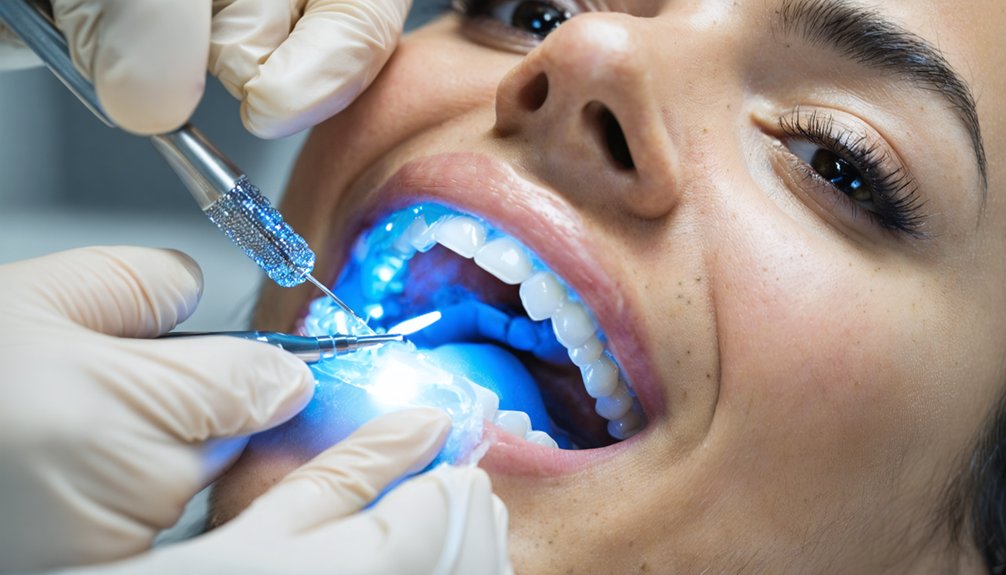
When medications compromise your tooth enamel or cause intrinsic discoloration, in-office whitening delivers the most controlled and effective initial treatment approach. Professional supervision recommendations emphasize this method because your dentist can:
- Assess baseline shade systematically using standardized guides to establish quantifiable improvement benchmarks and select appropriate hydrogen peroxide concentrations for medication-affected teeth.
- Apply protective barriers precisely to safeguard compromised gingival tissues with light-cured resin dams, preventing chemical burns from concentrated bleaching agents.
- Monitor gel application timing through 3-4 controlled cycles of 15-20 minutes each, adjusting exposure based on real-time enamel response.
Following professional treatment, you’ll receive take home whitening kits calibrated to your specific needs. Your dentist applies fluoride post-treatment and provides maintenance protocols while monitoring for sensitivity throughout the stabilization period.
Use Custom Gel-Filled Trays for Faster Home Treatment
Custom-fitted whitening trays filled with professional-strength gel offer accelerated results compared to over-the-counter alternatives, particularly when you’re managing medication-related tooth discoloration. Your dentist creates these precision trays from impressions of your teeth, ensuring ideal gel contact and distribution across all surfaces while minimizing soft tissue exposure.
When loaded with carbamide peroxide concentrations ranging from 10% to 45%, these custom systems typically deliver noticeable whitening within one week and complete results in two weeks with consistent daily use.
Custom Trays Deliver Faster Results
Although over-the-counter whitening products offer convenience, dentist-prescribed custom gel-filled trays provide considerably faster and more uniform results for patients on medication. These customized fittings enable thorough coverage, whitening all natural teeth simultaneously while maintaining full contact throughout comfortable treatment sessions.
The accelerated timeline includes:
- 1-2 hours daily application for ideal gel penetration
- 1-2 weeks to reach your desired shade level
- 3-5 days for initial noticeable whitening in many cases
Higher-strength peroxide concentrations penetrate deeper into enamel, delivering several shades of improvement swiftly. The precise seal prevents gel spillage and guarantees consistent contact across all tooth surfaces. You’ll maintain control over treatment frequency while achieving professional-grade results that outperform diluted over-the-counter formulations greatly.
Carbamide Peroxide Two-Week Effectiveness
The FDA and ADA have approved 10% carbamide peroxide for safe application in home settings, as it minimizes tooth sensitivity and gingival inflammation compared to 37% concentrations.
Your extended contact time between gel and tooth surface enhances bleaching outcomes without increasing surface roughness. When you follow manufacturer protocols for 1-2 weekly applications, you’ll experience noticeable whitening while reducing risks of enamel weakening or chemical irritation that accompany higher-concentration alternatives.
Try Whitening Strips for Convenient Front Teeth Brightening
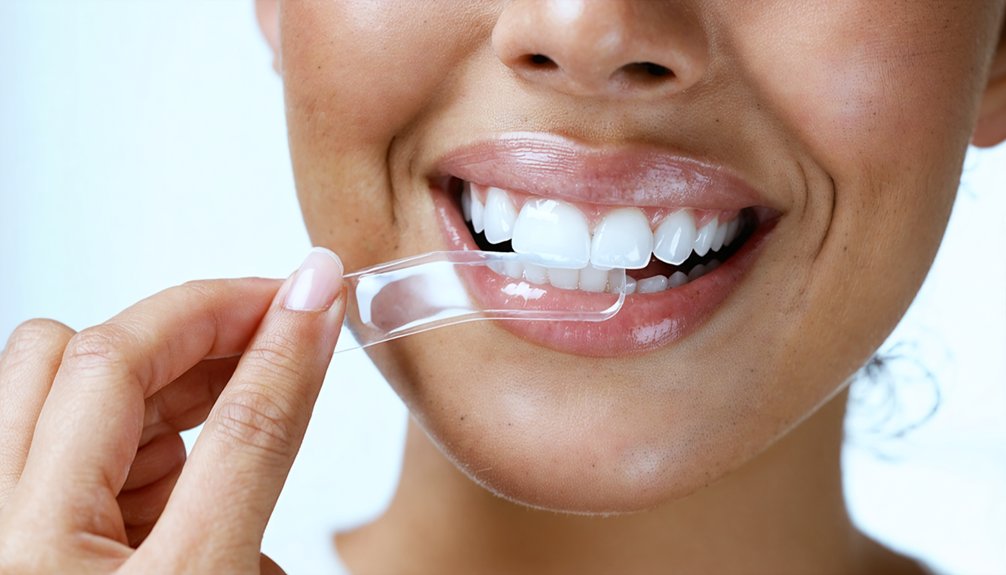
Over-the-counter whitening strips offer a practical evidence-based solution for individuals seeking to brighten teeth affected by medication-induced discoloration. You’ll apply strips containing 6% hydrogen peroxide twice daily for 30 minutes, targeting extrinsic stains through peroxide oxidation while maintaining control over your treatment schedule.
Effective Implementation Protocol:
- Self monitoring whitening requires consistent twice-daily application over 2 weeks, with visible results emerging within days and full effects in 1-2 weeks
- Ongoing maintenance needs involve treatment cycles every 6-12 months, allowing enamel remineralization between applications
- Apply gel-side strips directly to front teeth surfaces for targeted brightening, achieving one to two shade improvements on average
Note that medication-induced intrinsic stains show reduced treatment efficacy. Temporary sensitivity affects 43-80% of users, though adverse events remain limited when following cyclical usage patterns.
Follow Manufacturer Instructions to Minimize Side Effects
When using teeth whitening products during medication therapy, adherence to manufacturer protocols drastically reduces adverse effects while maximizing treatment efficacy. Verify medication compatibility with your whitening system before initiating treatment.
Begin with conservative wear time adjustments—30 minutes for first-time users—then gradually increase duration based on tolerance. Apply precisely 0.5-0.7ml gel per arch, maintaining 1-2mm thickness without overfilling trays. Maintain gel confined to tooth surfaces, avoiding gingival contact that triggers irritation.
For carbamide peroxide systems, observe strict concentration-specific limits: 10-16% formulations require maximum 1-hour sessions, while 20-22% concentrations demand 30-minute restrictions. Remove excess gel immediately upon application.
Document baseline shade measurements and post-treatment comparisons to assess progress objectively. Follow manufacturer-specified desensitization protocols if discomfort emerges, ensuring ideal outcomes without compromising oral health.
Maintain Results With Monthly Touch-Up Treatments
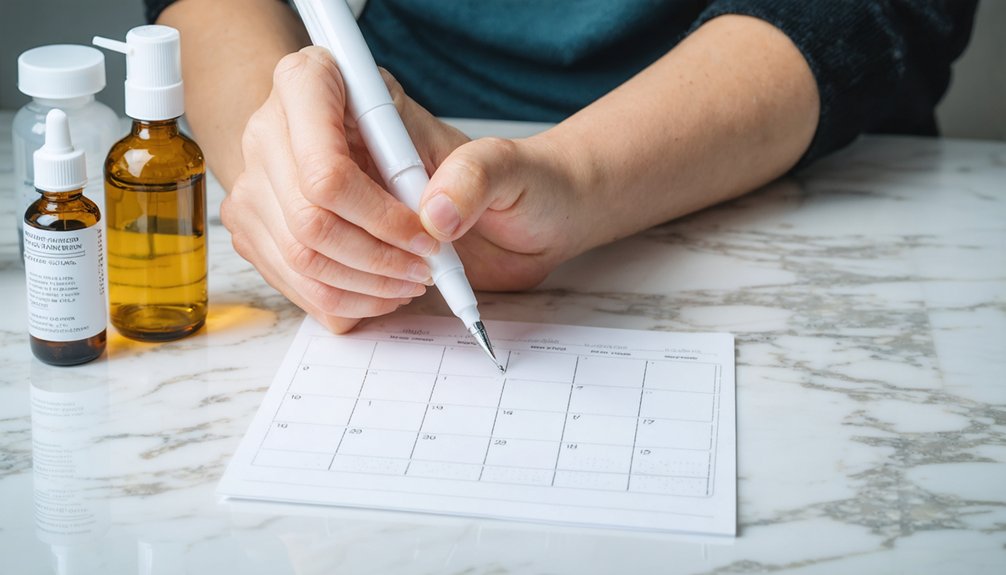
Sustaining ideal whitening outcomes requires strategic maintenance protocols following initial treatment completion. You’ll need a customized touch-up schedule based on your staining habits and medication regimen. Most patients achieve preferred results with monthly touch-up sessions after reaching their desired shade, maximizing whitening durability while managing medication-induced discoloration.
Essential Touch-Up Protocol Components:
- Professional cleanings remove plaque accumulation that attracts new stains, extending intervals between treatments
- Custom take-home trays with professional-grade gel maintain brightness through convenient 10-minute applications
- Whitening toothpaste used 1-2 times weekly prevents yellowing between intensive treatments
Your touch-up frequency depends on medication type, genetics, and consumption of coffee, tea, or tobacco. Paint-on gels offer 3-4 shade improvements over 7-30 days. Consistent maintenance preserves results indefinitely, preventing regression from tetracycline or age-related staining.
Select High Water Content Gels to Prevent Tooth Dehydration
Tooth dehydration represents a considerable complication during whitening treatments, particularly for patients on medications that already compromise oral moisture levels. You’ll minimize this risk by selecting whitening gels containing at least 20% water content, such as Opalescence PF, Go, and Boost formulations. These high-water products prevent the uncomfortable sensitivity that occurs when peroxide-based treatments dry dental structures during extended exposure.
The water component maintains your teeth’s natural hydration while matching saliva’s pH to avoid lower pH balance disruptions in your oral environment. This formulation approach provides lasting hydration throughout treatment and substantially reduces shade relapse post-whitening.
Combined with potassium nitrate and fluoride, these gels offer superior protection compared to standard over-the-counter products that frequently cause dentin exposure and moisture-loss complications.
Plan for Two-Week Treatment Cycles With Home-Based Systems
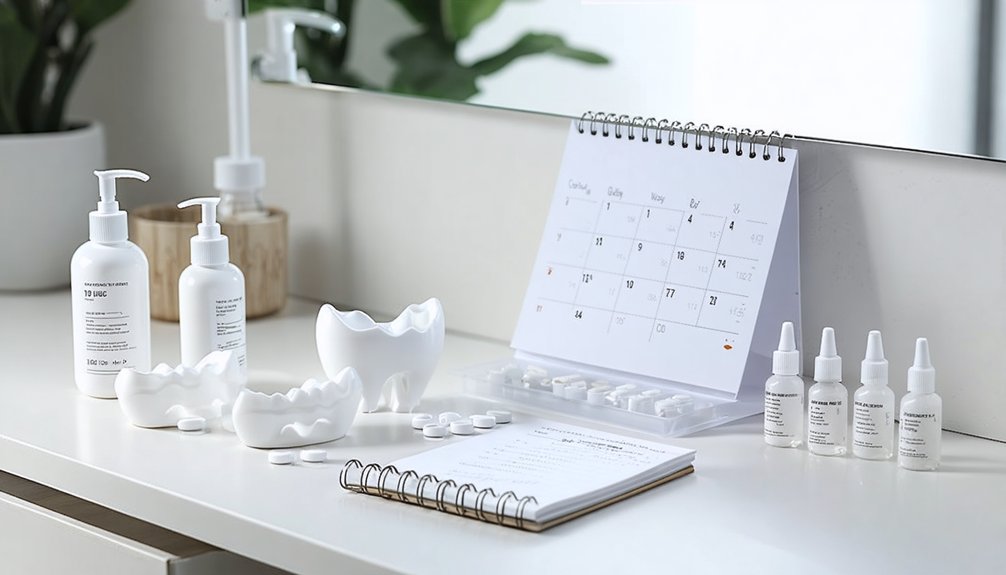
Home-based whitening systems deliver ideal results when you commit to structured two-week treatment cycles, with daily applications ranging from 30 minutes to 10 hours depending on peroxide concentration. Pre medication sensitivity screening determines your suitable protocol—lower concentrations requiring longer wear times minimize discomfort while achieving comparable outcomes.
Your 14-day cycle structure:
- Days 1-5: Apply 10% carbamide peroxide 8-10 hours daily or 6% hydrogen peroxide 30-60 minutes daily for initial brightening
- Days 6-14: Continue consistent application to reach peak whitening, spacing sessions if sensitivity develops
- Post-cycle: Schedule periodic at home maintenance with touch-up gel every 4-6 weeks to sustain results
Limit full treatment cycles to twice yearly, waiting six months between protocols. This disciplined approach balances efficacy with enamel preservation under medication effects.
Frequently Asked Questions
Can Medications Interfere With the Effectiveness of Teeth Whitening Treatments?
Yes, you’ll experience reduced whitening effectiveness due to medication side effects like dry mouth and intrinsic staining. Whitening contraindications include tetracycline discoloration and interactions with heart medications, requiring professional assessment before you proceed with treatment.
Will Whitening Products Damage Dental Crowns, Fillings, or Veneers?
Whitening products won’t compromise your dental restoration integrity when used properly. Standard bleaching agents demonstrate excellent whitening product compatibility with crowns, fillings, and veneers, causing no structural damage. However, they won’t lighten these restorations, potentially creating shade mismatches.
How Long Do Whitening Results Typically Last Before Requiring Touch-Ups?
Your teeth whitening duration typically spans 6 months to 3 years depending on treatment intensity. Stain recurrence timeline varies with your dietary habits and oral hygiene practices. Professional treatments last longer than over-the-counter options, requiring fewer touch-ups.
Are Whitening Toothpastes Effective for Intrinsic Stains or Only Surface Stains?
Whitening toothpastes only address surface stains, not intrinsic discoloration causes beneath enamel. You’ll need professional treatments for medication-related deep stains. Meanwhile, enamel protection methods like fluoride toothpaste help maintain your tooth structure during any whitening regimen.
What Causes Temporary Tooth Sensitivity During Peroxide-Based Whitening Treatments?
Peroxide penetrates through increased enamel permeability, reaching dentin tubules and causing pulp irritation. You’ll experience temporary sensitivity as reactive oxygen molecules trigger nerve responses, particularly with higher concentrations and prolonged application times during your whitening treatment.