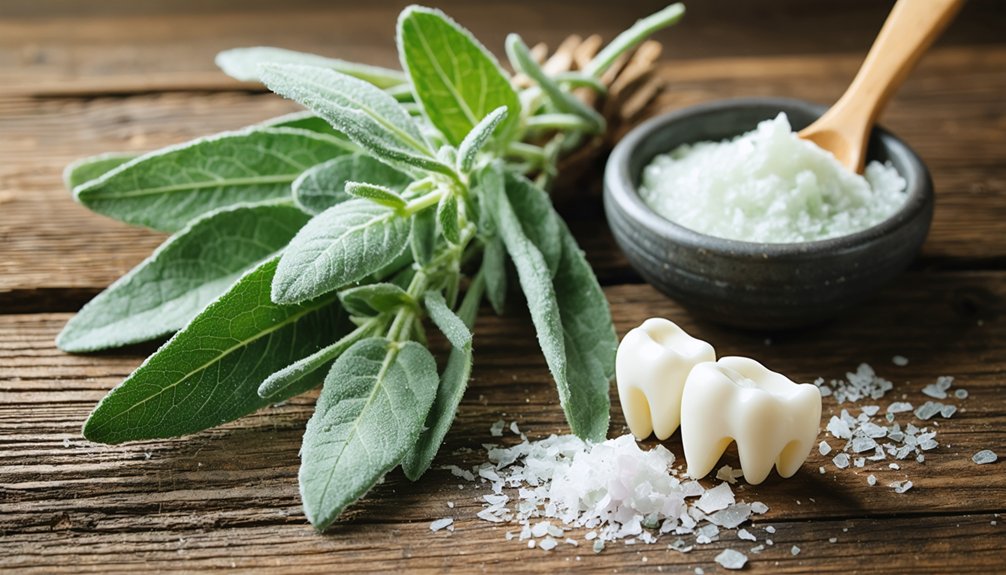
Sage leaves can genuinely whiten your teeth, though not in the way peroxide strips do. Rather than bleaching enamel, sage targets the surface stains and bacterial buildup that dull your smile over time. Its natural antibacterial compounds fight plaque-forming bacteria, while mild astringent properties support healthier gums and fresher breath. Results build gradually over six to eight weeks of consistent use. Stick around to discover exactly how sage works and which methods deliver the best results.
Key Takeaways
- Sage removes surface stains through mild abrasion and antibacterial properties, gradually whitening teeth without harsh chemical bleaching agents like peroxide.
- Active compounds in sage target harmful bacteria like *Streptococcus mutans*, reducing plaque buildup and creating conditions that prevent new stains from forming.
- Visible whitening results typically begin around week four, with the most noticeable improvement achieved between weeks six and eight.
- Sage can be applied as a mouth rinse, tooth powder, toothpaste additive, or by rubbing fresh leaves directly onto teeth.
- Sage is safer for long-term use than peroxide treatments, though overuse of raw leaves may risk mild enamel abrasion.
Does Sage Actually Whiten Teeth or Just Clean Them?
When you hear “teeth whitening,” you might picture peroxide gels or UV lamps—not a humble kitchen herb. But sage deserves a closer look.
As one of the more researched natural remedies in oral care, sage works primarily by removing surface stains and reducing plaque buildup—both of which directly affect how bright your teeth appear.
What Makes Sage Effective Against Surface Stains
Sage works against surface stains through a combination of mild abrasion, antibacterial action, and plaque-reducing compounds—each reinforcing the other. When you use sage, its texture gently loosens biofilm and debris sitting on your enamel without the harshness of synthetic agents. That’s the mild abrasive mechanism at work.
Beyond friction, sage’s natural extracts—including polyphenols, flavonoids, and rosmarinic acid—target the bacteria that drive plaque accumulation. Less plaque means fewer stain-trapping surfaces on your teeth.
Sage’s polyphenols and rosmarinic acid fight plaque-causing bacteria, leaving fewer surfaces where stains can grip and settle.
Like many trusted herbal remedies, sage also delivers astringent properties that tighten gum tissue and reduce inflammation, creating a cleaner oral environment overall.
You’re not getting a chemical bleach effect here. Instead, you’re working with compounds that clean the conditions allowing stains to form and stick.
How Sage Compares to Whitening Strips and Peroxide Treatments
If you’ve ever used whitening strips, you know the difference is immediate—and that’s exactly where sage and peroxide treatments part ways. Peroxide penetrates enamel to bleach from within, delivering fast, visible results.
Sage works differently, targeting surface stains through mild abrasion and antibacterial action.
That slower pace isn’t a flaw—it’s a trade-off you control. With sage cultivation practices prioritizing bioactive compounds like rosmarinic acid and polyphenols, and herbal extraction techniques preserving those active constituents in rinses or pastes, you’re choosing a gentler path that supports gum health and plaque reduction alongside gradual brightening.
Whitening strips carry sensitivity risks and enamel concerns. Sage carries fewer, though overuse still risks abrasion.
If you want meaningful oral health benefits with modest whitening, sage offers a credible, evidence-supported alternative.
How to Use Sage Leaves on Your Teeth
Getting sage from herb to habit takes just a few simple methods, each suited to different routines and comfort levels.
From herb to habit, sage fits seamlessly into any routine with just a few simple methods.
You can steep dried leaves in hot water and use it as a daily mouth rinse, one of the most accessible herbal remedies available.
If you prefer brushing, grind dried sage into powder and apply it with your toothbrush a few times weekly.
You can also mix sage into your existing toothpaste for a gentler approach.
Some people rub fresh leaves directly on their teeth, though formulated products offer more consistency.
Among natural whiteners, sage works best with regular, sustained use rather than quick application.
Choose whichever method fits your routine, and stay consistent to see gradual results.
Which Application Method Delivers the Best Results?
Among all the ways to use sage for your teeth, the method that delivers the best results depends on what you’re targeting.
For surface stains and plaque, a sage powder applied with your toothbrush offers direct contact and mild abrasion.
For gum health and bacterial control, herbal extraction through a steeped mouthwash gives your whole mouth consistent exposure to sage’s active compounds.
Natural remedies like sage-infused rinses show real antimicrobial promise, particularly against cavity-linked bacteria.
If you want broader oral benefits alongside gradual whitening, combining both methods strategically works better than relying on one alone.
Commercial sage toothpastes offer a formulated middle ground if you prefer consistency.
Match your method to your goal, and you’ll get more from sage’s natural potential.
How Long Before You See Whiter Teeth?
Choosing the right method gets you started, but knowing what timeline to expect keeps you consistent. Sage works gradually through natural abrasives and herbal synergy—not overnight chemistry.
Here’s a realistic whitening timeline:
- Days 1–7: Surface biofilm begins breaking down; breath freshens noticeably.
- Weeks 2–3: Plaque accumulation decreases, making teeth appear cleaner and brighter.
- Week 4: Light surface stains visibly fade with consistent daily use.
- Weeks 6–8: Cumulative herbal synergy delivers the most noticeable whitening results.
You’re not chasing instant bleaching—you’re building a sustainable oral-care routine.
Results depend on consistency, your starting stain level, and chosen method. Sage rewards patience, delivering gradual improvement without the enamel risks tied to harsh chemical alternatives.
Is Sage Safe to Use on Your Teeth?
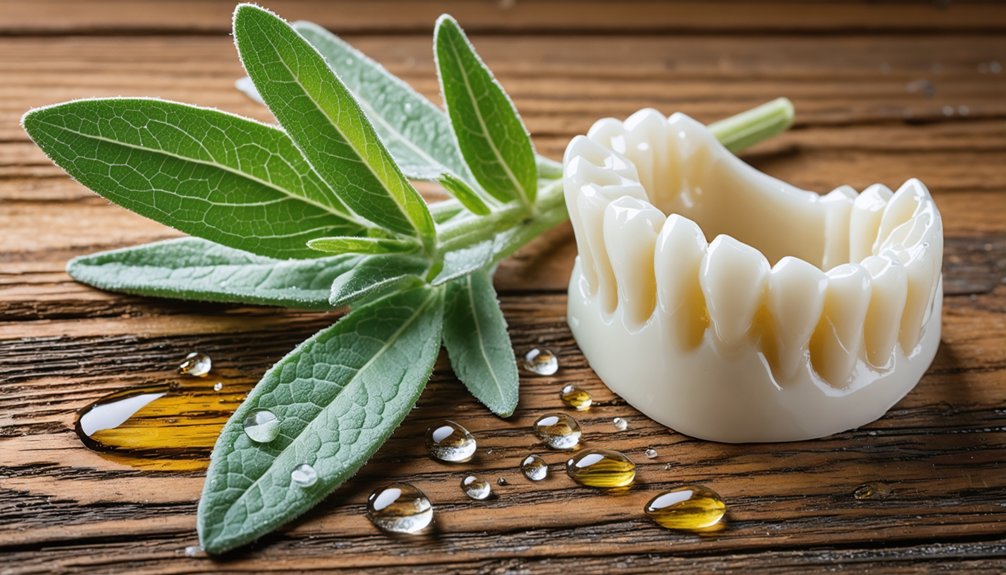
Sage is generally safe for oral use when you apply it thoughtfully and in moderation. Like most herbal remedies, it works best when you respect its limits. Rubbing raw leaves too aggressively or too frequently can wear down enamel over time, so moderation matters. Choosing formulated products containing sage as one of their natural ingredients reduces that abrasion risk considerably.
If you’re pregnant or breastfeeding, standard herbal caution applies, and you should check with your healthcare provider first. Otherwise, sage mouthwashes and sage-infused toothpastes represent low-risk options for most adults.
The key is consistency without excess. Sage supports your oral health gently, making it a smarter choice than harsh chemical alternatives when you want gradual, steady results you can actually control.
How Sage Supports Gum Health and Fresh Breath
Keeping your gums healthy is where sage quietly earns its place beyond just brightening your smile. A sage herbal infusion used as a daily rinse delivers real oral benefits you can feel over time.
Sage targets gum inflammation and broader mouth health through four key actions:
- Fights bacteria — Sage shows activity against *Streptococcus mutans*, reducing harmful microbial load.
- Reduces gum inflammation — Its astringent compounds help tighten and soothe irritated gum tissue.
- Controls plaque — Antibacterial properties limit the biofilm buildup that feeds gum disease.
- Freshens breath — Essential oils neutralize odor-causing bacteria naturally.
You’re choosing a plant-based tool with centuries of use and growing antimicrobial evidence behind it — one that supports your whole mouth, not just your enamel.
Key Compounds in Sage That Drive Oral Health Benefits
What makes sage effective isn’t mystery — it’s chemistry. Sage contains polyphenols, flavonoids, and rosmarinic acid — compounds that work together through herbal synergy to fight bacteria, reduce inflammation, and support cleaner teeth.
Each one contributes something distinct: polyphenols disrupt plaque-forming bacteria, flavonoids calm gum tissue, and rosmarinic acid delivers antioxidant and anti-inflammatory action directly where you need it.
Polyphenols fight bacteria, flavonoids soothe gums, and rosmarinic acid tackles inflammation — each compound pulling its own weight.
Compound stability matters here too. Sage’s essential oils retain their antimicrobial potency across common preparation methods — whether you’re steeping leaves or using a formulated product.
You’re not relying on a single isolated ingredient. You’re working with a full spectrum of plant chemistry that supports your oral health from multiple angles simultaneously, making sage a genuinely functional tool rather than just a wellness trend.
Top Sage Toothpastes and Rinses Worth Trying
If you’d rather skip rubbing leaves on your teeth, sage-infused toothpastes and rinses make it easy to work these plant compounds into your daily routine.
You’ll find options ranging from whitening pastes that blend sage with mild abrasives to alcohol-free mouthwashes that target plaque and freshen breath.
Knowing what to look for—like rosmarinic acid, essential oils, and minimal harsh additives—helps you choose a product that actually delivers on sage’s oral-health promise.
Popular Sage Toothpaste Picks
For those ready to move beyond home remedies, the market now offers formulated sage toothpastes and rinses that combine sage’s natural antibacterial and astringent properties with modern oral-care science. These products leverage herbal synergy, pairing sage with complementary botanicals and natural abrasives for measurable oral benefits.
Consider these popular picks:
- Weleda Salt Toothpaste – combines sage with mineral salts for gentle surface cleansing.
- Herbadent Herbal Toothpaste – features sage extract alongside other antimicrobial herbs.
- Biomed Superwhite – uses plant-derived natural abrasives with sage for stain control.
- Alverde Sensitive Toothpaste – blends sage oil into a mild, enamel-conscious formula.
You’re choosing products that prioritize your health without sacrificing effectiveness—that’s a smart, informed approach to oral care.
Top Sage Mouthwash Options
Rinsing with a sage-based mouthwash takes those same antibacterial and astringent benefits one step further by reaching areas a toothbrush can’t always access.
Research supports sage mouthwash’s ability to fight *Streptococcus mutans*, meaning you’re targeting cavity-causing bacteria while supporting fresher breath and healthier gums.
When choosing a product, look for formulas featuring concentrated herbal extracts rather than sage as a minor fragrance ingredient.
Brands like Weleda and Dr. Hauschka incorporate sage alongside complementary natural remedies for broader oral support.
You can also make your own rinse by steeping dried sage leaves in hot water, cooling it, and swishing for 30 seconds daily.
Consistency matters most—gradual plaque reduction and surface brightening build with regular use, not single applications.
What To Look For
Whether you’re browsing a health store or shopping online, knowing what to look for separates genuinely effective sage products from those that merely list sage as a token ingredient.
Prioritize products that feature:
- Concentrated herbal infusions — sage extract should appear early in the ingredient list, not as an afterthought.
- Natural abrasives — look for gentle options like silica or calcium carbonate that complement sage’s stain-lifting action without damaging enamel.
- Supporting botanicals — rosmarinic acid, flavonoids, or other polyphenols signal a formula built around real plant chemistry.
- No harsh peroxides — if you’re choosing sage-based care, confirm the product stays free of aggressive bleaching agents.
Reading labels critically keeps you in control of exactly what enters your oral care routine.
Frequently Asked Questions
Can Sage Leaves Whiten Dental Veneers or Crowns Effectively?
Sage won’t effectively address veneer discoloration or crown staining—those materials don’t respond like natural enamel. You’re better off using sage to support your natural teeth and overall gum wellness instead.
Should Children Avoid Using Sage-Based Oral Care Products?
You should consult a pediatrician before introducing sage-based oral care products, as children’s safety and pediatric use guidelines aren’t well-established. Evidence-blending wellness wisdom suggests caution, since children’s developing enamel deserves gentler, clinically-validated natural care options.
Can Sage Leaves Interact With Prescription Medications When Used Orally?
Studies show sage contains over 160 bioactive compounds—so yes, drug interactions are possible. If you’re on prescriptions, heed medical warnings and consult your doctor before using sage orally to stay safely in control of your wellness.
Does Cooking With Sage Provide Any Indirect Oral Health Benefits?
Yes, cooking with sage gives you culinary benefits that support oral health indirectly. You’re absorbing its antibacterial compounds and polyphenols through diet, blending herbal remedies naturally into meals, which may reduce harmful oral bacteria over time.
Can Sage Be Combined With Other Natural Whitening Ingredients Safely?
You can safely combine sage with other natural remedies like baking soda or coconut oil. These herbal extracts complement each other’s gentle cleansing actions, but you’ll want to avoid overuse to protect your enamel from abrasion.
References
- https://www.mymagnoliafamilydental.com/top-ten-natural-herbs-for-teeth-whitening/
- https://springcreekforestdental.com/natural-herbs-for-teeth-whitening-enhance-your-smile-the-natural-way/
- https://sagedentalnj.com/benefits-of-teeth-whitening/
- https://timesofindia.indiatimes.com/life-style/health-fitness/health-news/5-natural-herbs-that-help-whiten-teeth/articleshow/110584317.cms
- https://www.licdentalassociates.com/blog/2015/10/27/teeth-whitening/
- https://www.wellyme.org/post/sage-for-white-teeth-properties-and-uses
- https://clubwhitesmile.com/sage-leaves-teeth-whitening-solution/
- http://www.casasalute.com/?page_id=2307
- https://www.neuralword.com/en/education-history-science-general-culture-society/science-nature/what-are-the-benefits-of-sage-for-dental-health
- https://www.healthline.com/nutrition/sage