Preventing yellow teeth starts with knowing which foods stain your enamel and which ones protect it. Dark beverages like coffee, red wine, and cola deposit pigments that bond to porous enamel over time. Acidic foods weaken that surface, making stains worse. You can fight back by eating crunchy produce, pairing meals with dairy, and rinsing immediately after staining foods. Keep going to discover exactly how to build these habits into your daily routine.
Key Takeaways
- Limit dark beverages like coffee, red wine, and cola, as tannins and pigments in these drinks bond to enamel and cause staining.
- Eat crunchy foods like raw apples, carrots, and celery to mechanically scrub teeth and stimulate stain-reducing saliva flow.
- Pair staining foods with dairy products like cheese or milk to neutralize acids and protect enamel from pigment absorption.
- Strawberries, pineapple, and nuts offer natural whitening benefits through malic acid, bromelain enzymes, and mild abrasive action.
- Rinse with water immediately after consuming pigmented foods to remove surface pigments and reduce enamel stain risk.
Why Teeth Turn Yellow in the First Place
Before you can effectively prevent yellow teeth, you need to understand what’s causing the discoloration in the first place. Tooth enamel, the hard outer layer of your teeth, is porous. Those pores trap stain pigments from foods, beverages, and tobacco, gradually shifting your teeth’s color from white to yellow.
Two factors accelerate this process. First, acidic foods and drinks weaken tooth enamel, making it more vulnerable to pigment absorption. Second, frequent exposure to deeply colored substances — coffee, red wine, berries, and cola — compounds staining over time rather than through isolated incidents.
Tobacco adds another layer, depositing tar and nicotine directly onto enamel surfaces. Understanding these mechanisms gives you a clear target: reduce pigment exposure and protect enamel integrity simultaneously.
The Worst Foods and Drinks for Tooth Staining
What you eat and drink plays a direct role in how quickly your teeth discolor. Coffee, black tea, and red wine are among the most damaging beverages because their dark pigments and tannins bond readily to enamel.
Highly pigmented foods like berries, beets, tomato sauce, and soy sauce carry similar staining potential and compound the damage when consumed frequently.
Major Staining Beverages
Certain beverages rank among the most damaging culprits when it comes to tooth discoloration. Color pigments and beverage acids work together to weaken enamel and embed stains deeply into tooth surfaces. You’re accelerating yellowing every time you sip without protective habits in place.
- Coffee and black tea deposit tannins that cling aggressively to enamel with every cup.
- Red wine combines intense color pigments with acids that etch the surface, locking in discoloration.
- Cola and dark sodas expose your teeth to corrosive beverage acids repeatedly throughout the day.
- Dark fruit juices and sports drinks stain gradually, making damage easy to overlook until it’s significant.
Limiting frequency and rinsing immediately after consumption gives you direct control over the damage these drinks cause.
Highly Pigmented Foods
Beverages aren’t the only threat to your enamel. Highly pigmented foods deposit color pigments directly onto tooth surfaces, accelerating visible discoloration over time. Berries, beets, tomato sauce, and soy sauce rank among the most problematic offenders. Their intense pigmentation clings to enamel, especially when enamel erosion has already weakened the surface structure.
Acidic foods compound the problem. Citrus, candy, and soda soften enamel, making it more porous and vulnerable to staining agents. When you consume acidic and pigmented foods together, you’re fundamentally priming your teeth for deeper discoloration.
Your best defense is pairing these foods with crunchy vegetables, dairy, or water to reduce residue immediately. Limiting frequency matters more than occasional rinsing when managing long-term staining from food sources.
Foods That Naturally Scrub Stains While You Chew
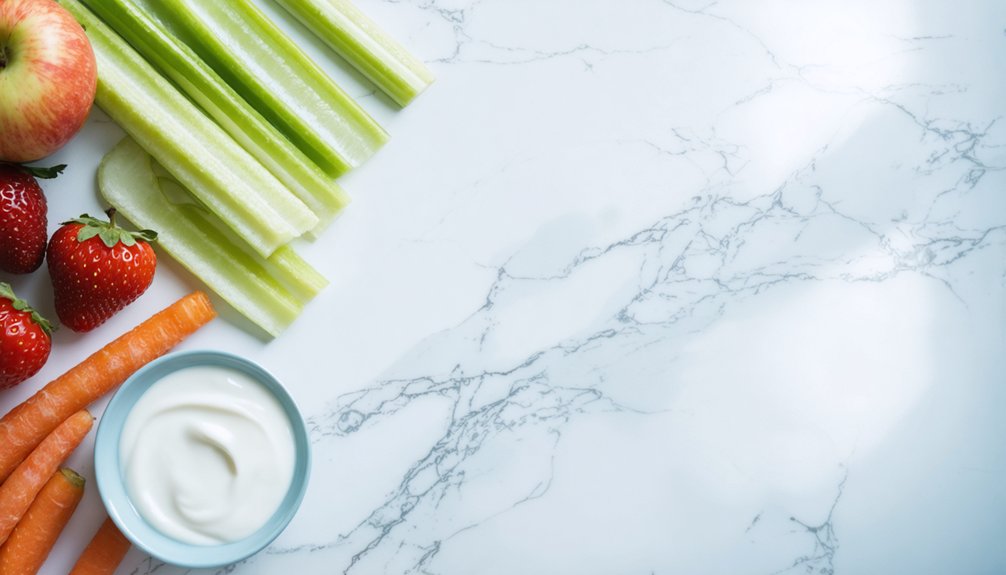
When you snack on raw apples, carrots, celery, or cucumbers, their firm, fibrous texture mechanically scrubs tooth surfaces and dislodges debris with each bite. That chewing action also stimulates saliva flow, which neutralizes acids and rinses away pigment-laden residue before it sets into enamel.
Making these crunchy options your go-to snacks gives you a passive, food-based layer of stain defense that works alongside brushing and flossing.
Crunchy Produce Natural Abrasion
Crunchy produce offers a practical, low-effort way to mechanically reduce surface debris and mild staining between brushing sessions. When you chew firm fruits and vegetables, their texture contrast against enamel creates light abrasion that dislodges surface particles while stimulating saliva flow to neutralize acids.
Effective options to add to your routine:
- Raw carrots and celery scrub tooth surfaces while chewing, functioning as a natural mechanical cleaner.
- Apples and pears combine flavor pairing flexibility with increased saliva production that rinses pigment away.
- Cucumber slices provide gentle abrasion without acidity that could weaken enamel.
- Raw broccoli and cauliflower use fibrous texture contrast to sweep debris from tooth surfaces before it sets.
Incorporate these strategically after staining meals to maintain greater control over surface discoloration.
Saliva Flow Stain Defense
Mechanical abrasion from firm produce is only part of the defense — saliva does much of the remaining work. When you chew crunchy foods like apples, carrots, and celery, you trigger increased saliva production, which delivers immediate protective benefits.
Saliva enzymes actively break down food debris and disrupt the early adhesion of pigment compounds to enamel. Simultaneously, saliva restores pH balance after acidic meals, preventing the enamel softening that makes staining easier to occur.
You can reinforce this response by staying consistently hydrated throughout the day and chewing xylitol gum between meals when produce isn’t accessible. Water supports baseline saliva function, while xylitol further stimulates flow without introducing fermentable sugars.
Together, these strategies give you measurable control over your mouth’s natural stain-clearing capacity.
Best Snack Choices
Choosing the right snack can turn an ordinary eating habit into an active stain-prevention strategy. Crunchy, fibrous foods mechanically scrub tooth surfaces while stimulating saliva, your mouth’s built-in cleansing system.
Prioritizing these options also supports healthy gums by reducing debris buildup between cleanings.
- Raw apples and pears increase saliva flow and scrub enamel with every bite
- Carrots and celery act as natural abrasives, dislodging surface pigments before they set
- Raw broccoli and cauliflower clear debris through friction while delivering enamel-supportive minerals
- Xylitol gum serves as a reliable sugar alternative that stimulates saliva without feeding bacteria
You control what enters your mouth. Swapping processed snacks for these choices gives you measurable, compounding protection against discoloration daily.
Which Foods Can Actually Whiten Stained Teeth?
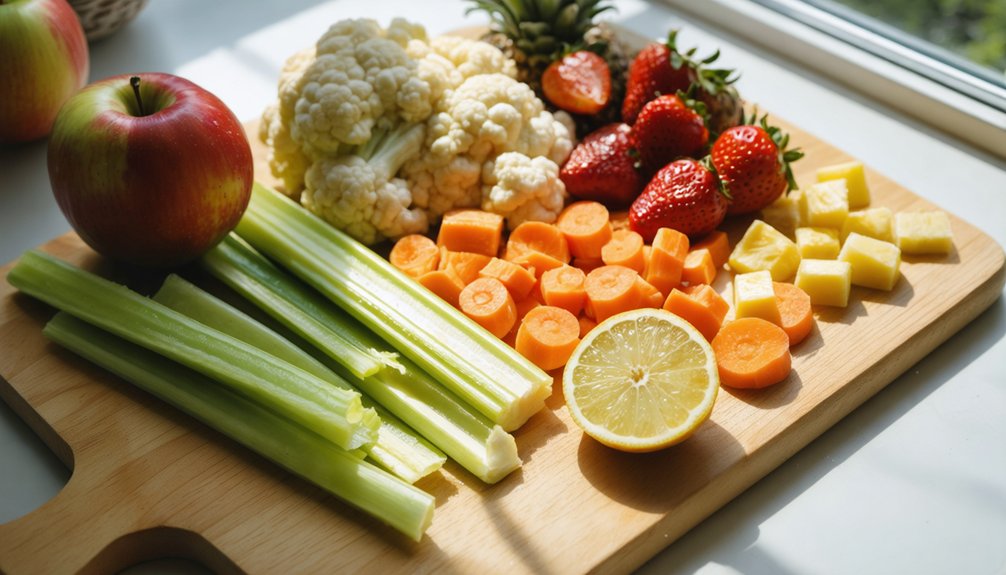
While no food can bleach or professionally whiten stained teeth, some options do offer measurable mechanical and chemical support for a cleaner surface.
Strawberries contain malic acid, which may reduce surface discoloration, though evidence remains limited compared to clinical treatments.
Pineapple’s bromelain enzyme shows early promise for breaking down plaque.
Unlike most natural remedies or whitening supplements marketed online, these foods don’t restructure enamel or reverse deep staining.
What they can do is reduce debris and surface buildup.
Nuts and seeds provide mild abrasion during chewing.
Raw apples and carrots generate friction and saliva simultaneously.
Dark leafy greens contribute minerals that support enamel integrity.
You’ll get the most benefit by combining these foods consistently with brushing, flossing, and professional cleanings rather than relying on any single dietary fix.
Why Dairy Helps Protect Your Enamel From Stains
Dairy products like cheese, yogurt, and milk offer more than nutritional value—they actively support the enamel structure that keeps stains from taking hold. Dairy benefits your teeth through calcium and phosphates, which reinforce enamel and reduce its vulnerability to pigment absorption. When your enamel stays strong, staining compounds have less surface damage to exploit.
Use dairy strategically by pairing it with staining meals to maximize enamel protection:
- Cheese after wine neutralizes acid before it softens enamel
- Yogurt with berries counteracts the pigment exposure you’d otherwise face unprotected
- Milk alongside coffee reduces the staining window you’d leave open
- Daily dairy intake builds cumulative enamel protection you can measure over time
You control the conditions that allow stains to develop—dairy is a precise, evidence-backed tool.
How to Eat Staining Foods Without Damaging Your Smile
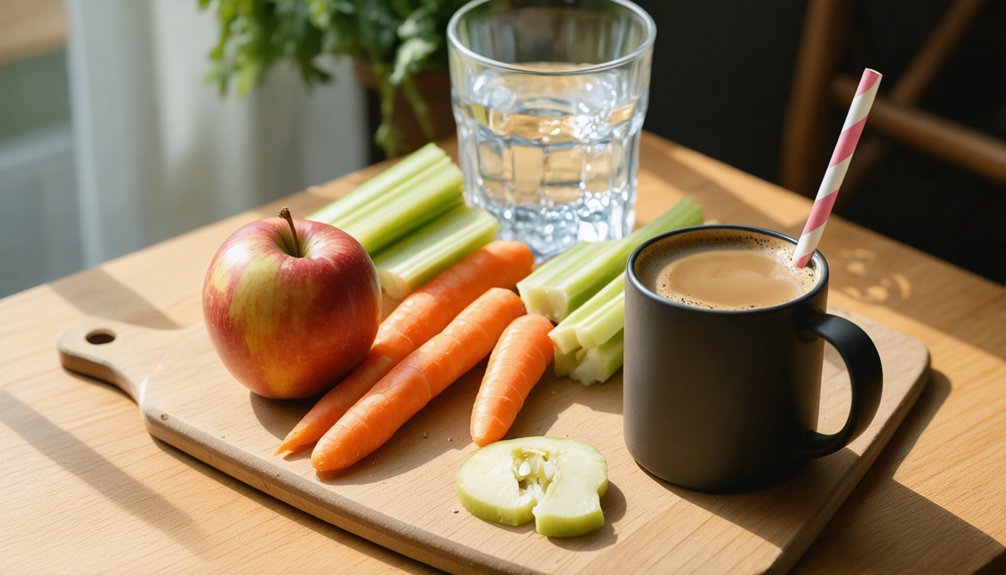
Protecting enamel through dairy gives you a strong foundation, but it doesn’t mean you can ignore how you consume staining foods in the first place. When you drink coffee, tea, or red wine, use a straw to reduce direct contact with front teeth. Rinse with water immediately after consuming deeply pigmented foods.
Pair staining meals with crunchy vegetables or dairy to stimulate saliva and buffer acids. Avoid brushing within 30 to 60 minutes after acidic foods, since softened enamel is more vulnerable. These strategies reduce your dependence on alternative whitening methods or costly cosmetic dental treatments later.
Limiting staining food frequency matters more than occasional rinsing alone. Consistent habits—brushing twice daily, flossing, and attending professional cleanings—give you the most reliable long-term control over discoloration.
Rinse, Wait, Brush: Habits That Stop Stains After Every Meal
After each meal, three simple habits form your strongest defense against surface staining: rinsing, waiting, then brushing. Each step targets a specific vulnerability in your enamel’s exposure window.
- Rinse immediately with water to flush pigments and reduce your sugar intake’s acidic impact before it softens enamel.
- Wait 30–60 minutes after acidic foods before brushing to avoid dragging acid deeper into weakened enamel.
- Brush twice daily using fluoride toothpaste to lift surface discoloration before it mineralizes into stubborn stain.
- Commit to daily dental flossing to clear pigment-trapping debris from contact points brushing can’t reach.
You control how long staining agents stay on your teeth. The longer you delay these steps, the deeper discoloration sets.
Consistency isn’t optional — it’s your protection.
A Daily Food Plan for Whiter Teeth
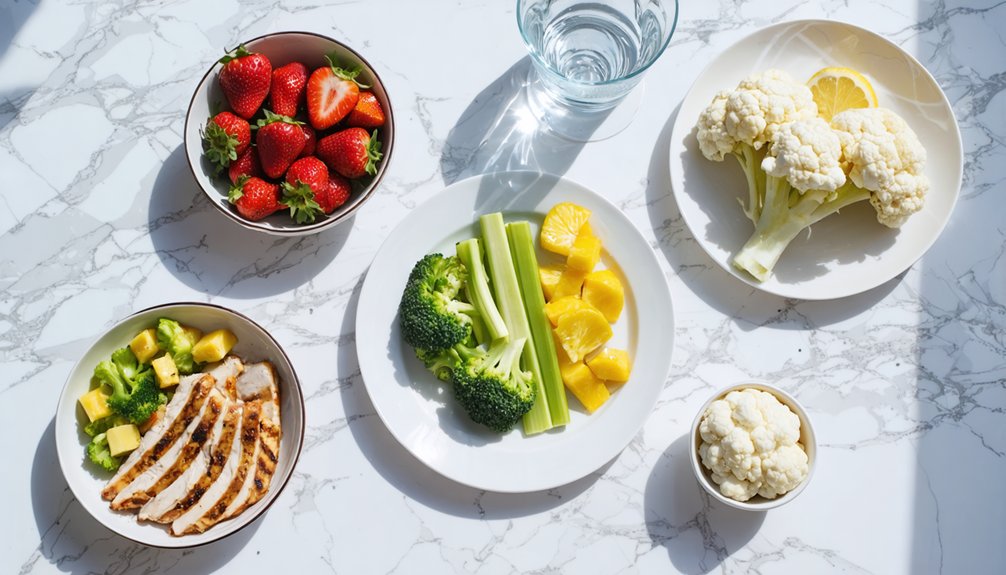
What you eat each day shapes how effectively your teeth resist surface staining, and structuring your meals around that reality makes prevention practical. Start mornings with yogurt or milk, which supply calcium and phosphates that reinforce enamel. Pair coffee or tea with a water rinse immediately after.
At lunch and dinner, include raw carrots, celery, or apples to mechanically clean surfaces while stimulating saliva. Limit cola, dark juices, and red wine to occasional consumption rather than daily habits. While herbal remedies and natural supplements are sometimes marketed for whitening, dietary consistency outperforms them in clinical relevance.
End meals with crunchy produce or cheese to neutralize residue. Combined with twice-daily brushing and regular professional cleanings, a structured daily food plan delivers measurable stain prevention.
Stain Removal Beyond Diet: When to See a Dentist
Diet does a lot of the preventive work, but it can’t reverse staining that’s already embedded in enamel or settled into tartar. For visible discoloration that persists despite stain prevention efforts, professional intervention gives you back control.
Consider scheduling a dental visit when you notice:
- Surface stains that don’t respond to brushing or dietary changes after several weeks
- Tartar buildup that traps pigments no amount of rinsing can dislodge
- Yellowing that feels permanent, signaling intrinsic discoloration beyond surface-level stain prevention
- Interest in teeth whitening treatments, such as professional bleaching, which delivers results diet alone can’t achieve
Routine cleanings every six months remain your strongest clinical defense. They remove calcified deposits and restore a baseline that makes your daily stain prevention strategy markedly more effective.
Frequently Asked Questions
Can Certain Medications Cause Teeth to Yellow Regardless of Diet?
Yes, certain medications cause chemical tooth stains as direct medication side effects, regardless of your diet. Tetracycline antibiotics and antihistamines are known culprits. You’ll want to consult your dentist for targeted whitening strategies beyond dietary control.
Does Teeth Whitening Toothpaste Actually Remove Deep Stains Effectively?
Whitening toothpaste doesn’t remove deep stains effectively—it only targets surface discoloration. You’ll need professional cleanings for deeper results. Pair strong dental hygiene with natural remedies like crunchy produce to maintain control over everyday staining prevention.
Are Teeth Whitening Strips Safe for People With Sensitive Teeth?
Whitening strips can irritate sensitive teeth, yet you don’t have to choose between brightness and comfort. You’ll find natural remedies gentler, but professional treatments offer controlled, safe results tailored specifically to your sensitivity needs.
How Does Aging Affect Tooth Color Beyond Food and Drink Staining?
As you age, your enamel thins, exposing yellower dentin beneath. Genetics influence how fast this occurs, and your oral hygiene habits can slow visible darkening, though you can’t fully reverse age-related color changes.
Can Teeth Become Permanently Stained if Discoloration Is Left Untreated?
Yes, untreated discoloration can become permanent. When dental plaque hardens into tartar and enamel erosion progresses, stains penetrate deeper layers you can’t reverse at home. You’ll need professional intervention to restore your tooth’s appearance.
References
- https://www.bupa.co.uk/newsroom/ourviews/teeth-staining-foods
- https://www.colgate.com/en-us/oral-health/teeth-whitening/discolored-teeth-five-foods-that-cause-stains
- https://my.clevelandclinic.org/health/symptoms/10958-tooth-discoloration
- https://www.listerine.com/articles/teeth-whitening/causes-yellow-teeth
- https://familydentistottawa.com/7-foods-staining-teeth/
- https://www.onmanorama.com/food/features/2024/09/30/food-items-that-help-whiten-teeth.html
- https://balmaindentist.com.au/what-dietary-changes-can-help-prevent-yellowing-teeth-as-we-age/
- https://www.prevention.com/beauty/a20479137/tips-to-whiten-yellow-teeth/
- https://melbournedentalstudio.com.au/prevent-yellow-teeth/
- https://www.ewellnessmag.com/article/how-diet-can-affect-the-color-of-your-teeth