Teeth whitening results last anywhere from 3 months to 3 years, depending on your method and daily habits. You’ll extend those results by avoiding staining foods within the first 48 hours, maintaining consistent oral hygiene, and scheduling monthly touch-ups. Tobacco use and pigmented drinks are the fastest ways to reverse your investment. Small, strategic choices compound over time—and the full breakdown of what actually works is all ahead.
Key Takeaways
- In-office whitening treatments last 1–3 years, while over-the-counter products fade within 4–6 months, making professional options more cost-effective long-term.
- Avoid staining foods and drinks like coffee, red wine, and dark teas, especially within the first 48 hours post-treatment.
- Monthly touch-ups using dentist-approved whitening trays or pens help maintain brightness and counter dietary staining impacts.
- Good oral hygiene, including daily flossing, soft-bristle brushing, and rinsing after pigmented foods, prevents plaque from trapping stains.
- Biannual professional cleanings remove extrinsic stains, provide a cleaner surface for touch-ups, and allow dentists to adjust whitening schedules.
How Long Do Teeth Whitening Results Actually Last?
How long your whitening results last depends largely on the method you choose. In-office treatments typically maintain their effect for one to three years, giving you the strongest return on a single session.
At-home tray systems supervised by a dentist can keep teeth visibly brighter for up to a year, while over-the-counter strips and gels usually fade within four to six months. Whitening toothpaste offers the shortest window, around three to four months.
Whitening frequency and enamel care are the two variables you control most directly. The more diligently you protect enamel from acid erosion and surface staining, the longer each treatment holds.
Understanding your method’s baseline lifespan lets you build a maintenance schedule that keeps results consistent rather than reactive.
In-Office vs. At-Home Whitening: Which Lasts Longer?
When comparing your options, in-office whitening typically lasts 1–3 years, while at-home kits and strips deliver results that fade within 4–6 months without consistent maintenance.
That durability gap reflects a real difference in treatment strength, but it also comes with a higher upfront cost—professional sessions can run several hundred dollars versus a fraction of that for OTC products.
If you’re weighing longevity against budget, a dentist-supervised take-home tray system often strikes the best balance, offering near-professional results for roughly a year at a more manageable price point.
Results Duration Compared
While both in-office and at-home whitening can deliver a noticeably brighter smile, they don’t hold up equally over time.
Professional treatments typically last one to three years, giving you a stronger foundation when you support results through consistent oral hygiene, enamel protection, and smart lifestyle choices.
At-home kits and strips, by contrast, fade within four to six months, making whitening frequency and maintenance products essential to sustaining visible results.
Your dietary impact matters greatly regardless of method.
Stain prevention depends on limiting pigment-heavy foods and beverages, while hydration importance shouldn’t be overlooked—adequate saliva flow naturally clears debris and dilutes acids.
Choosing the right method sets your baseline, but your daily habits ultimately determine how long that brightness lasts.
Cost Versus Longevity
Knowing how long your results will last naturally raises the next question: is the higher upfront cost of professional whitening actually worth it?
When evaluating cost effectiveness across treatment options, professional in-office whitening typically delivers results lasting one to three years, while OTC strips and gels require reapplication every three to six months.
Over time, repeated OTC purchases can rival or exceed professional fees without matching the longevity.
Dentist-supervised take-home tray systems offer a compelling middle ground, combining lower cost with results lasting up to one year.
Pairing an in-office session with monthly home touch-ups maximizes both durability and investment value.
Ultimately, your budget and lifestyle determine the smartest choice, but professional-grade options consistently deliver superior, longer-lasting outcomes per dollar spent.
The Habits That Erase Whitening Results Fastest
Even after a successful whitening treatment, certain daily habits can undo your results far faster than you’d expect.
Frequently consuming coffee, tea, red wine, dark sodas, and deeply pigmented sauces accelerates stain re-accumulation on enamel, while tobacco use can reverse whitening within just a few months.
Compounding these effects, poor oral hygiene—infrequent brushing, skipping floss, and neglecting mouth rinses—allows plaque and surface pigments to embed quickly, shortening the lifespan of your results considerably.
Staining Foods And Drinks
Your diet is one of the fastest ways to erase whitening results, because chromogens—the deeply pigmented compounds found in coffee, black tea, red wine, dark sodas, and berries—bind directly to tooth enamel and accelerate re-staining.
The higher a staining beverage’s color intensity, the faster it compromises your investment.
Acidic drinks compound the damage by weakening enamel, making it more porous and increasingly receptive to pigment absorption.
Tobacco accelerates this further, often reversing whitening within months.
You can slow this process strategically. Use a straw with dark beverages to minimize enamel contact, rinse with water immediately after consuming staining foods, and adopt a white diet for 48 hours following any whitening session.
These deliberate choices directly extend how long your results last.
Tobacco And Poor Hygiene
While staining foods work gradually, tobacco and poor oral hygiene are in a different category entirely—they’re the habits most likely to undo whitening results within months.
Tobacco effects penetrate enamel deeply, depositing tar and nicotine compounds that resist standard brushing. Neglecting hygiene practices allows plaque to trap pigments against tooth surfaces daily.
Three realities that should motivate immediate change:
- Smokers can reverse professional whitening results in as little as 3 months.
- Skipping flossing leaves interdental stains untouched, visibly aging your smile.
- Infrequent brushing allows plaque buildup that locks in discoloration permanently over time.
You invested in your results—don’t surrender them to avoidable habits you fully control.
How to Brush, Rinse, and Floss Without Undoing Your Whitening
Protecting your whitening investment starts with the tools and techniques you use every day. Choose a soft-bristle toothbrush and apply gentle circular brushing techniques to preserve enamel care while removing surface debris.
Use whitening toothpaste one to two times weekly, alternating with fluoride toothpaste to avoid abrasive overuse. Your flossing tips matter too — floss once daily before your evening brush to clear stain-causing plaque between teeth.
For rinsing methods, swish with water immediately after consuming pigmented foods or drinks to support stain prevention before pigments bond. Hydration habits reinforce this further; consistent water intake sustains saliva flow, your mouth’s natural defense against acids and discoloration.
Together, these targeted oral hygiene practices protect your results without compromising the structural integrity of your enamel.
The 48-Hour Diet Rule After a Whitening Treatment
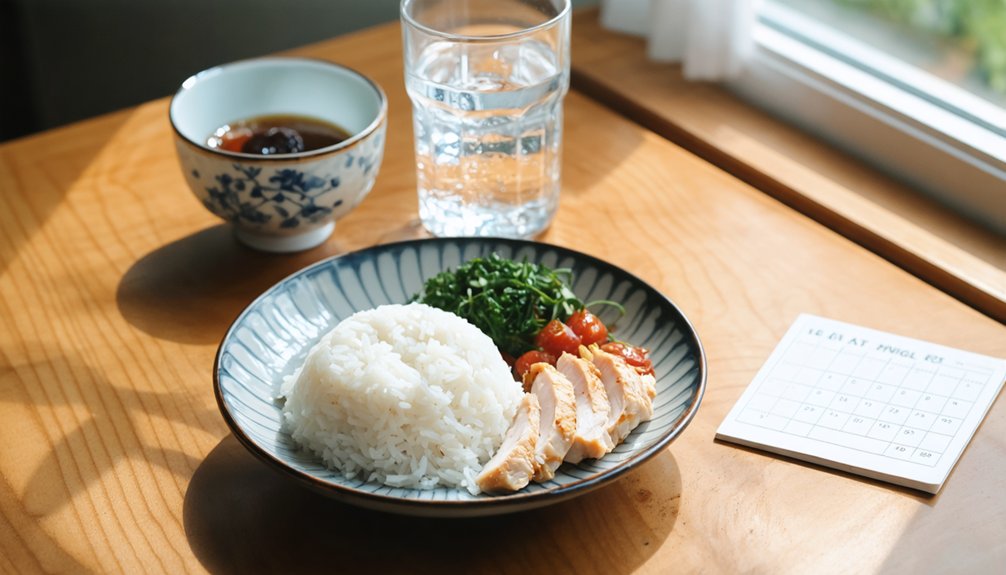
The first 48 hours after a whitening treatment are the most critical window for protecting your results.
Your enamel’s pores remain temporarily open, making teeth highly vulnerable to pigment absorption. A strict whitening diet during this period isn’t optional—it’s essential.
Control your food choices by avoiding:
- Coffee, red wine, and dark teas — staining compounds penetrate open pores almost immediately, erasing hours of treatment in minutes.
- Tomato-based sauces, soy sauce, and dark berries — deeply pigmented foods aggressively recolor freshly whitened enamel.
- Tobacco and dark sodas — these accelerate discoloration faster than almost any other exposure.
Stick to white meats, rice, cauliflower, bananas, and dairy.
These 48 hours determine how long your investment actually lasts.
Easy Food Swaps That Keep Teeth Whiter Between Sessions
Keeping your teeth whiter between sessions doesn’t require perfection—it requires smarter substitutions.
Swap coffee for lighter teas or colorless beverages like water and coconut water, which minimize pigment contact with enamel. Trade red wine for white, and replace dark sodas with sparkling water.
Swap dark drinks for lighter alternatives—white wine, pale teas, and sparkling water protect enamel from stubborn pigment buildup.
For meals, choose white meats, cauliflower, rice, and dairy over deeply pigmented sauces and dark berries.
When cravings hit, reach for whitening friendly snacks like bananas, cheese, or celery instead of beets, blueberries, or tomato-based options.
These swaps aren’t about deprivation—they’re strategic choices that slow re-staining and extend your results measurably.
Small, consistent dietary adjustments compound over time, reducing how frequently you’ll need touch-up sessions while keeping your smile visibly brighter longer.
Monthly Touch-Ups That Extend Your Whitening Results
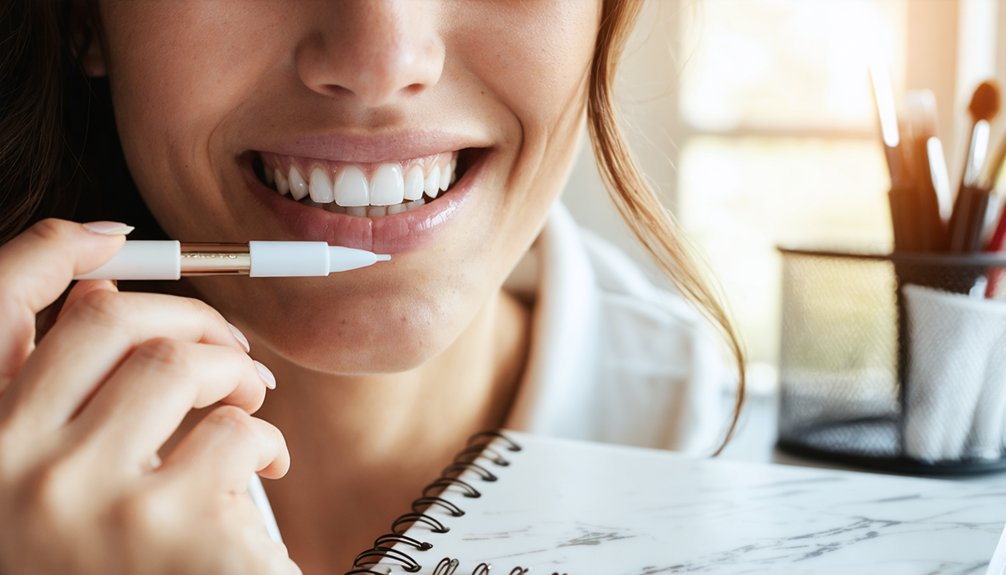
Even the most thorough whitening treatment gradually fades as enamel reabsorbs pigments from daily food, drink, and environmental exposure—but a consistent monthly touch-up routine interrupts that cycle before noticeable darkening sets in.
Your maintenance schedule should include these evidence-backed at-home strategies:
- Apply dentist-approved whitening trays for 1–2 nights monthly — this whitening interval preserves brightness and directly counters dietary impacts from coffee, wine, and dark sauces.
- Use a whitening pen for targeted stain prevention — precise touch-up techniques address localized darkening without compromising enamel care through overexposure.
- Alternate whitening and fluoride toothpaste weekly — this balances product effectiveness with enamel remineralization, a professional recommendation that supports long-term results.
These lifestyle adjustments keep you in control of your results between professional sessions.
When Your Dentist Should Step Back Into Your Whitening Routine
While at-home maintenance handles day-to-day brightness, your dentist should step back into your whitening routine every six months—ideally timed with your professional scale and polish.
That cleaning removes extrinsic stains that brushing misses, giving any touch-up treatment a cleaner surface to work on and delivering more predictable results.
During these visits, ask your dentist to assess your current shade against your baseline. Their dentist recommendations will tell you whether your whitening schedules need adjusting—or whether an in-office session is warranted before noticeable relapse sets in.
Your dentist’s shade assessment at each visit determines whether your whitening schedule needs adjusting or an in-office session is due.
If you smoke, consume heavy staining agents regularly, or notice rapid color regression between appointments, don’t wait six months. Proactive check-ins keep you in control of your results rather than chasing lost ground.
Frequently Asked Questions
Can Teeth Whitening Results Last Longer on Naturally Darker Teeth?
No, natural tooth factors like dark enamel effects mean your results won’t last as long—darker teeth absorb pigments faster, requiring more frequent touch-ups to maintain your desired shade effectively.
Does Drinking Water Temperature Affect How Quickly Whitening Fades?
Water temperature doesn’t directly impact whitening effectiveness or fading speed. However, you’ll want to avoid very hot beverages, as heat can open enamel pores, making teeth more vulnerable to absorbing stains and accelerating discoloration over time.
Are Whitening Results Affected by Medications or Medical Conditions?
Over 400 medications cause discoloration. Yes, certain conditions and medication interactions directly affect your whitening results and sensitivities—so you’ll want to consult your dentist to strategically tailor your whitening plan for ideal, lasting outcomes.
Can Remineralizing Products Be Used on the Same Day as Whitening?
Yes, you can use remineralizing products after whitening—ideally wait 30 minutes post-treatment. They’ll deliver remineralizing benefits by strengthening enamel and reducing whitening sensitivity, helping you maintain control over both your comfort and long-term results.
Do Veneers or Crowns Respond to Whitening Maintenance the Same Way?
Unlike your natural teeth, veneers maintenance and crowns longevity aren’t influenced by whitening treatments at all—they simply don’t respond. You’ll need professional replacements or alternative aesthetic solutions to match your newly whitened smile perfectly.
References
- https://www.aspendental.com/dental-care-resources/how-long-does-teeth-whitening-last/
- https://serenitydentalclinic.com/7-tips-maintain-teeth-whitening-results/
- https://pmc.ncbi.nlm.nih.gov/articles/PMC4058574/
- https://blitsdental.com/en/blog/158/how-to-maintain-teeth-whitening-results-in-the-long-term
- https://www.dananigueldental.com/blog/teeth-whitening-results-longevity
- https://www.westmaddental.com/blog/teeth-whitening-tips-maintain-smile/51502
- https://www.moorheaddentalassociates.com/how-can-i-maintain-teeth-whitening-results-longer/
- https://bahrdental.com/how-to-prolong-your-teeth-whitening-results/
- https://nextleveldentalhenderson.com/teeth-whitening-how-long-results-really-last/
- https://www.healthline.com/health/how-long-does-teeth-whitening-last