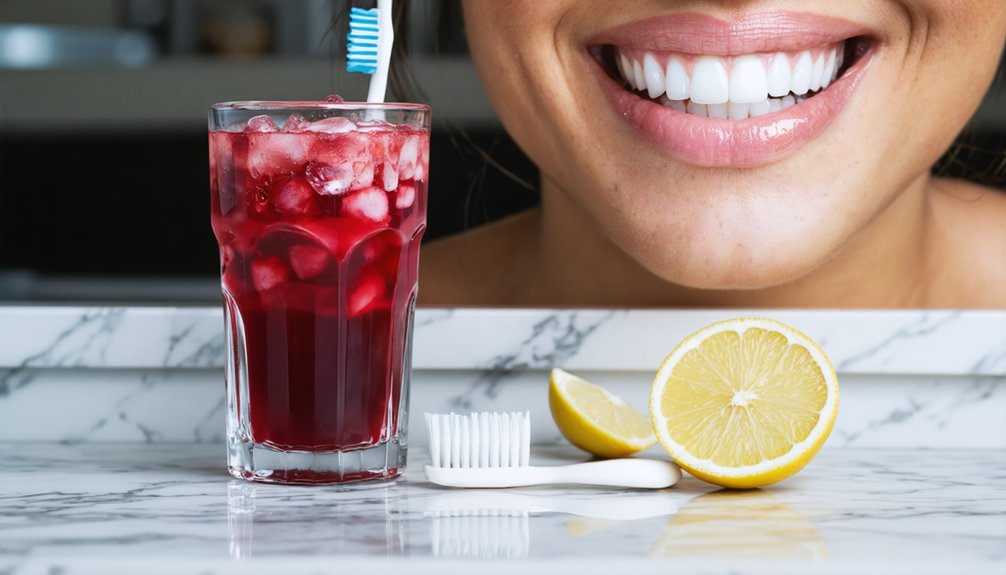
Cranberry juice stains your teeth because its deep red pigments embed into enamel while its acidity temporarily softens that protective layer. You can reduce discoloration by drinking through a straw, rinsing with water immediately after, and waiting 30 minutes before brushing. Brushing twice daily, flossing, and using whitening toothpaste also help keep stains away. For persistent cases, a dentist can provide deeper solutions — and there’s much more you can do to protect your smile.
Key Takeaways
- Use a straw when drinking cranberry juice to minimize direct contact with enamel and reduce staining risk significantly.
- Rinse your mouth with water immediately after drinking cranberry juice to neutralize acidity and dislodge surface pigments.
- Wait 30 minutes after rinsing before brushing to protect softened enamel from further damage or abrasion.
- Eat crunchy foods like apples, carrots, and celery to stimulate saliva production and naturally wash away stains.
- Schedule dental checkups twice yearly so professionals can remove deeply embedded pigments before discoloration becomes difficult to treat.
Why Cranberry Juice Stains Your Teeth
Cranberry juice’s vibrant red color is also what makes it a threat to your teeth. Its deep red pigments contain chromogens that latch directly onto your dental enamel, embedding discoloration into the surface.
Cranberry juice’s beauty is its danger — those vivid red pigments embed directly into your enamel, staining from within.
Cranberry juice’s high acidity compounds the problem by temporarily softening your enamel, making it more vulnerable to stain absorption. If your enamel is already porous or weakened, pigments penetrate even more readily.
Sweetened cranberry juice introduces an additional risk, as added sugars accelerate bacterial activity, further compromising enamel integrity.
Understanding these mechanisms puts you in control. You’re not simply dealing with surface-level staining — you’re managing a multi-factor process involving pigment adhesion, acid erosion, and enamel vulnerability.
Recognizing the cause is your first step toward preventing lasting discoloration.
Why Some Teeth Stain Faster Than Others
Your teeth’s enamel porosity plays a significant role in how quickly stains take hold, as more porous surfaces absorb cranberry pigments far more readily than dense, healthy enamel.
If your enamel is already weakened from prior damage or erosion, it becomes even more susceptible to deep pigment absorption.
Cranberry juice’s natural acidity temporarily softens your enamel after each sip, creating a brief but critical window where staining accelerates.
Enamel Porosity Increases Vulnerability
While everyone drinks cranberry juice, not everyone ends up with the same degree of teeth discoloration — and enamel porosity explains why. Your enamel health directly determines how readily pigments penetrate your teeth.
Porous or weakened enamel contains microscopic gaps that absorb cranberry’s deep red chromogens more efficiently than dense, intact enamel.
Several factors compromise enamel density — acidic diets, teeth grinding, and inadequate oral hygiene all create surface vulnerabilities.
Once enamel weakens, stain prevention becomes markedly harder because pigments embed deeper into the tooth structure.
You can assess your risk by noticing how quickly your teeth discolor after consuming dark beverages.
If staining accelerates, your enamel likely needs strengthening through fluoride treatments, dietary adjustments, and consistent professional cleanings before discoloration becomes increasingly difficult to reverse.
Weakened Enamel Absorbs Pigments
Not all teeth stain at the same rate, and weakened enamel is the primary reason some people notice discoloration faster than others. Enamel thickness plays a critical role — thinner or compromised enamel exposes the porous dentin layer underneath, which absorbs cranberry pigments rapidly.
Acidic erosion, aggressive brushing, or prior dental work can all degrade enamel, accelerating stain penetration.
You’re more vulnerable if you already consume acidic beverages regularly or skip consistent oral hygiene. Recognizing this vulnerability gives you a clear advantage in stain prevention.
Prioritize remineralizing treatments like fluoride toothpaste, which strengthens enamel structure. Avoid brushing immediately after consuming cranberry juice, since acid temporarily softens enamel.
Understanding your enamel’s condition empowers you to make smarter dietary and hygiene decisions before discoloration takes hold.
Acidity Softens Enamel Temporarily
Cranberry juice’s acidity is a direct threat to your enamel’s integrity, even if the damage is temporary. When acid contacts your teeth, it softens the enamel surface, creating a brief vulnerability window where pigments penetrate deeper and bind more effectively.
This explains why some teeth stain faster — compromised enamel absorbs chromogens more readily than healthy, mineralized surfaces.
You can support enamel restoration by rinsing with water immediately after consuming cranberry juice, neutralizing residual acids before they cause prolonged softening.
If staining is a persistent concern, consider cranberry alternatives like whole cranberries or cranberry supplements, which deliver comparable health benefits with reduced acid and pigment exposure.
Understanding this temporary softening cycle gives you precise control over your staining risk.
Foods That Stain Like Cranberry Juice or Worse
Cranberry juice isn’t the only beverage working against your smile — coffee, tea, cola, red wine, and grape juice all contain dark chromogens that cling stubbornly to enamel.
Beyond drinks, pigment-rich foods like berries, beets, tomato sauce, and soy sauce introduce deep staining compounds that penetrate tooth surfaces with repeated exposure.
You’ll also want to watch curry-based sauces containing turmeric, which leave behind persistent yellow discoloration that’s particularly difficult to reverse without professional intervention.
Dark Beverage Staining Culprits
While cranberry juice is a notable offender, several other dark beverages and foods can stain your teeth just as severely—or worse. Coffee, tea, cola, red wine, and grape juice rank among the most damaging dark beverage alternatives, as their intense pigments bond aggressively to enamel.
Beyond drinks, foods like berries, beets, soy sauce, tomato sauce, and pomegranate seeds compound discoloration through their acidity and deep pigmentation. Curry-based dishes containing turmeric introduce stubborn yellow stains, while apple cider vinegar erodes enamel, making your teeth more vulnerable to future pigmentation.
Understanding these culprits empowers you to implement targeted stain prevention strategies—such as limiting consumption frequency, using a straw, and rinsing immediately after exposure—keeping your smile noticeably brighter despite dietary choices.
Pigment-Rich Foods To Avoid
Beyond dark beverages, certain pigment-rich foods pose an equally serious threat to your enamel’s brightness—and some are far worse offenders than cranberry juice.
Berries like blueberries and blackberries deposit deep pigments directly onto enamel, while pomegranate seeds combine acidity with intense color, accelerating discoloration.
Beets, tomato sauce, and soy sauce are equally aggressive staining agents you shouldn’t overlook.
Among high acid foods, apple cider vinegar and citrus-based sauces erode enamel first, making your teeth far more vulnerable to pigment absorption afterward.
Pigment rich fruits such as cherries and grapes follow a similar pattern—their anthocyanins cling stubbornly to tooth surfaces.
Curry sauces containing turmeric leave persistent yellow stains.
Recognizing these culprits lets you make deliberate dietary choices that protect your enamel effectively.
Do Cranberries Actually Benefit Your Teeth?
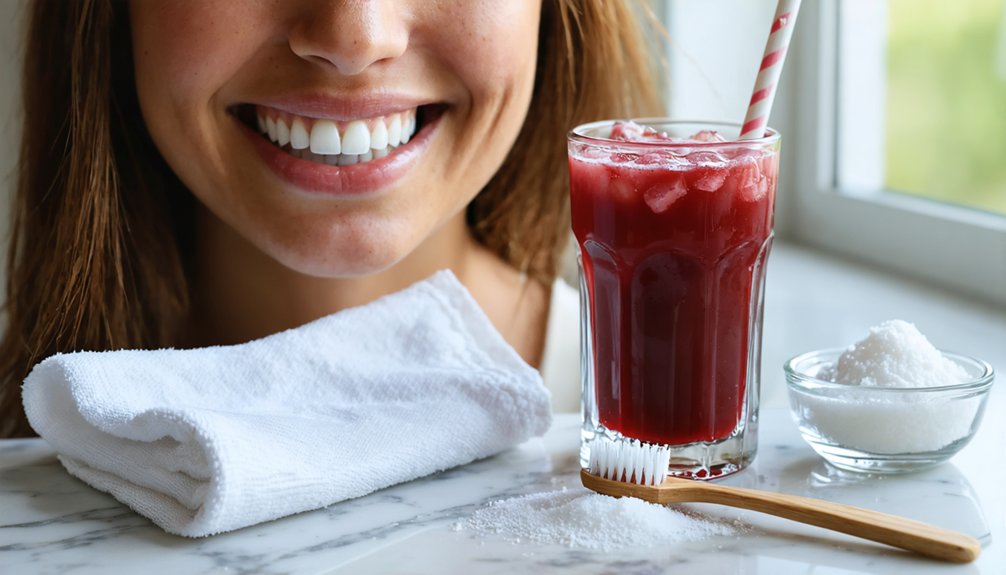
These same compounds decrease gum inflammation associated with periodontal disease, supporting long-term dental health.
Cranberries also lower sulfur compounds in saliva, combating bad breath effectively.
Understanding cranberry benefits helps you make informed choices rather than avoiding them entirely. Whole cranberries deliver more antioxidants than juice, making them the superior option for oral health.
Whole cranberries pack more antioxidants than juice, making them the smarter choice for optimal oral health.
Sweetened cranberry juice, however, amplifies staining and decay risks due to added sugars.
You can strategically include cranberries in your diet while managing their drawbacks through proper preventive habits.
Use a Straw and Time Your Intake to Reduce Exposure
Minimizing direct contact between cranberry juice and your teeth is one of the simplest ways to reduce staining risk. Using a straw delivers liquid past your enamel, making straw benefits immediately practical for anyone managing discoloration concerns. Position the straw toward the back of your mouth for maximum effectiveness.
Timing strategies matter equally. Avoid sipping cranberry juice throughout the day, as prolonged exposure intensifies pigment absorption. Instead, consume it during a single sitting, then rinse immediately with water to neutralize acidity and dislodge surface pigments.
Wait at least 30 minutes before brushing, since acidic beverages temporarily soften enamel, making it vulnerable to abrasion. Combining deliberate timing with straw use gives you measurable control over staining without eliminating cranberry juice from your diet entirely.
Rinse After Cranberry Juice Before You Brush
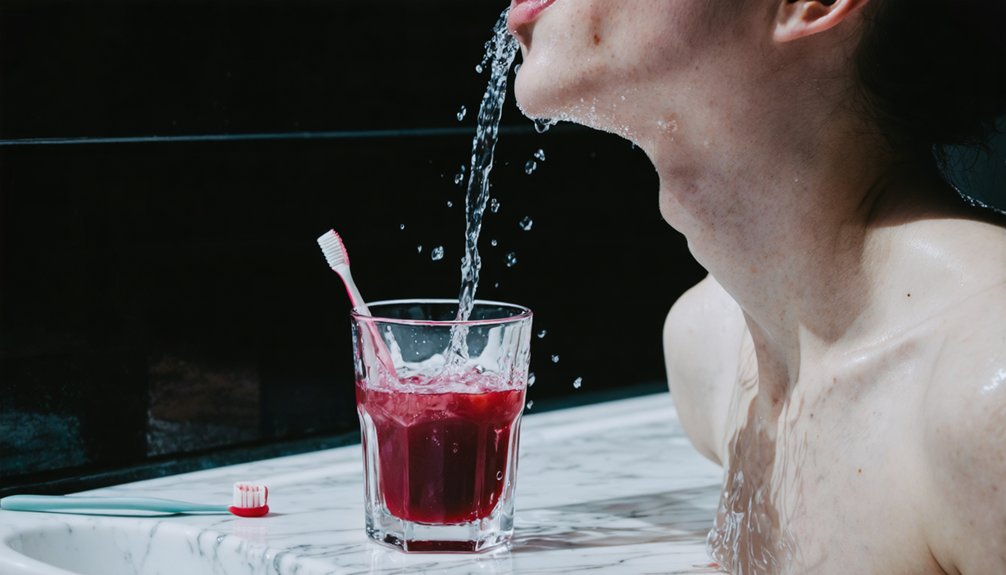
Rinsing your mouth with water right after drinking cranberry juice works alongside straw use to form a complete defense against staining. Water neutralizes citrus effects and acidity, protecting your enamel before it becomes vulnerable to pigment absorption. It also supports your oral microbiome by flushing away sugar residue without disrupting beneficial bacteria.
- Swish water vigorously for 30 seconds immediately after consumption
- Water dilutes acidic compounds that soften enamel temporarily
- Neutralizing citrus effects reduces pigment adhesion to tooth surfaces
- Flushing sugars preserves a balanced oral microbiome environment
- Wait 30 minutes after rinsing before brushing to prevent enamel damage
This two-step approach—rinsing then delayed brushing—gives your enamel time to reharden, maximizing your protection against cranberry juice discoloration.
Brush, Floss, and Rinse to Keep Cranberry Stains Away
Brushing twice daily, flossing consistently, and using an antibacterial mouthwash form your strongest defense against cranberry juice stains taking hold.
Brushing removes surface pigments before they penetrate enamel, while proper flossing techniques clear chromogens lodged between teeth where your brush can’t reach. Use a whitening toothpaste to actively combat discoloration during your routine.
Mouthwash benefits extend beyond freshening breath — antibacterial formulas reduce plaque buildup that traps staining compounds against enamel surfaces. Rinse thoroughly to flush residual pigments from hard-to-reach areas.
Remember to wait 30 minutes after consuming cranberry juice before brushing, since acidity temporarily softens enamel.
Combining these three habits creates a consistent, layered approach that limits pigment absorption and keeps discoloration from compounding over time.
Natural Remedies That Remove Cranberry Stains
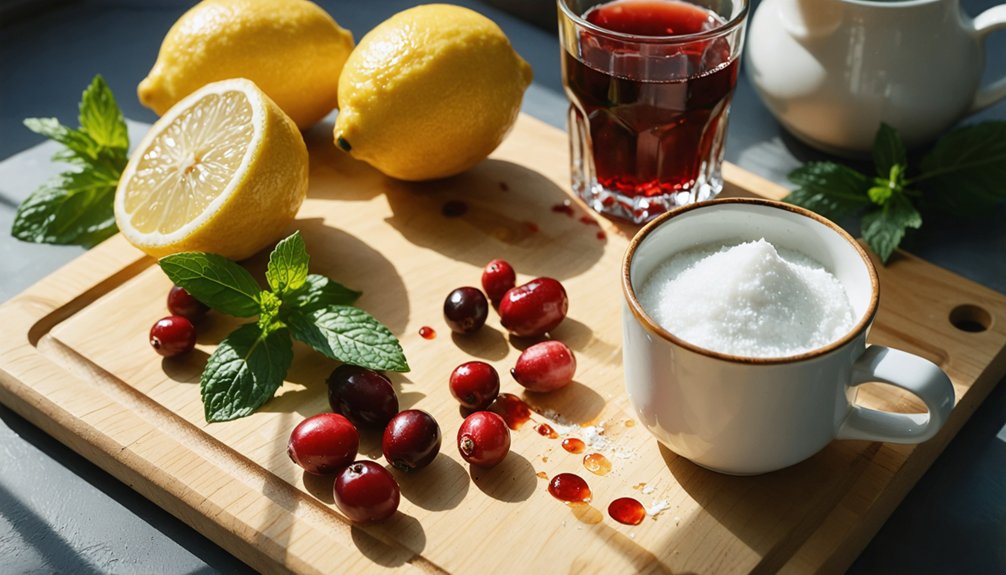
Beyond your toothbrush, several natural foods work as effective stain fighters against cranberry discoloration. Your dietary choices directly influence your enamel’s condition and appearance. Strategic food selection provides natural abrasives and protective compounds that actively combat pigmentation.
- Apples, carrots, and celery stimulate saliva production, which washes away surface stains.
- Strawberries contain malic acid that naturally dissolves cranberry discoloration.
- Raw cauliflower and broccoli function as gentle natural abrasives, polishing enamel surfaces.
- Dairy products deliver lactic acid, reinforcing enamel against future staining and erosion.
- Hard cheese actively removes bacteria and plaque that allow pigments to adhere.
Integrating these foods into your routine gives you measurable control over cranberry-related discoloration.
When to See a Dentist for Stubborn Stains
When natural remedies and consistent oral hygiene fail to eliminate cranberry-related discoloration, it’s time to consult your dentist.
Persistent stains often penetrate beyond surface enamel, requiring professional-grade intervention that home treatments can’t replicate.
Your dentist can perform targeted cleaning procedures, including ultrasonic scaling and polishing, to extract deeply embedded pigments.
Professional whitening treatments use concentrated bleaching agents that deliver measurable results quickly.
Don’t wait for discoloration to worsen.
Schedule a dental checkup at least twice yearly, even if stains seem minor.
Early professional assessment prevents pigments from settling permanently into weakened enamel.
Incorporating routine dental visits into your stain prevention strategy gives you direct control over your smile’s appearance.
Proactive dental care consistently outperforms reactive treatment when managing stubborn, recurring discoloration.
Frequently Asked Questions
Can Cranberry Juice Staining Become Permanent if Left Untreated?
Persistent pigments permanently punish your smile without staining prevention. Yes, untreated discoloration can become lasting as enamel protection weakens over time. You’ll need consistent brushing, rinsing, and professional cleanings to reverse deepening stains effectively.
Does Cranberry Juice Affect Dental Veneers or Crowns Differently?
Cranberry juice doesn’t stain veneers or crowns like natural enamel, but it can affect veneer durability by eroding bonding agents. For crown maintenance, you’ll want to limit exposure, as acidity weakens surrounding gum tissue.
Are Children’s Teeth More Vulnerable to Cranberry Juice Staining?
Yes, your child’s teeth are more vulnerable to cranberry juice staining because developing enamel is thinner and more porous. Prioritize children’s dental hygiene and incorporate natural teeth whitening strategies, like crunchy produce, to minimize discoloration risks effectively.
Can Certain Medications Increase Teeth Sensitivity to Cranberry Staining?
Yes, certain medication types can *dramatically* skyrocket your teeth’s vulnerability to cranberry staining! Antihistamines, antihypertensives, and chemotherapy drugs cause dry mouth, reducing saliva’s protective role and intensifying staining severity on your enamel considerably.
Does Diluting Cranberry Juice With Water Reduce Its Staining Effects?
Yes, diluting cranberry juice with water reduces chromogen concentration, lowering staining prevention challenges. You’ll decrease pigment intensity and acidity, minimizing enamel vulnerability. It’s a simple, practical strategy you can actively control to protect your teeth effectively.
References
- https://www.trysnow.com/blogs/news/does-cranberry-juice-stain-teeth
- https://lowrymainstreetdental.com/keep-favorite-drinks-staining-teeth/
- https://elitedentalg.com/blog/foods-and-drinks-that-stain-teeth/
- https://dentistindesoto.com/combat-holiday-dental-stain-with-these-7-easy-tips/
- https://www.smileboutiquegroup.com/blog/avoid-teeth-stains-from-cranberry-sauce/
- https://rockyridgedental.com/blog/oral-health/how-can-i-prevent-my-teeth-from-staining/
- https://www.idahomesmiles.com/top-staining-foods-and-drinks/
- https://www.dalegreerdds.com/blog/2022/12/20/cranberries-and-your-oral-health/