You can mash a ripe strawberry, mix it with baking soda, and apply the paste to your teeth for about five minutes before rinsing. While malic acid temporarily removes surface stains, it doesn’t truly whiten your teeth — it strips enamel instead. Dentists warn that repeated use causes lasting damage and increased sensitivity. Before trying any DIY method, there’s important evidence about safer, more effective alternatives you’ll want to know.
Key Takeaways
- Mash a ripe strawberry, mix with baking soda, apply to teeth using a soft toothbrush, and leave on for five minutes.
- Malic acid and vitamin C in strawberries temporarily remove surface stains but do not whiten the underlying tooth structure.
- Repeated use can erode enamel, as strawberry acids combined with baking soda increase abrasiveness and accelerate structural damage.
- Dentists advise against DIY strawberry whitening methods due to unverified effectiveness and potential long-term harm to enamel health.
- Safer alternatives include professional peroxide-based treatments, dentist-supervised options, or consistent brushing with fluoride toothpaste for measurable results.
How Do You Whiten Teeth With Strawberries?
Whether you’re curious about natural whitening remedies or skeptical of their claims, understanding how the strawberry method works can help you make an informed decision.
The process combines strawberry benefits with baking soda to create a paste you apply directly to your teeth.
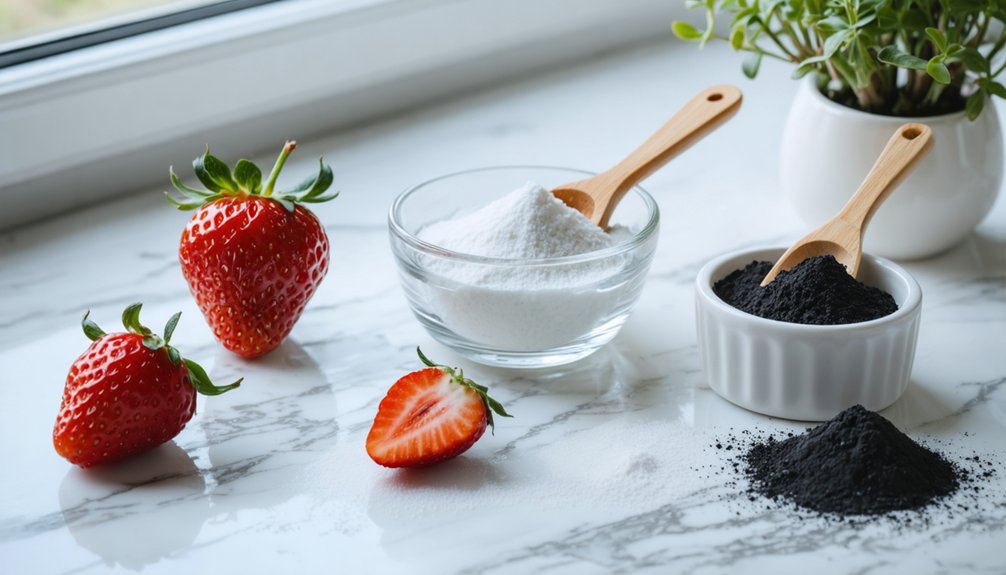
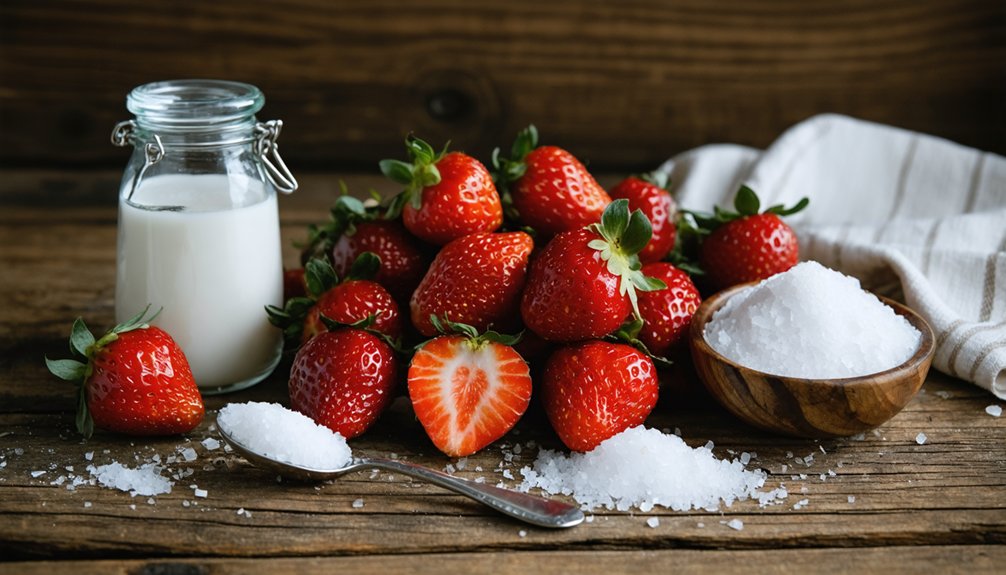
To use this method, mash a ripe strawberry and mix it with baking soda until it forms a paste. Apply it to your teeth using a soft toothbrush or your finger, leave it on for five minutes, then brush thoroughly with toothpaste and rinse.
Limit use to once weekly, as the acids in strawberries and the abrasiveness of baking soda can erode your enamel over time, causing more harm than the temporary brightening effect is worth.
Does Strawberry Whitening Actually Work?
While strawberry whitening sounds appealing, the science tells a different story.
Strawberry benefits like malic acid and vitamin C do remove surface stains temporarily, but they don’t whiten your tooth structure underneath. You’re fundamentally stripping a thin layer of enamel rather than achieving true whitening.
Enamel health is your biggest concern here. The acids in strawberries erode enamel over time, and adding baking soda increases abrasiveness, accelerating that damage.
Studies confirm no meaningful whitening benefit exists, only potential harm from repeated use.
If you want real control over your results, professional peroxide-based treatments penetrate enamel safely and deliver proven outcomes.
Dentists consistently advise against DIY strawberry methods, particularly if you already experience sensitivity. Eating strawberries remains beneficial; applying them to your teeth doesn’t.
Which Whitening Methods Are Actually Safe?
Since strawberry methods carry real risks with no proven benefit, you need options that actually deliver safe, effective results.
For professional treatments, dentist-supervised peroxide-based whitening penetrates enamel to target deep stains without causing structural damage. Take-home kits from your dentist offer controlled concentrations with predictable outcomes.
Among natural alternatives, your best defense remains consistent brushing with fluoride toothpaste, which removes surface stains without eroding enamel. Staying hydrated and limiting staining beverages like coffee and wine preserves your tooth color over time.
Avoid activated charcoal and oil pulling — both lack clinical evidence and carry abrasion risks.
If sensitivity concerns you, consult your dentist before starting any whitening regimen. Proven methods protect your enamel while delivering results you can actually measure.
Frequently Asked Questions
Can Children Safely Use the Strawberry and Baking Soda Whitening Method?
You shouldn’t use this method on children. It’s unsafe for children’s dental health, as acids and abrasives erode developing enamel. Instead of natural alternatives like this, consult a dentist for age-appropriate, evidence-based whitening solutions.
How Long Do Strawberry Whitening Results Typically Last Before Fading?
Strawberry whitening effectiveness doesn’t truly last—you’re only removing surface debris temporarily. Strawberry acidity erodes enamel without penetrating deeper stains, so results fade within days, leaving your teeth potentially more vulnerable than before.
Are There Any Allergic Reactions Associated With Topical Strawberry Application?
Yes, you can experience strawberry allergies from topical applications, including itching, swelling, or hives around your mouth. If you’ve got known fruit sensitivities, consult your dentist before attempting any strawberry-based treatments.
Does the Ripeness of Strawberries Affect Their Teeth Whitening Potential?
Riper strawberries pack a universe of malic acid, boosting strawberry acidity slightly, but don’t expect dramatic whitening effectiveness. You’re still exposing your enamel to harmful acids with minimal, scientifically unproven results regardless of ripeness.
Can Strawberry Whitening Worsen Existing Dental Restorations or Fillings?
Yes, strawberry acidity can damage your existing fillings and restorations. You’ll likely experience increased dental sensitivity as acids erode surrounding enamel, potentially loosening restorations over time. Consult your dentist before attempting this unproven method.
References
- https://www.korwhitening.com/diy-teeth-whitening-with-strawberries-good-or-bad-idea/
- https://www.jaxdentalstudio.com/do-strawberries-whiten-teeth
- https://yourolathedentist.com/is-it-true-that-strawberries-can-naturally-whiten-teeth/
- https://www.belmontdentistry.com/can-strawberries-whiten-teeth/
- https://moundsviewfamilydental.com/the-truth-behind-natural-whitening-fads-dentist-near-me/
- https://www.mainstreetsmiles.com/strawberries-and-other-natural-oral-care-solutions