For the best results, you should start your teeth whitening treatment at least four to six weeks before your vacation. Schedule a professional cleaning first to remove plaque and guarantee even whitening. In-office treatments work faster, while at-home kits need three to four weeks minimum. Avoid coffee, red wine, and dark sodas for 48 hours post-treatment. The guide ahead covers everything you’ll need to plan your whitening timeline perfectly.
Key Takeaways
- Schedule in-office whitening 1–2 weeks before departure to allow sensitivity to subside and ensure optimal results for your vacation.
- Get a professional dental cleaning 6 weeks before your trip to maximize whitening effectiveness and ensure even treatment penetration.
- At-home whitening kits require 3–4 weeks to achieve desired results, so plan and start treatments well in advance.
- Expect 2–8 shades of improvement with professional treatments; consult your dentist for realistic, achievable whitening goals.
- Avoid coffee, red wine, and dark sodas for 48 hours post-treatment to protect and maintain your whitening results.
How Far Before Your Vacation Should You Whiten?
Timing your teeth whitening treatment correctly can make the difference between a confident smile and unnecessary discomfort on your trip. Your whitening timeline depends on the method you choose.
For in-office treatments, schedule your appointment 1–2 weeks before departure, allowing sensitivity to subside fully. At-home kits require 3–4 weeks to achieve your desired shade, so plan accordingly. If you’re using drugstore strips or pastes, start 4–6 weeks out.
Begin with a professional cleaning 6 weeks before your vacation to maximize whitening effectiveness.
For maintenance tips during your trip, avoid pigmented foods and drinks for 48 hours post-treatment, use a straw when consuming coffee or tea, and limit staining foods like berries and sauces.
Early scheduling gives you complete control over your results.
Why You Need a Dental Cleaning Before Teeth Whitening
Before your whitening treatment begins, a professional dental cleaning is essential to achieving ideal results. Dental plaque and surface buildup block whitening agents from penetrating enamel evenly, reducing effectiveness and increasing sensitivity risks. Skipping this step is one of the most persistent whitening myths patients believe.
Your dentist will perform targeted stain removal, assess your oral hygiene baseline, and identify any conditions requiring sensitivity treatments before proceeding. This evaluation also establishes your whitening frequency threshold—how often you can safely whiten without compromising enamel integrity.
Once cleaning is complete, your maintenance routines and post care tips become far more effective. You’re working with a clean foundation, which means faster results, fewer complications, and better color retention throughout your trip.
Schedule your cleaning at least six weeks before departure.
In-Office vs. At-Home Teeth Whitening: Which Is Right Before a Trip?
With a clean foundation established, your next decision shapes how quickly and dramatically your results appear. Choosing between professional treatments and home kits determines your timeline and outcome intensity.
Consider these four factors before deciding:
- Speed: Professional treatments deliver results in one visit; home kits require 1–2 weeks minimum.
- Intensity: In-office whitening products produce dramatic shade changes; at-home options offer gradual improvement.
- Sensitivity solutions: Professional supervision manages reactions immediately; home kits require self-monitoring.
- Planning window: Home kits demand 3–4 weeks advance scheduling; in-office works within 2 days under supervision.
If your vacation approaches quickly, professional treatments give you control.
If you’ve planned ahead, home kits offer a cost-effective alternative.
How Many Shades Whiter Can You Realistically Expect?
How white your teeth actually get depends on your starting shade, the method you choose, and your enamel’s individual response to treatment.
Professional in-office treatments typically deliver two to eight shades of improvement in a single session. At-home kits average two to four shades over several weeks. Understanding realistic shade expectations helps you avoid common whitening myths—teeth don’t become unnaturally white regardless of treatment frequency or strength.
Whitening has limits—most treatments deliver two to eight shades of improvement, never an unnatural, blinding white.
Your natural enamel sets the ceiling. Yellowed teeth respond faster and more dramatically than grayish or tetracycline-stained teeth.
You can’t whiten dental crowns, veneers, or fillings, so existing restorations may appear mismatched post-treatment. Consulting your dentist before your vacation window closes lets you set accurate goals and select the method that delivers measurable, controlled results within your timeline.
How to Handle Tooth Sensitivity So It Doesn’t Ruin Your Trip
Tooth sensitivity after whitening is temporary, but if you don’t time your treatment correctly, it can interfere with eating, drinking, and enjoying your trip.
Apply these sensitivity tips and travel precautions to stay in control:
- Schedule treatment 2 weeks before departure — sensitivity typically subsides within that window.
- Use desensitizing toothpaste starting 3 days before and after your procedure.
- Avoid cold beverages, ice cream, and acidic foods during peak sensitivity periods.
- Pack a straw to minimize contact between drinks and sensitive enamel while traveling.
Don’t let poor planning compromise your comfort.
Build in adequate recovery time, and your whitened smile will be an asset, not a liability.
Last-Minute Teeth Whitening Options That Actually Work
If your vacation is just days away, you still have viable whitening options — but you’ll need professional supervision to use them safely and effectively.
Last minute techniques center on in-office treatments, which deliver measurable results in a single appointment. Your dentist can apply high-concentration bleaching agents that quick whitening solutions sold in drugstores simply can’t match.
Schedule your appointment at least two days before departure. This buffer allows post-treatment sensitivity to subside before you’re exposed to cold drinks or temperature changes during travel.
Avoid at-home strips at this stage — they require weeks to show results and won’t deliver in time. Confirm with your dentist that your gums and enamel are healthy enough to handle an accelerated protocol.
Foods and Drinks to Avoid After Teeth Whitening
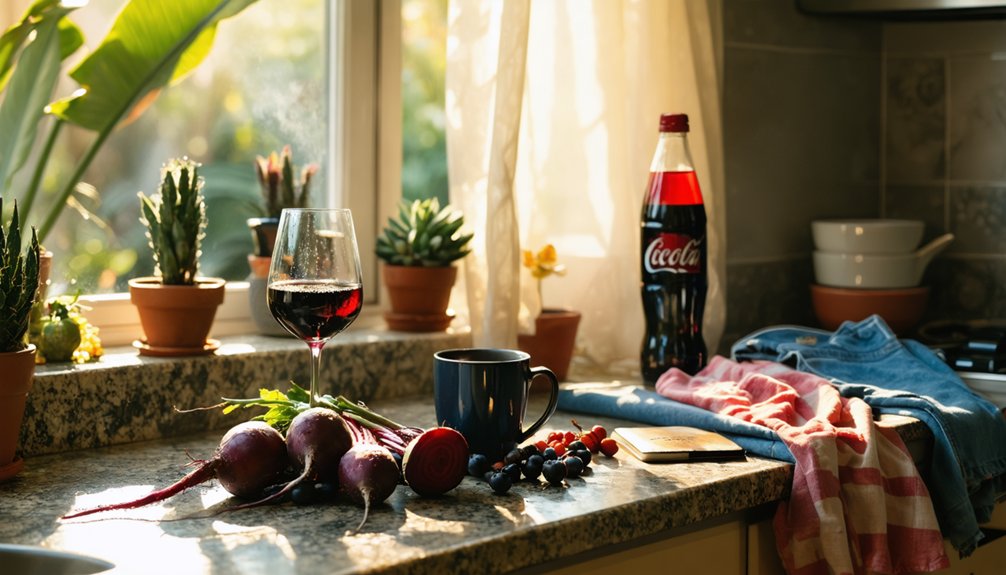
After whitening, your teeth are more porous and vulnerable to staining, so you’ll need to avoid pigmented foods like berries, tomato-based sauces, and dark chocolate for at least 48 hours.
Beverages such as coffee, tea, red wine, and dark sodas are among the most common culprits for discoloration and should be consumed through a straw or avoided altogether during this window.
Staying mindful of these dietary restrictions—especially during vacation, where indulgent foods and drinks are plentiful—helps protect your results and maintain a brighter smile throughout your trip.
Staining Foods To Avoid
Once your teeth are freshly whitened, what you eat and drink in the next 24–48 hours can directly affect how long your results last.
Freshly whitened enamel is highly porous and absorbs pigments quickly, so you’ll want to eliminate these staining culprits immediately:
- Coffee and tea — deeply pigmented beverages that accelerate discoloration
- Red wine — high tannin content bonds to enamel rapidly
- Staining sauces — tomato-based, soy, and balsamic varieties compromise results fast
- Discoloration snacks — berries, beets, and dark chocolate introduce stubborn surface stains
If you can’t avoid these entirely during your vacation, use a straw and rinse with water afterward.
Controlling your intake during this window protects your investment directly.
Drinks That Cause Discoloration
Freshly whitened teeth are especially vulnerable to liquid pigments, so the drinks you choose in the days following treatment carry real consequences.
Coffee, black tea, red wine, and dark sodas rank among the highest-risk beverage choices post-whitening. If you can’t eliminate coffee, explore coffee alternatives like herbal lattes or golden milk.
For tea options, stick to white or peppermint varieties. Avoid fruit smoothies made with berries or pomegranate, as their concentrated pigments penetrate enamel quickly.
Prioritize healthy hydration through sparkling water or still water — both function as whitening drinks by rinsing residual pigments.
When socializing, choose colorless cocktails like vodka soda over dark mixers. Use a straw consistently to minimize direct contact with tooth surfaces.
Which Vacation Habits Stain Freshly Whitened Teeth?
On vacation, your freshly whitened teeth face constant exposure to staining culprits like coffee, tea, red wine, and dark sodas, all of which penetrate enamel more readily in the weeks following treatment.
Certain foods—including berries, tomato-based sauces, and soy sauce—carry concentrated pigments that accelerate discoloration on recently whitened surfaces.
Habits like smoking, neglecting daily brushing, and skipping hydration further compromise your results, making it critical to stay mindful of what contacts your teeth throughout the trip.
Staining Drinks To Avoid
After whitening your teeth, the enamel’s pores remain temporarily open, making it far more vulnerable to staining than usual.
Despite common teeth whitening myths, no whitening product comparisons show immunity to post-treatment discoloration. You must actively avoid high-pigment beverages for 48 hours minimum.
Prioritize eliminating these four drinks immediately after treatment:
- Coffee – Dark tannins penetrate open enamel rapidly, reversing results within hours.
- Red wine – Chromogens and tannins cause immediate, deep discoloration.
- Tea – Both black and green varieties deposit stubborn staining compounds.
- Colored sodas – Acidic pH accelerates enamel absorption of artificial dyes.
If you must consume these, use a straw to minimize contact.
You control the outcome—your post-treatment choices directly determine how long your results last.
Foods That Cause Discoloration
Just as beverages compromise freshly whitened enamel, solid foods carry equal discoloration risk—particularly during vacation, when dietary habits shift greatly.
Berries, beets, tomato-based sauces, and soy-based condiments deliver concentrated pigments that penetrate freshly treated enamel faster than you’d expect. Seasonal foods—mangoes, pomegranates, and dark curries—intensify this color impact considerably.
Contrary to common whitening myths, acidic fruits don’t function as natural whiteners; they erode enamel, accelerating stain absorption.
Solid preventive care means avoiding these foods for 48 hours post-treatment and limiting them throughout your trip. Current whitening trends emphasize that teeth maintenance doesn’t pause on vacation—your oral hygiene routine must remain consistent.
Crunchy vegetables like celery and carrots genuinely support surface cleanliness without compromising your results.
Habits That Affect Whiteness
Vacation routines introduce several habits that directly compromise freshly whitened teeth, often without you realizing it.
Your lifestyle choices determine color retention more than any whitening techniques applied beforehand. Ignoring oral hygiene during travel accelerates staining and undermines enamel health considerably.
Four high-risk habits threatening your results:
- Sipping beverages continuously — prolonged contact intensifies dietary impacts on enamel.
- Skipping nighttime brushing — inconsistent teeth maintenance accelerates pigment absorption.
- Believing whitening myths — assuming results are permanent leads to negligent post-treatment behavior.
- Drinking without straws — direct exposure to coffee, wine, or tea defeats careful whitening techniques.
Controlling these behaviors preserves your investment.
Consistent oral hygiene practices, even while traveling, remain your strongest defense against rapid discoloration.
How to Touch Up Your Teeth Whitening Results on the Road
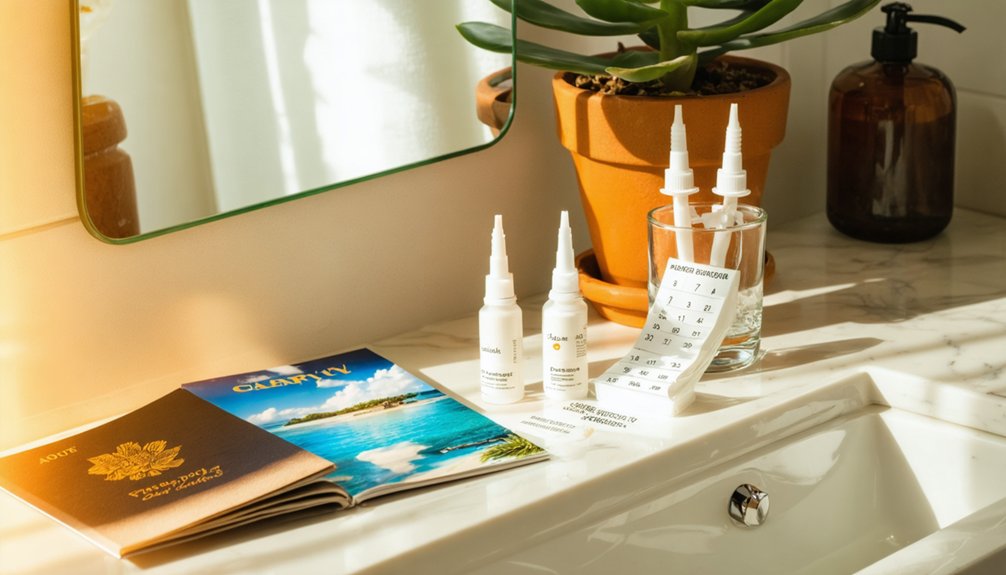
Maintaining your whitening results while traveling requires a compact, targeted toolkit. Travel-friendly kits, including whitening pens and dissolvable strips, deliver quick touch-ups without bulky equipment. These portable solutions fit easily into carry-on bags, making on-the-go maintenance straightforward and consistent.
Travel-friendly whitening kits make on-the-go touch-ups effortless, fitting seamlessly into any carry-on for consistent, mess-free results.
Select whitening products with low peroxide concentrations to minimize sensitivity during your trip. Whitening pens offer convenient applications between meals, particularly after consuming staining beverages. Apply them precisely, following manufacturer instructions, and avoid eating or drinking for 30 minutes afterward.
Pair these tools with your standard brushing and flossing routine to maximize effectiveness. Limit staining foods when possible, and use a straw for coffee or tea.
Consistent, disciplined use of these methods preserves your pre-vacation results throughout your trip.
Frequently Asked Questions
Can Teeth Whitening Treatments Interact With Any Medications You’re Taking?
Yes, whitening treatments can interact with your medications, affecting your dental health. You should consult your dentist about potential medication interactions before starting any whitening procedure to guarantee you’re managing your treatment safely and effectively.
Is Teeth Whitening Safe for People With Dental Crowns or Veneers?
Contrary to popular belief, whitening won’t damage crowns or veneers — it simply won’t change their color. You’ll need to manage crown sensitivity carefully and prioritize veneer maintenance by consulting your dentist before treatment.
Does Teeth Whitening Affect Dental Bonding or Tooth-Colored Fillings?
Whitening agents don’t alter bonding durability or cause filling discoloration, but they won’t lighten these materials either. You’ll notice uneven shading as natural teeth brighten. Consult your dentist to strategically plan treatment and replacement timing.
Can Pregnant or Breastfeeding Women Safely Undergo Teeth Whitening Treatments?
You shouldn’t undergo teeth whitening if you’re pregnant or breastfeeding. As a safety precaution, avoid peroxide-based treatments during this period. Instead, explore alternative methods like professional cleanings or whitening toothpastes, which carry minimal risk.
How Long Do Professional Teeth Whitening Results Typically Last Overall?
Your professional whitening results typically last six months to two years. You’ll extend longevity by following whitening maintenance tips, managing teeth sensitivity concerns promptly, avoiding staining foods, and scheduling periodic touch-ups to maintain control over your smile’s brightness.
References
- https://jfk-lga-dentist.com/is-it-smart-to-get-teeth-whitening-before-vacation/
- https://111dental.com/teeth-whitening-before-the-holidays-how-early-treatment-helps-you-shine-in-every-photo/
- https://parkplazadentalcare.com/whitening-your-teeth-before-a-vacation-5-things-to-consider/
- https://www.youroviedodentist.com/teeth-whitening-before-holidays-timing-it-right/
- https://alvindentalcare.com/how-early-should-you-schedule-teeth-whitening-for-the-holiday-week/
- https://implantandcosmeticdentistry.com/perfect-timing-for-holiday-teeth-whitening/
- https://www.nijhawandds.com/teeth-whitening-before-holidays-timing-tips/
- https://ocgracefulsmiles.com/teeth-whitening-before-holidays-timing-tips/
- https://www.kentwoodpremierdentistry.com/teeth-whitening-tips-for-the-holidays/