You’ll protect your enamel most effectively by choosing bromelain-based organic whitening gels, which clinical studies show increase surface hardness by 12-15% through enzymatic stain removal rather than oxidative damage. Select products bearing the ADA Seal of Acceptance to guarantee verified safety standards, and follow manufacturer protocols strictly to prevent sensitivity. Unlike carbamide peroxide formulas that demineralize enamel, enzyme-based treatments preserve tooth structure while removing protein-bound stains. The following evidence-based strategies will help you maximize whitening results while supporting long-term enamel integrity.
Key Takeaways
- Choose enzymatic whiteners like bromelain or ficin that increase enamel hardness while removing stains non-toxically.
- Avoid PAP-based gels despite whitening effectiveness, as they can etch enamel and reduce microhardness.
- Select products with the ADA Seal of Acceptance to ensure verified safety and efficacy standards.
- Incorporate hydroxyapatite formulas that support natural enamel structure while achieving whitening results.
- Use custom-fit trays and follow manufacturer protocols strictly to prevent sensitivity and gum irritation.
Understanding How Organic Whitening Agents Compare to Traditional Peroxide
Hydrogen peroxide and carbamide peroxide have dominated the teeth whitening industry since the early 20th century, functioning through oxidative mechanisms that penetrate enamel and break down chromogenic molecules into smaller, less visible particles. You’ll find carbamide peroxide decomposes into hydrogen peroxide and urea upon water contact, delivering slower release that reduces peroxide free sensitivity concerns compared to direct hydrogen peroxide application.
Organic alternatives employ enzymatic whitening mechanisms through agents like bromelain and ficin, which degrade protein-based stains without oxidative processes. PAP (phthalimidoperoxycaproic acid) functions as a synthetic organic peroxy acid that mimics peroxide oxidation without traditional decomposition pathways. Recent research has demonstrated that PAP can cause enamel etching damage and reduced microhardness in tooth structure. While 2023 studies demonstrate hydrogen peroxide delivers superior color difference results, bromelain and ficin gels matched carbamide peroxide’s effectiveness while showing non-cytotoxic profiles after 45-minute exposure, contrasting with carbamide peroxide’s cytotoxic effects. Studies reveal that ficin and bromelain-based gels increased enamel surface hardness as a protective factor, distinguishing them from traditional peroxide formulations.
Choosing Non-Peroxide Formulas That Minimize Enamel Damage
When selecting non-peroxide whitening gels, you’ll encounter two primary enzyme-based agents: phthalimidoperoxycaproic acid (PAP) and bromelain, each offering distinct mechanisms for stain removal with minimal enamel erosion.
Natural formulations aren’t risk-free—fruit acids and charcoal can still compromise tooth structure through abrasion or demineralization if used improperly or excessively. Baking soda offers a gentle abrasive alternative that helps remove surface stains while neutralizing acids in the mouth to promote overall oral health. Hydroxyapatite works to power a brighter smile while supporting the natural structure of tooth enamel. Prioritize products bearing ADA Seal of Acceptance to guarantee third-party verification of safety claims and efficacy standards.
PAP vs. Bromelain Benefits
Although hydrogen peroxide remains the gold standard for teeth whitening, non-peroxide alternatives have emerged that deliver comparable results with superior enamel safety profiles. Understanding active ingredient mechanisms helps you select formulations that maximize whitening efficacy comparison outcomes while preserving tooth structure.
PAP (Phthalimidoperoxycaproic Acid) delivers:
- Oxidation without free radicals, achieving 8.13 shade units versus hydrogen peroxide’s 4.86 units
- Minimal surface roughness and reduced sensitivity compared to peroxide-based treatments
- Enhanced effectiveness against low-polarity chromogenic stains when combined with herbal agents
- Hydroxyapatite-enriched formulations that actively remineralize enamel during treatment
Bromelain provides:
- Enzymatic hydrolysis of protein-bound stains and biofilms without corroding enamel nanostructure
- Color shifts matching carbamide peroxide while creating thinner demineralized layers
- Preserved tooth integrity through non-oxidative stain removal mechanisms
- Anti-inflammatory response that reduces tissue irritation during the whitening process
Both agents demonstrate clinically significant whitening with reduced adverse effects.
Natural Agents’ Safety Risks
While non-peroxide whitening formulas promise gentler enamel preservation, they’re not universally safe—you’ll encounter significant risks with certain natural agents that can permanently compromise tooth structure. Chlorine dioxide removes enamel alongside staining hazards, causing irreversible damage.
Baking soda and lemon juice combinations lack safety evidence and may erode protective layers. Abrasive whitening toothpastes progressively wear down enamel with daily application. You’ll face gum irritation risks when bleaching agents contact soft tissues, particularly with poorly fitted trays or excessive gel application.
Repeated irritation can trigger permanent gum recession and expose sensitive root surfaces. Sodium hypochlorite gels demonstrate enamel softening in controlled studies. DIY formulations pose the greatest threat due to improper concentrations.
Professional oversight guarantees safe non-peroxide application, while custom-fitted trays minimize tissue contact and prevent overexposure-related complications. Custom-fit trays provide more even gel distribution and controlled application, leading to better consistency in whitening results compared to generic options. Home-based bleaching produces less tooth sensitivity compared to in-office whitening procedures with higher peroxide concentrations.
ADA-Approved Product Selection
The ADA Seal of Acceptance represents the gold standard for verifying whitening product safety and efficacy through rigorous evaluation by the Council on Scientific Affairs. You’ll find ADA-approved ingredients in products like Crest 3DWhitestrips and Colgate Total SF variants, which undergo testing for both effectiveness and enamel preservation.
When selecting non-peroxide alternatives, prioritize formulations featuring silica or low-abrasive compounds that remove surface stains without bleaching agents. Founded in 1931, the ADA Seal program helps consumers identify oral health care products that are both safe and proven to perform as advertised. Silica-based formulas work by removing surface stains from food, drinks, and tobacco without the harshness of chemical bleaching agents.
Evidence-based selection criteria for minimizing enamel damage:
- Choose products with the ADA Seal confirming verified safety standards over untested alternatives
- Select non-peroxide formulations like Tom’s of Maine Simply White with naturally sourced silica gel
- Opt for customizable application trays such as Opalescence Go for controlled, enamel-friendly delivery
- Follow manufacturer protocols strictly to prevent overuse-related sensitivity or gum irritation
Following Proper Application Guidelines to Prevent Overuse
Proper application of organic whitening gel requires precise technique and adherence to recommended protocols to maximize efficacy while minimizing adverse effects. Verify proper tray fit before initial use to guarantee optimal gel contact and prevent leakage.
Maximizing whitening results demands meticulous gel application technique and strict protocol adherence to ensure safety and optimal tooth contact.
Apply a small bead halfway up the inner tray surface for each front tooth, utilizing approximately 0.5ml per arch. Gel application best practices dictate focusing on the anterior 6-8 teeth visible in your smile zone.
Adhere strictly to concentration-specific wear times: 10% formulations allow up to 3 hours, 20% concentrations require limiting to 2 hours, while 35% necessitates 30-40 minute maximum exposure. You’ll control sensitivity by initiating 20-30 minute sessions, then extending duration based on tolerance.
Remove excess gel immediately to prevent gingival irritation and maintain treatment predictability.
Recognizing When Whitening Treatments Should Be Avoided
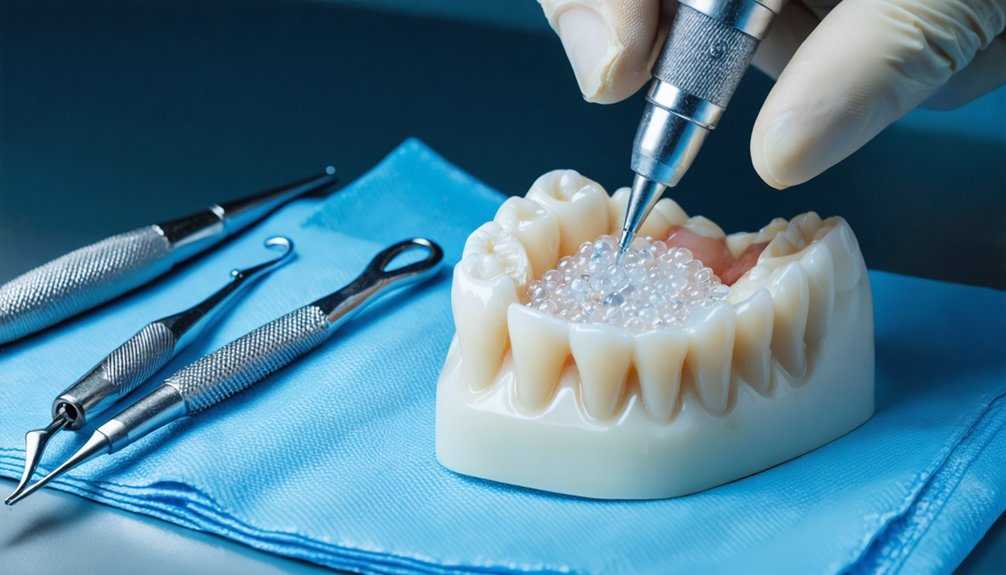
Although organic whitening gels offer effective stain removal, certain dental conditions necessitate treatment postponement or avoidance to prevent irreversible damage. You must obtain professional evaluation when preexisting dental conditions exist, as whitening treatment guidelines emphasize safety protocols before cosmetic enhancement.
Contraindications requiring treatment avoidance:
- Damaged or eroded enamel – Weakened surfaces can’t withstand peroxide penetration without accelerating deterioration, necessitating dentist-supervised protocols with controlled concentrations
- Untreated cavities or exposed dentin – Bleaching agents infiltrate compromised structures, causing pulp irritation and heightened sensitivity that compromises treatment outcomes
- Severe enamel thinning – Insufficient enamel thickness prevents safe peroxide application, risking permanent structural weakening and dentin exposure
- Active gum disease or oral inflammation – Peroxide contact with inflamed tissues exacerbates damage and delays healing processes
Professional assessment determines your candidacy while protecting long-term dental integrity.
Selecting ADA-Approved Products for Verified Safety
Whitening product selection requires verification mechanisms that distinguish clinically tested formulations from unregulated alternatives that may compromise dental health. The ADA Seal of Acceptance represents a 90-year gold standard, confirming that the Council on Scientific Affairs has evaluated submitted research data, ingredient lists, and manufacturing evidence.
This five-year certification guarantees products demonstrate both safety and efficacy when used according to instructions.
For maintaining enamel integrity, seek ADA-accepted options like Crest 3D Whitestrips or fluoride-containing whitening toothpastes with mild abrasives. These formulations use controlled concentrations of carbamide peroxide or hydrogen peroxide that safely permeate enamel without causing structural damage.
For sensitive tooth management, select specifically designated variants that minimize temporary irritation risks. Verify packaging displays the official Seal before purchase, verifying you’re selecting products backed by rigorous scientific review rather than unsubstantiated marketing claims.
Managing Sensitivity and Timing Your Treatment Sessions
Since tooth sensitivity remains the most common adverse effect reported during whitening protocols, implementing strategic preparation measures two weeks before treatment initiation considerably reduces discomfort risks. You’ll achieve ideal results by applying desensitizing toothpaste containing potassium nitrate, which fortifies neural pathways and diminishes potential discomfort. Proper whitening frequency requires spacing sessions appropriately—never exceed manufacturer-recommended application times or concentrate on minimizing sensitivity levels through custom-fitted trays that limit peroxide exposure.
Strategic approaches for sensitivity management:
- Apply desensitizing gel before, during, and after treatments to rehydrate enamel
- Avoid acidic foods, beverages at extreme temperatures, and re-staining agents throughout your protocol
- Test tolerance with initial limited applications before committing to full treatment schedules
- Continue fluoride mouth rinses post-treatment to strengthen enamel and reduce lingering sensitivity
Professional evaluation guarantees personalized product selection aligned with your dental health profile.
Maintaining Results While Supporting Enamel Remineralization
Your whitening results depend critically on post-treatment remineralization protocols that restore enamel integrity compromised during peroxide exposure. Integrate CPP-ACPF agents into your oral care regimen within 24 hours post-bleaching to reverse microhardness reduction and achieve mineral deficiency prevention. These bioactive compounds deposit ionic crystals that reduce enamel permeability while maintaining whitening effectiveness.
Apply fluoride-free peptide gels that form scaffolds capturing saliva minerals for epitaxial hydroxyapatite regeneration over 15 days. Natural saliva contributes calcium and phosphate, supporting your enamel’s inherent repair mechanisms without compromising surface aesthetics.
Professional-grade remineralizers rebuild subsurface density, decreasing pigmentation susceptibility while organized crystal growth aligns with enamel rods. This systematic approach preserves both the structural soundness and aesthetic outcomes you’ve achieved through controlled whitening interventions.
Frequently Asked Questions
Can I Use Organic Whitening Gel if I Have Dental Veneers?
You can safely use organic whitening gel with veneers—it won’t compromise veneers durability. However, it won’t lighten veneer discoloration either. The gel only whitens natural teeth, potentially creating shade mismatches. Consider professional polishing or veneer replacement instead.
How Long Does Temporary Tooth Dehydration Last After Whitening Treatments?
You’ll experience temporary tooth dehydration for 24-48 hours typically, though teeth sensitivity duration extends to 72 hours in some cases. The enamel remineralization process completes within one week, restoring normal hydration and comfort with proper care.
Do Organic Whitening Gels Expire or Lose Effectiveness Over Time?
Yes, organic whitening gels expire and lose effectiveness over time. You’ll need to follow shelf life considerations of 12-24 months unopened and 6-12 months opened. Adhere to storage recommendations including refrigeration and sealed containers to maintain potency.
Can I Combine Different Whitening Products to Speed up Results?
Don’t even think about it—combining products dramatically multiplies potential side effects like sensitivity and enamel damage. You’ll achieve ideal results by strictly following one system’s recommended application frequency. Professional guidance guarantees you’re controlling outcomes, not risking permanent harm.
Will Whitening Gel Affect My Tooth-Colored Fillings or Crowns?
Whitening gel won’t change your tooth-colored fillings or crowns—they’ll remain their original shade. The whitening effect on crowns and impact on dental restorations is zero because peroxide can’t penetrate non-porous materials, potentially creating color mismatches.
References
- https://pmc.ncbi.nlm.nih.gov/articles/PMC9915942/
- https://preventiondentalhygiene.com/are-teeth-whitening-gels-safe/
- https://pmc.ncbi.nlm.nih.gov/articles/PMC4058574/
- https://www.trysnow.com/blogs/news/is-teeth-whitening-safe
- https://chestnutdental.com/blog/are-natural-teeth-whitening-methods-safe-and-effective/
- https://www.elevatedentalmo.com/post/teeth-whitening-is-it-safe-on-tooth-enamel
- https://health.clevelandclinic.org/is-teeth-whitening-safe
- https://www.ada.org/resources/ada-library/oral-health-topics/whitening
- https://www.goodrx.com/conditions/dental-care/is-teeth-whitening-safe
- https://gloscience.com/blogs/blog/before-it-goes-in-your-mouth-check-your-ingredients