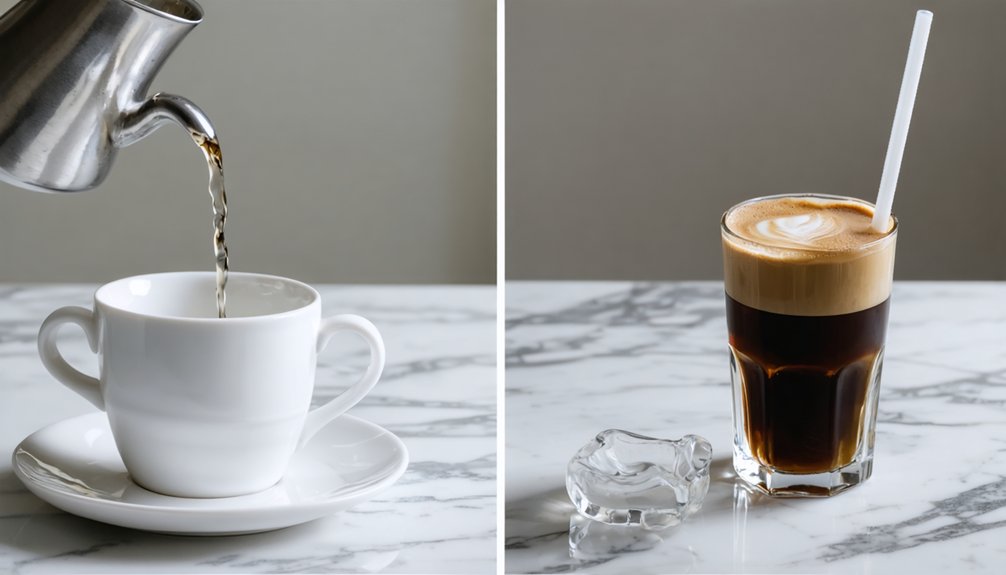
To minimize tea stains, you should rinse with lukewarm water immediately after drinking and delay brushing for at least 30 minutes to protect softened enamel. Using a straw reduces direct tooth contact, while whitening toothpastes with mild abrasives tackle surface discoloration effectively. Fluoride-based products strengthen enamel between whitening sessions, and consistent use of whitening strips penetrates deeper pigmentation. The expert techniques and product strategies ahead will sharpen your approach considerably.
Key Takeaways
- Rinse with lukewarm water immediately after drinking tea to reduce tannin exposure and minimize staining before it sets.
- Delay brushing at least 30 minutes after consuming tea to protect temporarily softened enamel from abrasion damage.
- Use whitening strips consistently to penetrate deeper tea stains, combined with fluoride toothpaste for simultaneous enamel protection.
- Eat apples, strawberries, or celery after tea consumption, as these foods naturally scrub enamel and reduce pigment adhesion.
- Schedule professional dental cleanings every six months, as polishing effectively removes embedded tea pigments from enamel surfaces.
Why Tea Stains Your Teeth in the First Place?
Tea’s rich color comes from tannins, naturally occurring polyphenolic compounds that bind to proteins and minerals on tooth enamel. These tannin effects create a sticky film on your tooth surface, allowing chromogens—intensely pigmented molecules—to adhere firmly to enamel.
Over time, this process compromises enamel health by embedding discoloration deep within the surface layer. Your enamel’s porous microstructure accelerates this reaction. Each sip exposes these microscopic openings to pigmented compounds, which penetrate and accumulate with repeated exposure.
Acidic compounds in tea temporarily soften enamel, further increasing its vulnerability to staining agents. Frequency and duration of tea consumption directly determine staining severity. Continuous sipping throughout the day prolongs tannin contact, intensifying discoloration.
Understanding this mechanism gives you precise control over the conditions that allow staining to occur.
Which Teas Cause the Most Noticeable Staining?
Not all teas stain equally, and knowing which varieties pose the highest risk lets you make informed choices about your daily brew.
Black tea contains the highest tannin concentration among tea varieties, making it the primary culprit for noticeable discoloration. Green tea stains less aggressively but produces a dull, grayish tint over time.
Black tea’s high tannin levels make it the worst offender for staining, while green tea dulls teeth over time.
Among herbal options, hibiscus and berry-based teas cause pronounced staining, while chamomile presents minimal risk.
For effective staining prevention, switching to white or green tea reduces both frequency and severity of discoloration.
Your tea selection directly influences your whitening maintenance effort. Understanding each variety’s staining potential empowers you to balance your tea preferences with practical strategies that protect enamel and minimize the professional or at-home treatment you’ll ultimately need.
How to Drink Tea Without Staining Your Teeth
Protecting your teeth from tea stains doesn’t require giving up your daily cup—it requires adjusting how you drink it. Start by using a straw for iced tea to minimize direct tooth contact.
Rinse your mouth with lukewarm water immediately after drinking to clear residual tannins before they bind to enamel. Avoid continuous sipping throughout the day, as prolonged tannin exposure compounds staining considerably.
Managing tea temperature matters too—extremely hot tea opens enamel pores, increasing pigment absorption. Shorter steeping duration reduces tannin concentration, lowering staining potential without eliminating flavor entirely.
Delay brushing at least 30 minutes post-consumption to protect acid-softened enamel. These behavioral adjustments give you precise control over staining risk without sacrificing your tea habit.
Foods That Naturally Brighten Tea-Stained Teeth
Certain foods actively work against tea staining by mechanically cleaning tooth surfaces and stimulating saliva production, your mouth’s built-in defense mechanism against discoloration.
Incorporating strategic teeth friendly snacks and whitening fruit options into your diet gives you measurable control over stain accumulation.
Prioritize these proven options:
- Apples – Their fibrous texture scrubs enamel surfaces while triggering saliva flow that neutralizes tannins.
- Celery – Acts as a natural abrasive, dislodging surface particles between teeth during chewing.
- Carrots – Dense crunch stimulates saliva production, reducing pigment adhesion after tea consumption.
- Strawberries – Contain malic acid, a naturally occurring compound that dissolves surface discoloration effectively.
Consistently choosing these foods after tea consumption creates a functional, dietary-level defense that complements your broader whitening strategy.
Natural Remedies That Actually Lift Tea Stains
Several natural remedies deliver measurable stain-lifting results by leveraging mild abrasive or acidic properties to break down tannin deposits on enamel surfaces.
For effective natural whitening, apply a baking soda paste twice weekly, using its mild abrasive action to clear surface discoloration without compromising dental hygiene.
Coconut oil swished for 5-20 minutes draws out staining compounds while supporting enamel strengthening over time.
Apple cider vinegar benefits include acid-based stain dissolution, though you should dilute it carefully to minimize enamel erosion risks.
Strawberry paste, rich in malic acid, similarly targets surface deposits when applied directly.
Each remedy works through distinct biochemical mechanisms, so rotating them strategically maximizes results.
Pair every treatment with fluoride products to fortify enamel and sustain long-term stain resistance effectively.
The Best Over-the-Counter Products for Tea-Stained Teeth
When tackling tea stains at home, you’ll find whitening toothpastes formulated with mild abrasives like baking soda or low-concentration peroxide effectively lift surface discoloration without compromising enamel integrity.
For deeper staining, you can incorporate whitening strips specifically designed for tea-stained teeth into your daily oral care routine, as these agents penetrate enamel more thoroughly than toothpaste alone.
Pairing either product with a fluoride-based toothpaste strengthens enamel structure, improving its resistance to future staining and supporting long-term dental health.
Whitening Toothpaste Options
Whitening toothpastes offer a practical, accessible starting point for addressing tea-stained teeth, though understanding their limitations helps you select the right product.
Key toothpaste ingredients directly influence stain removal effectiveness:
- Mild abrasives like baking soda safely polish surface stains without compromising enamel integrity.
- Low-concentration peroxide penetrates superficial discoloration for gradual, measurable brightening results.
- Fluoride fortifies enamel, increasing resistance against future tannin-based staining.
- Avoid overly harsh formulas that accelerate enamel erosion, particularly if you experience sensitivity.
You should recognize that whitening toothpastes can’t remove stains deeper than enamel, limiting their effectiveness against stubborn, set-in discoloration.
For controlled, consistent results, incorporate these products into your twice-daily brushing routine alongside targeted whitening strips designed specifically for tea staining.
Effective Whitening Strips
For tea stains that resist whitening toothpaste, strips offer a stronger over-the-counter solution by delivering peroxide directly against tooth surfaces for extended contact periods.
Whitening strip effectiveness depends heavily on consistent application and selecting products specifically formulated for tea-related discoloration. You’ll achieve better results by applying strips to clean, dry teeth, as moisture barriers reduce peroxide penetration and compromise outcomes.
Mastering application techniques requires precise strip placement along the gumline without overlapping soft tissue, which can cause unnecessary irritation. Daily use within recommended treatment cycles gradually breaks down tannin-based pigments embedded in enamel.
You should incorporate strips alongside fluoride toothpaste to simultaneously strengthen enamel while targeting discoloration. Tracking visible progress weekly helps you adjust your regimen strategically and maintain control over your whitening timeline.
Fluoride Enamel Protection
Protecting enamel while addressing tea stains requires fluoride-based products that strengthen tooth structure and resist future discoloration simultaneously.
Fluoride benefits your teeth by reinforcing mineral bonds within enamel, creating a harder surface that repels tannin penetration. Prioritizing enamel strength gives you long-term protection against recurring stains.
Incorporate these fluoride-focused strategies:
- Choose fluoride toothpaste alongside whitening formulas to fortify enamel while removing surface stains.
- Use fluoride mouth rinses daily to reach areas brushing misses.
- Select whitening products that explicitly combine peroxide with fluoride for dual-action results.
- Schedule fluoride treatments during professional cleanings for maximum enamel reinforcement.
Avoiding fluoride-deficient whitening products prevents accelerated enamel erosion.
You’re actively controlling both stain removal and structural protection when fluoride remains central to your oral care routine.
When Should You Use Whitening Strips for Tea Stains?
When tea stains have progressed beyond what daily brushing and whitening toothpaste can address, whitening strips designed specifically for tea staining become a practical next step in your oral care regimen.
Use them when surface stains persist after consistent brushing and you’ve already optimized your tea consumption habits, such as rinsing after drinking and limiting prolonged sipping sessions.
Apply whitening strips after brushing and verify your teeth are dry for maximum adhesion and peroxide penetration.
Don’t use them on consecutive days if you’re experiencing sensitivity, as overuse accelerates enamel erosion. Limit applications to manufacturer-recommended intervals, typically two to four weeks per cycle.
Pairing strips with fluoride toothpaste strengthens enamel between treatments, verifying you’re removing existing stains while actively protecting against future discoloration.
What Professional Whitening Can Do That Home Remedies Can’t?
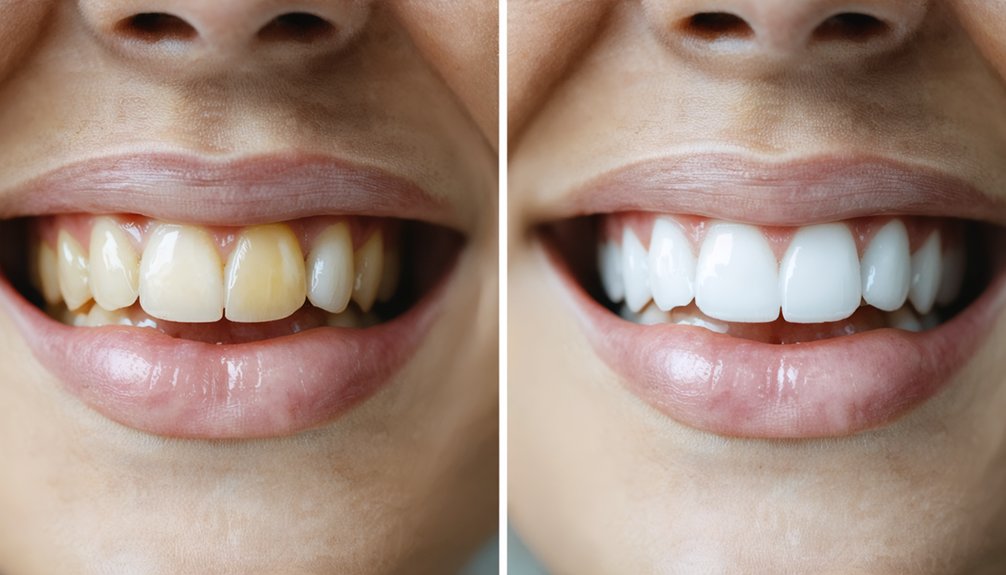
While home remedies and over-the-counter products address surface-level tea stains, professional whitening treatments penetrate beneath the enamel using high-concentration bleaching agents like hydrogen peroxide that aren’t available in retail formulations.
Expert techniques deliver four distinct professional benefits you simply can’t replicate at home:
Professional whitening unlocks four powerful benefits no home remedy can match — because some results require expert hands.
- Deep stain removal below enamel surfaces that baking soda and strips can’t reach
- Customized treatment plans based on your specific staining severity and enamel condition
- Faster, measurable results from a single in-office session versus weeks of home application
- Tailored aftercare protocols that extend and protect your whitening outcomes long-term
Your dentist also identifies underlying issues like enamel thinning before treatment begins, preventing damage that aggressive home remedies might cause unknowingly.
Do Regular Dental Cleanings Actually Remove Tea Stains?
Beyond professional whitening treatments, your dentist’s routine cleaning appointments serve a practical, often underestimated role in managing tea stains. During these sessions, dental hygienists use specialized instruments to physically remove accumulated surface deposits that standard brushing can’t reach.
The polishing step effectively lifts tea-derived pigments embedded in enamel, restoring your teeth’s natural brightness.
Consistent dental hygiene appointments also support stain prevention by eliminating plaque buildup—a key factor that accelerates discoloration. When plaque accumulates, it creates a rougher surface where tannins bind more readily.
Scheduling cleanings every six months gives your dentist an opportunity to assess your enamel’s condition, identify early staining patterns, and recommend targeted interventions before discoloration becomes difficult to reverse.
Regular cleanings aren’t optional maintenance—they’re a strategic component of long-term stain control.
Frequently Asked Questions
Can Adding Milk to Tea Actually Reduce Its Tooth-Staining Effects?
Yes, adding milk can reduce tea’s staining effects. Milk’s proteins bind with tea compounds like tannins, neutralizing their adhesive properties. You’ll gain milk benefits by limiting tannin contact with enamel, decreasing discoloration risk effectively.
Does the Temperature of Tea Affect How Severely It Stains Teeth?
Like a sponge absorbing water, hotter tea brewing accelerates tannin absorption into enamel, intensifying stains. You’ll improve stain prevention by opting for cooler tea temperatures, which reduces pigment penetration and minimizes discoloration risk considerably.
Are Electric Toothbrushes More Effective Than Manual Ones for Tea Stains?
Electric toothbrush benefits include superior plaque removal through consistent oscillation, making them more effective against tea stains. However, manual toothbrush advantages shine when you’re using proper technique, achieving comparable results with controlled, deliberate brushing movements.
Can Teeth Whitening Treatments Affect Dental Crowns or Veneers?
Like paint on sealed wood, whitening treatments won’t penetrate crowns or veneers. You’ll find they resist bleaching agents entirely, so crown longevity and veneer maintenance depend on professional cleanings and consistent oral hygiene instead.
How Long Does Professional Whitening Typically Last for Regular Tea Drinkers?
Professional whitening typically lasts 6–12 months for regular tea drinkers. You’ll extend results by using home remedies like baking soda, exploring tea alternatives, and scheduling consistent professional cleanings to counteract tannin-induced stain accumulation effectively.
References
- https://www.lesueurfamilydental.com/teeth-whitening-tips-for-tea-drinkers/
- https://www.drdaynes.com/blog/how-coffee-and-tea-affect-teeth-whitening-and-what-you-can-do-about-it/
- https://philipkclarkdmd.com/why-tea-drinkers-might-need-special-teeth-whitening-care/
- https://www.advantagedental.com/blog/how-to-remove-coffee-and-tea-stains-from-your-teeth
- https://batonrougefamilydentist.com/blog/limit-tea-stains-teeth/
- https://www.colgate.com/en-us/oral-health/teeth-whitening/does-tea-stain-teeth
- https://alvarezdentistry.com/does-tea-discolour-your-teeth/
- https://dynamicdentalcare.com/p/BLOG-106279-2023.7.10-How-To-Remove-Tea-and-Coffee-Stains-from-Teeth-p.asp?fc=1
- https://www.youtube.com/watch?v=Wd-5CZQEeCE