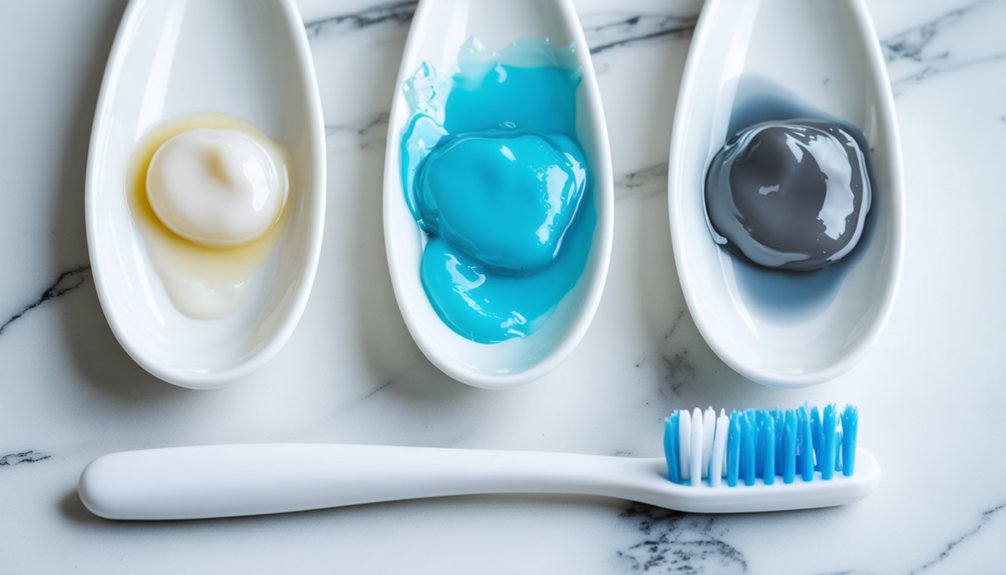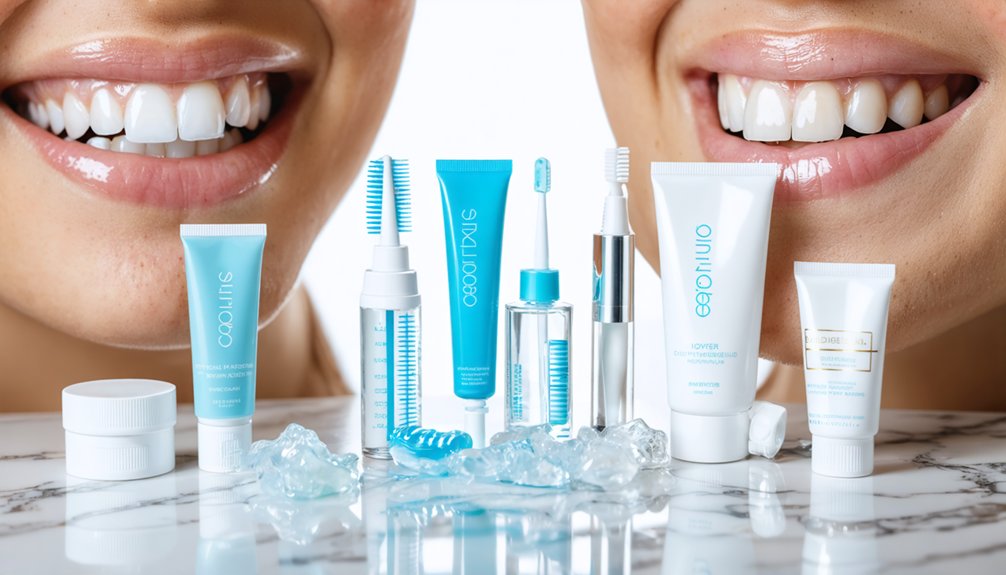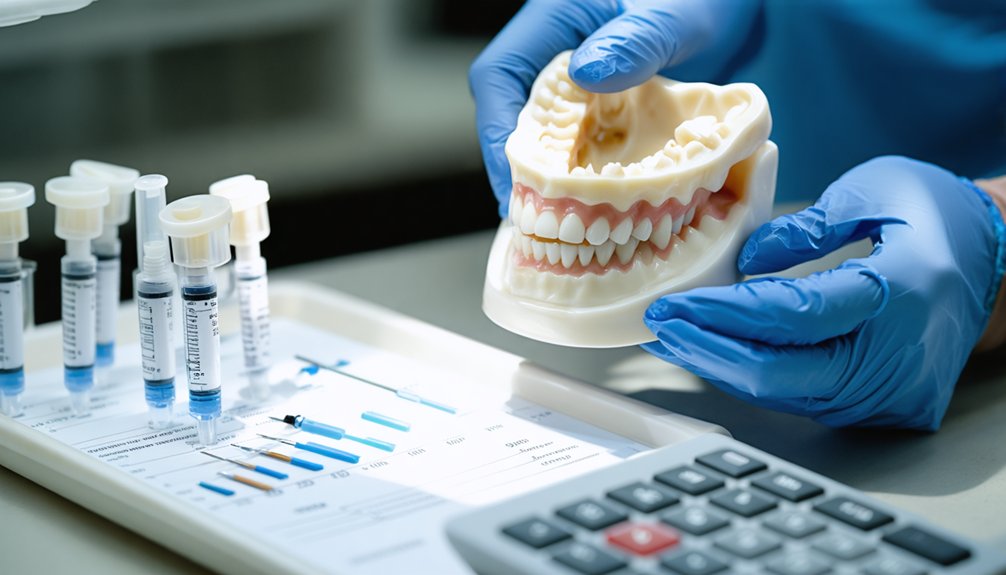
You’ll pay anywhere from $4.19 for over-the-counter whitening toothpastes to $1,200 for professional laser treatments when whitening yellow teeth. Dentist-prescribed take-home kits cost $375-$500 with custom trays and professional-grade bleaching gel, while mid-range custom tray systems range $89.99-$600. Over-the-counter strips and kits run $19.87-$91.95 but contain lower peroxide concentrations. Your final cost depends on stain severity, treatment method, peroxide strength, and geographic location. Below, you’ll discover how each option compares in effectiveness and long-term value.
Key Takeaways
- Professional in-office whitening treatments cost $300-$1,200 per session, with laser procedures averaging $792 nationally for immediate results.
- Dentist-prescribed take-home kits range $375-$500 and include professional-grade gel 10x stronger than over-the-counter products.
- Custom tray systems offer professional results for $89.99-$600, with impression kits starting as low as $1 for fitted trays.
- Over-the-counter whitening products cost $4.19-$91.95 but provide limited effectiveness and results lasting only 3-6 months.
- Treatment duration varies from single in-office sessions to 10-14 days of daily applications for take-home and custom tray options.
In-Office Professional Whitening Treatment Prices
Professional in-office whitening treatments typically cost between $400 and $1,200 per session, with the national average for laser-assisted procedures standing at $792. You’ll find premium systems like Zoom Whitening range from $300 to $1,000, while Opalescence Boost costs $395 to $500. KöR Whitening, designed for severe discoloration, commands $550 to $1,200 based on treatment duration and complexity.
Geographic location greatly impacts pricing—Massachusetts averages $965 per session, while West Virginia costs $679. Your dentist recommendation will account for regional overhead, specialized equipment requirements, and necessary touch-up sessions ($200 to $400 each). Laser-activated treatments represent the highest investment due to advanced technology and enhanced efficacy. Most procedures require dentist supervision, averaging $508 per session, ensuring ideal results and safety protocols.
Take-Home Dentist-Prescribed Whitening Kits
Take-home dentist-prescribed whitening kits typically cost between $375 and $500, with Aspen Dental’s custom tray systems averaging $449. You’ll receive professional-grade bleaching gel (often 10 times stronger than over-the-counter products) and custom-fitted trays fabricated using the same materials your dentist uses for in-office treatments.
Treatment protocols require daily application of 5-30 minutes over 1-2 weeks, delivering gradual whitening results that last 6 months to 2 years with proper maintenance.
Cost Range and Averages
When seeking dentist-prescribed whitening solutions for at-home use, you’ll encounter costs ranging from $100 to $600, though most systems fall within the $375 to $500 bracket. Dentist-supervised kits average $200 to $400 in metropolitan areas like Chicago, with pricing determined by gel concentration and peroxide levels between 10-35%.
You’ll find prescription bleaching gel portions priced at $20 to $40 each, allowing for quantity discounts when purchasing multiple applications. Treatment duration typically spans 1-2 weeks, directly impacting your total investment.
Geographic location noticeably influences pricing—Massachusetts averages $965 for whitening procedures, while West Virginia costs $679. Your final expense depends on staining severity, required treatment cycles, and the professional whitening expertise of your selected provider. Aspen Dental’s professional whitening averages $449, including take-home options.
Custom Tray Pricing Options
Custom tray whitening systems deliver professional-grade results through dentist-prescribed kits ranging from $89.99 for trays alone to complete systems comparing favorably against $600-$850 in-office costs. You’ll find impression kits starting at $1 (JSDental Lab) that produce custom-fitted trays preventing the uneven coverage common with whitening strips.
Mid-range options include Sporting Smiles ($20-25 treatments, 35% carbamide peroxide) and Sparkling White Smiles ($89.99, HSA/FSA eligible). Premium Smile Brilliant systems range from T3 ($149, 3 syringes) to T9 ($239, heavy stain treatment), each including desensitizing gels.
Dentist-prescribed Opalescence PF 35% costs $325 initially, featuring the only ADA-accepted formula with 20% water content preventing dehydration. Custom trays remain reusable for years, enabling long-term maintenance with $100 refill packs delivering 24 applications.
Treatment Duration and Process
Dentist-prescribed whitening kits require consistent daily applications over 10 to 14 days, with individual sessions lasting 15 to 60 minutes depending on gel concentration. You’ll wear custom trays for one hour daily or overnight, as the gel remains active for up to eight hours during sleep. Before each application, you must brush and floss, then remove excess gel from gums and palate to prevent irritation.
User compliance expectations greatly impact treatment outcomes. You’ll need to maintain refrigerated storage and apply treatments consistently to achieve noticeable results within one week. Complete whitening typically takes four to six weeks, though darker stains may require two to six weeks.
This timeline makes take-home kits cost effective treatment options compared to in-office procedures, requiring only maintenance every three to four months post-treatment.
Over-the-Counter Whitening Products
Over-the-counter whitening products range from $4.19 for basic whitening toothpaste to $91.95 for advanced LED kits, offering significant cost savings compared to professional treatments. However, you’ll experience limited whitening effectiveness due to lower concentrations of active ingredients—typically 10-35% carbamide peroxide or 3-10% hydrogen peroxide versus the stronger formulations dentists use.
Results typically last only 3-6 months and address mild surface stains rather than deep discoloration, requiring consistent reapplication to maintain your desired shade.
Affordable Product Price Range
While professional dental whitening treatments can cost several hundred dollars, over-the-counter products offer accessible alternatives ranging from $2.39 to $91.95. You’ll find whitening toothpastes priced between $2.39 and $17.49, providing daily maintenance options that balance product effectiveness with budget constraints.
Whitening strips range from $19.87 to $29.99, delivering concentrated treatments over 10-22 applications. Complete whitening kits span $24.86 to $91.95, offering exhaustive systems with varying treatment protocols.
For trial purposes, you can access smaller quantities starting at $2.39 for 1.4-ounce toothpaste tubes. Whitening pens and gels, priced at $19.88 to $35, provide targeted application methods. Customer satisfaction data suggests that initial investment in lower-priced products allows you to assess tolerance and results before committing to premium options.
Limited Whitening Effectiveness
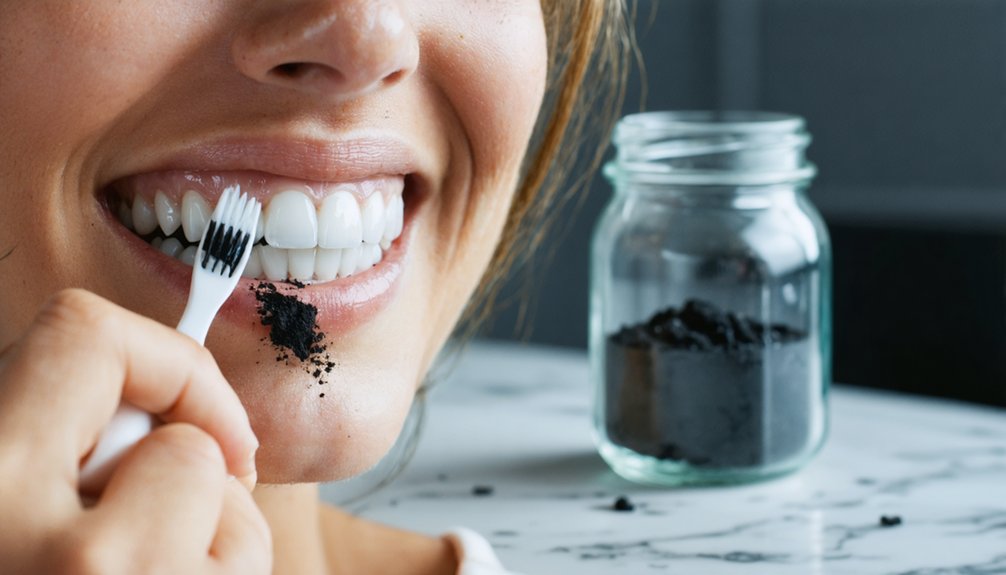
Despite their affordability, over-the-counter whitening products demonstrate measurably lower efficacy than professional treatments due to fundamental concentration constraints. You’ll find toothpastes particularly underwhelming—even charcoal-based variants show insignificant results in multiple groups (p > 0.05). The limitations of whitening strips become apparent when you realize they require substantially more time for one-to-two shade changes compared to professional applications.
The ineffectiveness of non peroxide agents is quantifiable: PAP achieves only ΔE=6.6 versus hydrogen peroxide’s ΔE=9.6 (p<0.001). Mouth rinses produce contradictory results with minimal tooth penetration. You’re essentially limited to addressing mild-to-moderate surface stains—deeper discoloration remains largely unresponsive. Even ideal OTC formulations can’t replicate the concentrated peroxide exposure you’d receive through dentist-supervised protocols.
Short-Lasting Results Duration
The most significant drawback you’ll encounter with over-the-counter whitening products is their abbreviated durability—most formulations deliver results lasting merely 4-6 months before requiring retreatment. Your consumption of coffee, tea, wine, and dark-pigmented foods accelerates enamel discoloration, necessitating repeat applications every few months.
This cyclical approach creates ongoing maintenance needs that compound both temporal and financial investments. Toothpaste delivers one-shade improvement monthly, while strips achieve two shades with equally transient outcomes. You’ll experience short term discomfort from sensitivity if touch-ups exceed bimonthly intervals.
Lower peroxide concentrations inherent in consumer-grade products produce slower, less durable whitening compared to professional treatments. Your lifestyle hygiene practices—including twice-daily brushing, flossing, and strategic dietary modifications—directly influence longevity. Expired products (6 months-2 years shelf life) fail completely, rendering purchases worthless without proper rotation protocols.
How Geographic Location Affects Whitening Costs
Geographic location markedly influences teeth whitening costs, with urban centers typically charging $500-$1000 for in-office treatments compared to $300-$700 in smaller towns. You’ll find East and West Coast cities command premium rates due to elevated operational overhead and cost of living, while Midwest and Southern regions maintain lower pricing structures. Metropolitan demand for cosmetic procedures drives these disparities.
However, remote locations present access barriers beyond direct treatment costs. You’ll encounter higher travel-related expenses and time investments that create significant financial burdens. Research demonstrates higher mean DMFS scores correlating with remote residency, reflecting how perceived travel costs limit treatment uptake.
Healthcare system impact varies internationally, with differing standards of living and economic factors substantially altering procedure costs. You should research specific regional pricing to optimize your investment.
State-by-State Price Comparisons
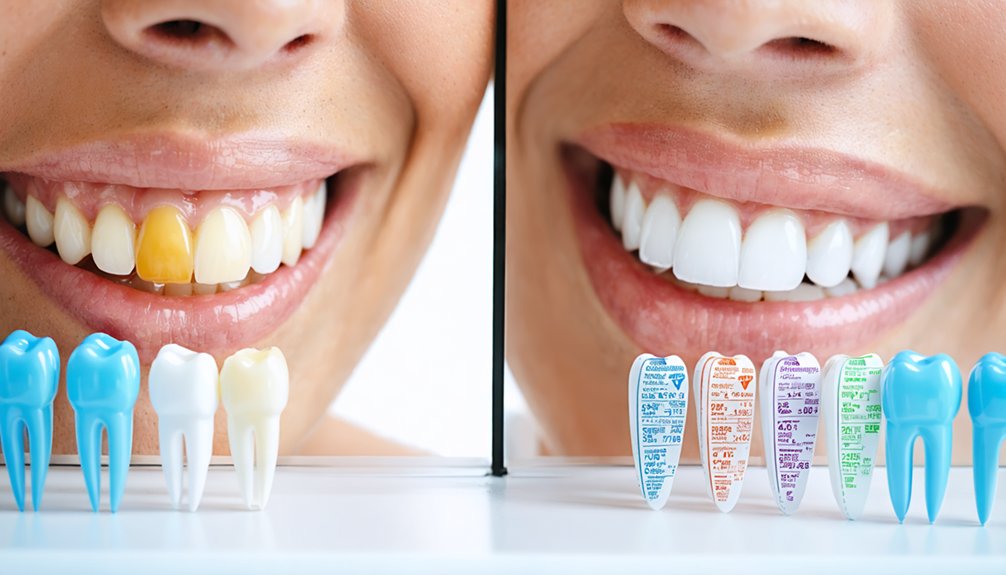
Laser whitening costs vary dramatically across states, with a $518 spread between West Virginia’s lowest rate of $679 and Hawaii’s peak price of $1,129. You’ll find Southern states offer the most economical options—West Virginia ($679), Arkansas ($680), and Alabama ($681)—while coastal regions command premium pricing. Hawaii ($1,129), District of Columbia ($1,061), and California ($982) represent the highest-cost markets.
Mid-range states like Florida ($786) and Nevada ($791) align closely with the national average of $792. Urban centers within states show additional variation: New York City ranges $99-$599, while Rolling Hills Estates, California charges $650-$1,100.
Oral hygiene factors and regional cost-of-living indices drive these disparities. At-home whitening techniques provide budget-conscious alternatives, with custom kits ($150-$600) and OTC products ($10-$55) offering geographic price independence.
Long-Term Value and Results Duration
When evaluating teeth whitening investments, you’ll find professional in-office treatments deliver results lasting 1 to 3 years, remarkably outperforming over-the-counter alternatives that fade within 3 to 4 months. Dentist-prescribed at-home gel trays extend durability to 1 year or longer when properly maintained.
Your lifestyle choices directly impact longevity. Staining beverages—coffee, tea, red wine—minimally affect results during the first 6 to 12 months, though gradual discoloration follows. Tobacco use drastically accelerates color regression.
Professional maintenance optimizes your investment. Annual touch-up treatments sustain brightness effectively, with some patients requiring sessions every 6 to 12 months. Maintenance trays used 1 to 2 days biannually prolong outcomes considerably. Regular professional cleanings combined with quality oral hygiene practices push results toward the upper 3-year timeline, maximizing cost-effectiveness.
Factors That Determine Your Final Price
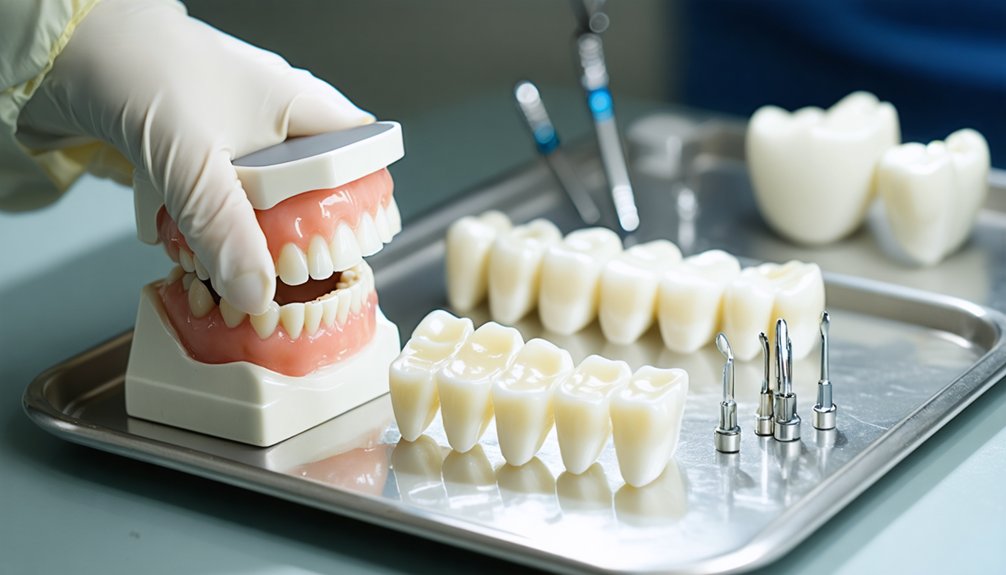
Understanding how long your whitening results last matters, but you’ll also need to know what drives the cost itself. Your final price depends on treatment type—ranging from $25 over-the-counter products to $1,200 in-office sessions utilizing laser-activated technology.
Geographic location considerably impacts fees, with metropolitan areas charging $500-$1,000 versus $300-$700 in smaller markets due to overhead differences. Stain severity determines session frequency; deep intrinsic discoloration from tetracycline requires concentrated agents and extended treatment protocols.
Provider expertise commands premium rates, reflecting advanced training and precision outcomes. Professional-grade bleaching systems and sophisticated equipment elevate costs but deliver superior efficacy. Consumer insurance coverage rarely applies to cosmetic procedures, though many practices offer payment plan flexibility to distribute expenses across manageable intervals, granting you greater financial control.
Frequently Asked Questions
Does Dental Insurance Ever Cover Teeth Whitening Treatments?
Dental insurance coverage rarely includes teeth whitening due to insurance plan restrictions classifying it as cosmetic. You’ll find approximately 17% of plans offer partial reimbursement, typically requiring documented medical necessity like trauma-related discoloration or medication side effects.
How Often Can I Safely Whiten My Teeth?
Your ideal teeth whitening frequency depends on treatment type: professional in-office sessions every 6-12 months, at-home custom trays every 4-6 months, or OTC products twice yearly. Following this whitening treatment schedule prevents enamel damage and sensitivity while maintaining results.
What Causes Teeth to Turn Yellow in the First Place?
Your teeth yellow primarily due to poor dental hygiene allowing plaque accumulation, consuming certain foods and beverages high in chromogens and tannins, tobacco use, and natural enamel thinning with age that exposes underlying dentin.
Are There Any Side Effects From Teeth Whitening Procedures?
Yes, you’ll likely experience increased tooth sensitivity during treatment as peroxide penetrates enamel. You may also encounter potential gum irritation from bleaching agents contacting soft tissues. Both effects typically resolve after treatment ends with proper application.
Can I Whiten Teeth With Crowns or Veneers?
You can’t whiten crowns or veneers—bleaching agents don’t penetrate restorations. Instead, you’ll need crown replacement ($1,000-$3,000) for dental implant aesthetics. Porcelain veneers maintenance requires non-abrasive products, and whitening natural teeth first guarantees proper shade matching.